
Follow our journey.
Support the cause.
Let’s drive change.
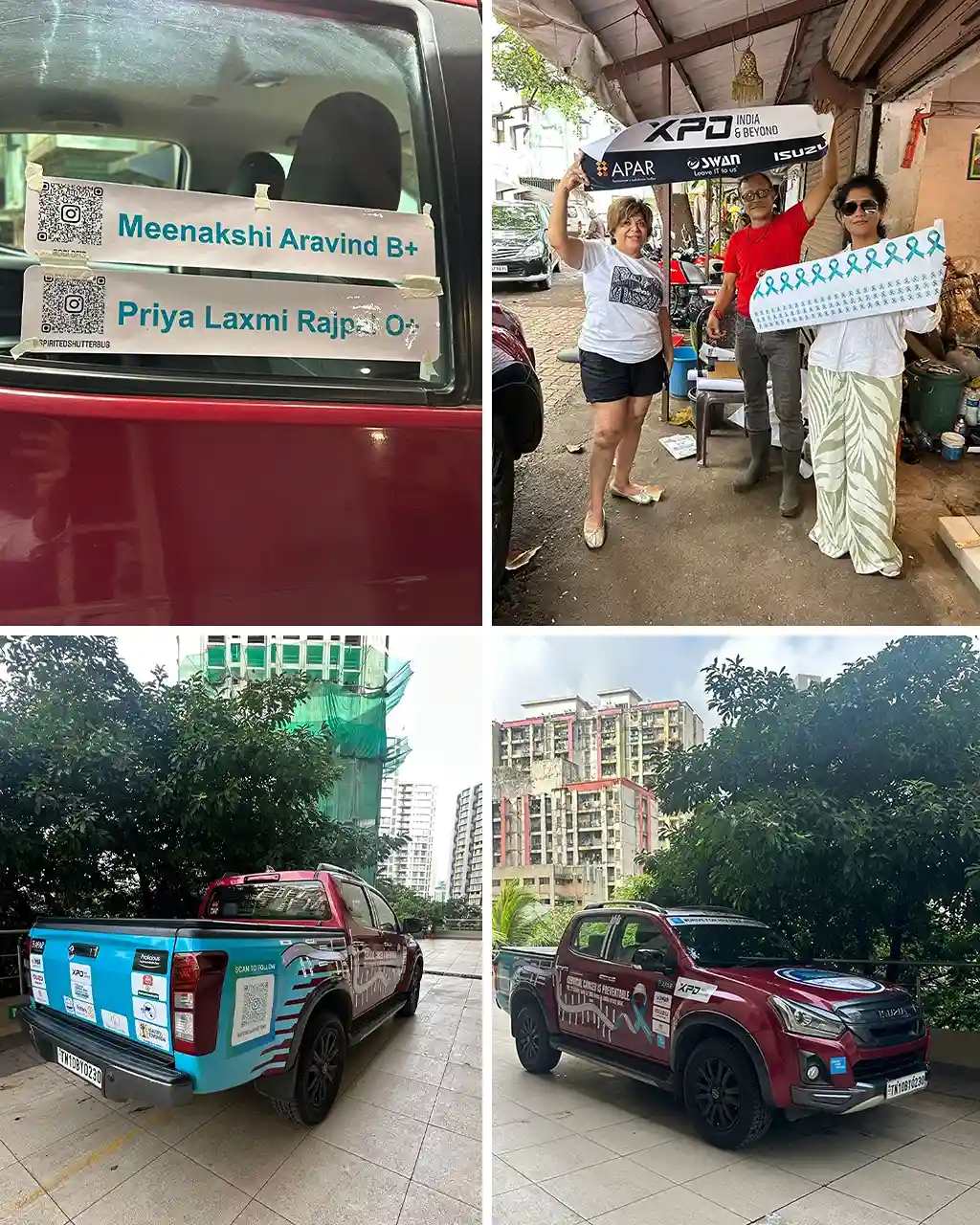
553 kms covered
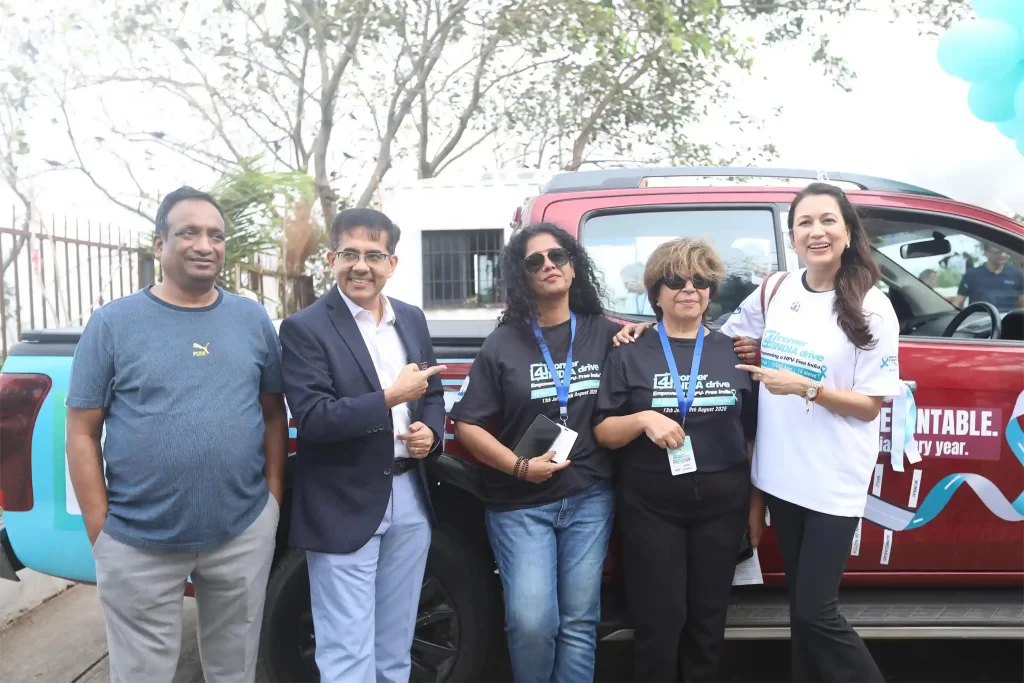
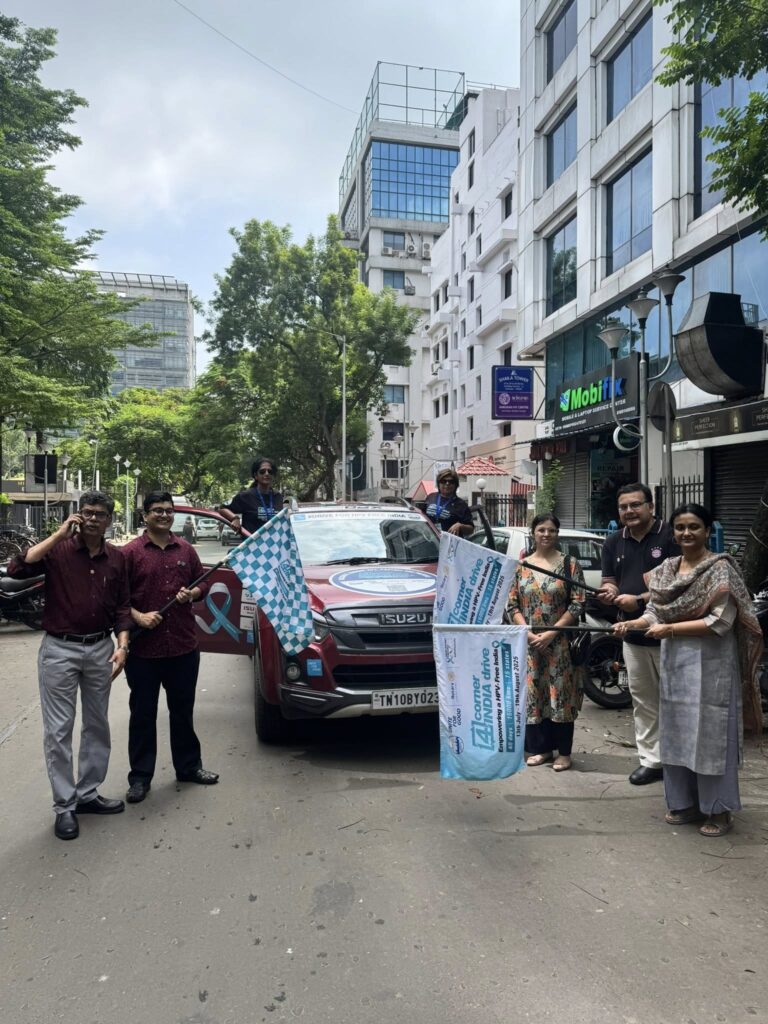
Flagged off by the Transport Commissioner of Maharashtra, this journey began with purpose and promise.
A beautiful Sunday morning saw over 100 people show up in solidarity for the cause. Their support, energy, and presence were heartwarming, a powerful reminder that change begins when people care enough to show up.
Here’s to a meaningful start on the road to a HPV-free India.
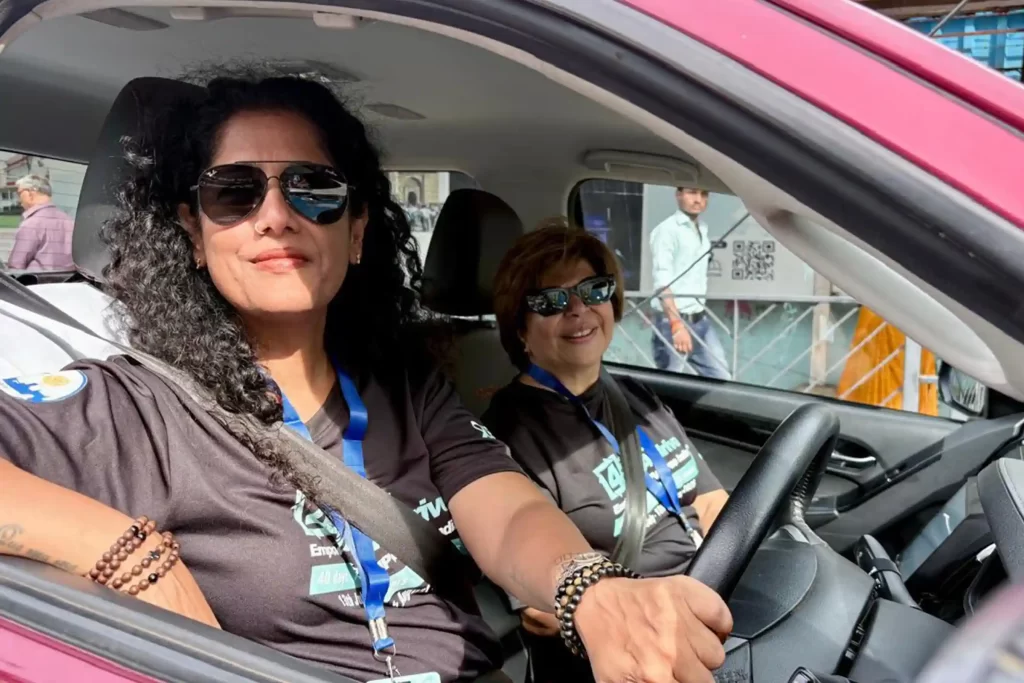
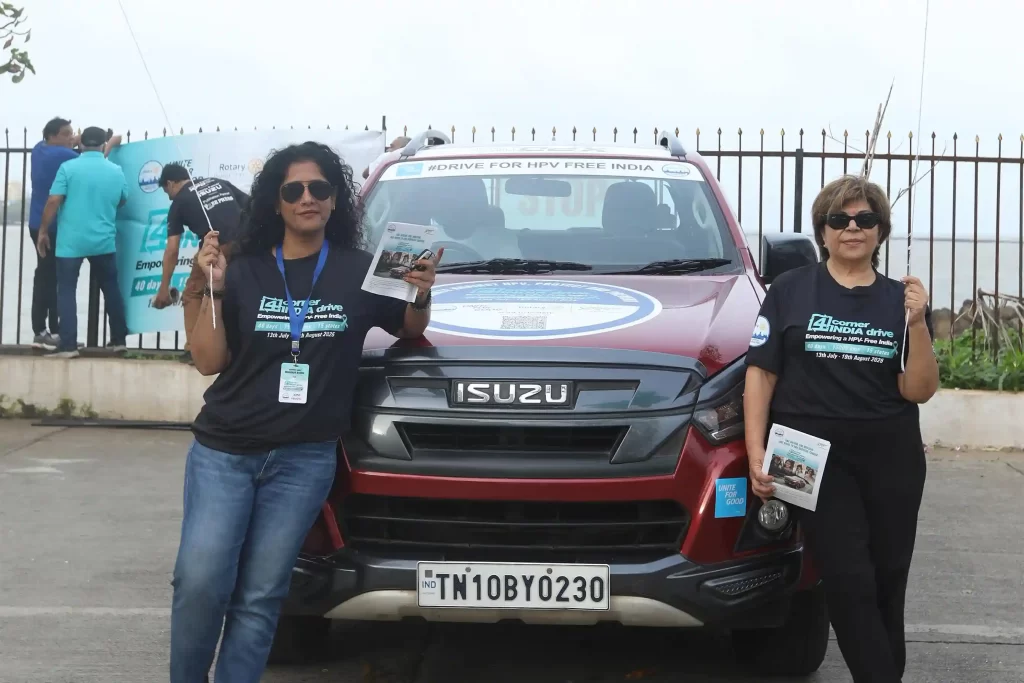
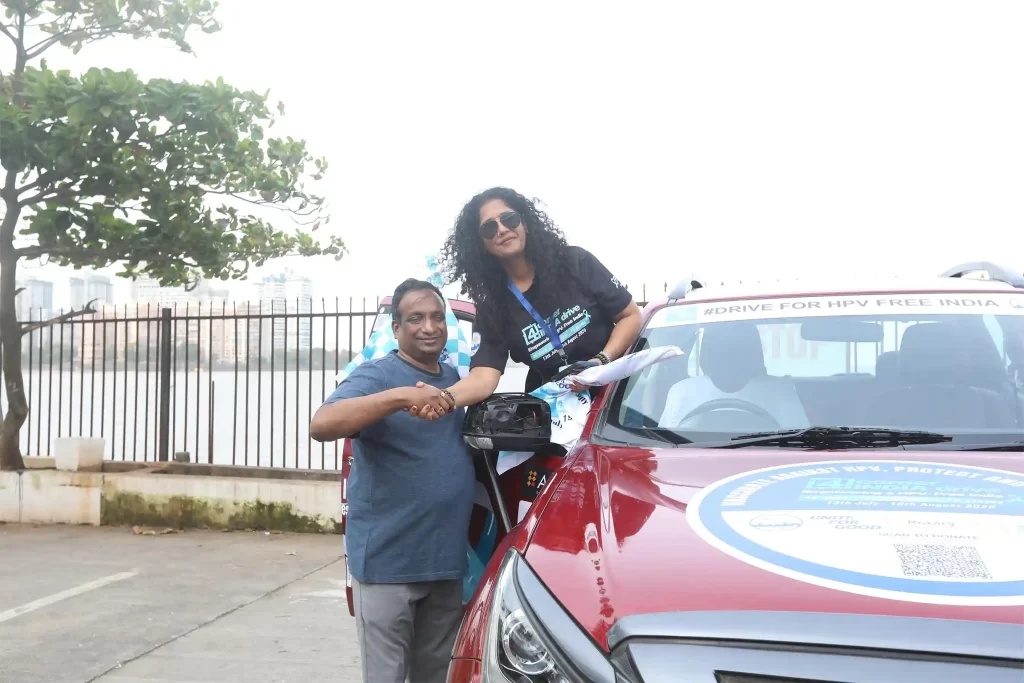
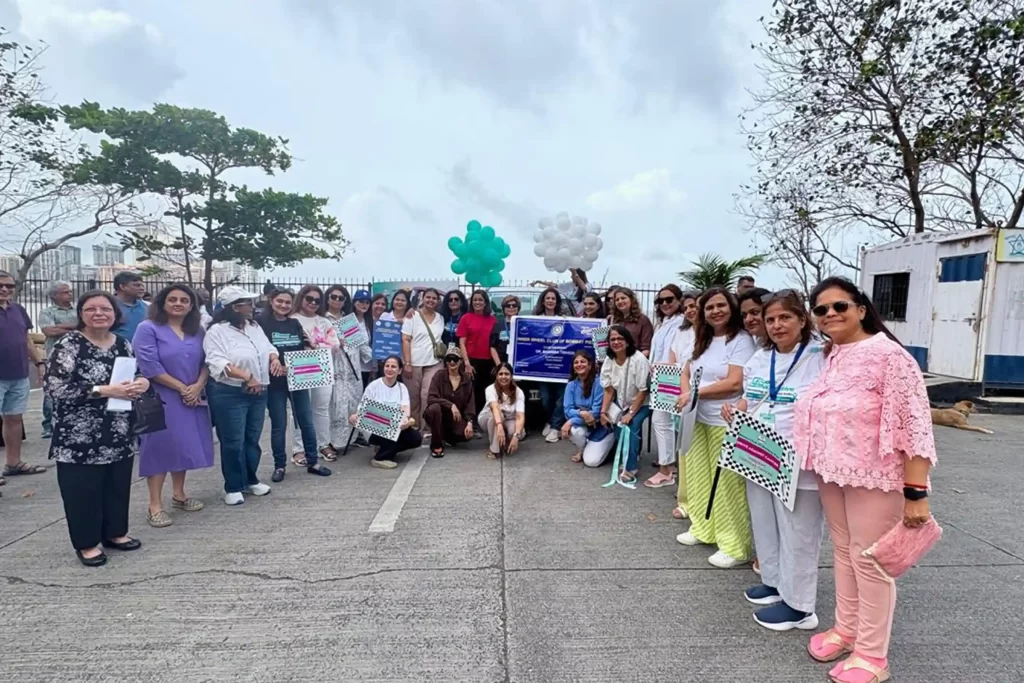
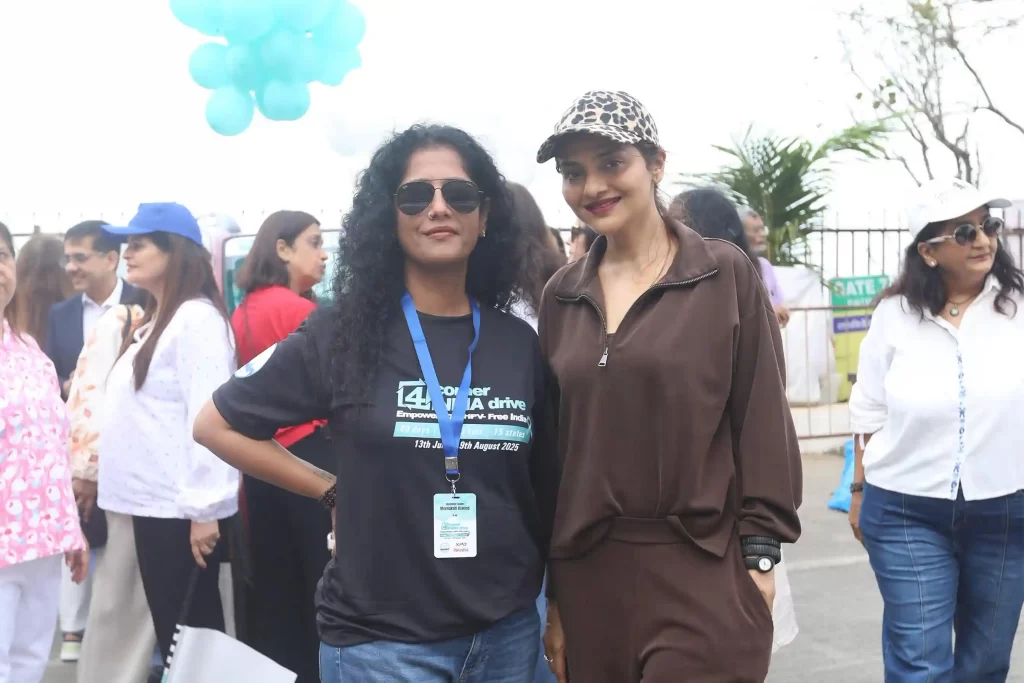
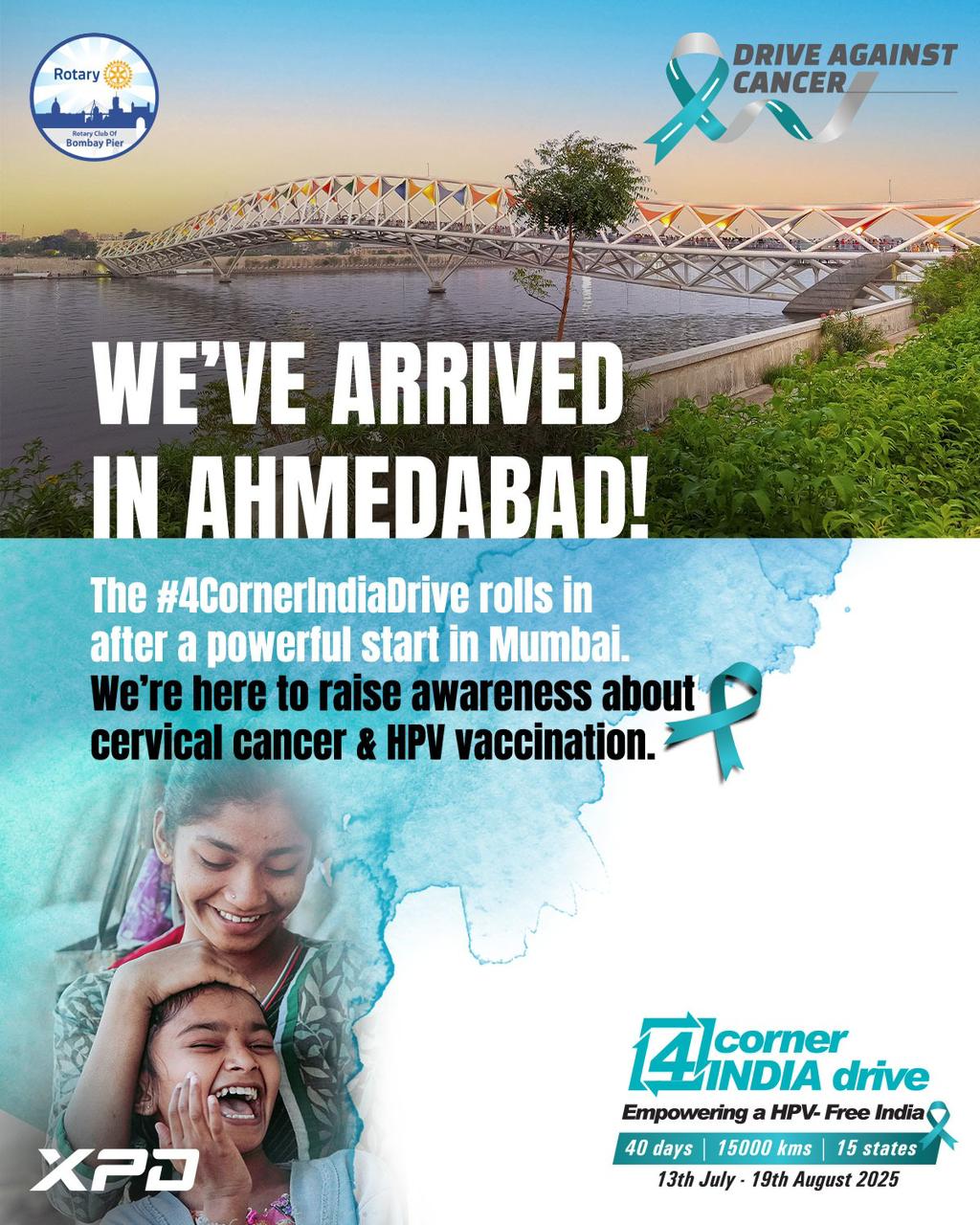
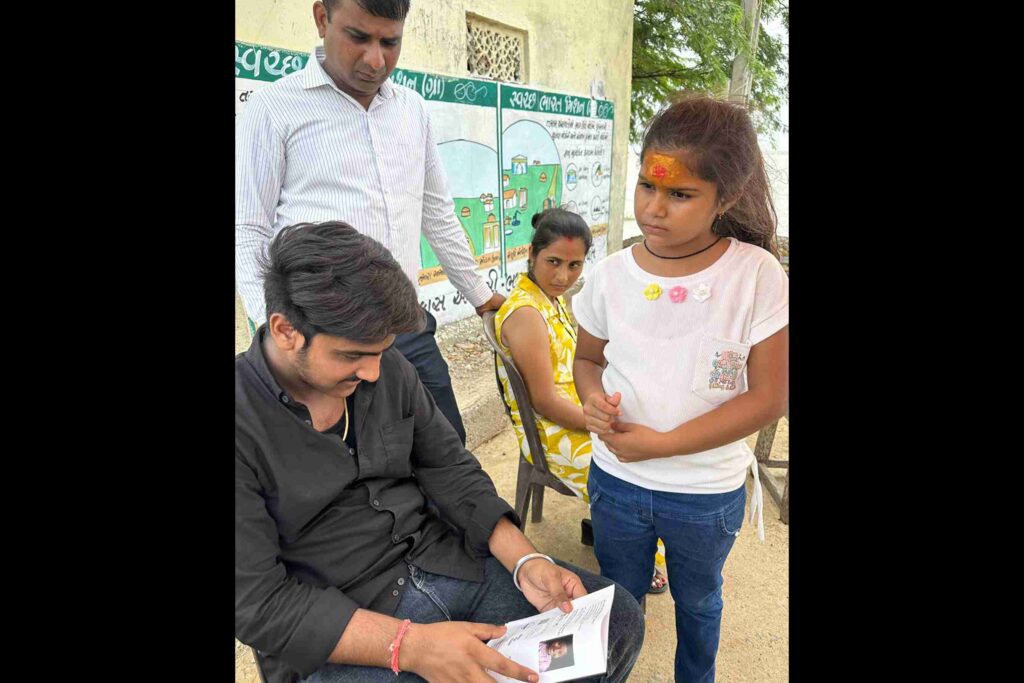
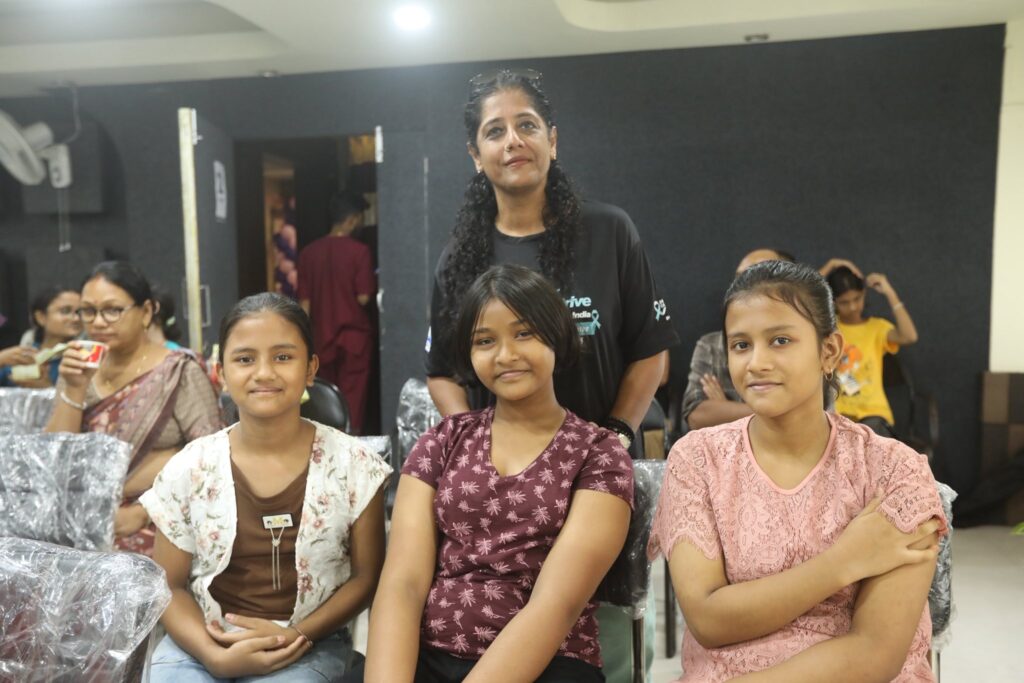
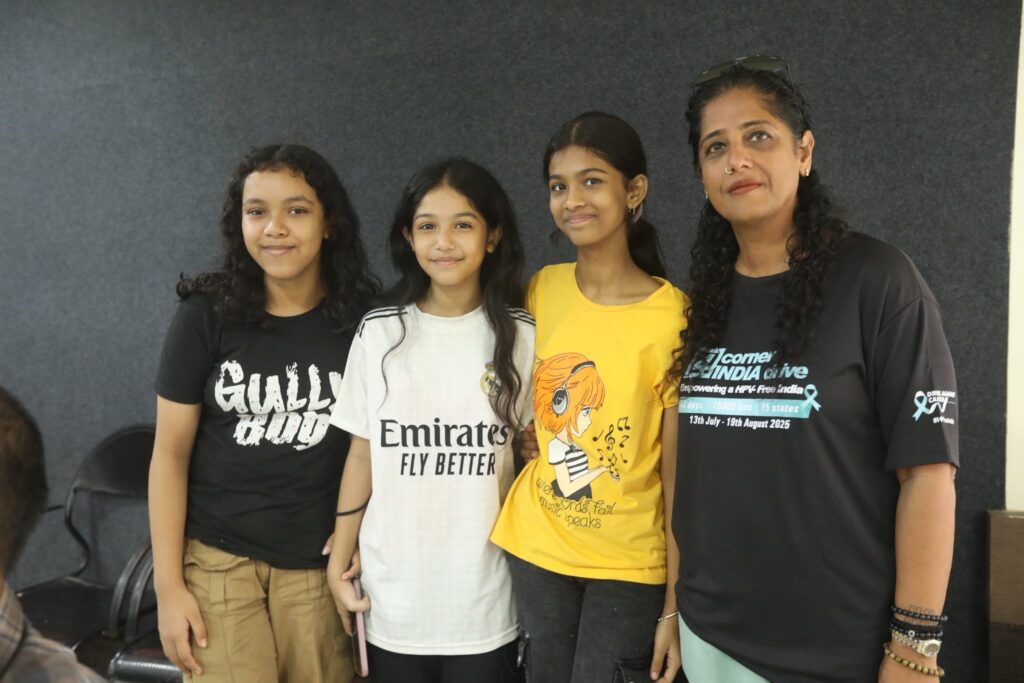
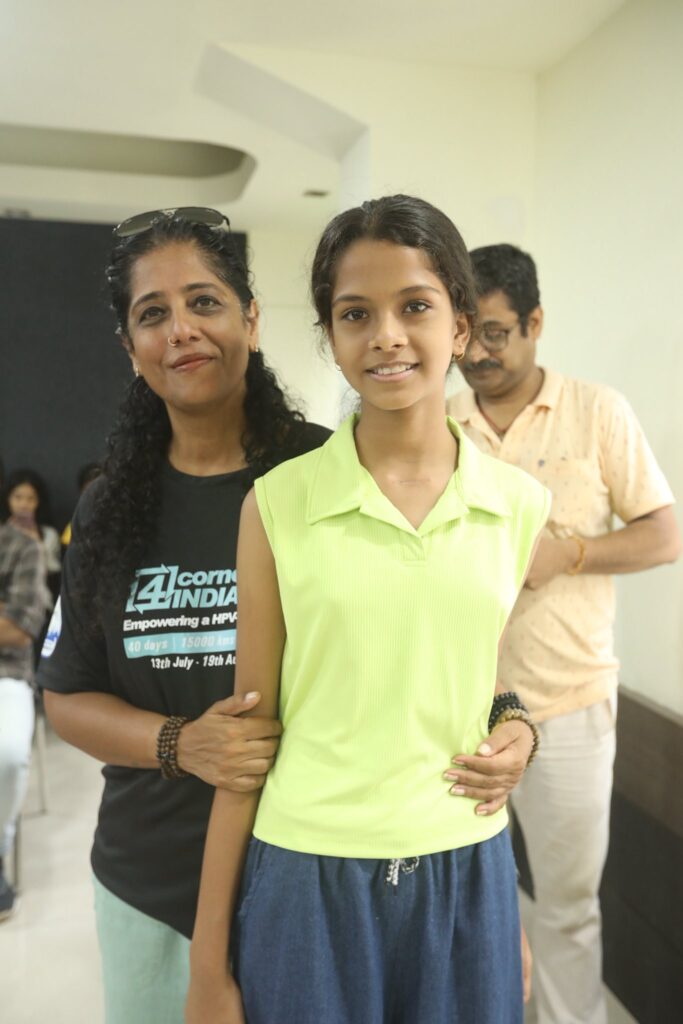
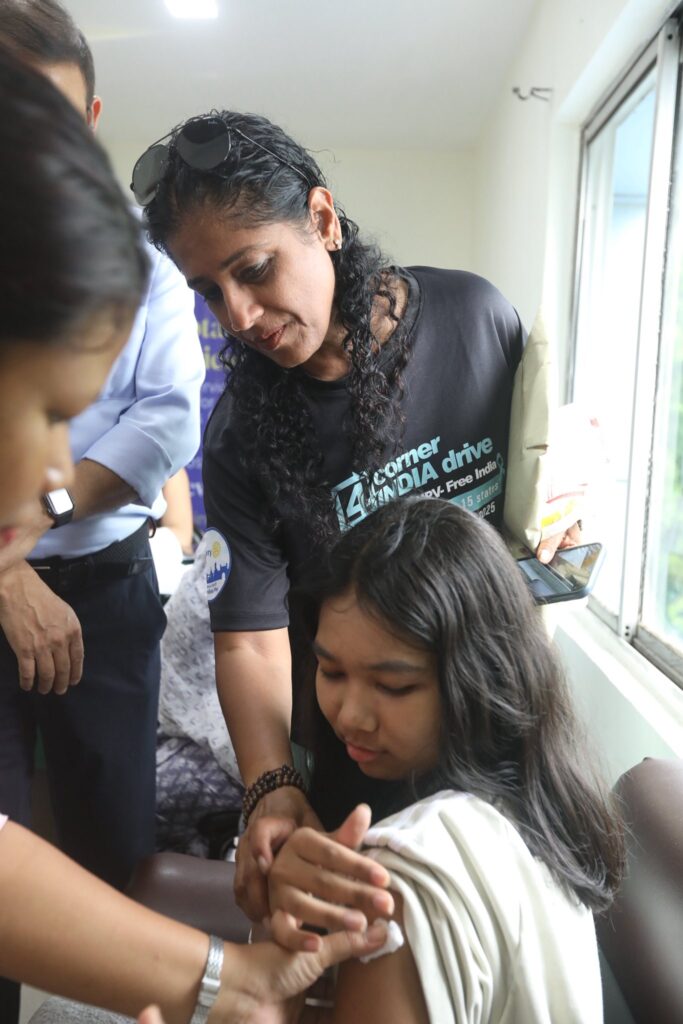
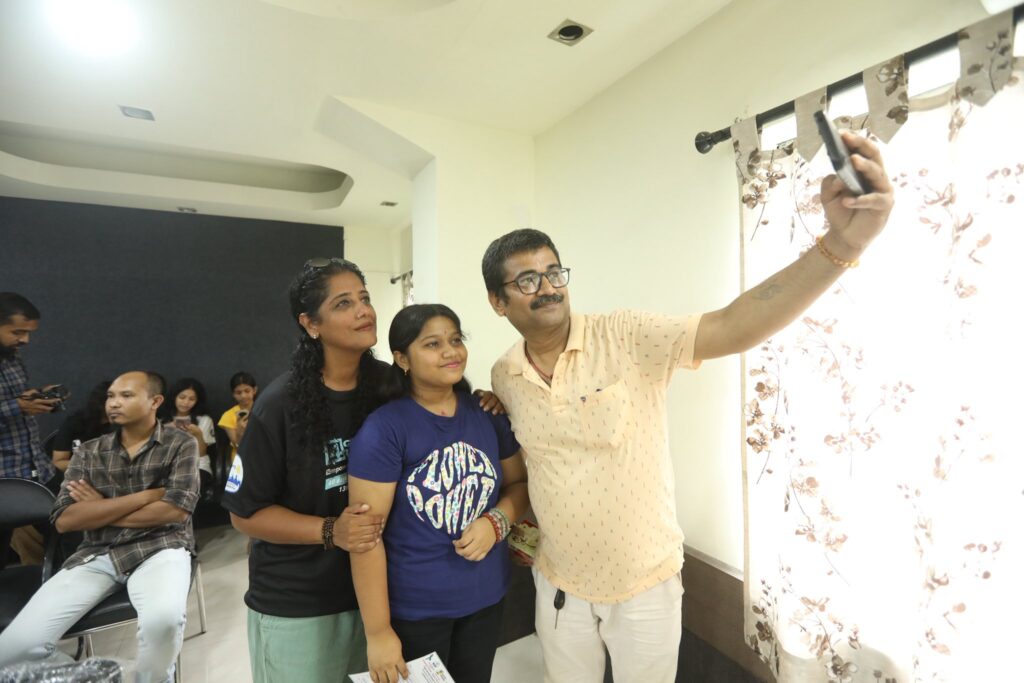
What a day! 35 girls vaccinated .. different walks of life, one mission: HPV-free future.
Flagged off (again!) by the awesome Ahmedabad Rotarians … energy levels high, hearts full.
Quick pitstop at Lucky Cafe, a restaurant with the wildest story you’ll ever hear… stay tuned, you’re going to love this one.
Also squeezed in a visit to the stunning Adalaj Stepwell….absolute architectural eye-candy. Gujarat, you beauty!
Then came the Bhuj drive ..traffic, chaos, madness on the road… but we powered through and rolled into Bhuj by 7:00 pm. Another day done. More memories made.
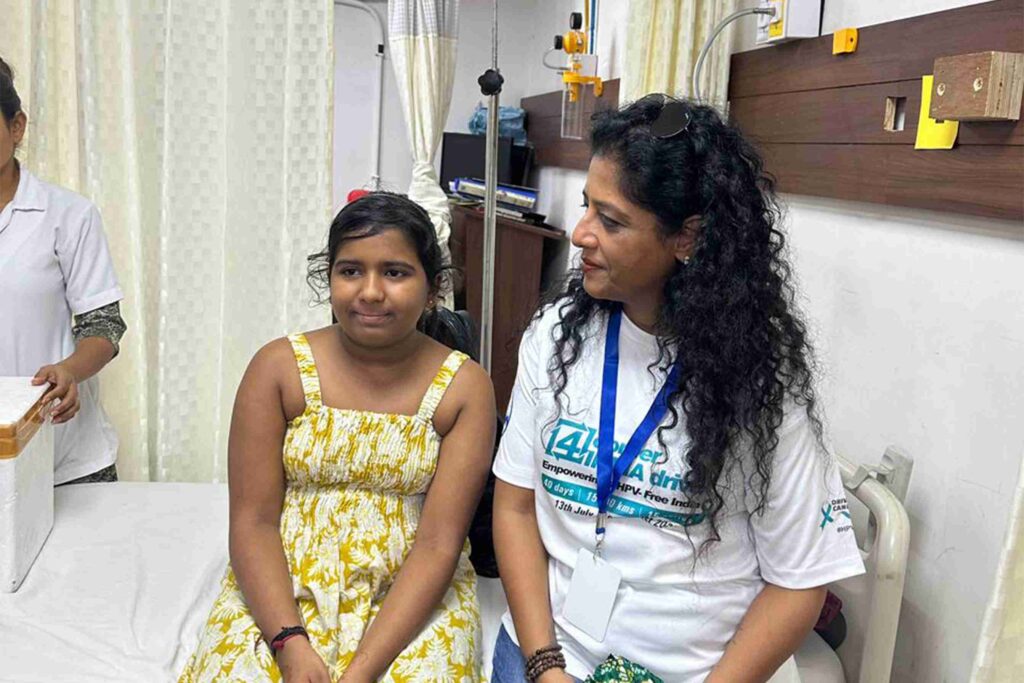
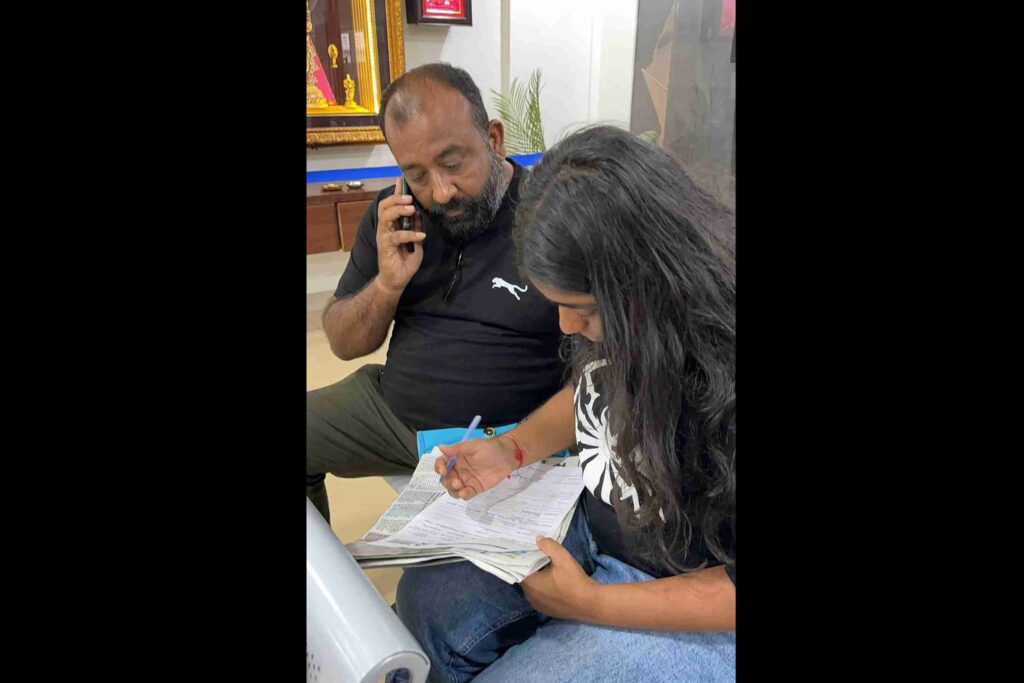
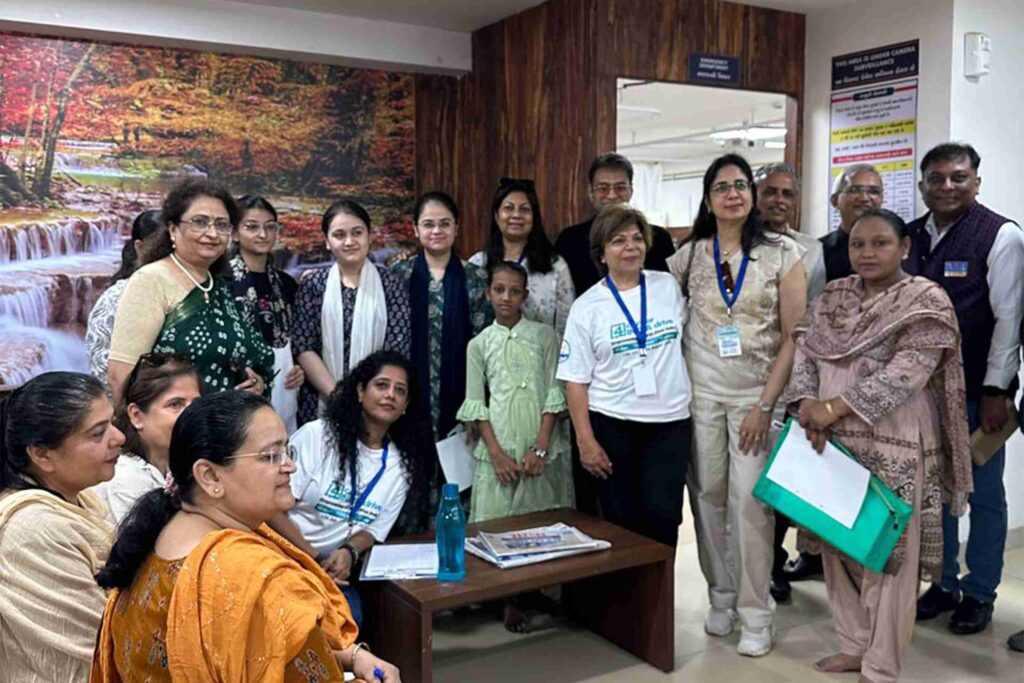
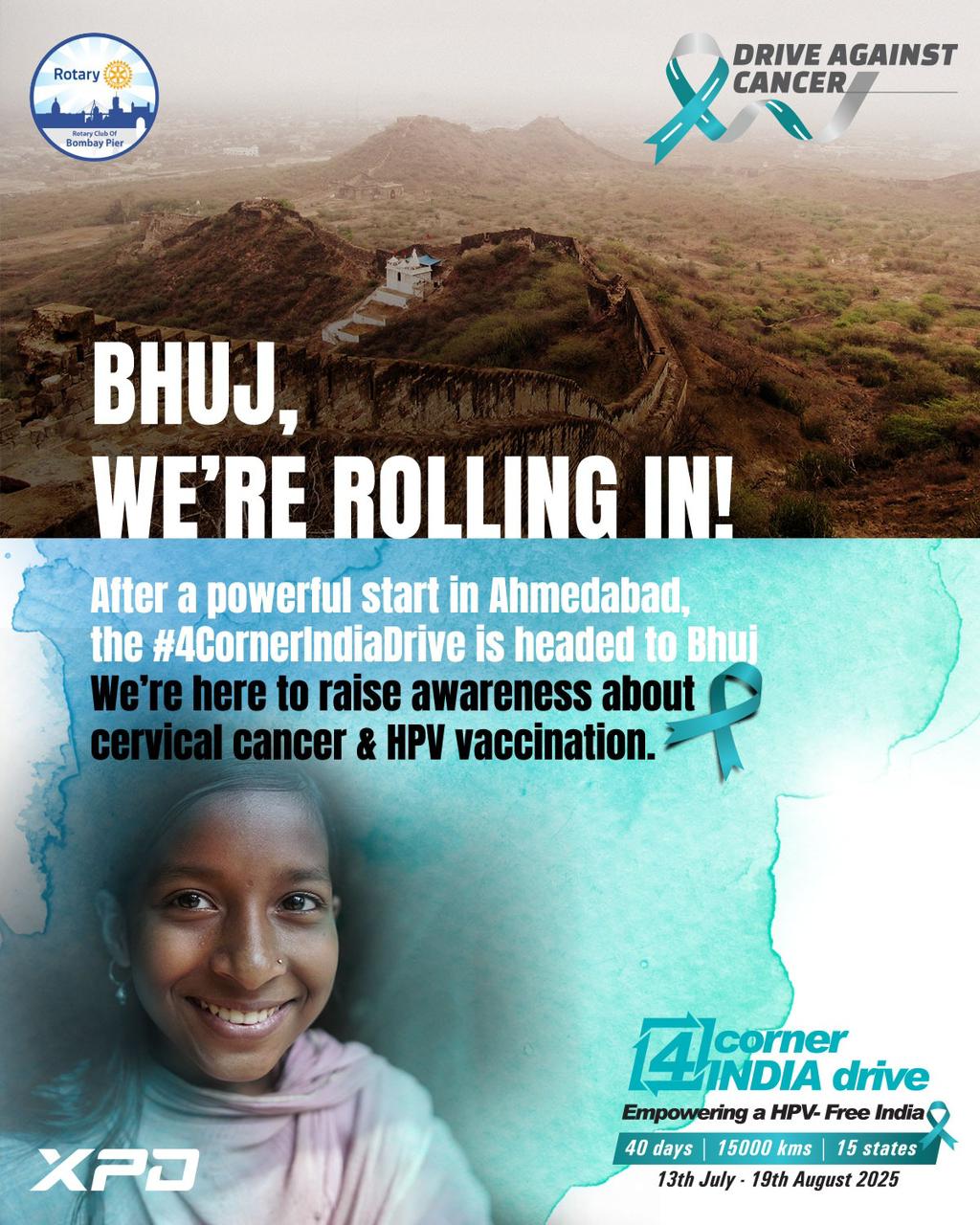
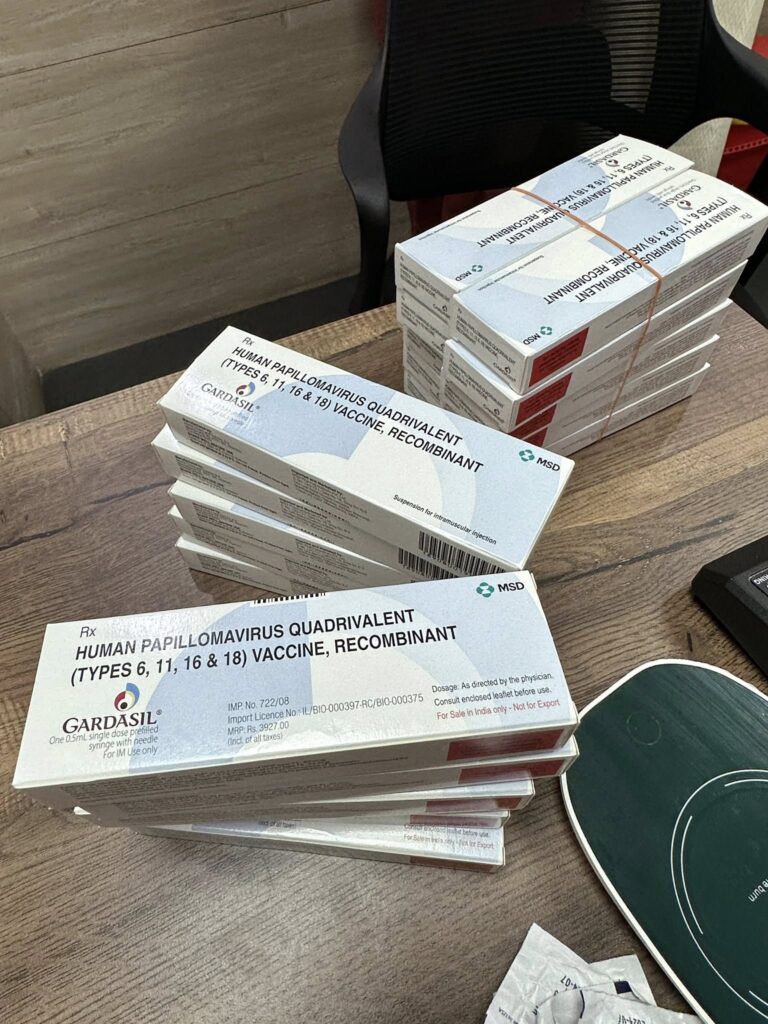
Kicked off the day with a powerful start..75 girls showed up for vaccination, though we could only cover 50, prioritizing the youngest. Dr. Tekhani, IVF specialist, led the charge. Brave faces, a few tears, but mostly pure grit…watching 50 girls protected in one go was deeply moving.
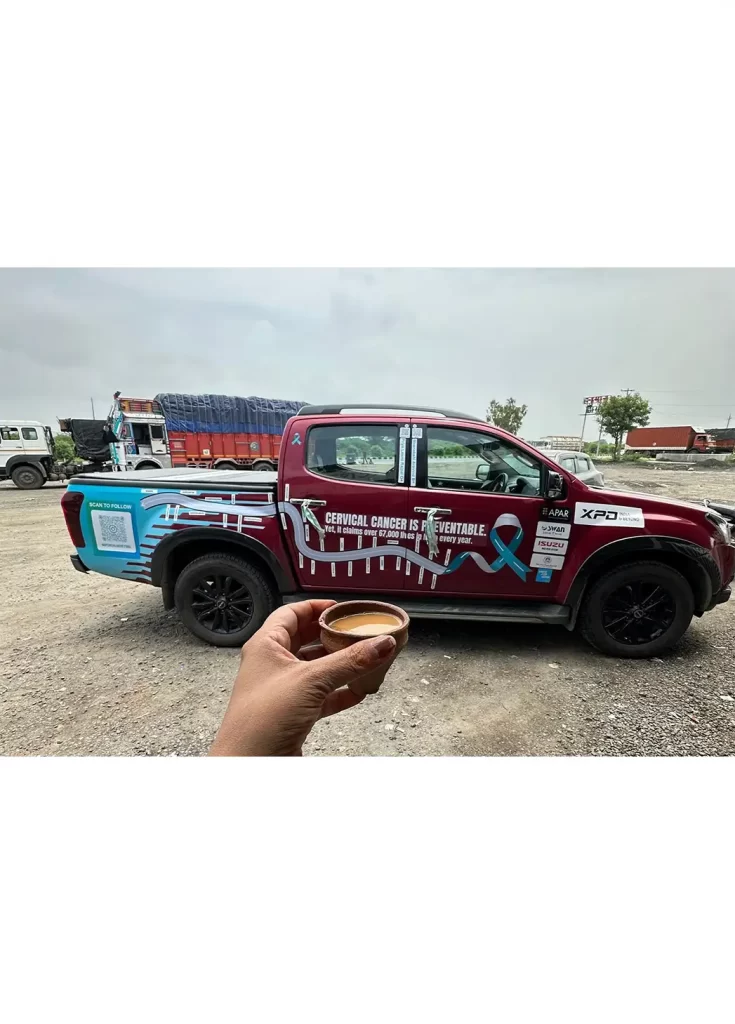
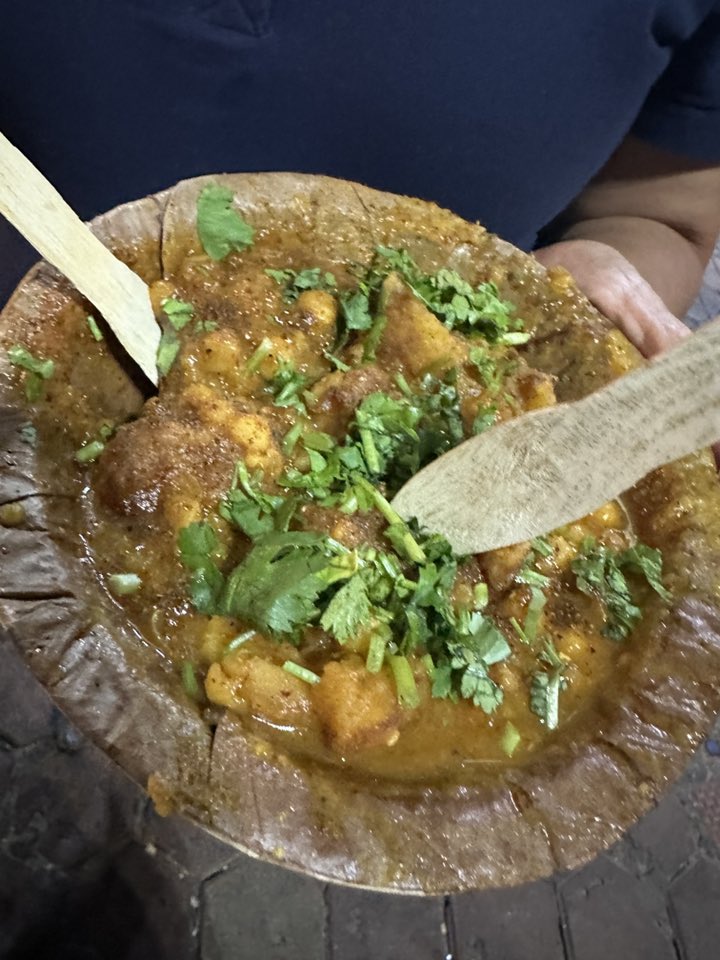
Post-camp, we got treated to a roadside tapri..fafda, jalebi, green chillies, some mysterious papaya pickle…all served on newspaper. Looked sketchy, tasted divine. Chai boiled to oblivion, just how it should be.
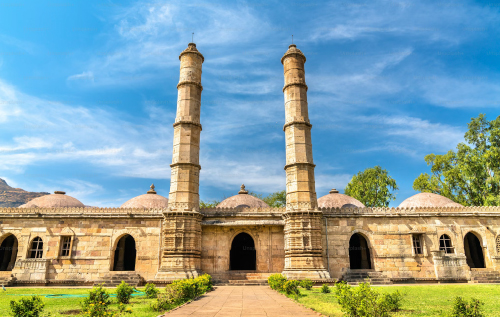
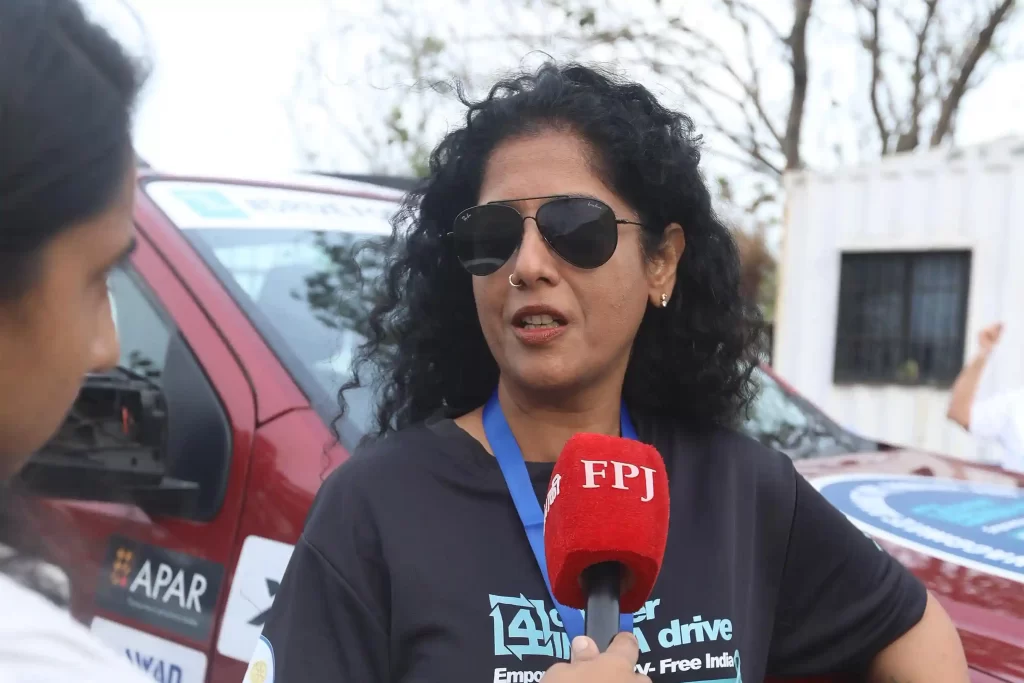
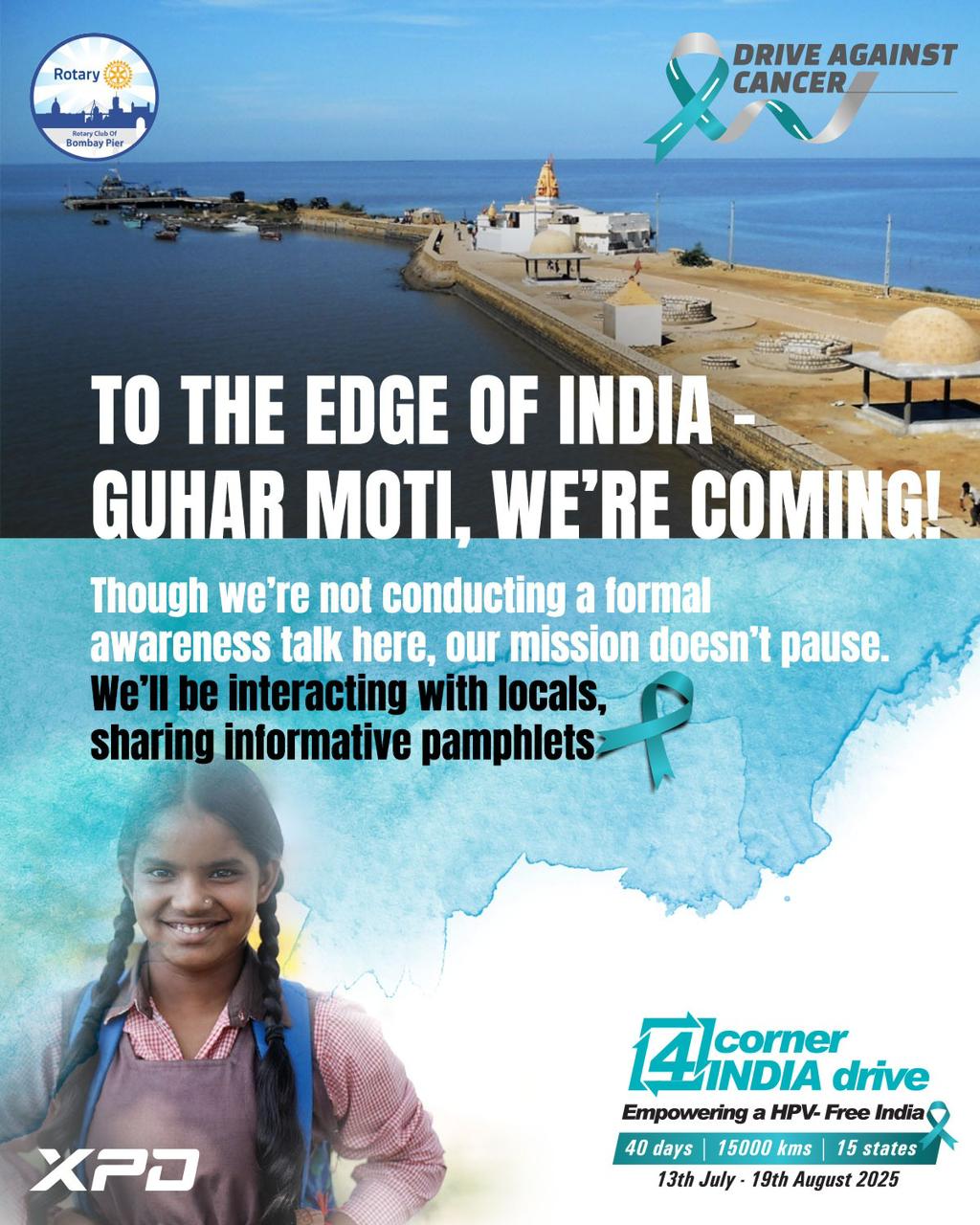
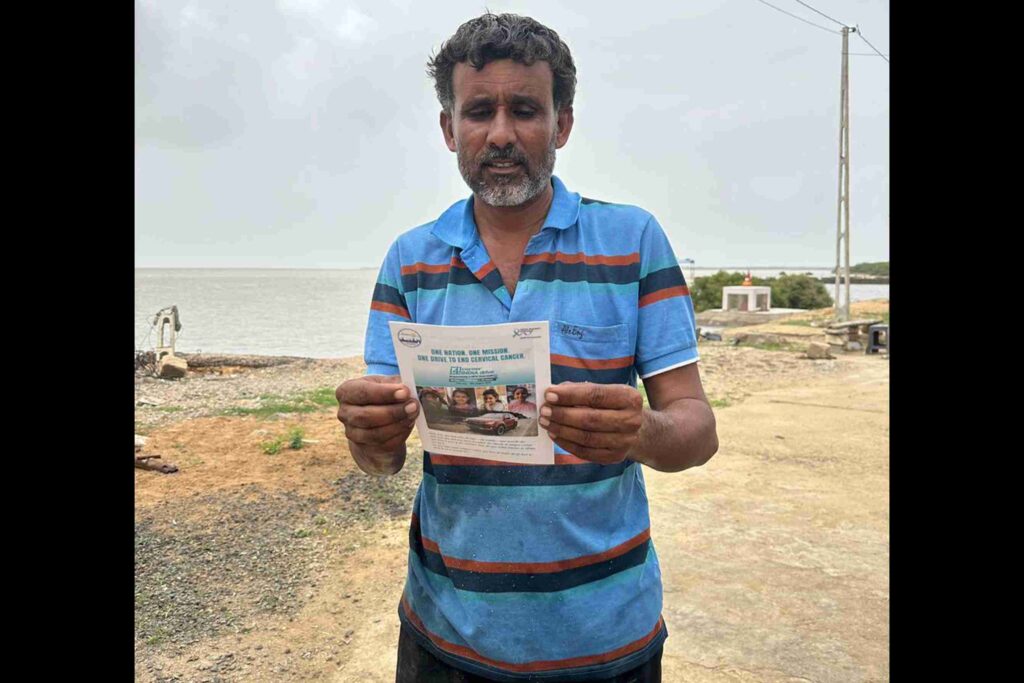
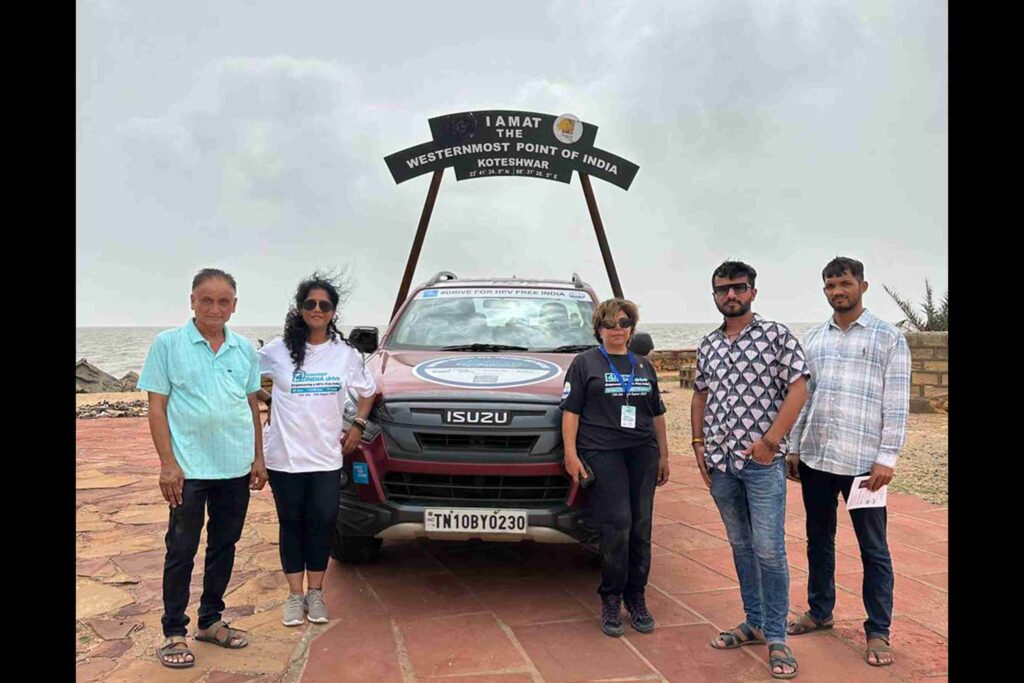
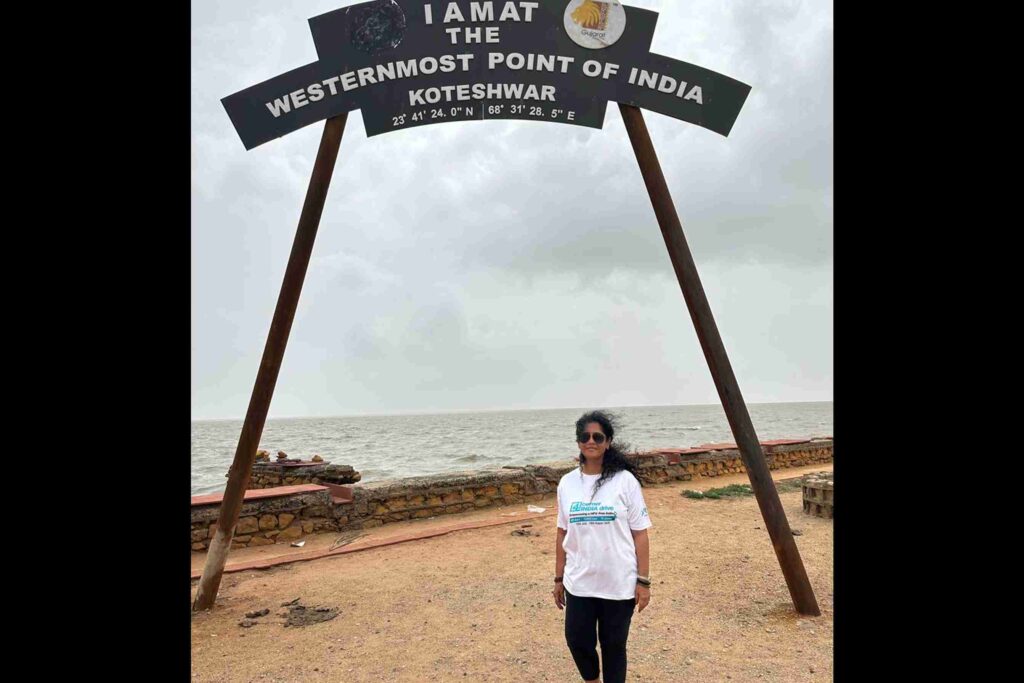
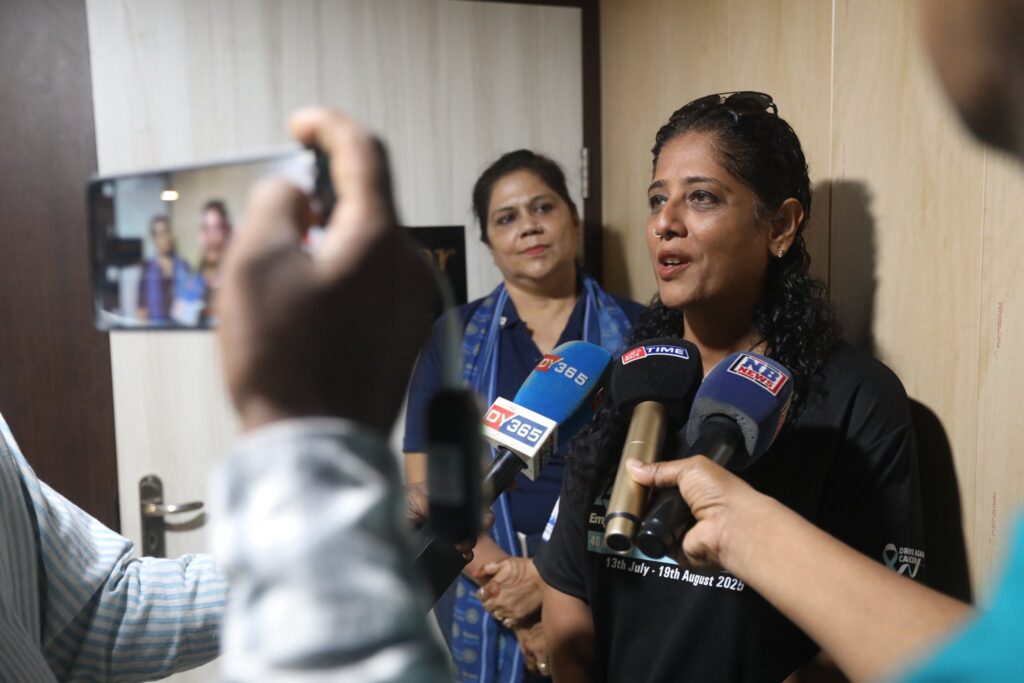
Next stop: Guhar Moti/Koteshwar, the westernmost point of India. First time there for me ..borders, BSF jawans, the marker, and that special feeling of standing at the edge of the country. Lucky to get waved through despite the cordon. Even got cornered by a curious reporter!
334 km today, blissful empty roads, zero truck chaos. Rounded off with local snacks & sweets packed for the road ahead. Back by 8 p.m.
Body tired, heart full. One corner down, three more to go.
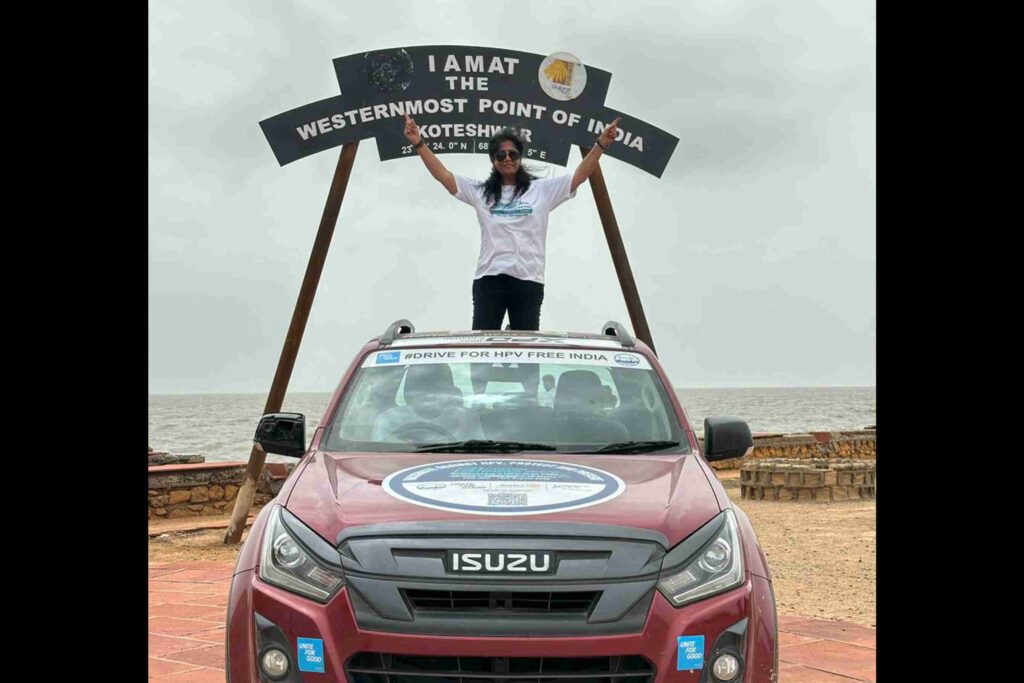
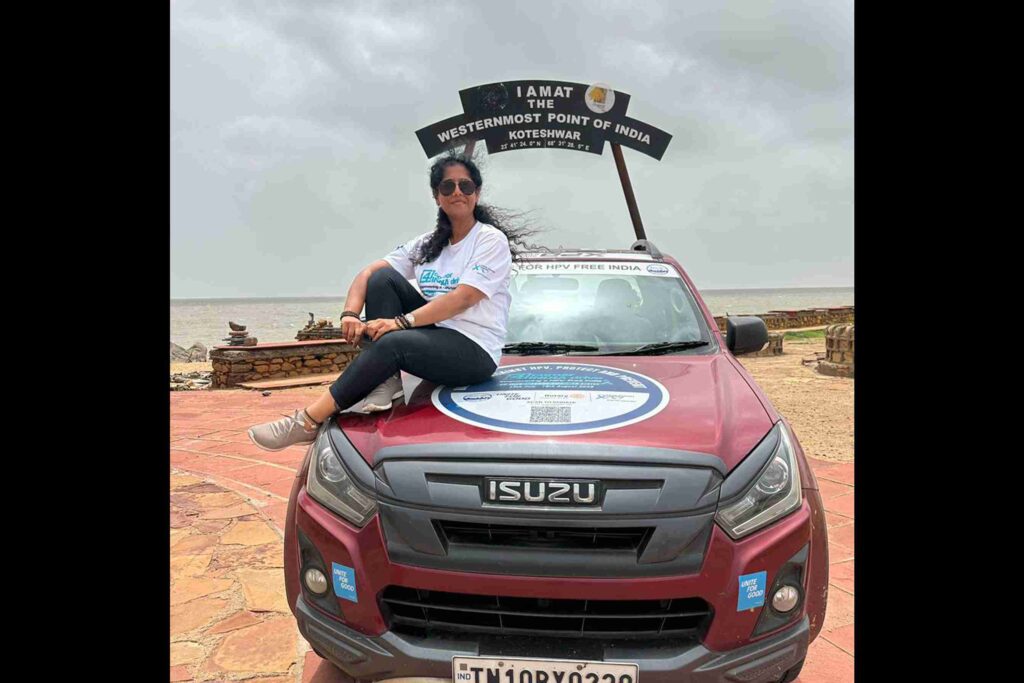
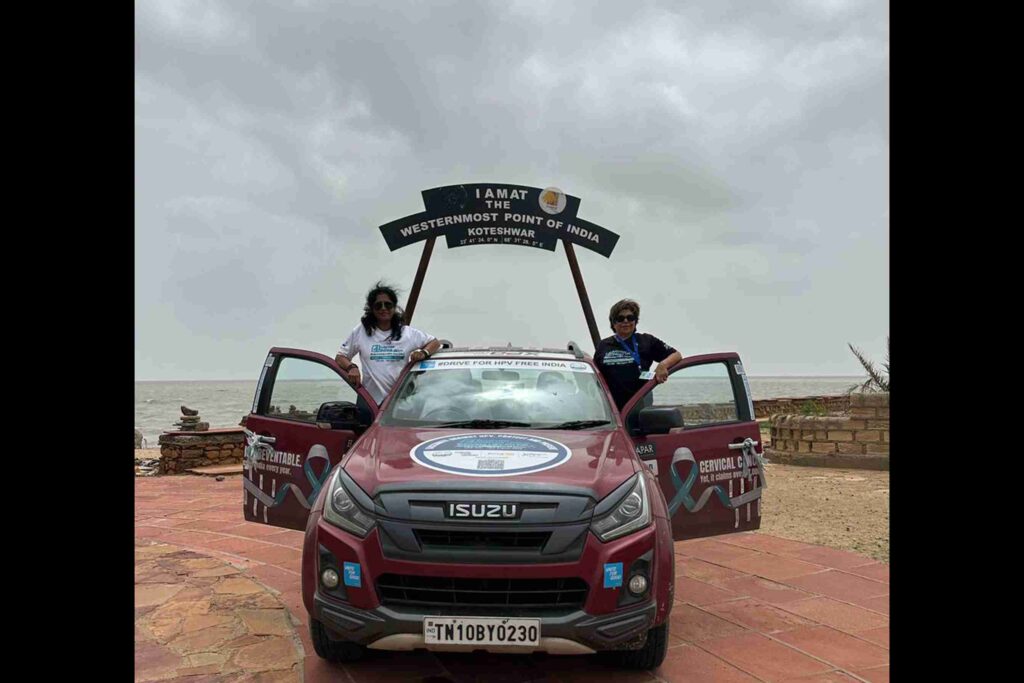
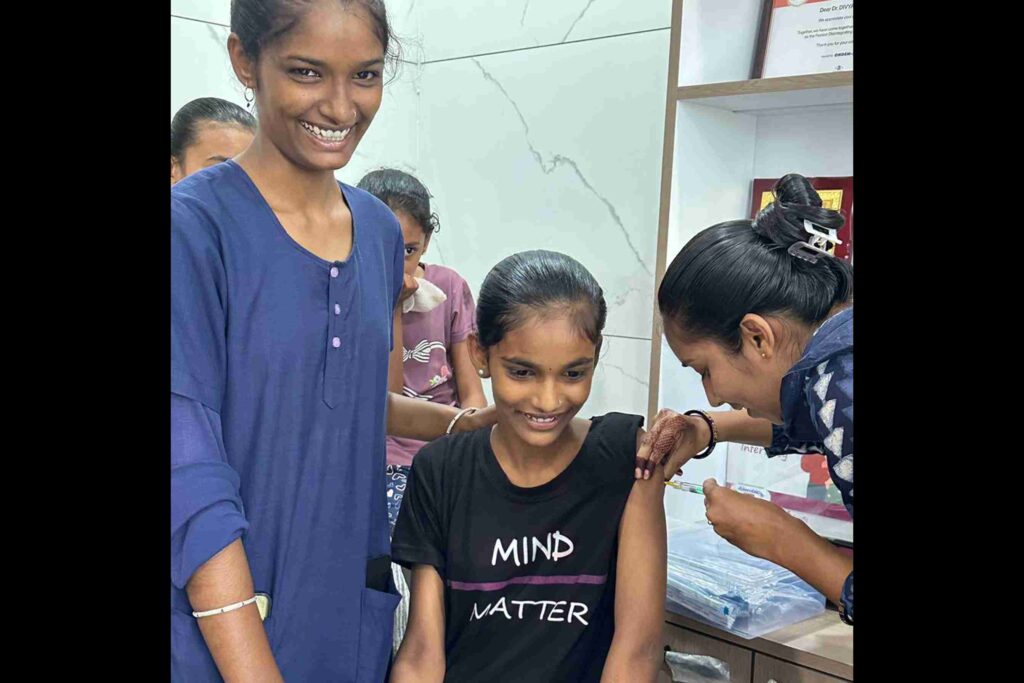
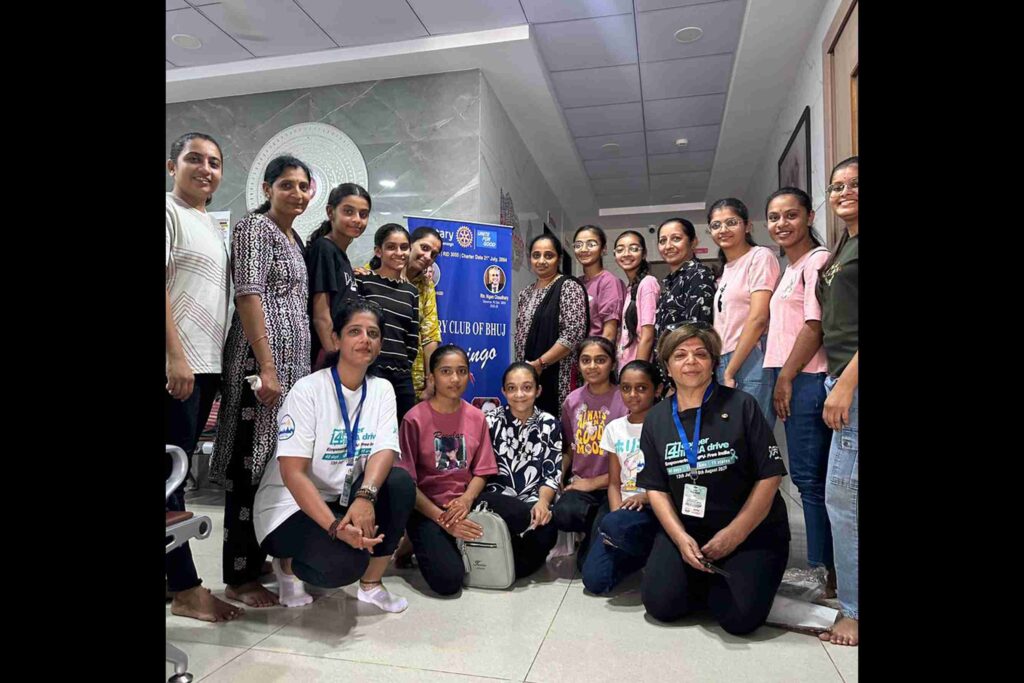
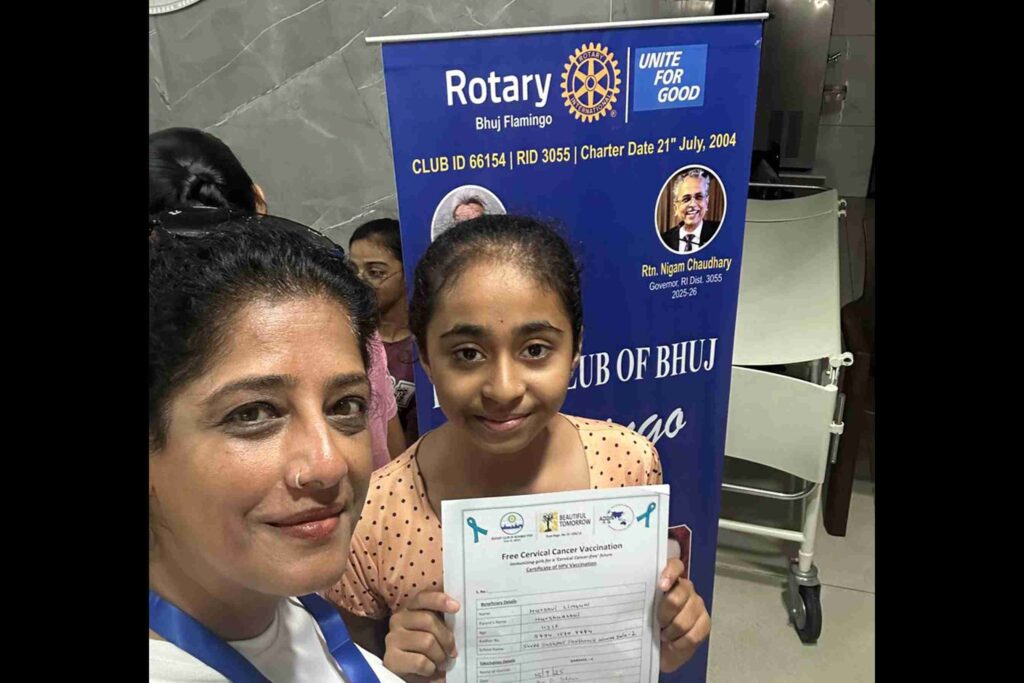

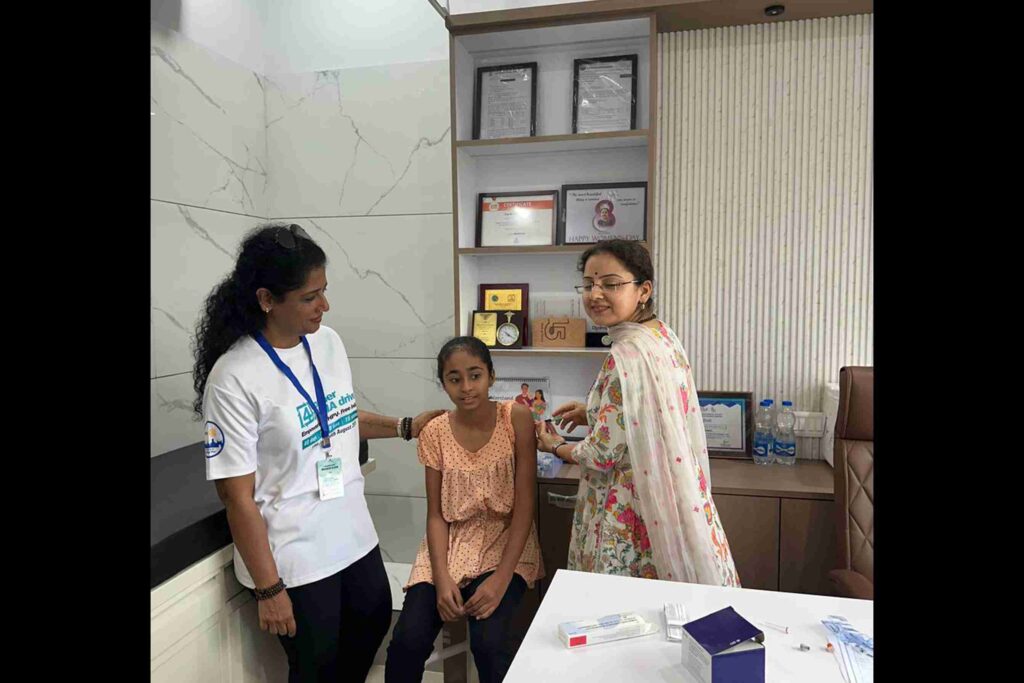
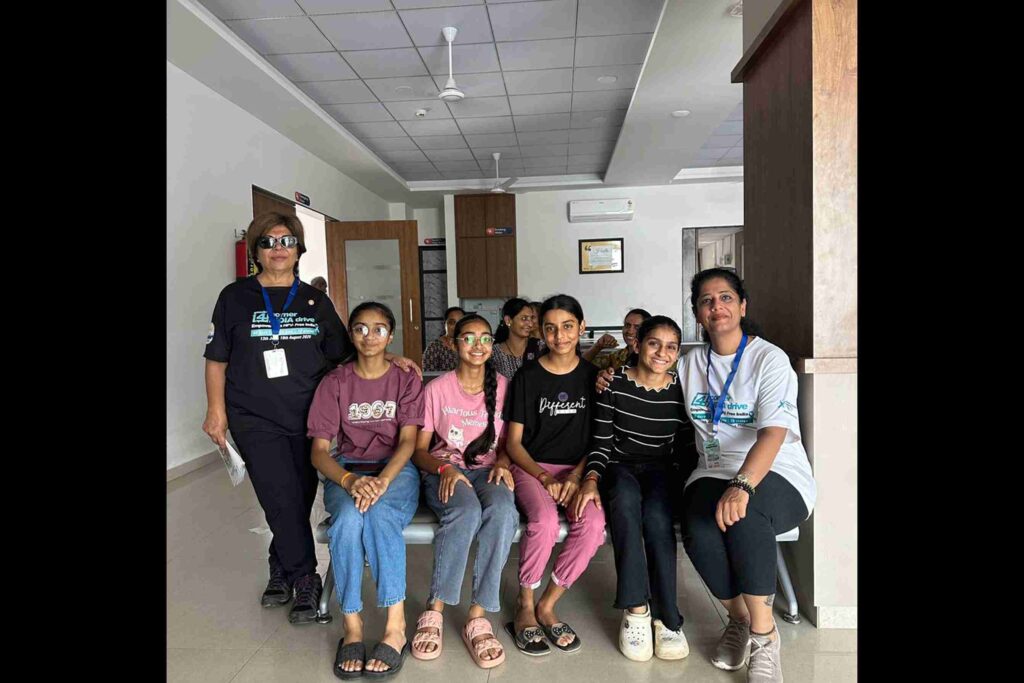
523 kms on the clock. Laal Pari’s now officially filthy — four days of dust, grime, and road scars. She’s earned a wash… tomorrow.
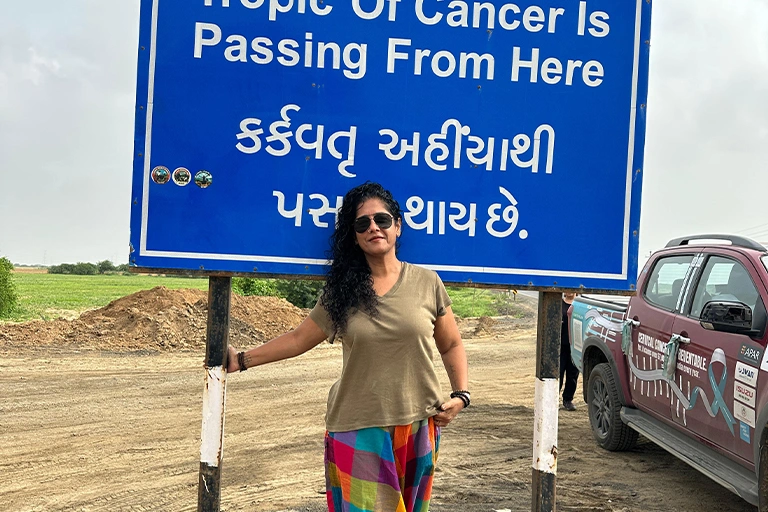
We rolled out at 8:10 AM, gassed up, first stop: Tropic of Cancer. Spotted it on the map after crossing the Capricorn in Namibia and Cancer in Myanmar. Filed it away, glad I did.
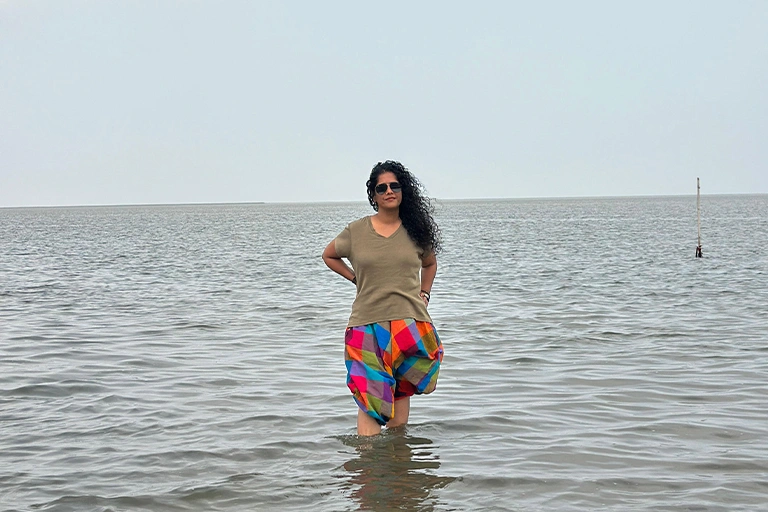
Next up: White Rann. Except… no white. Water everywhere. Off-season charm — hotels locked, streets deserted, no tourist bustle, just moody monsoon silence. Strange, stark, beautiful.
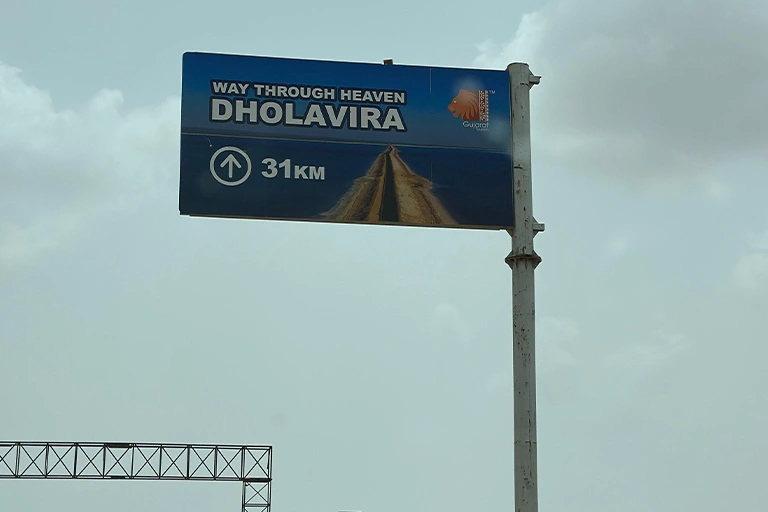
Then Dholavira. That iconic Road to Heaven? More like Road to Nowhere. Endless salt flats dissolving into sky. First time driving this stretch, it didn’t disappoint. Drone out, magic captured — can’t wait to cut it together.
Roads? Narrow, yes — but silky smooth. Barely any traffic. Every turn, every halt was a postcard moment.
Last stretch: Mount Abu. Quick Rotary stop at Abu Road — flag exchange, hospital visit, short HPV awareness talk. Small effort, big smiles.
Wrapped up at a random lodge in Mount Abu. Meh Wi-Fi, loud music next door — but who cares. Tired, happy, and tomorrow, we chase another sunrise.
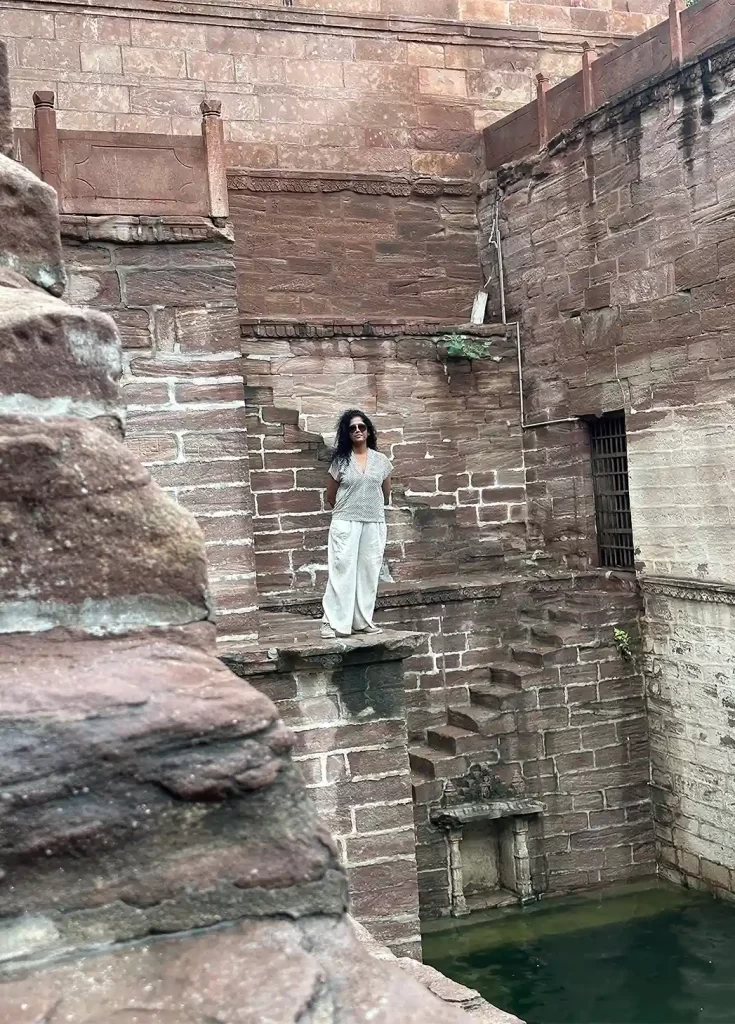
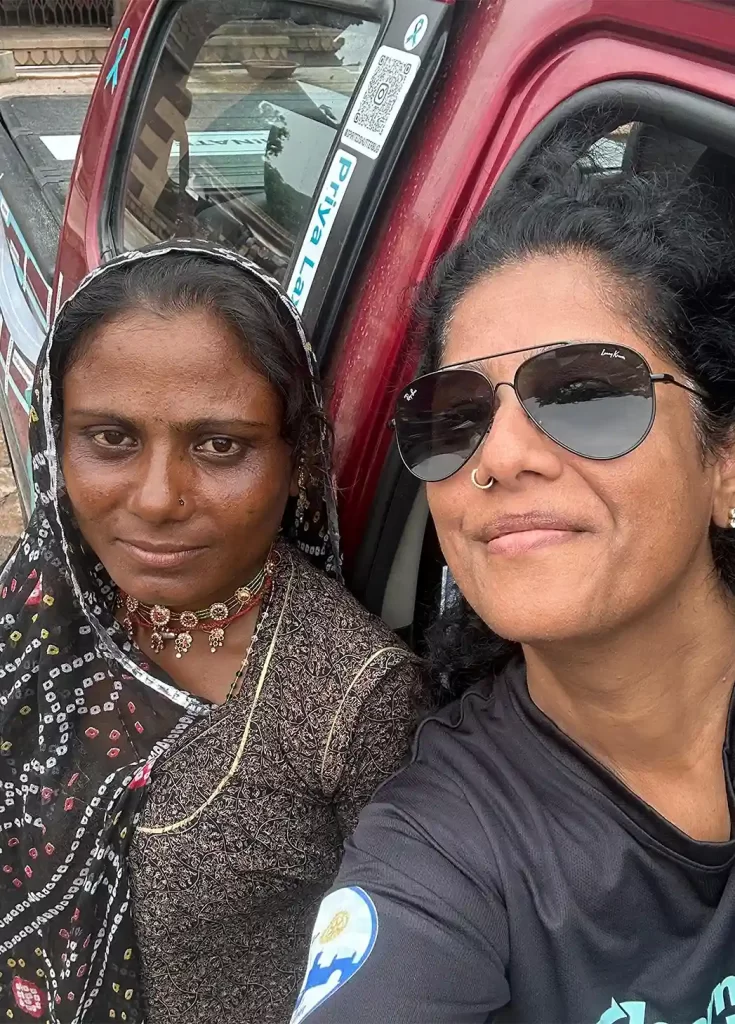
Mount Abu was a letdown..cluttered, dusty, more like a chaotic town pretending to be a hill station. We barely stayed an hour after we gassed up, before making a quick exit downhill, a short 25-30 minute drive back to the plains.
The highway to Jodhpur was a breeze: smooth tarmac, light traffic, and we rolled into the Blue City by 2 p.m.
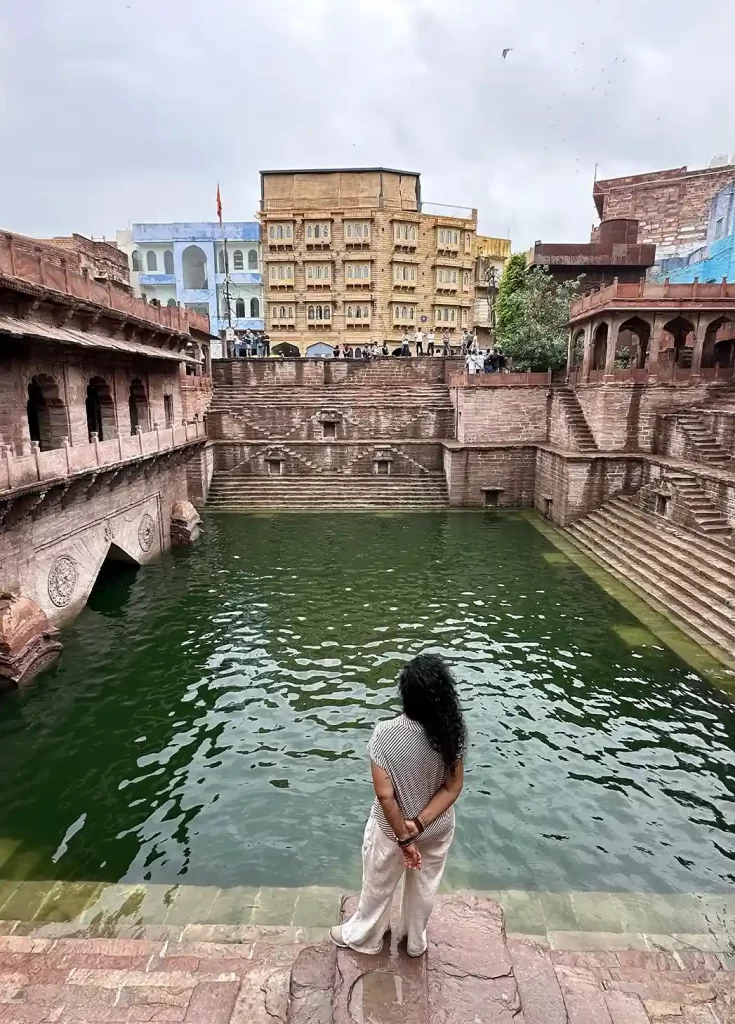
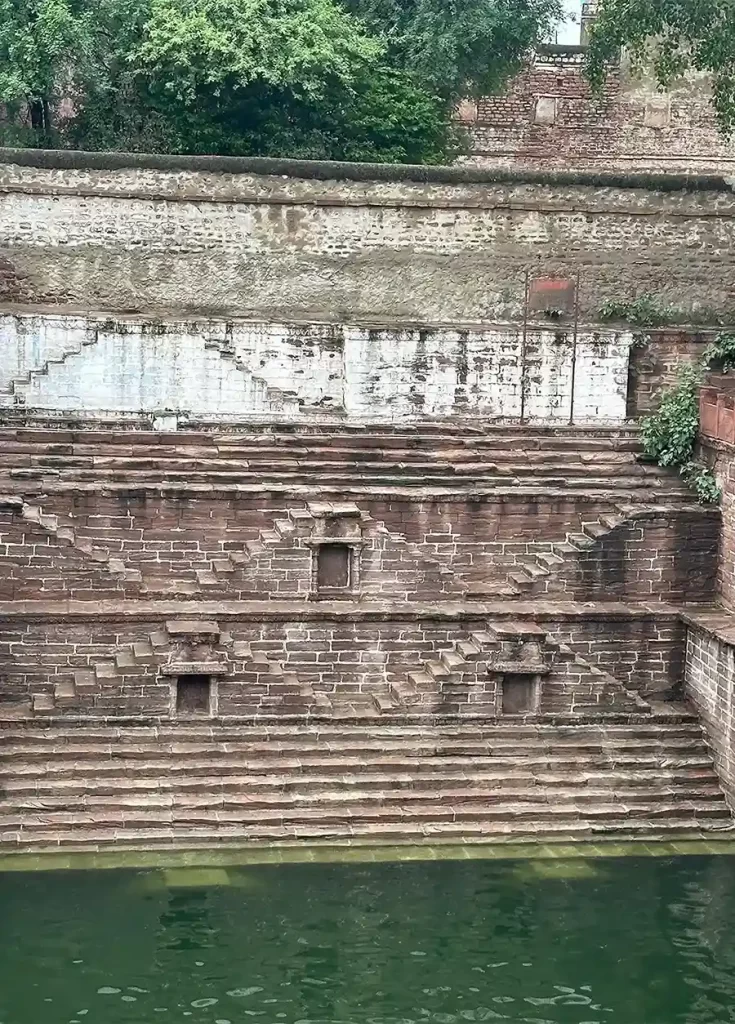
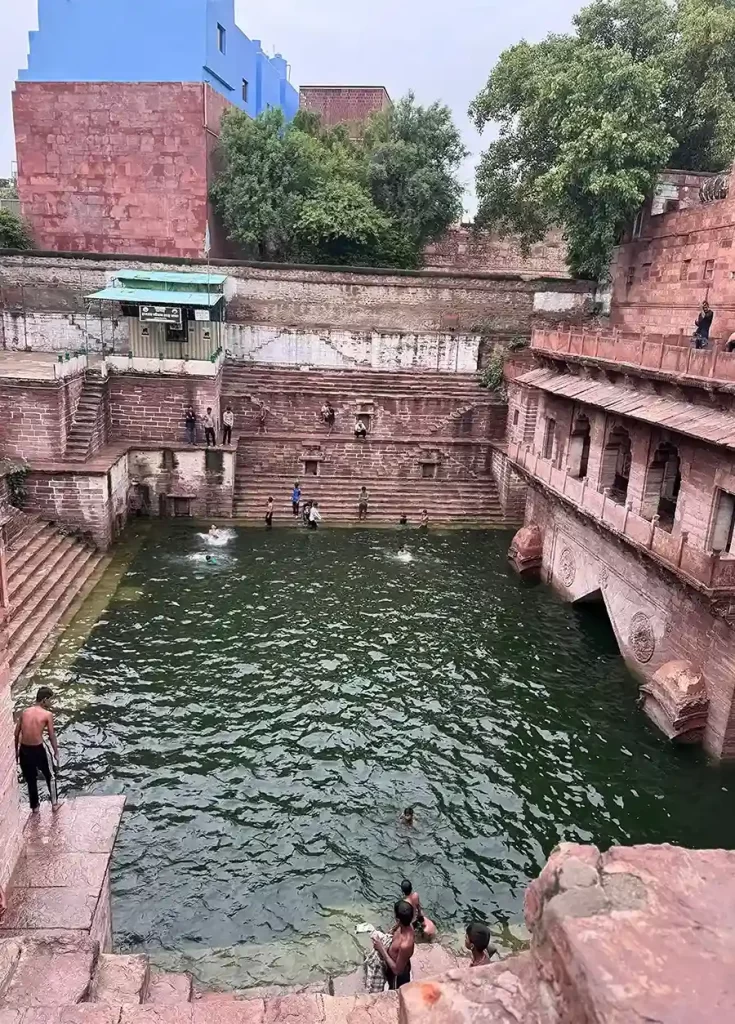
Toorji Ka Jhalra, a stunning 17th-century stepwell. The place was alive with at least 6 dozen boys fearlessly diving into the well below, from impossible heights. I chatted with a few, and they even did some jumps just for us. Honestly, I was so tempted to leap in too .. maybe not from the top, but at least from the lower ledges. But not a single woman in sight, and I knew I’d cause a spectacle if I tried.
Turns out, the diving isn’t exactly legal, a few tragic accidents, especially with kids, and cops showed up out of nowhere and within seconds, the entire stepwell emptied out like magic, leaving us with an eerie, beautiful calm, perfect for some photos.
Lunch was at RAAS, and my god, the baingan bharta was unreal, the kind you remember for a long time.
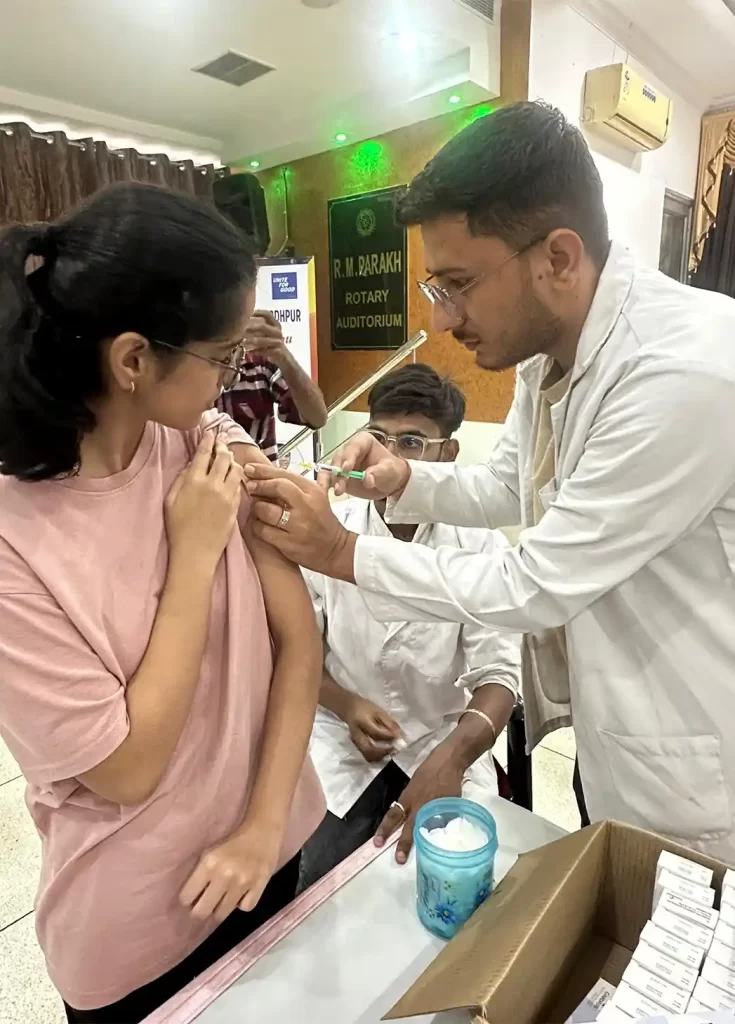
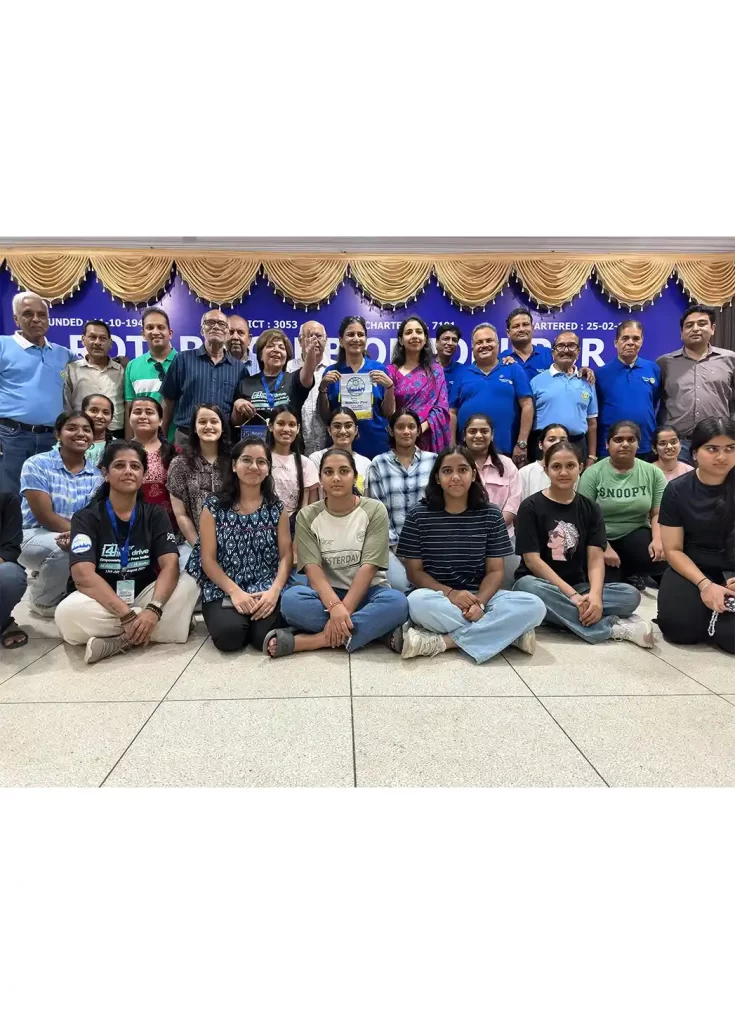
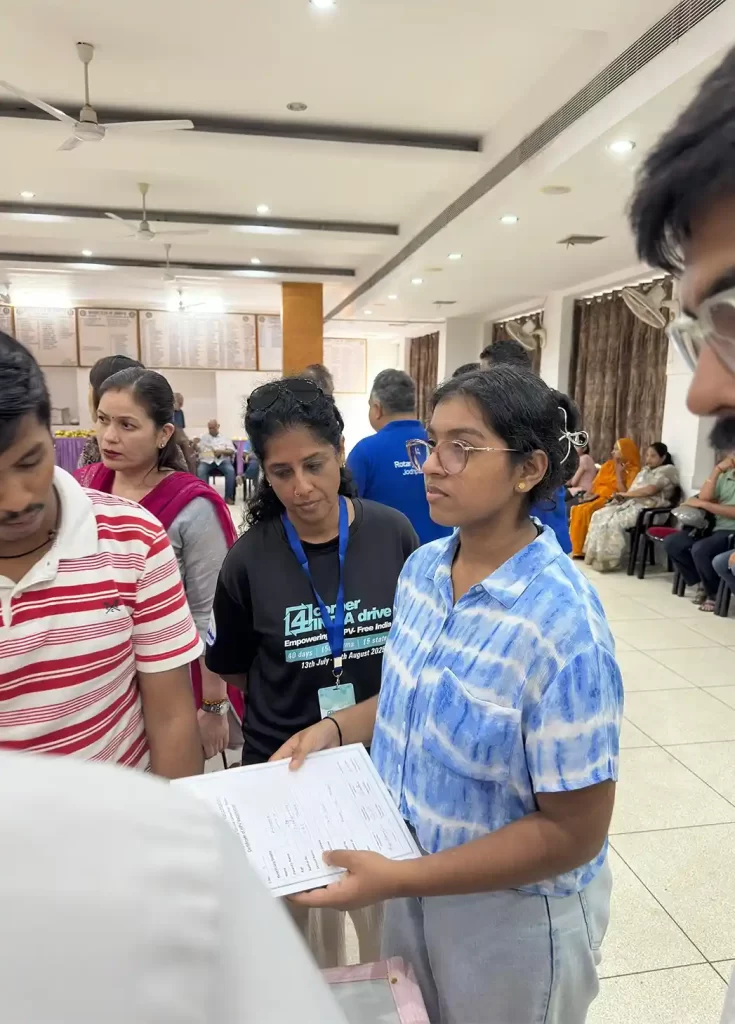
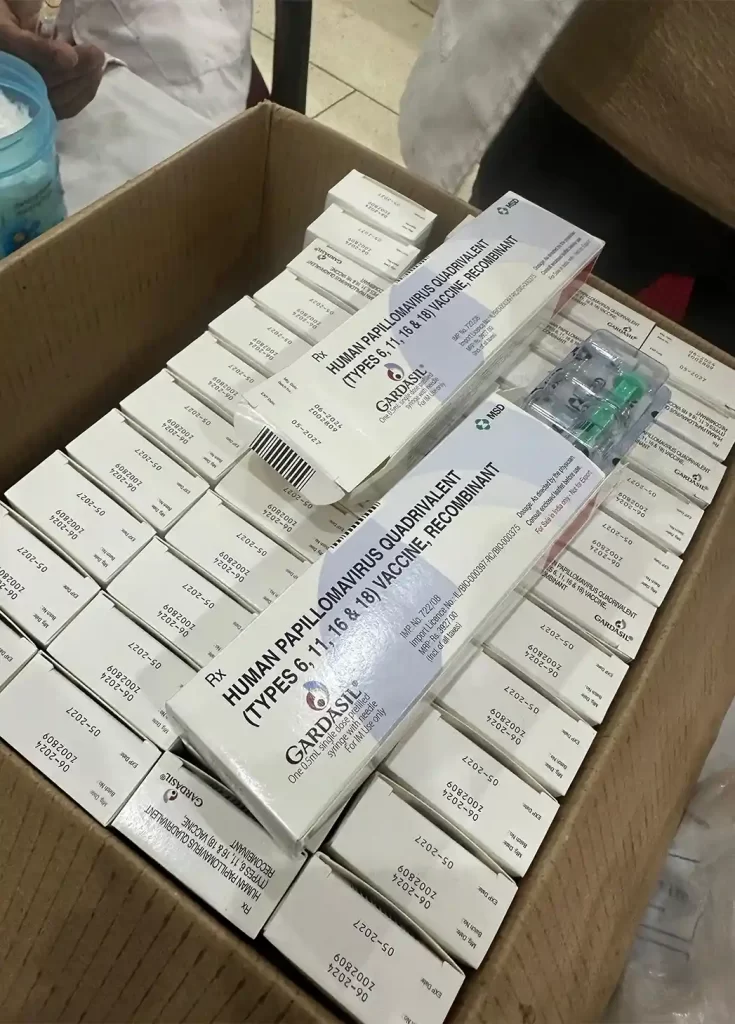
By 4:30 pm, we were at the vaccination drive organized by the Rotary Club of Jodhpur, one of India’s oldest. They had everything perfectly set up: 75 girls waiting, a mini rally of 20 cars, police escort, banners, everything. It was so heartening to see another 75 young girls protected from a cancer that doesn’t need to exist anymore.
Leaving Jodhpur and the lovely hotel wasn’t easy.
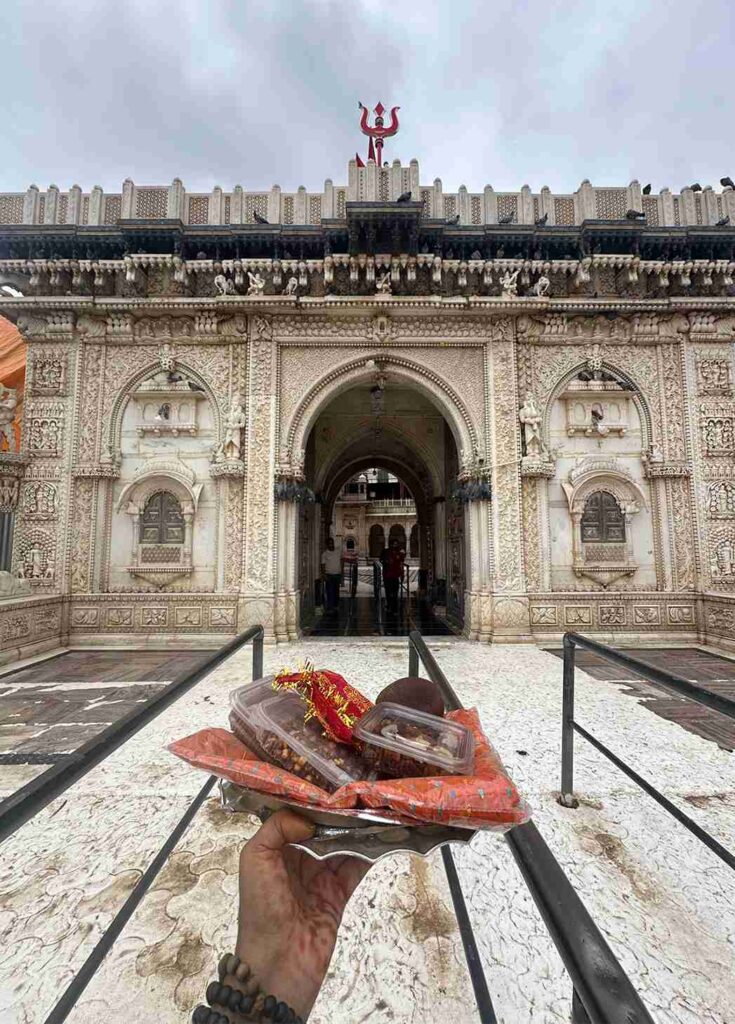
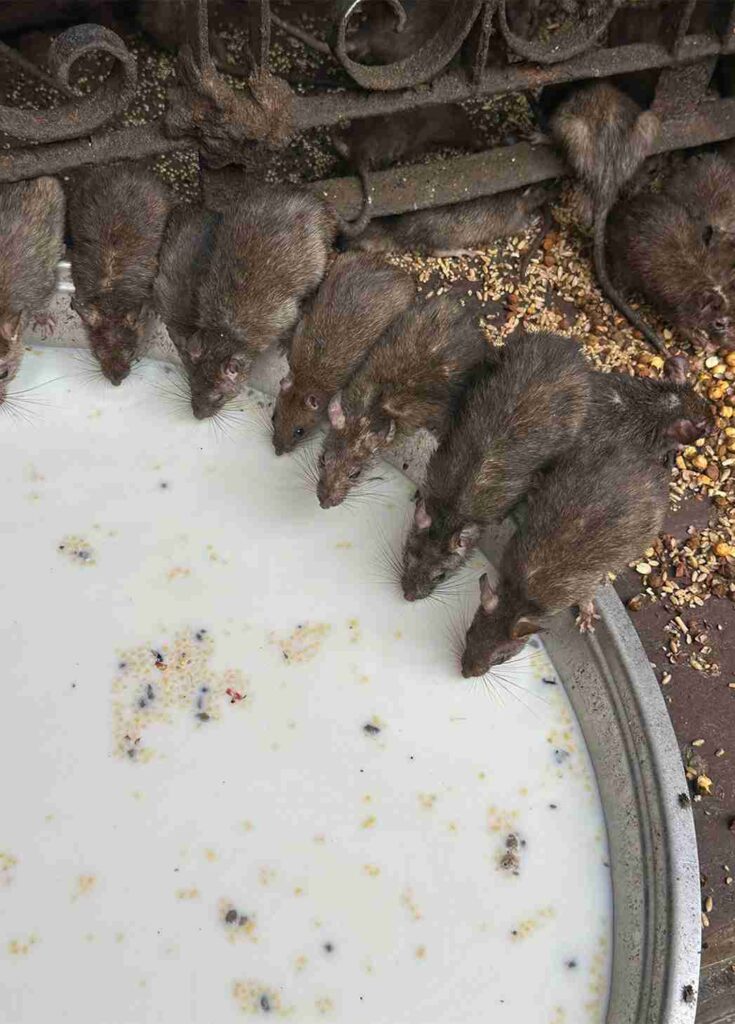
I had been wanting to visit the Karni Mata Temple near Bikaner for decades now, the famous rat temple. Honestly, it was… intense. There’s devotion, history, and legend in every corner, but walking barefoot with hundreds of rats running around? Not my comfort zone. I was properly anxious in there. I rushed in and out as quickly as possible.
The mood lifted thanks to our stash of sweets, friends had loaded us up with a mountain of mithai, including an insanely good Ghevar. Our car now officially doubles as a mobile sweet shop. Nothing beats the love people show through food. Love through food is unmatched .. and my waistline agrees.
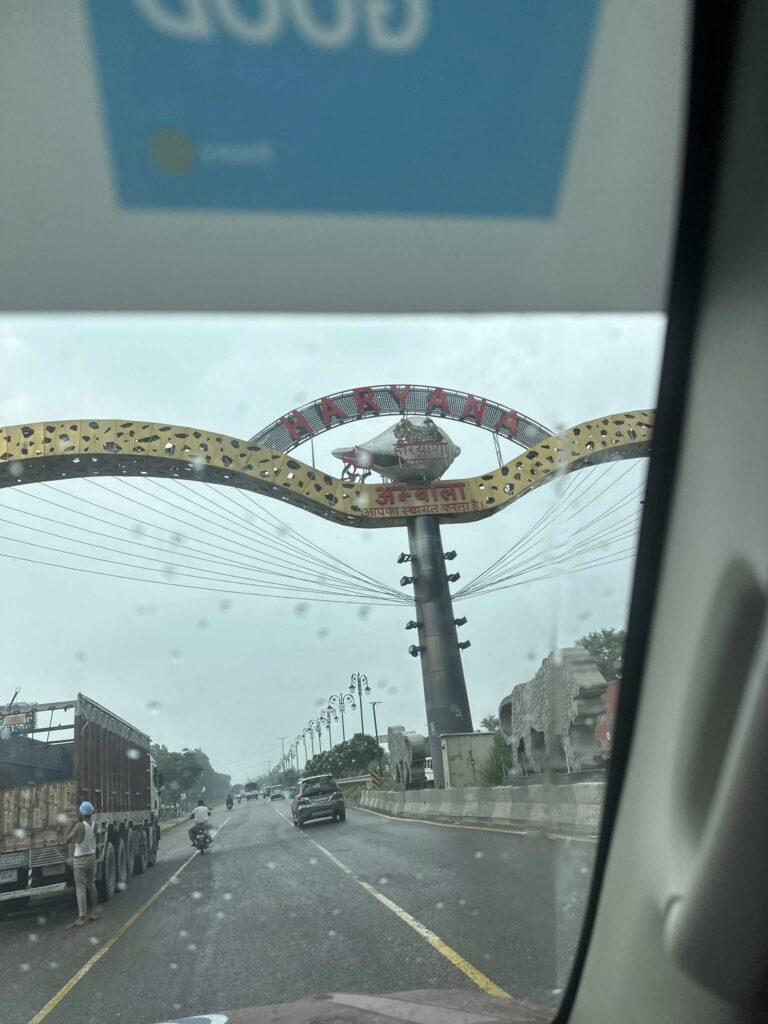
The rest of the drive was a dream, 400 km of flawless expressway. We cruised at 120-140 km/h, barely a soul on the road except the odd cow or dog. We zipped through Haryana, a brief cameo, before hitting Punjab, our fourth state. Rolled into Bathinda by 5 pm.
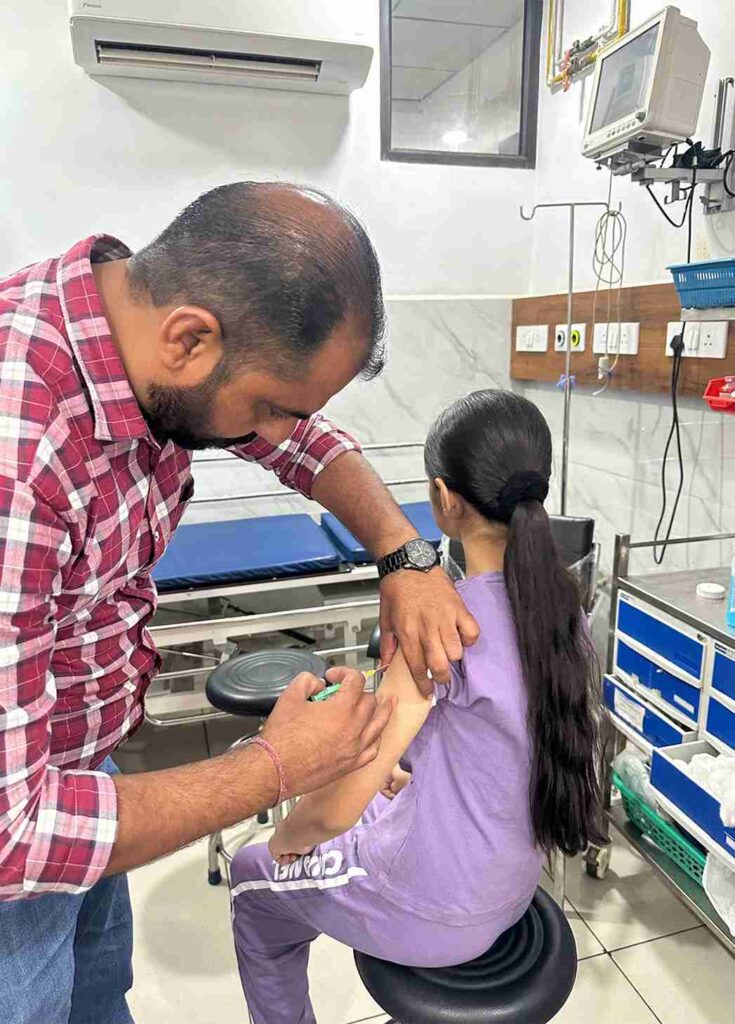
50 girls were vaccinated for free at the City Hospital.
Highlight of the day? A “Distinguished” Rotarian asked if I was a salaried driver. Biting back a scalding reply, I told him,.. Nope… I’m on the road for 38 days, not for a paycheck, but because preventing cancer kinda matters. Some people just can’t process the idea of driving for purpose.
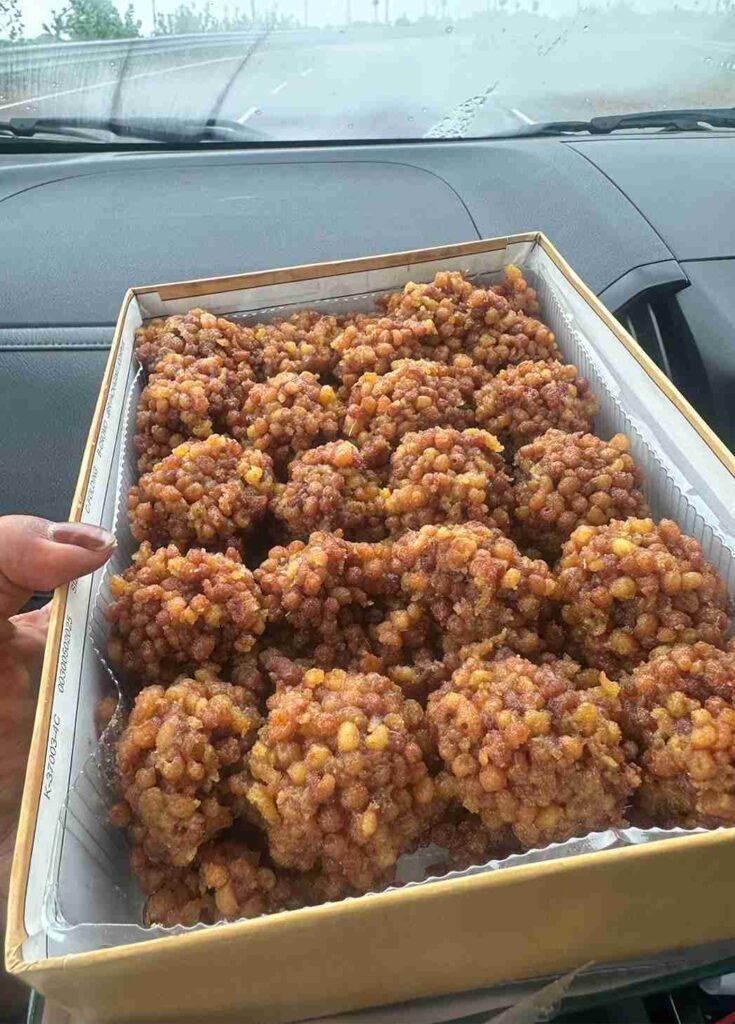
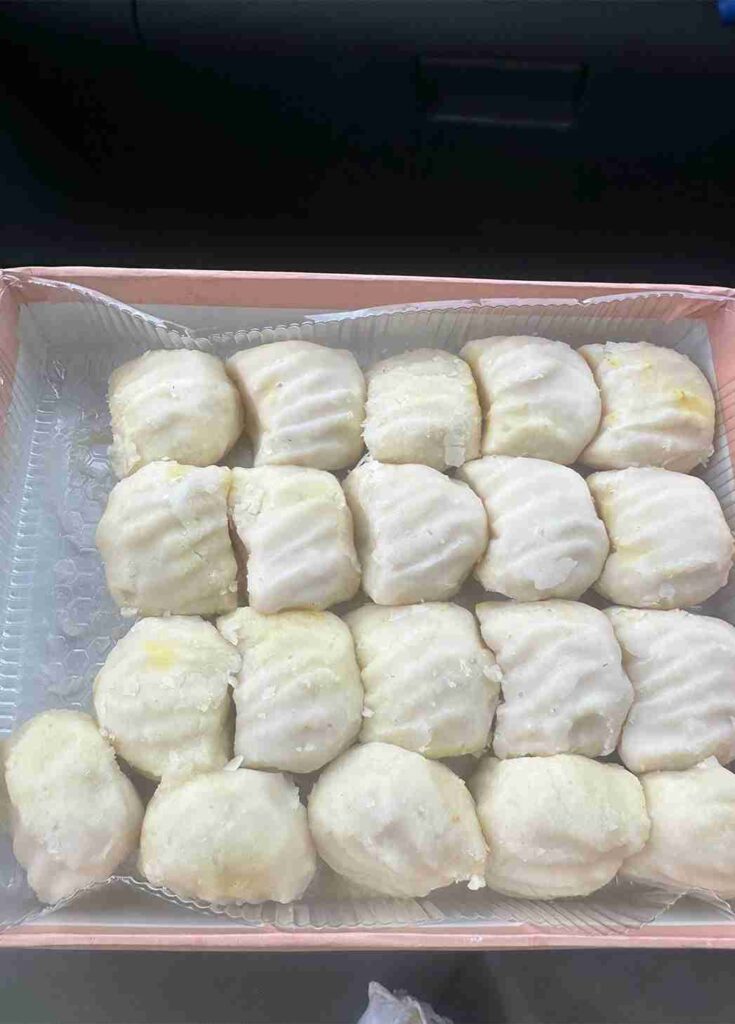
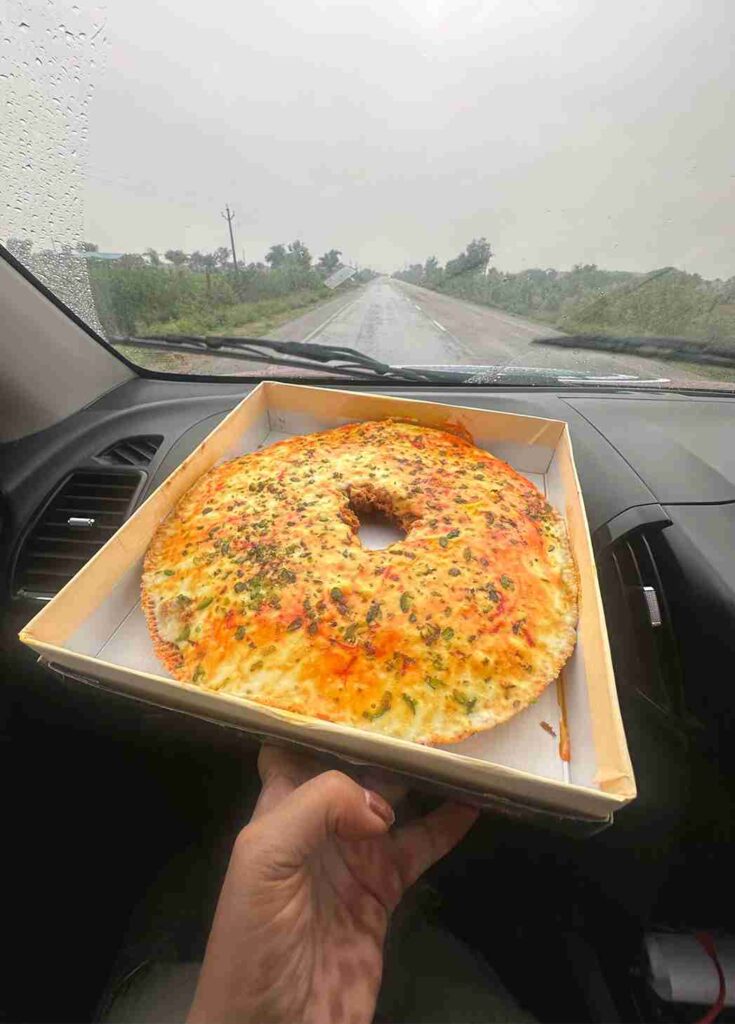
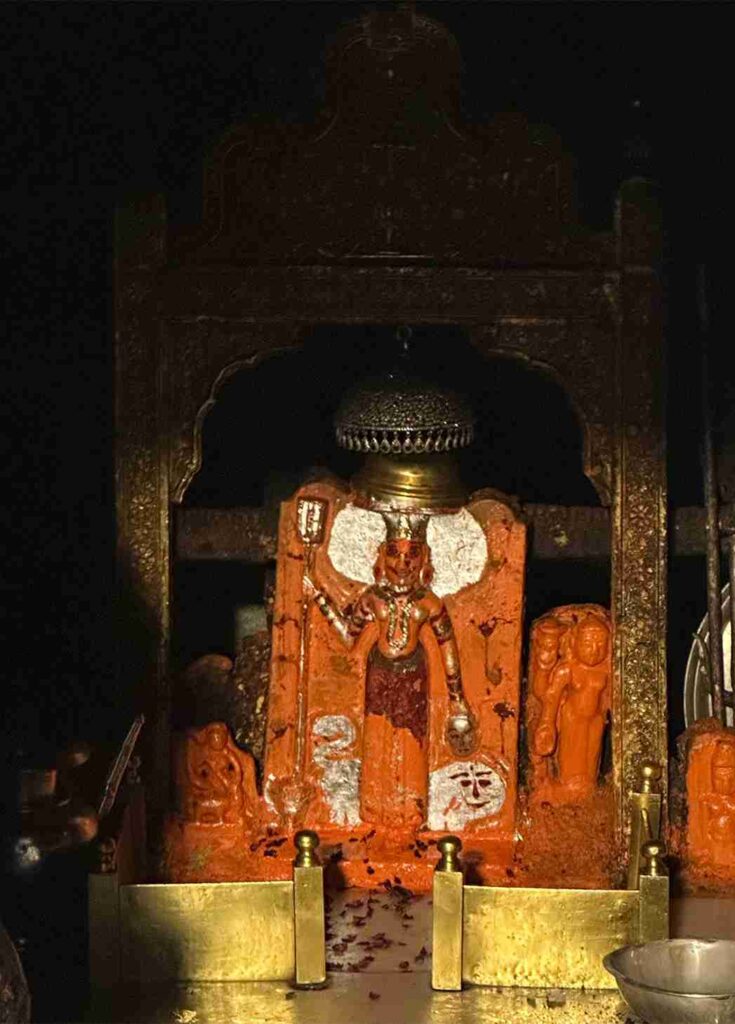
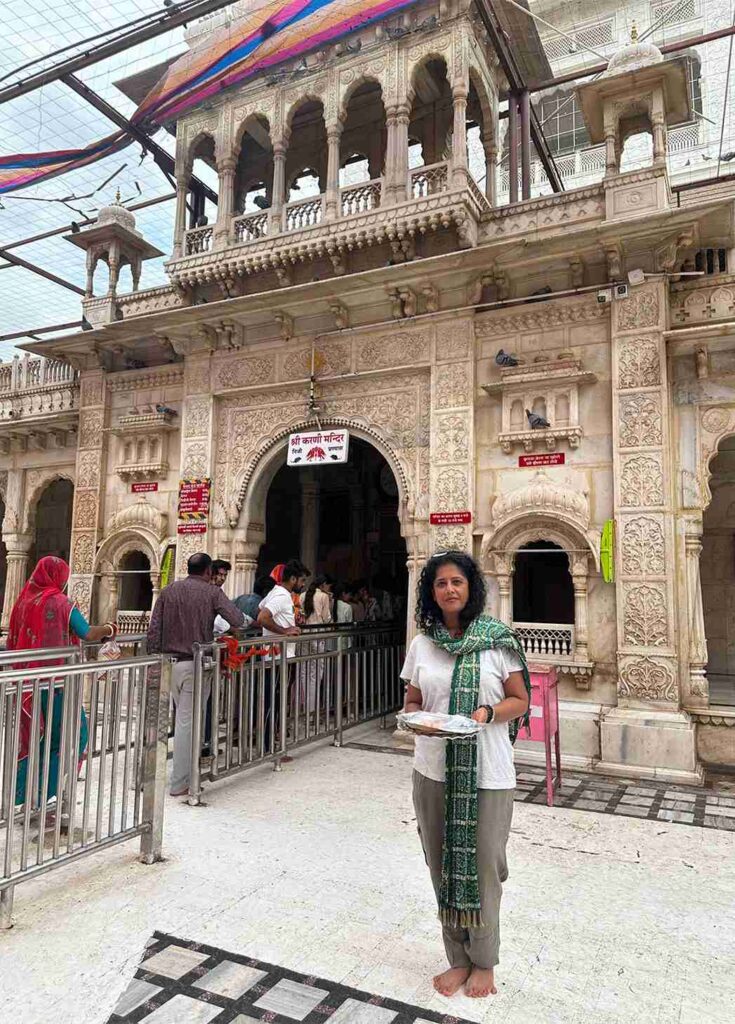
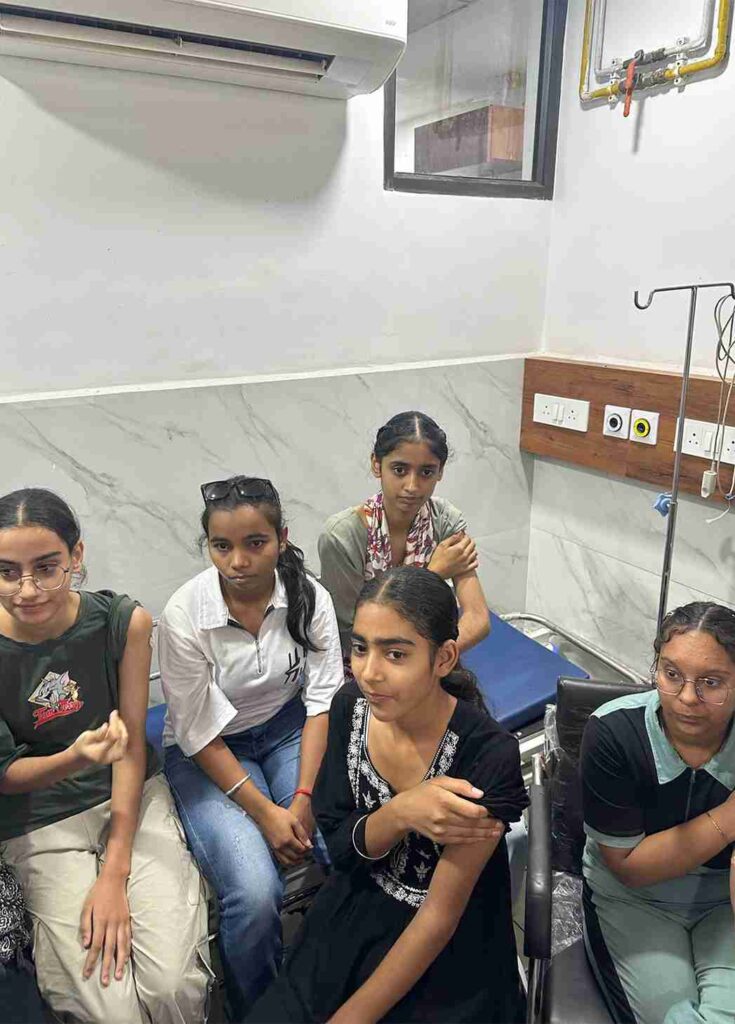
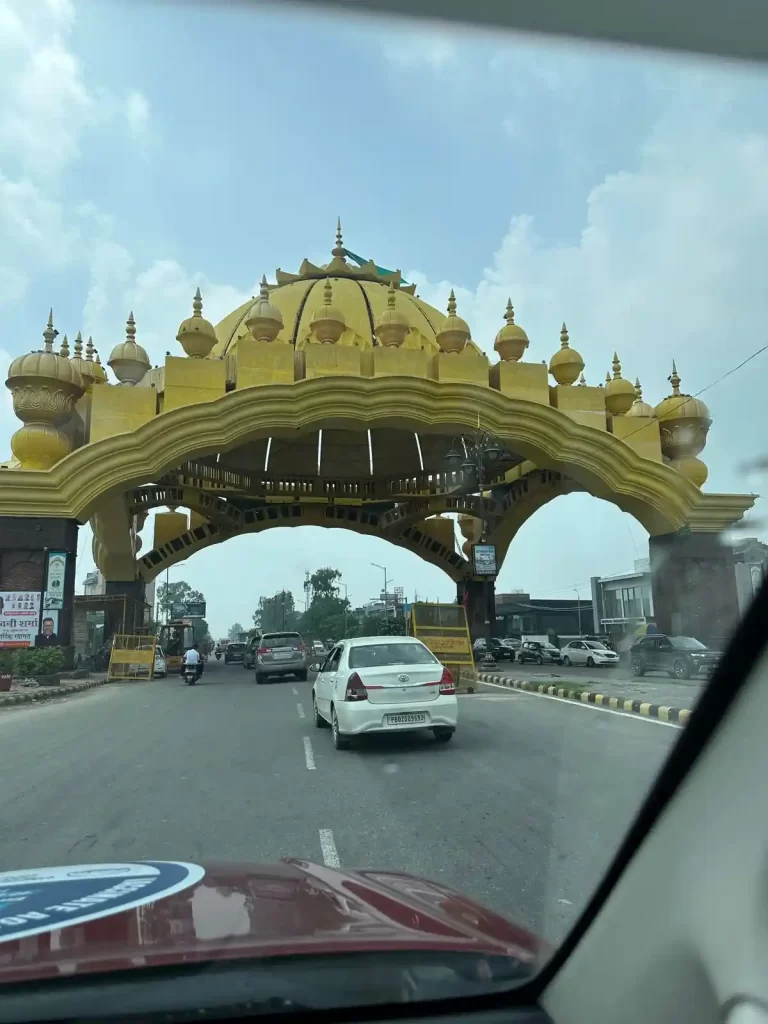
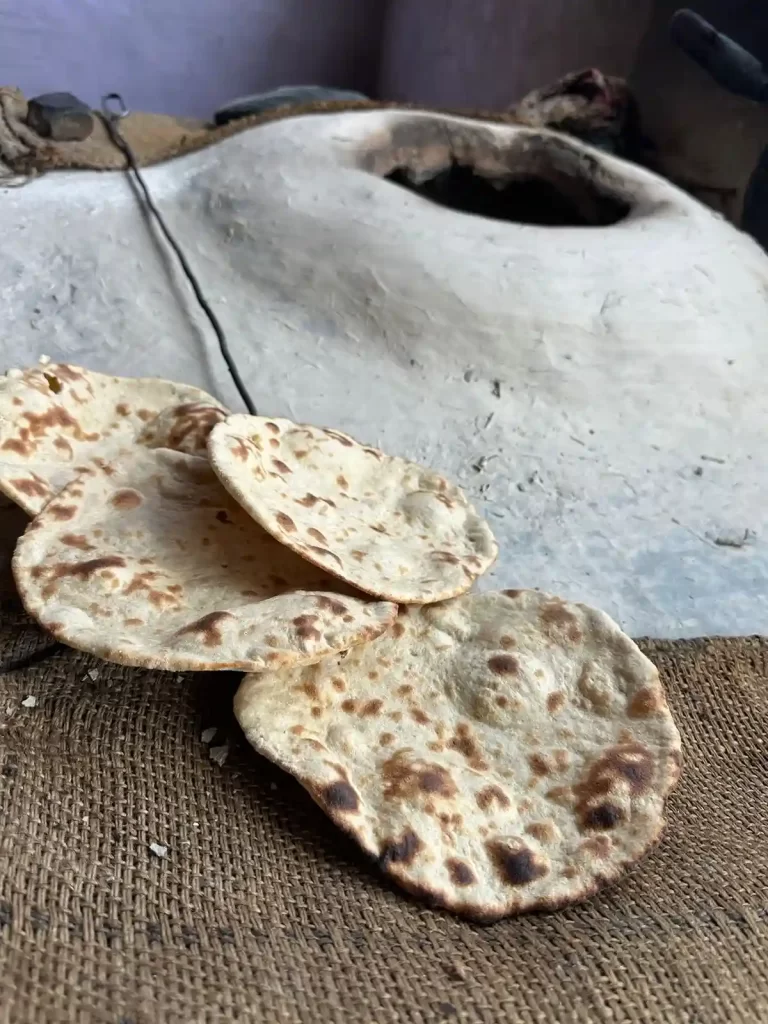
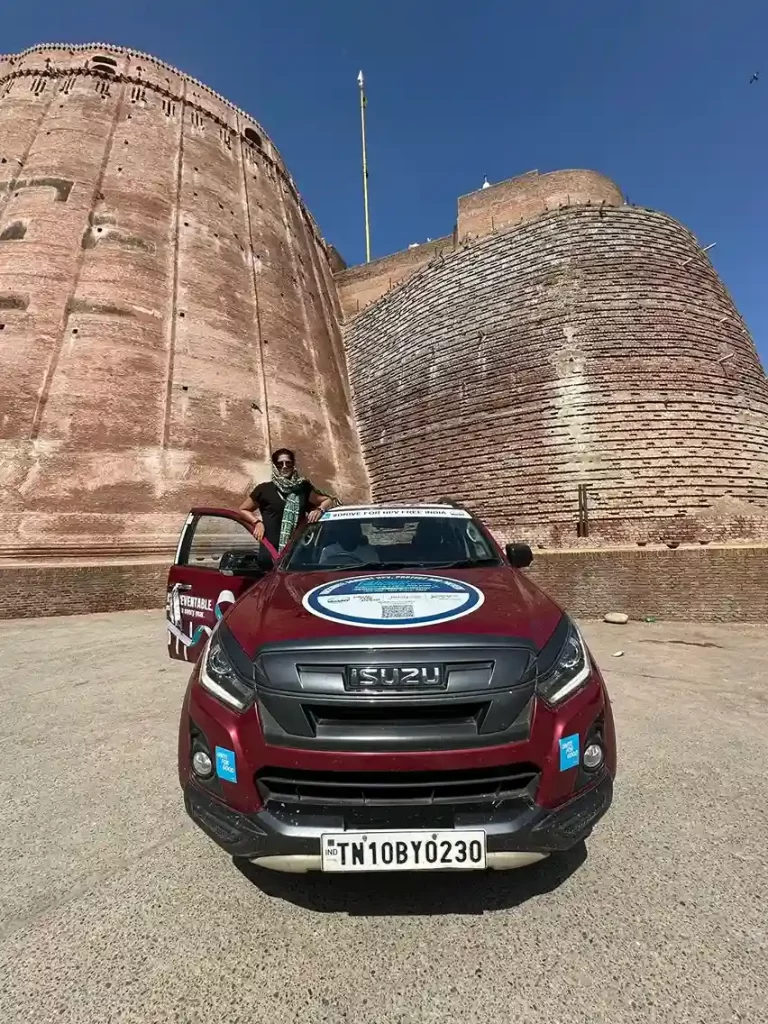
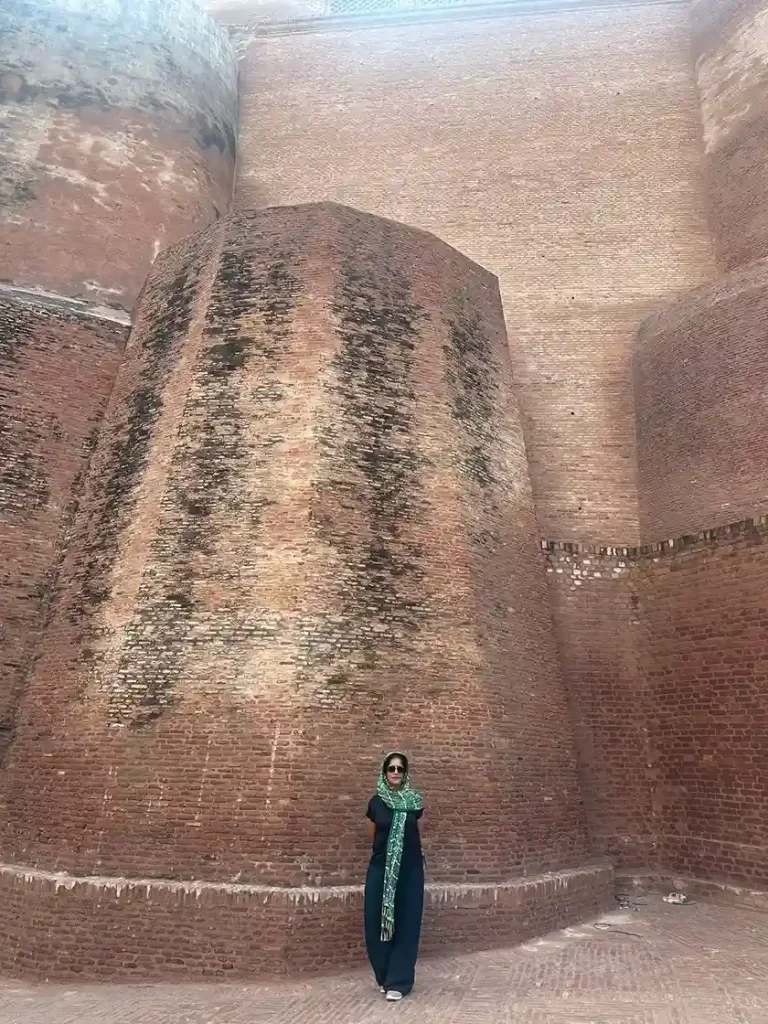
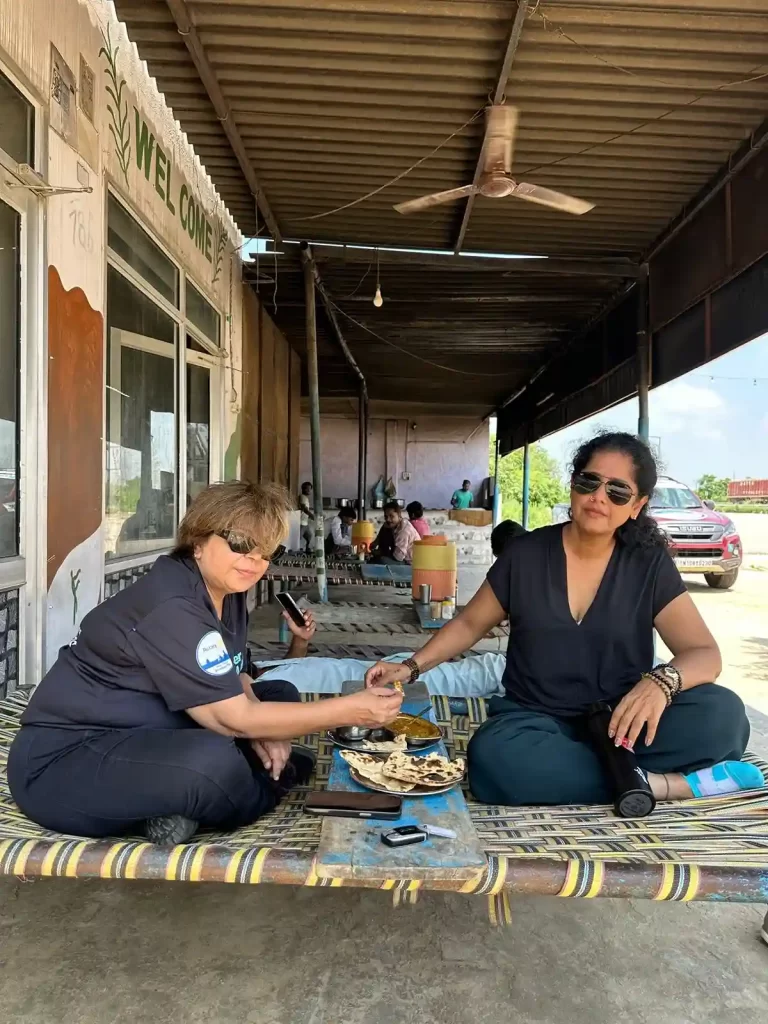
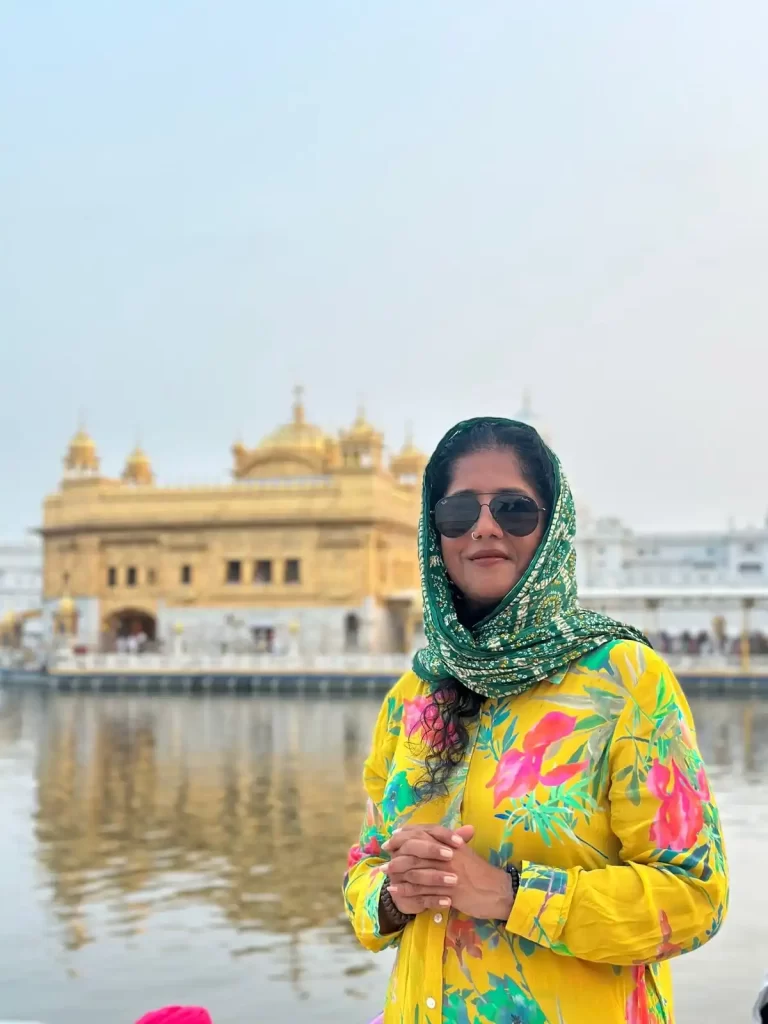
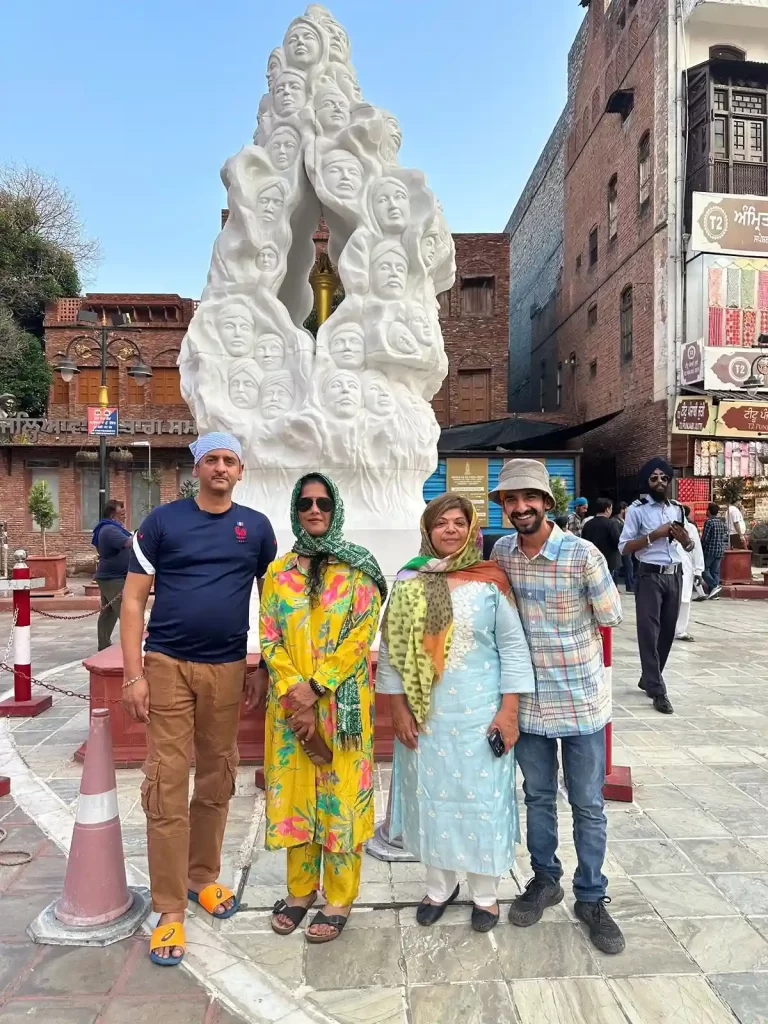
Can’t believe it’s already been seven days on the road. Today was an easy drive .. 199 kilometers from Bathinda to Amritsar. We did a quick stop at the Bathinda Fort and then had lunch at a tiny local trucker’s dhaba. Fresh rotis, simple dal fry, one of the most satisfying meals I’ve had in a long time.
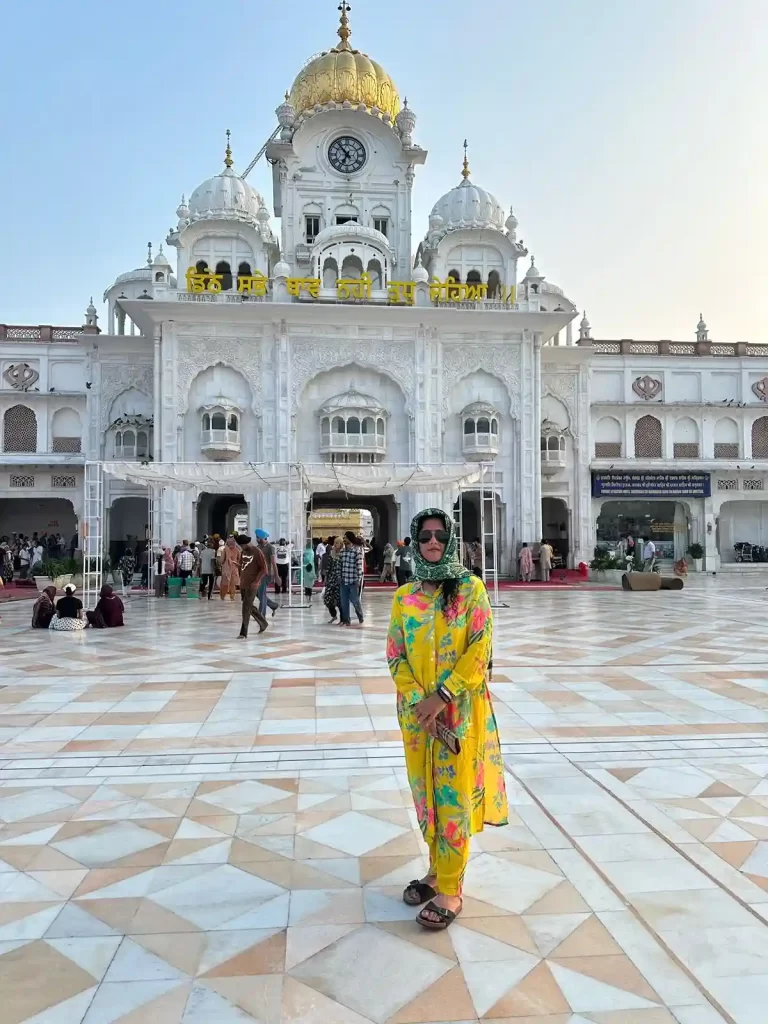
We reached Amritsar early, had some downtime at the hotel, and then headed out to the Golden Temple. It was packed, an auspicious day, so darshan took over two and a half hours. But it was worth every second. I was so deeply moved today, more than I expected. I’ve always felt connected to Gurdwaras, but today was something else, intensely emotional, peaceful, and grounding.
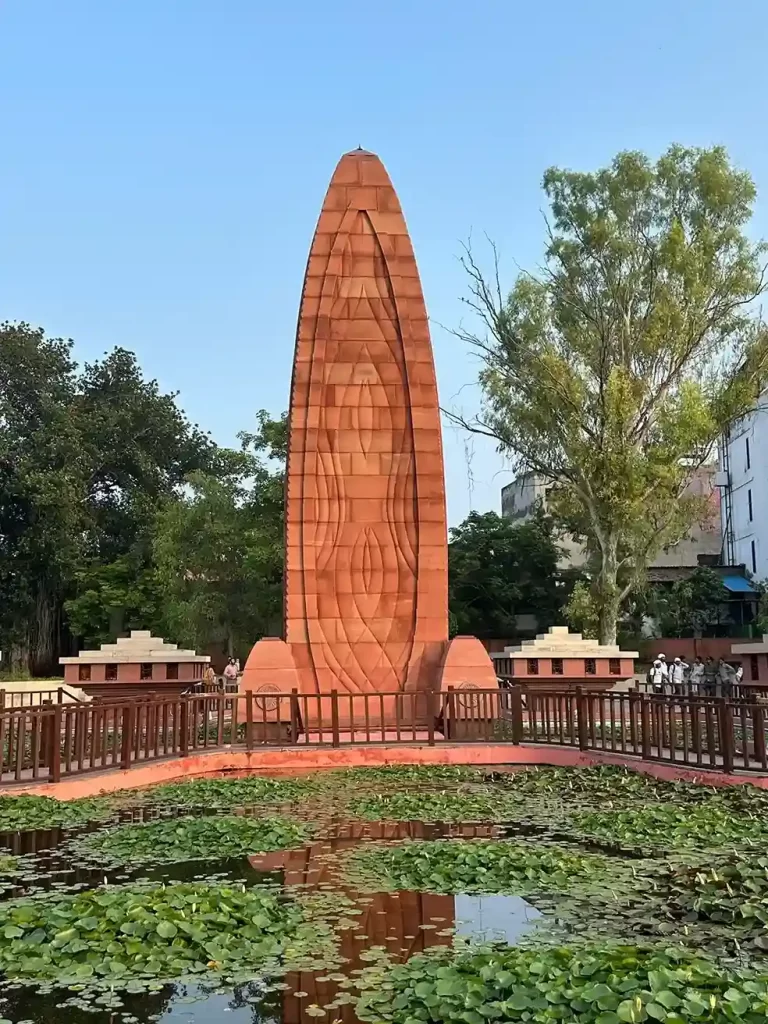
We visited a couple of Gurdwaras earlier in the day, and started off feeling very aligned, very still inside. A quick stop at Jallianwala Bagh left its usual mark. I don’t think anyone can walk through those grounds without feeling a knot in their chest. It reminds me of the heaviness I felt at the Holocaust Museum in Berlin and the killing fields of Cambodia …places that remind you of humanity’s worst, but also push you to hope for better.
Today was special. I feel grateful. For the journey, for the people around me, and for this cause we’re driving for.
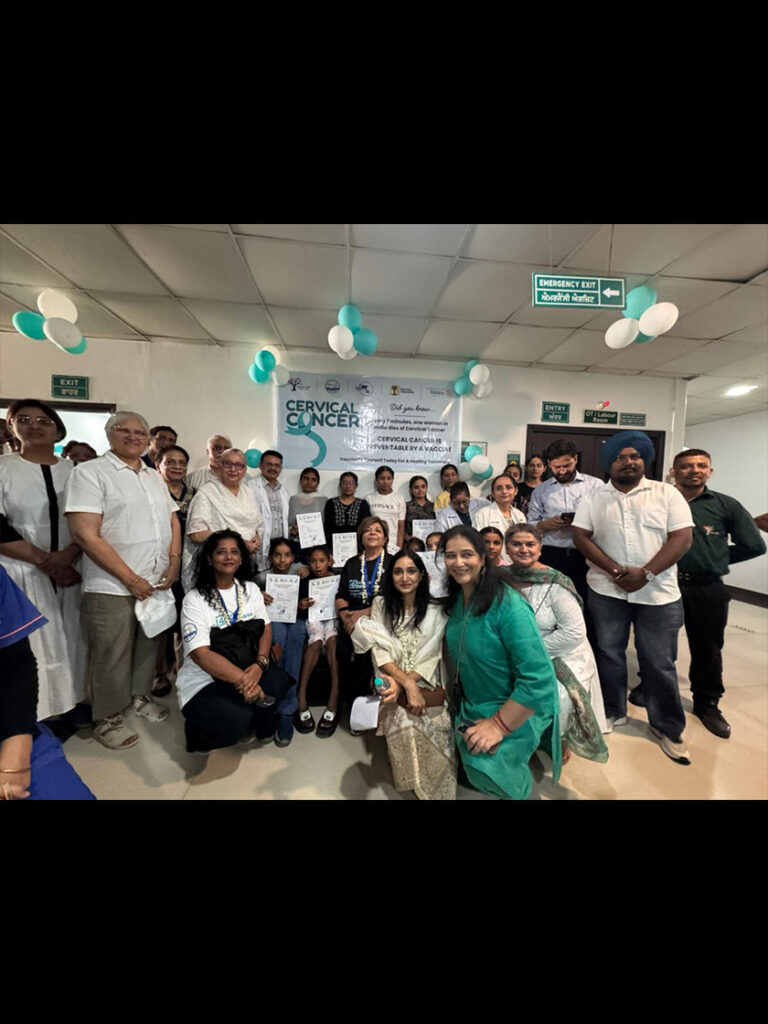
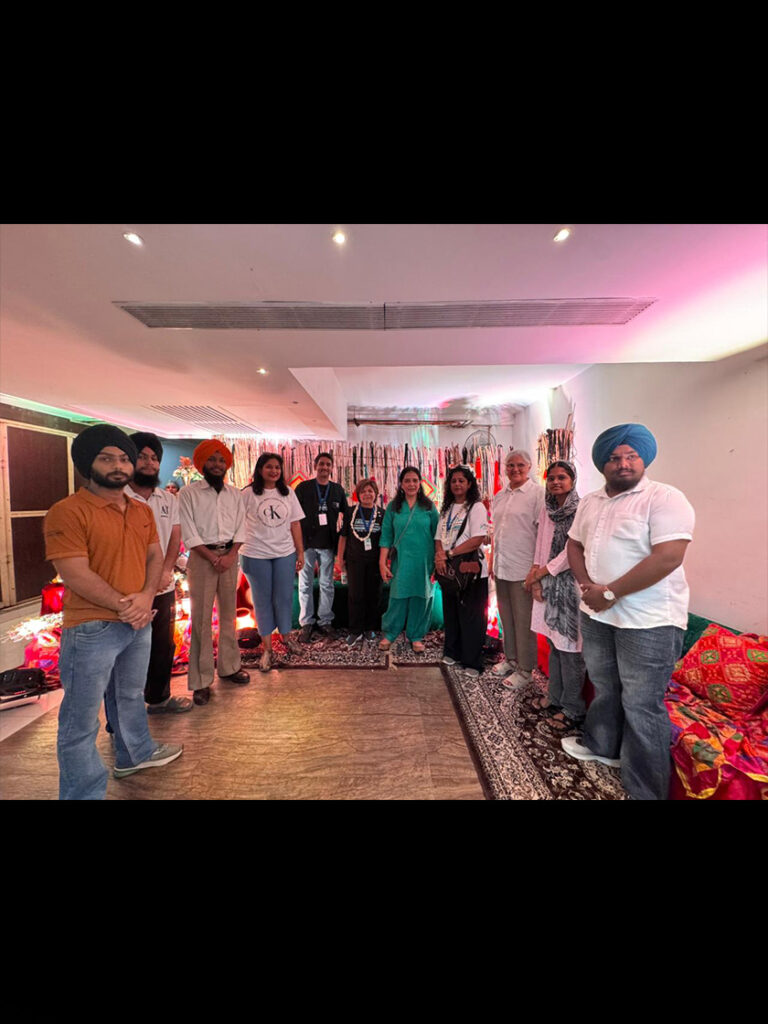
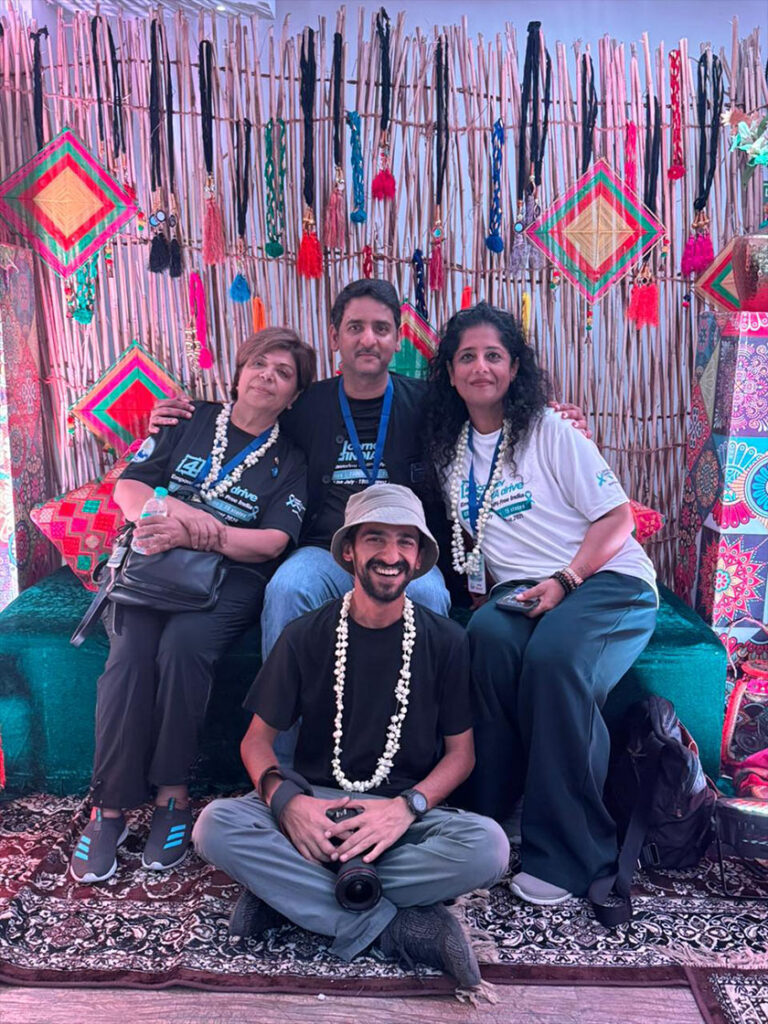
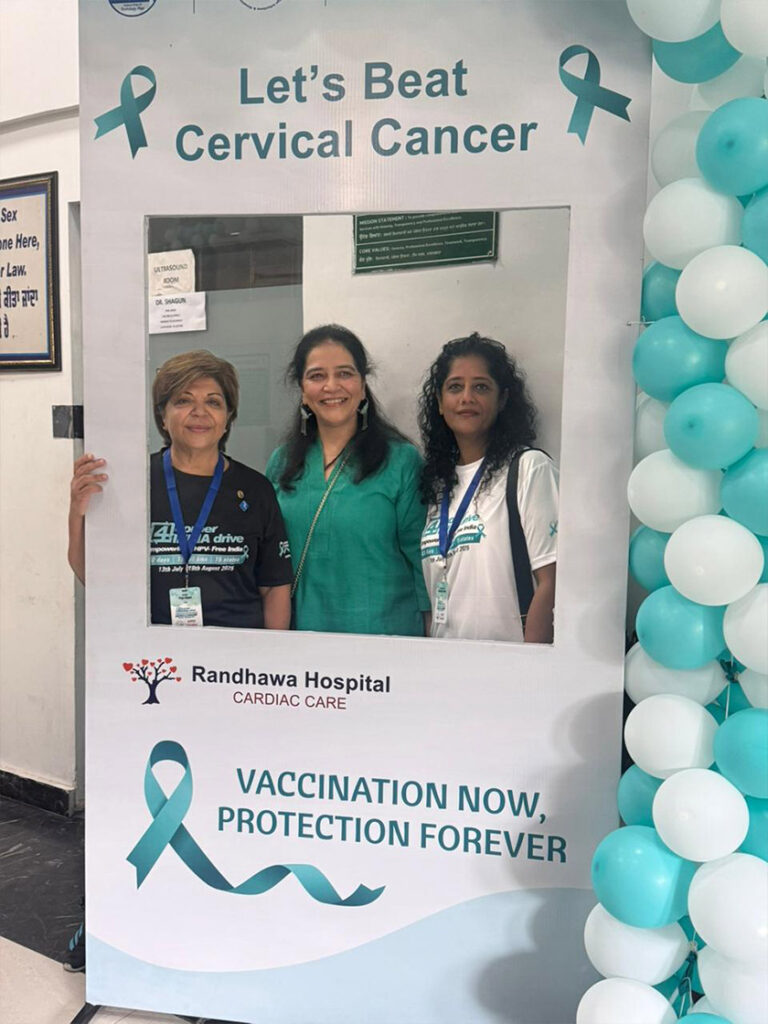
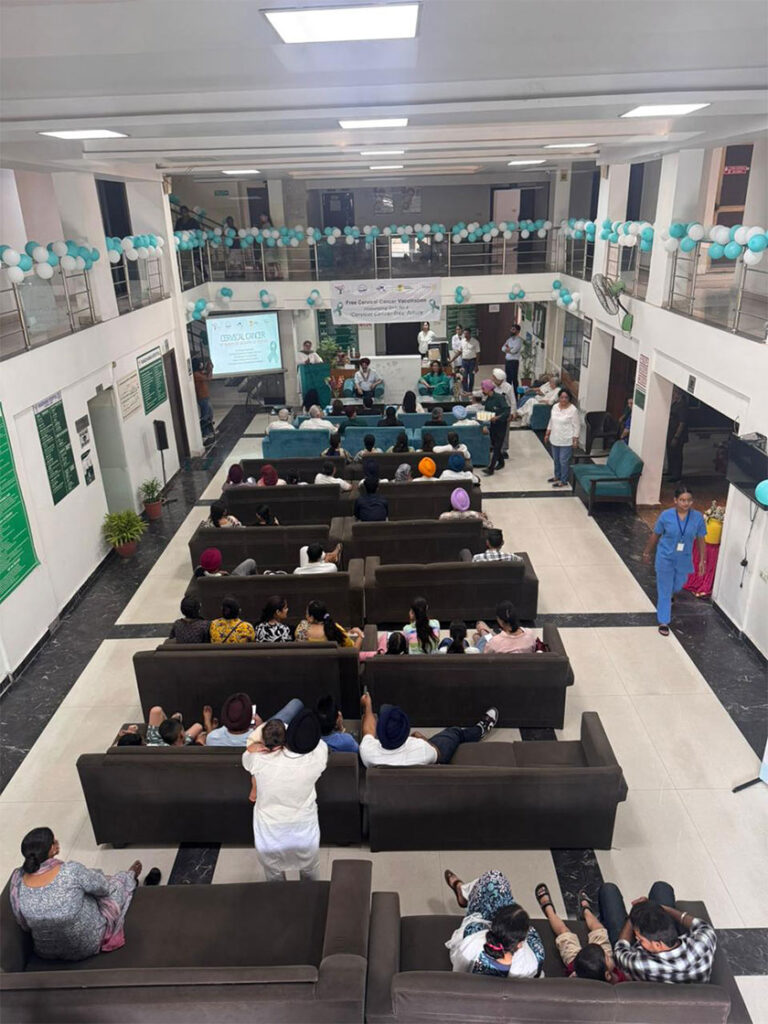
Today was pure heart. The event at Randhawa Hospital was beautifully organised—teal and white everywhere, 65 girls vaccinated with care and love, and the warmest hospitality from Dr. Shagun and her team. The food? A true Punjabi feast—live kulchas, chole, jalebis, malpua, phirni… soul food in every sense.
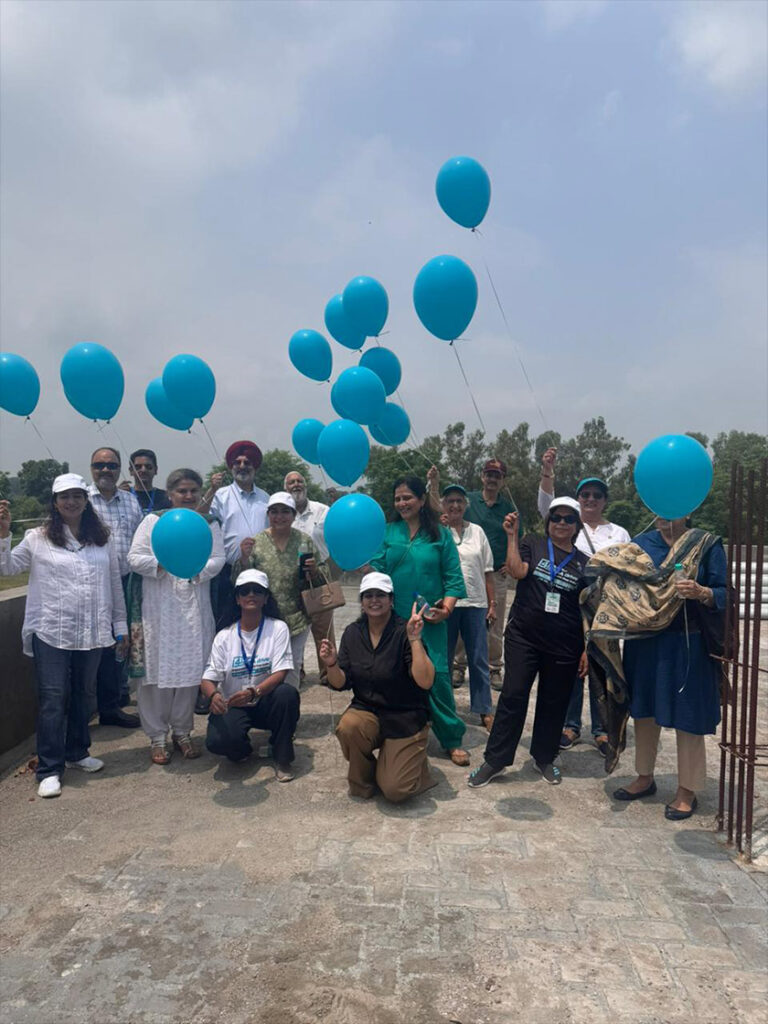
Our rally was festive with blue-and-white balloons, we visited their under-construction hospital, and released balloons skyward. Emotional, inspiring, unforgettable.
The day kept giving—an unexpected reunion with an old friend, an electric evening at Wagah Border, dinner at Makkan, and the perfect kulfa at A1 to end it all.
Amritsar, my heart is full. When people put soul into their work—it shows. And it stays with you.
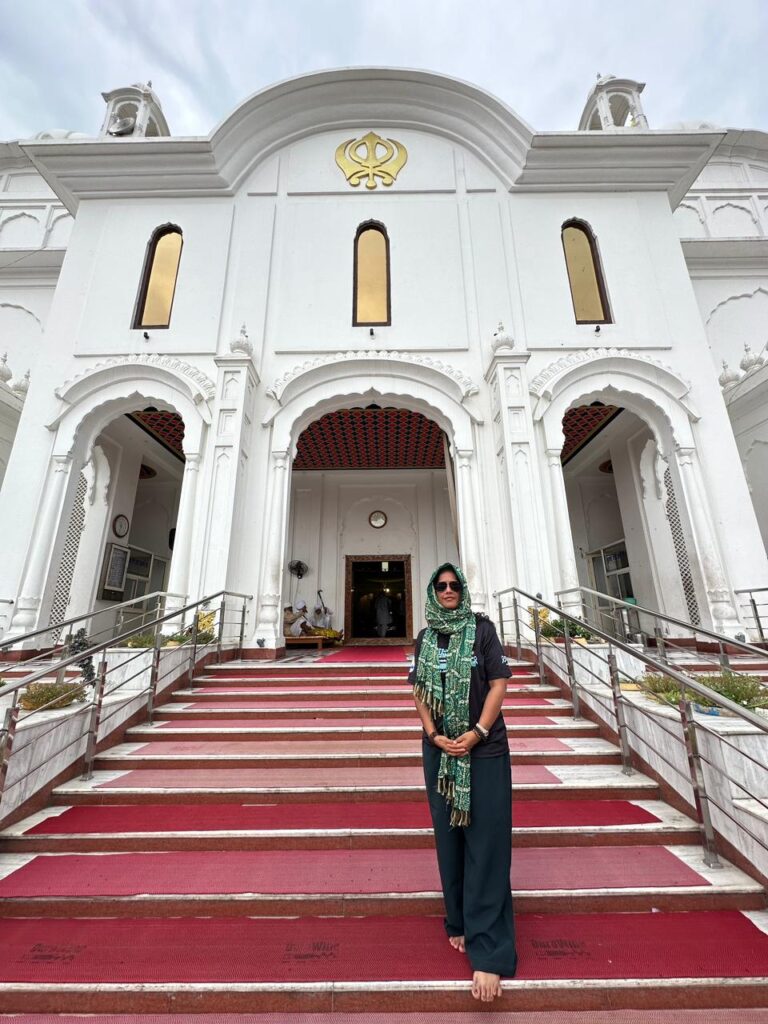
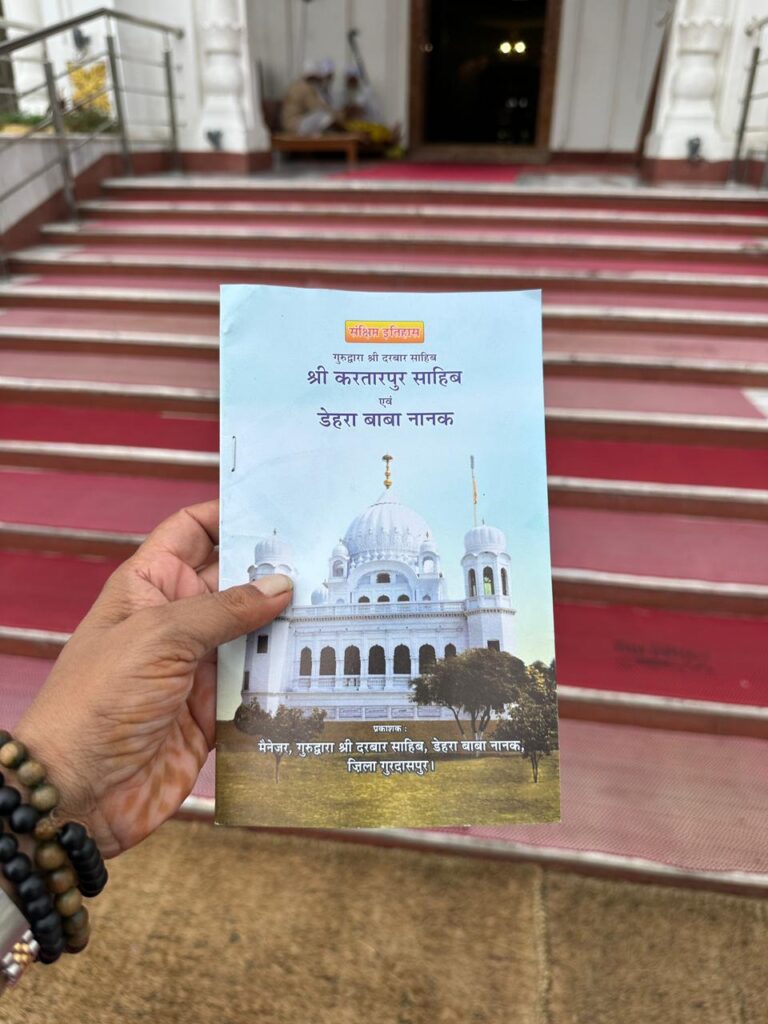
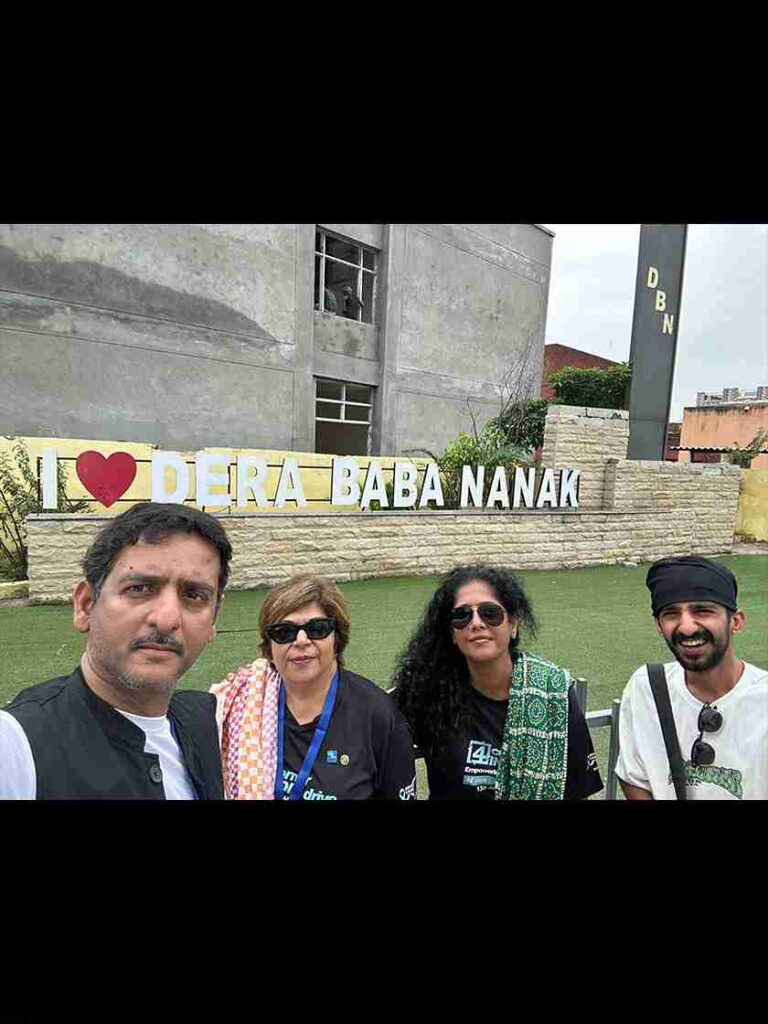
Left Amritsar behind and made a peaceful stop at Gurdwara Dera Baba Nanak, just a kilometre from the Indo-Pak border. Looking across the River Ravi towards Kartarpur, I felt a quiet stillness—faith, simplicity, and history blending into the landscape.
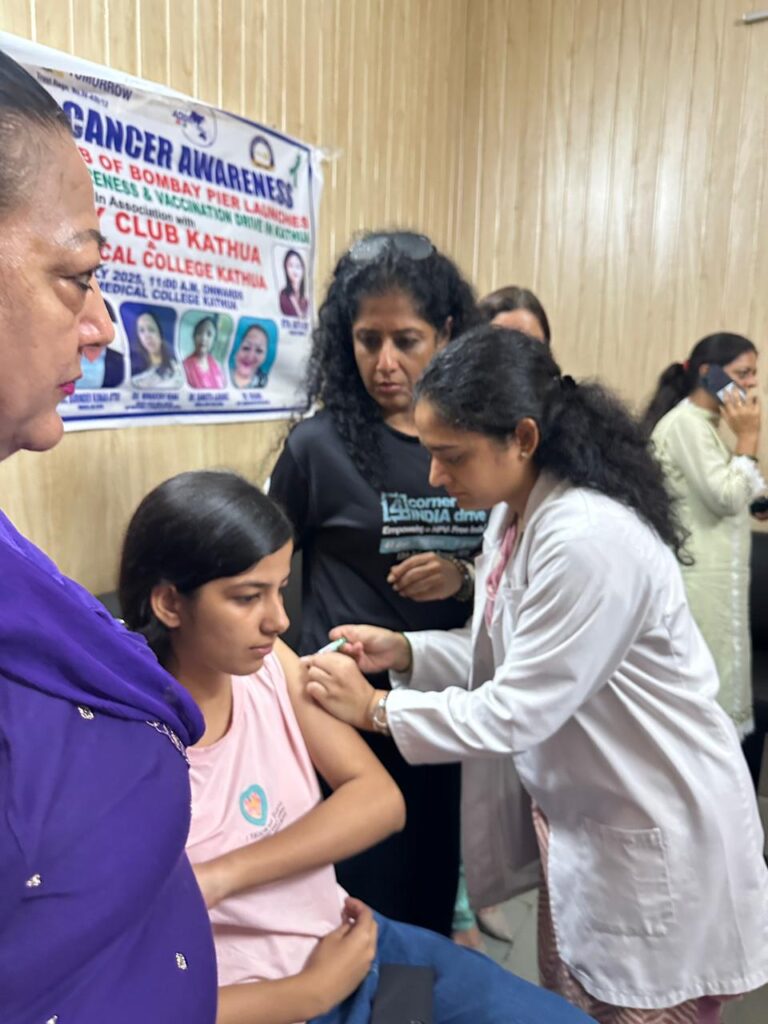
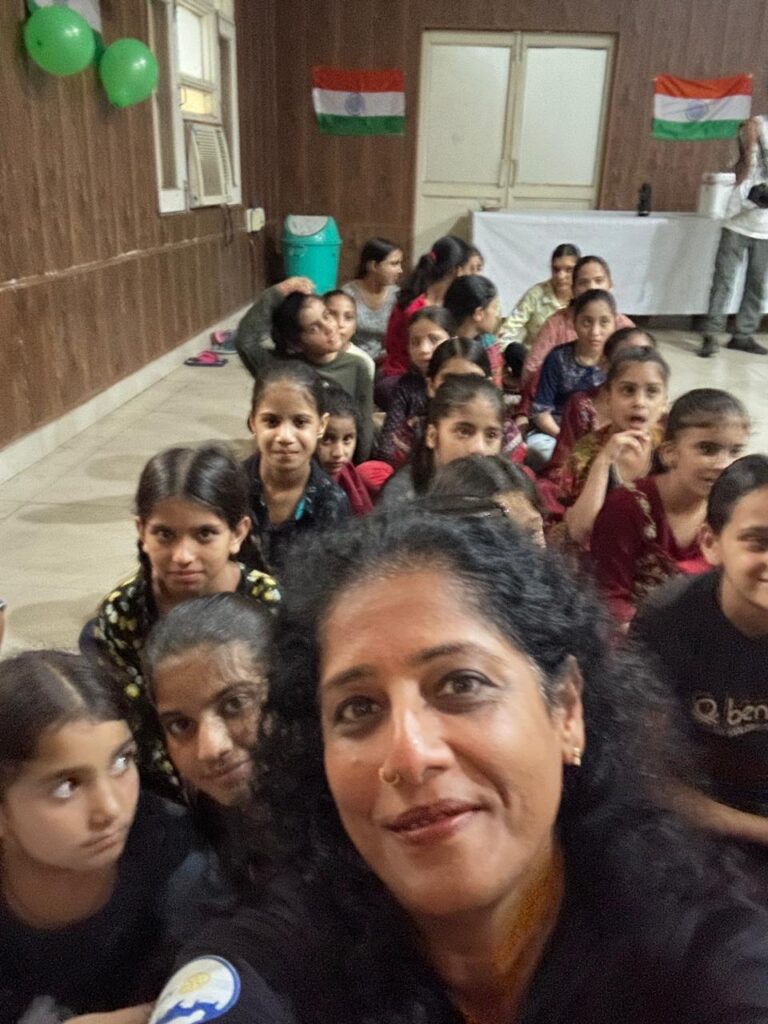
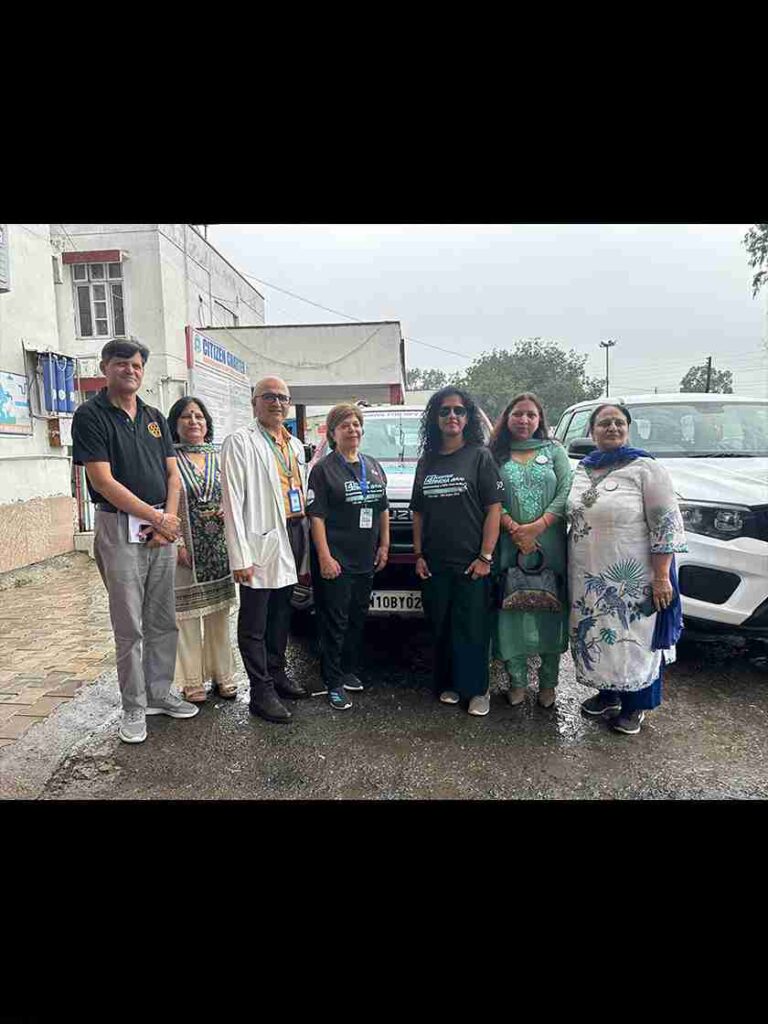
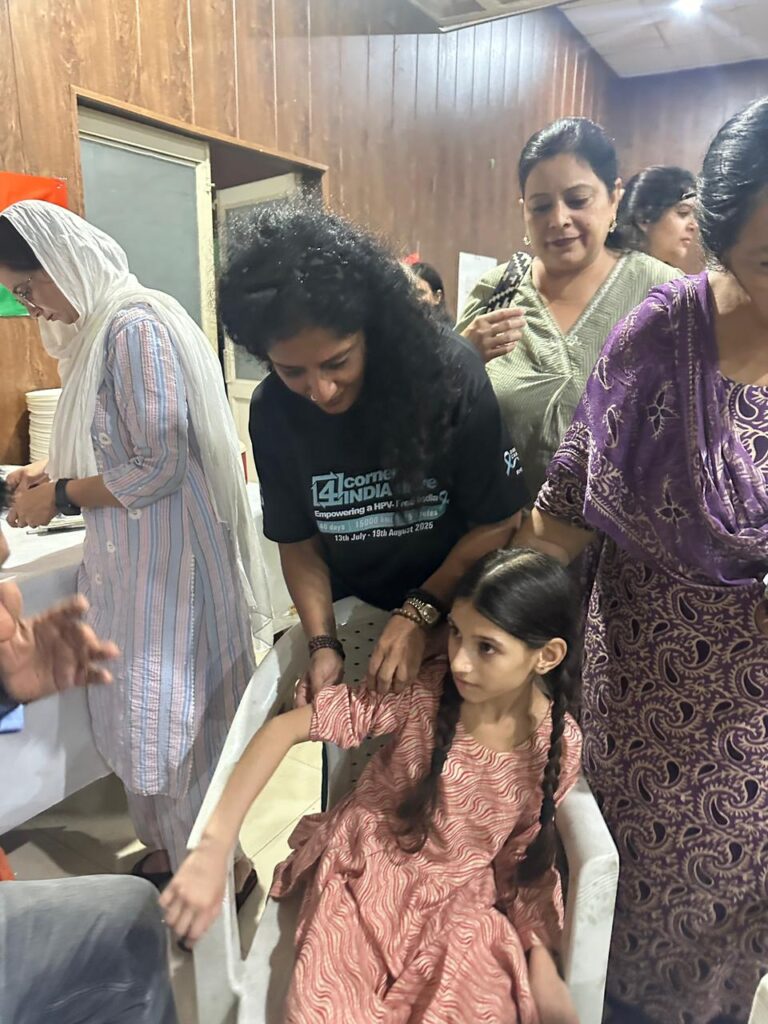
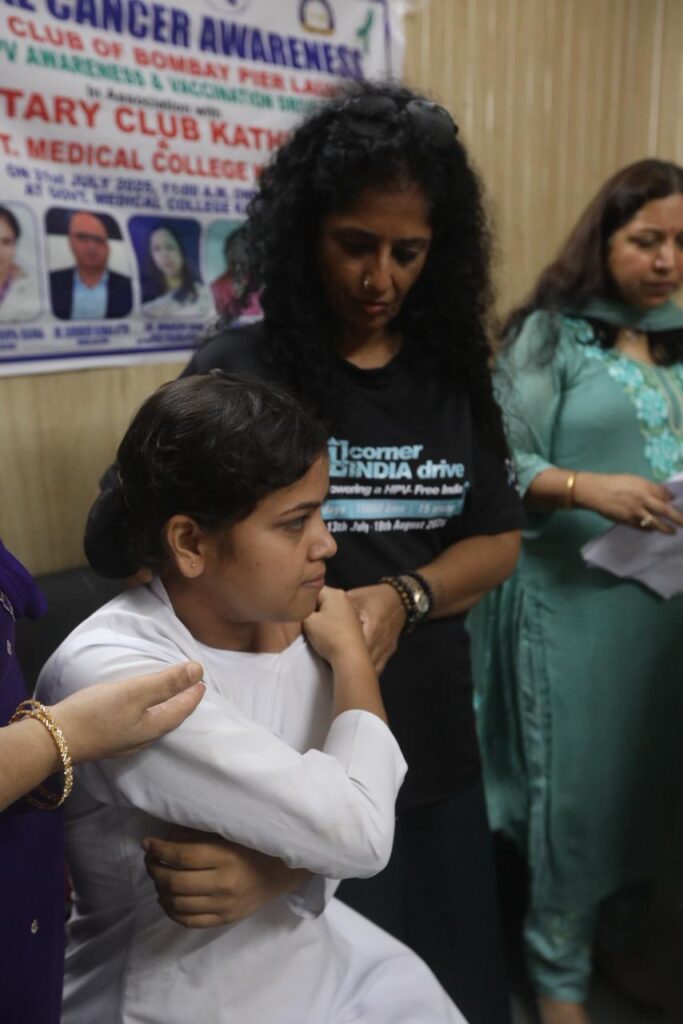
We held two vaccination drives today—50 girls in Kathua and another 50 in Jammu. The Kathua event was a bit chaotic, but we got it done. The drive to Jammu was rough—broken roads, diversions, and rain made it a real test of patience.
Jammu still doesn’t charm me, but the second event lifted my spirits. Held at a Rotary building, this one felt meaningful—kids from underprivileged backgrounds, the kind who really need support. It felt like the effort mattered here.
It’s been raining non-stop. My duffel’s drenched, and tomorrow’s forecast for Srinagar isn’t promising. Long, wet day ahead. But the journey rolls on.
It rained all night, with constant alerts of landslides and flash floods. We packed up early and set off by 6:30 AM in gloomy, blinding rain. Visibility was terrible, but the freshly paved roads since 2021 made the drive manageable. Hardly any traffic—most people had stayed off the roads.
The rain stopped around Ramban. No signs of landslides, but heavy army presence—jawans every 100 meters, routine Aadhaar and boot checks. At Banihal, we hit a massive jam; the highway was closed for Amarnath Yatra convoys. After many calls and some luck, we got clearance through higher officials and became the only car on the highway to Srinagar—just us, smooth roads, and gorgeous tunnels.
We reached Srinagar by 1 PM. The valley felt like a fortress—tanks, trucks, jawans everywhere. We checked into a hotel on Dal Lake, a modest, slightly kitschy property with big, clean rooms. The view made up for everything. The rain had cleared, and the valley felt warm.
Lunch at Mughal Darbar was indulgent and fantastic. Back at the hotel, we unpacked drenched clothes, sent some for laundry, and headed out for a Shikara ride—always magical. Our young boatman recited shairis, spoke about his dreams, and left us smiling.
Closed the day at a Rotary event at the lovely old Srinagar Club—intimate, no fuss, good conversations. No vaccinations here due to cold-chain issues. A long day, but the kind that makes road trips unforgettable.
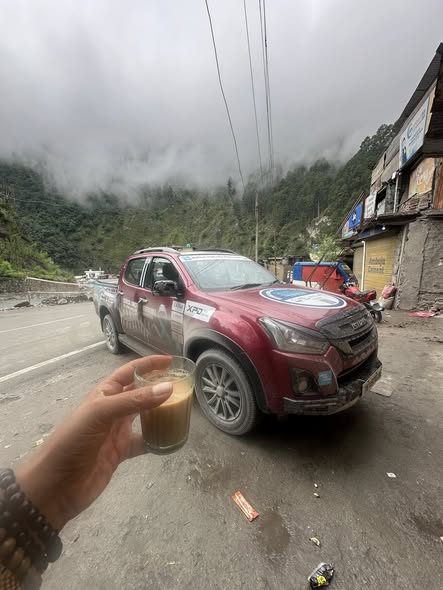
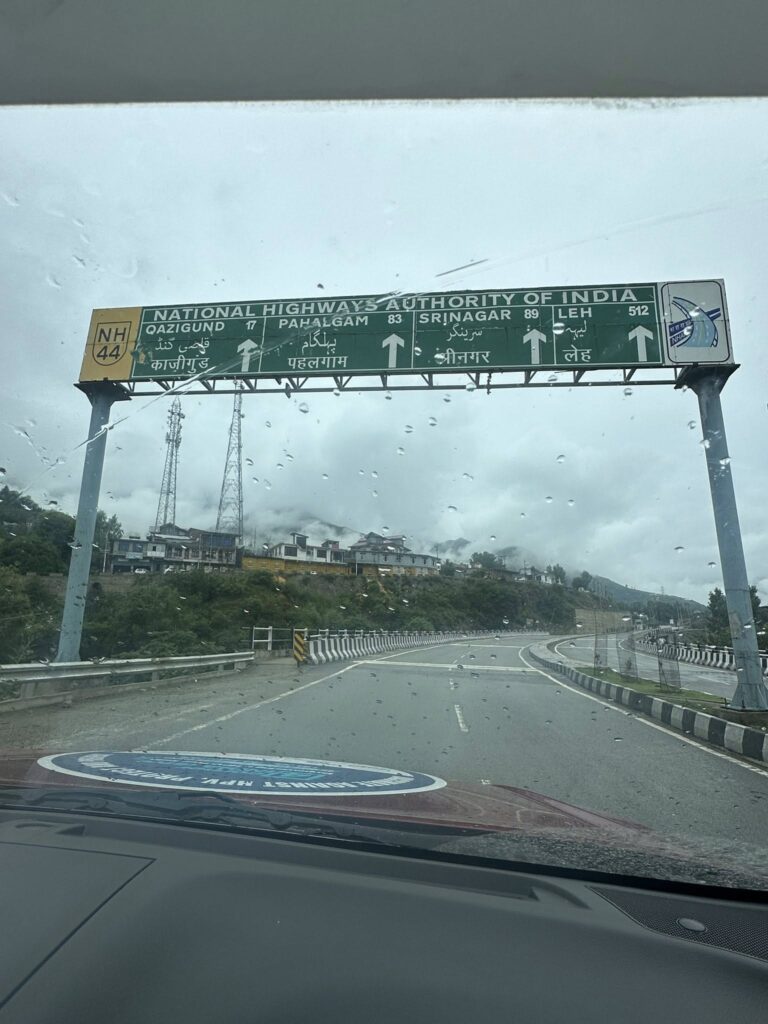
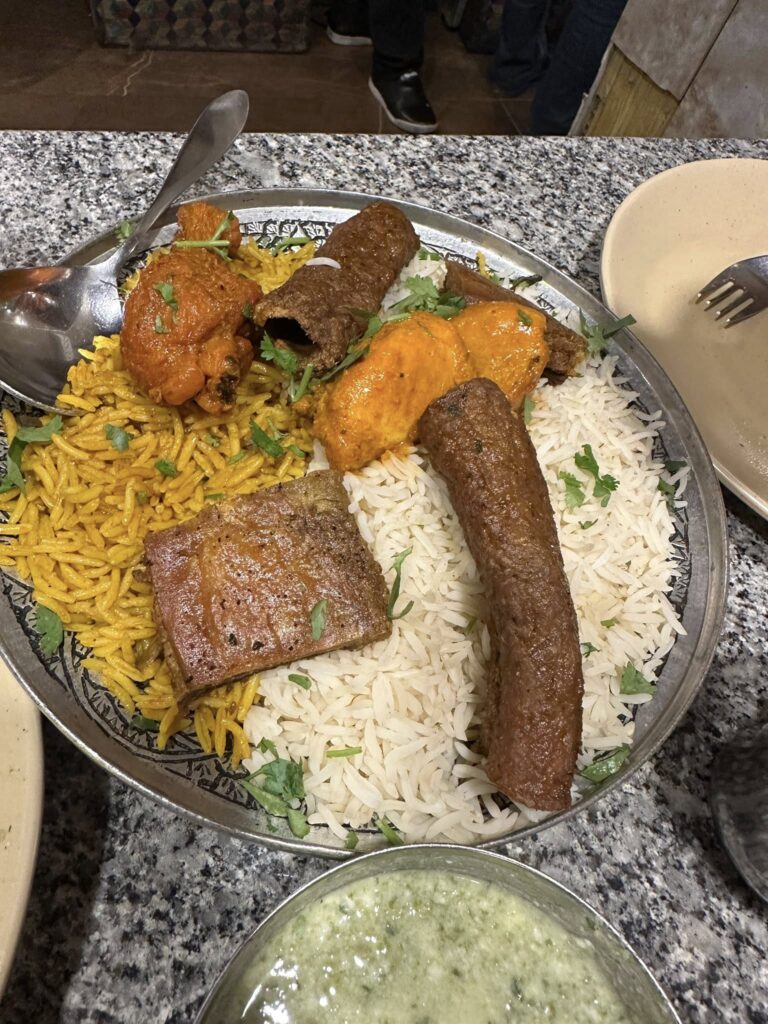
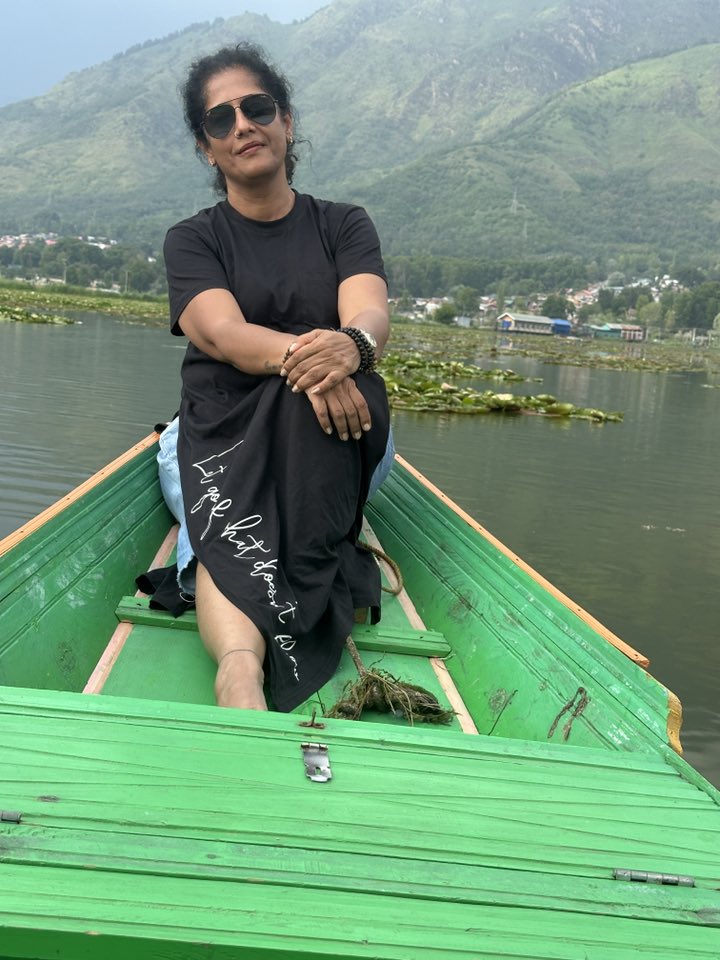
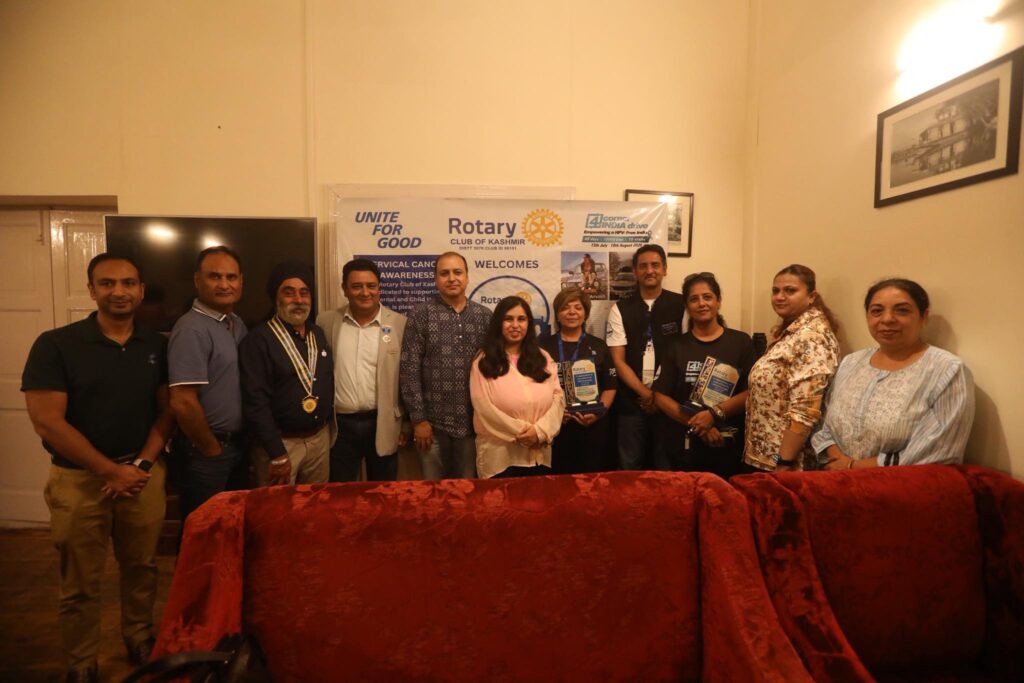
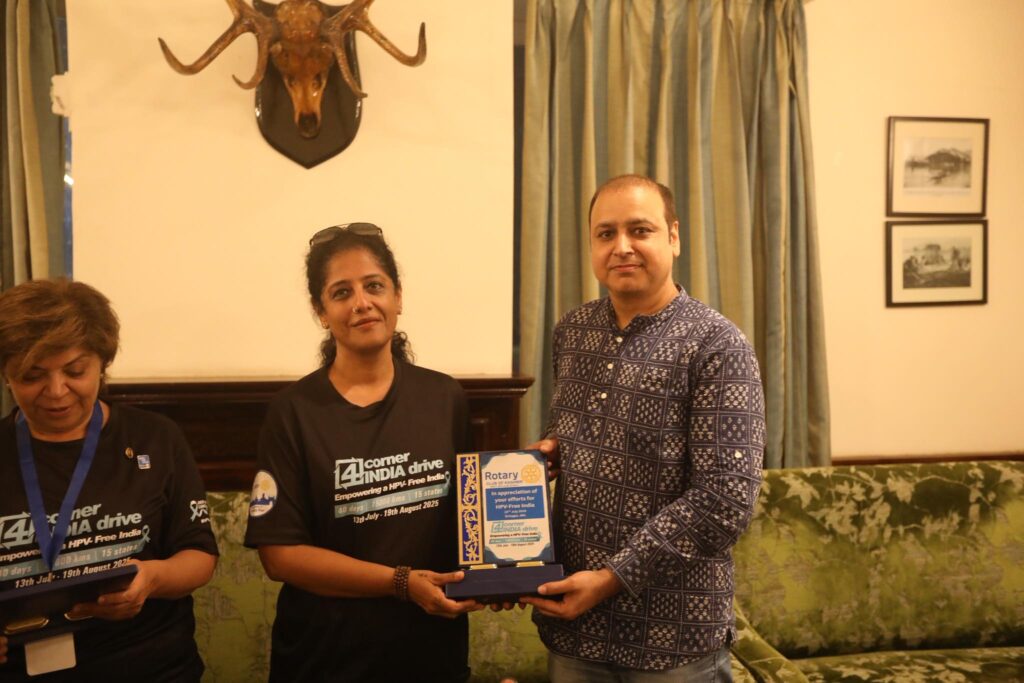
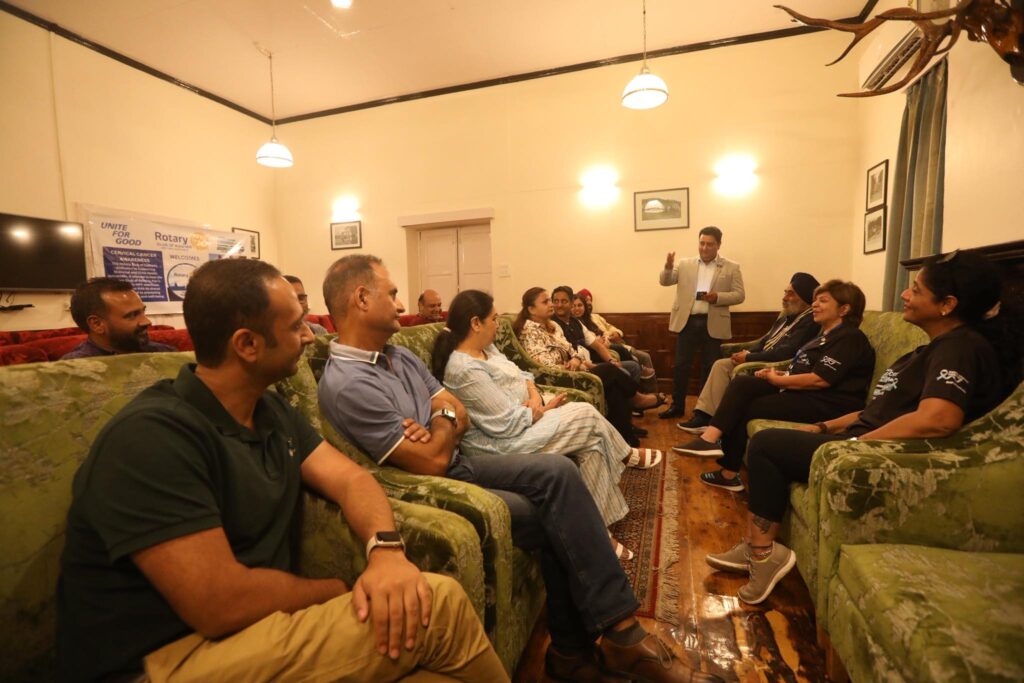
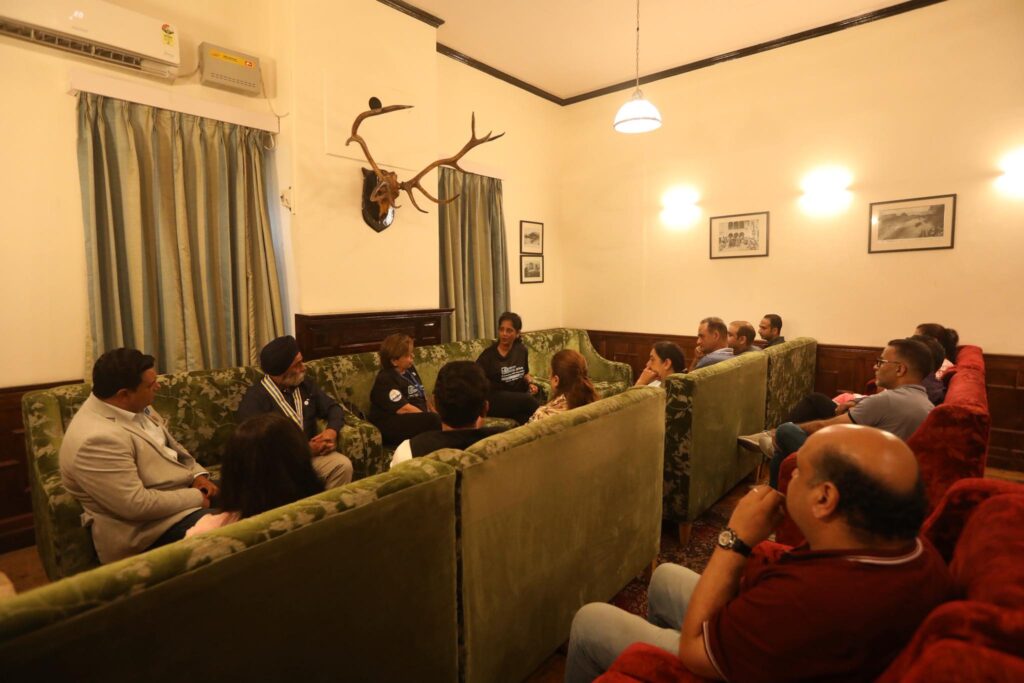
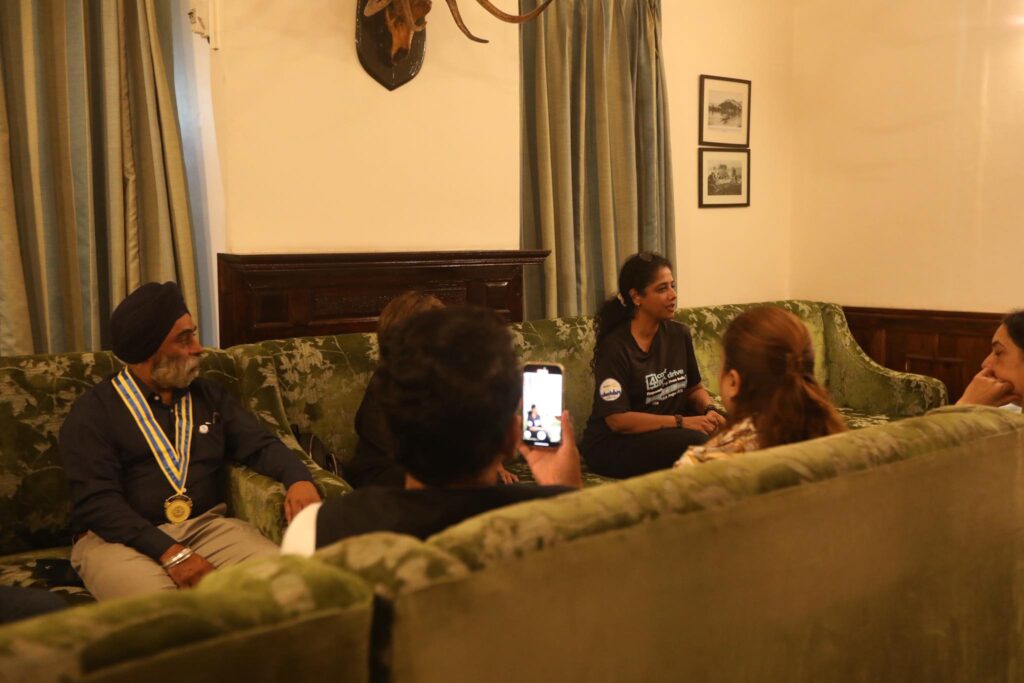
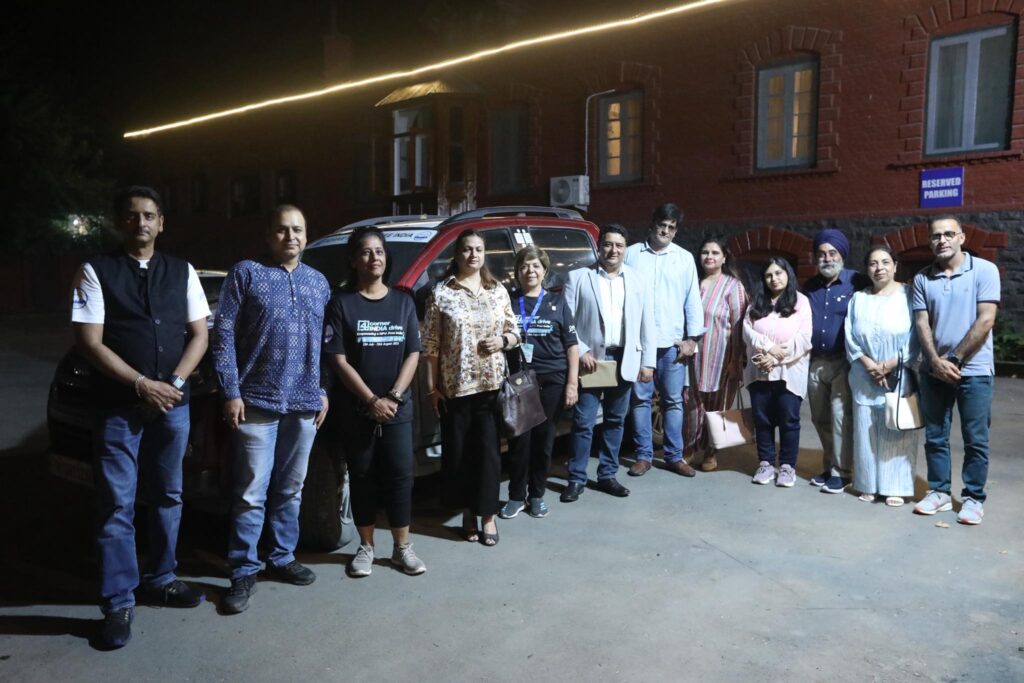
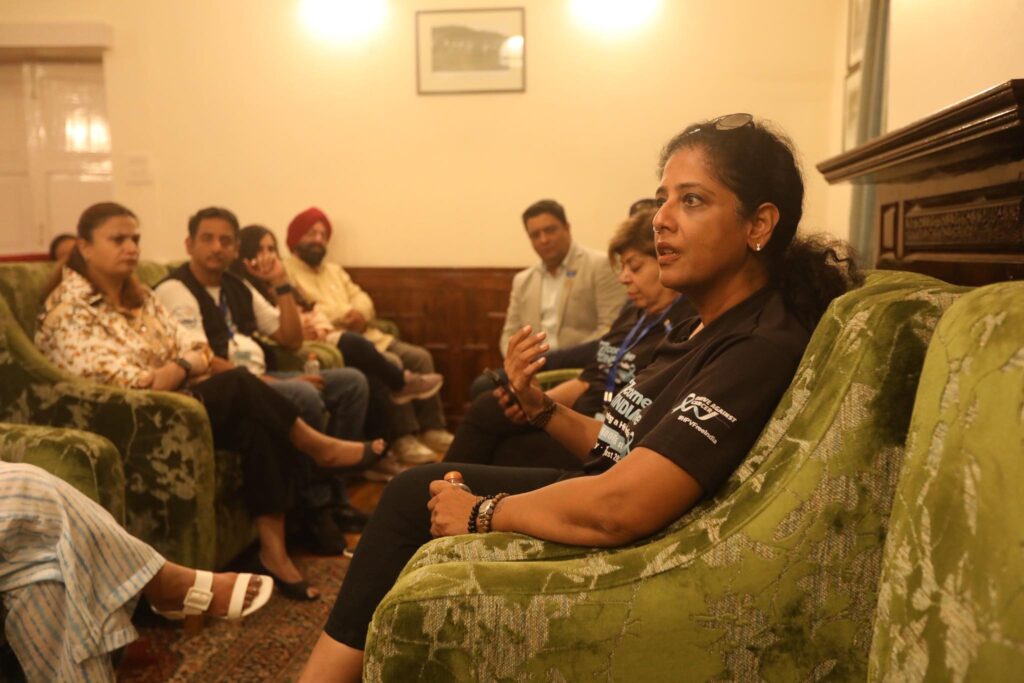
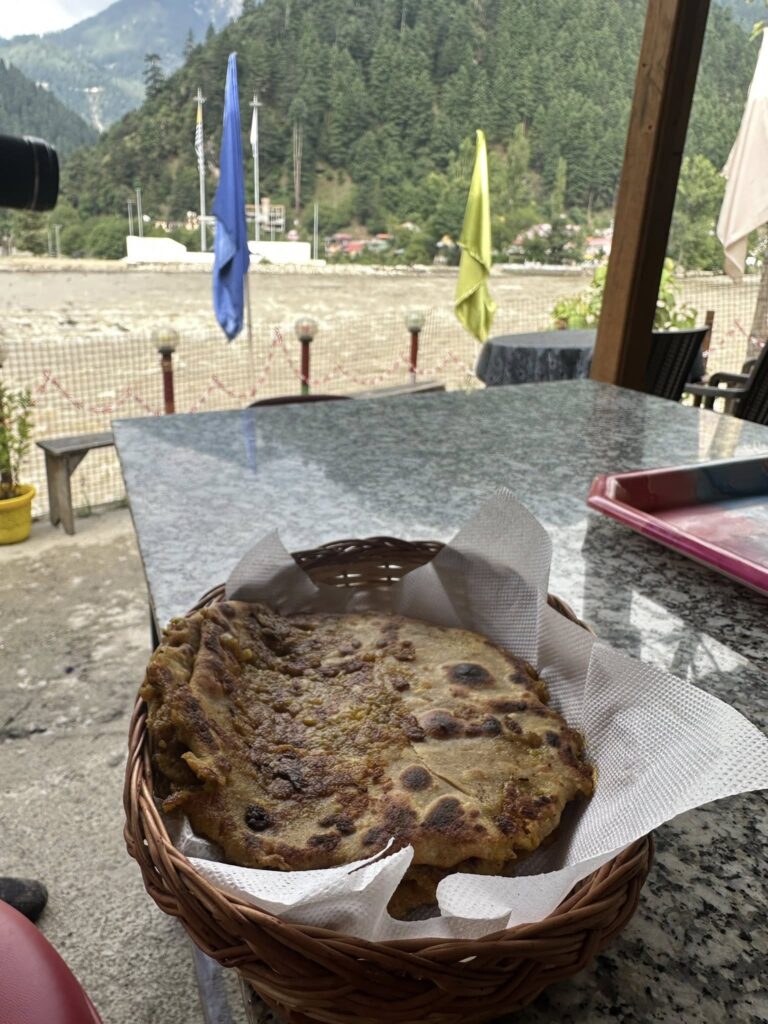
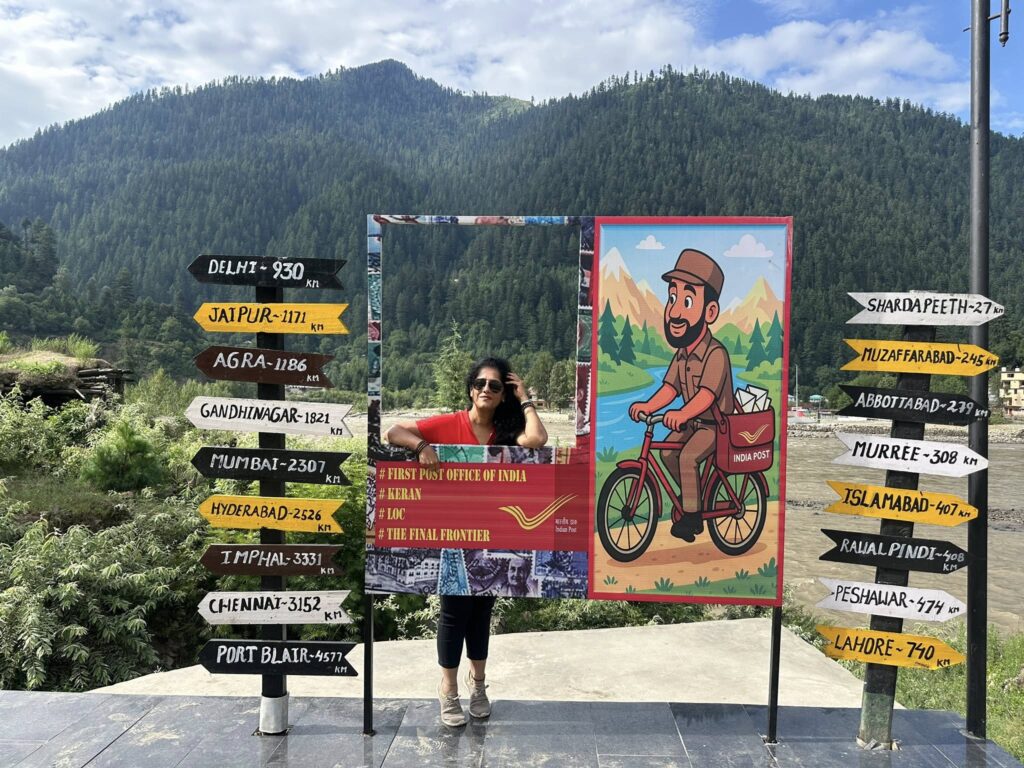
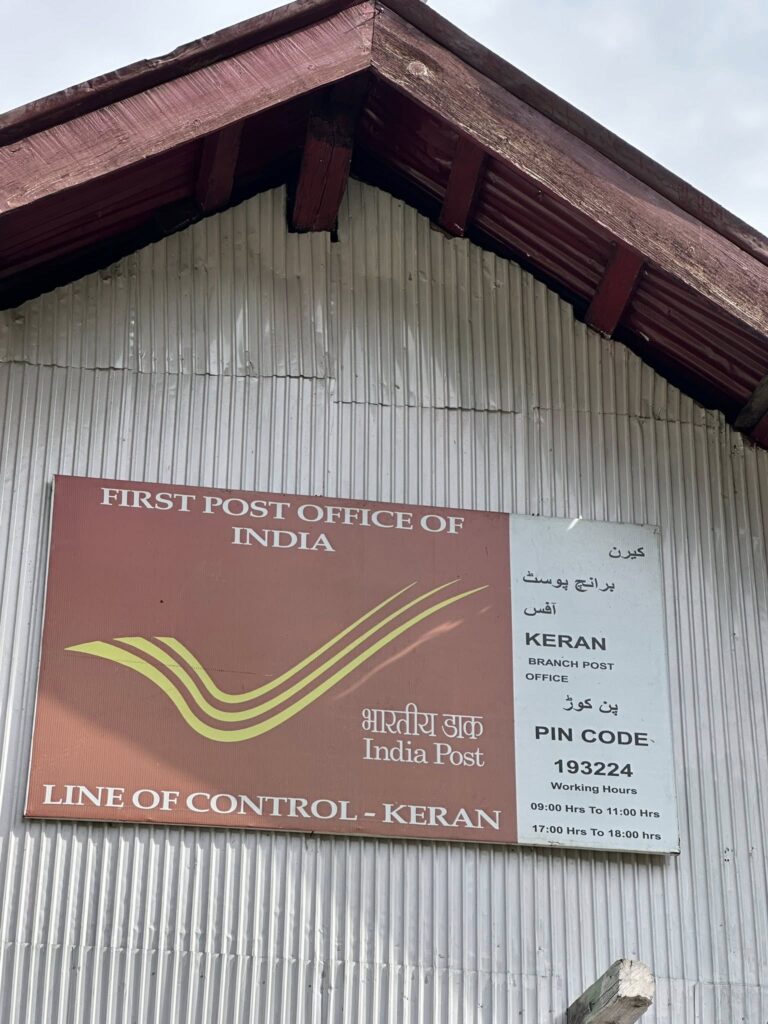
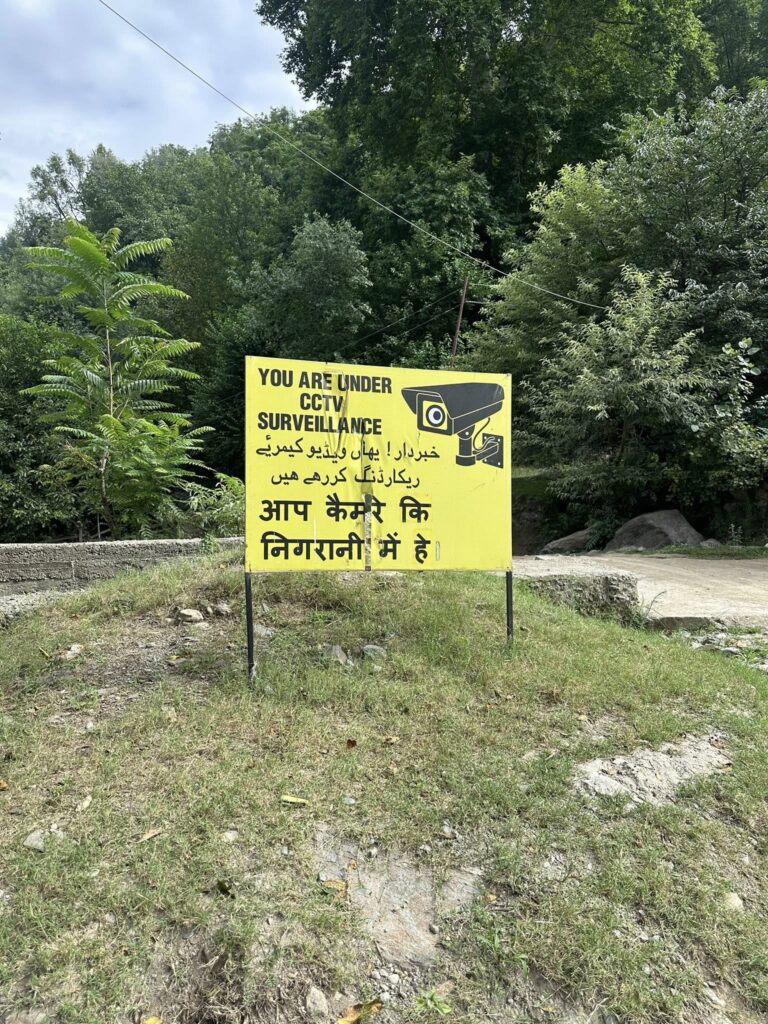
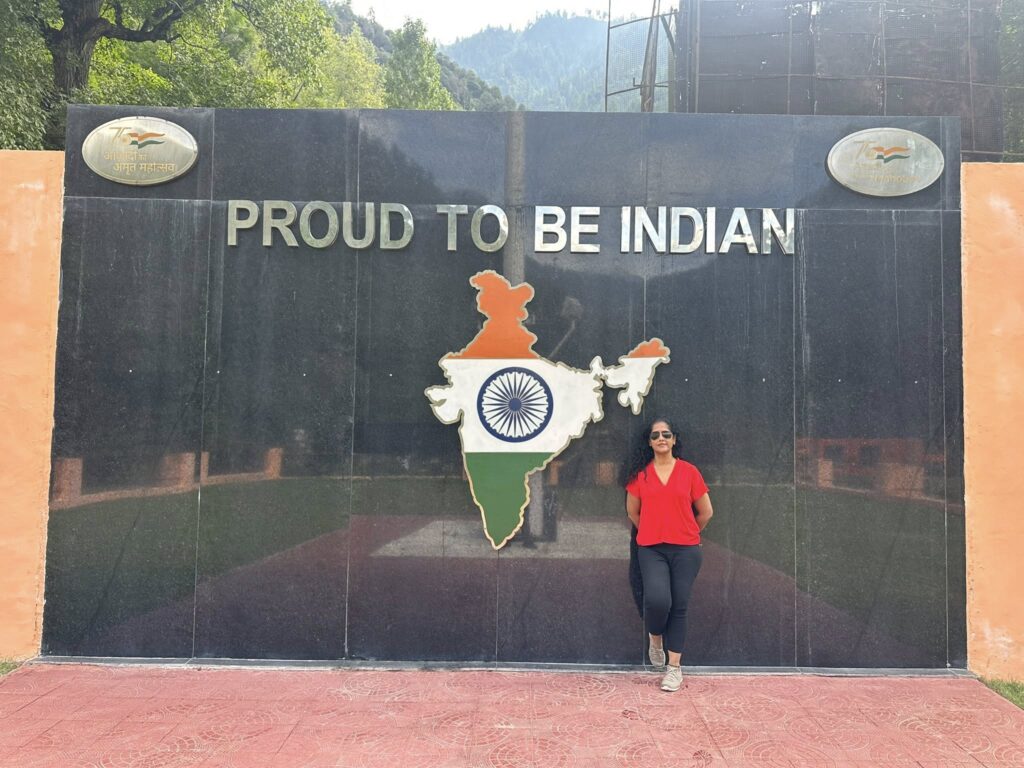
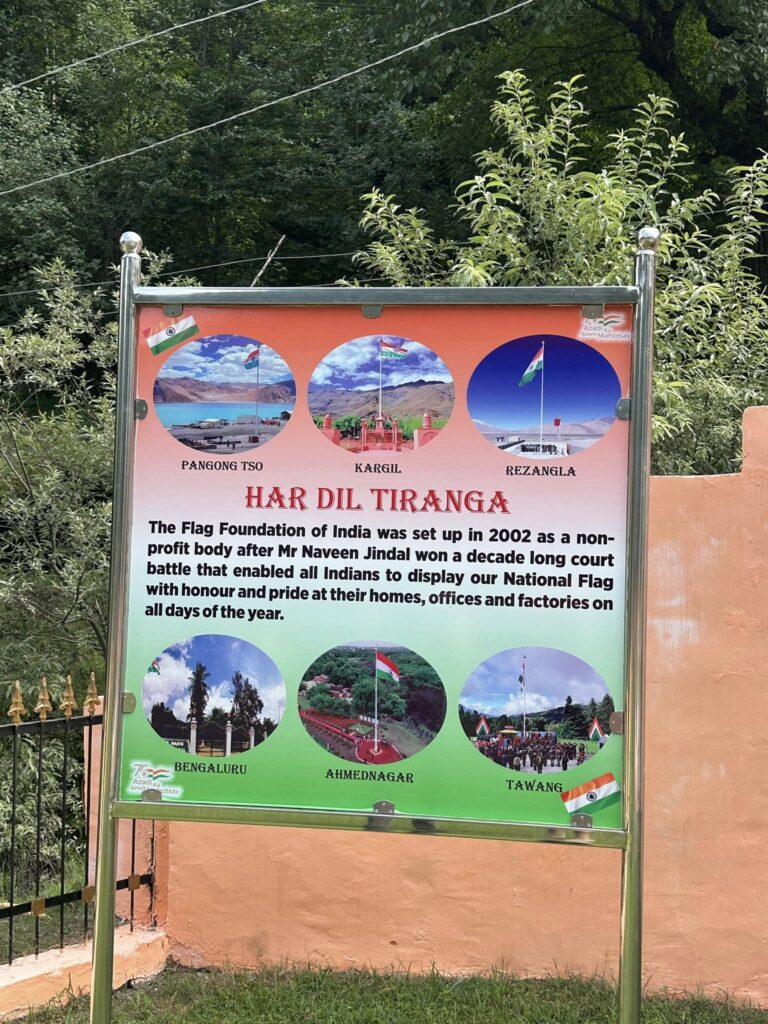
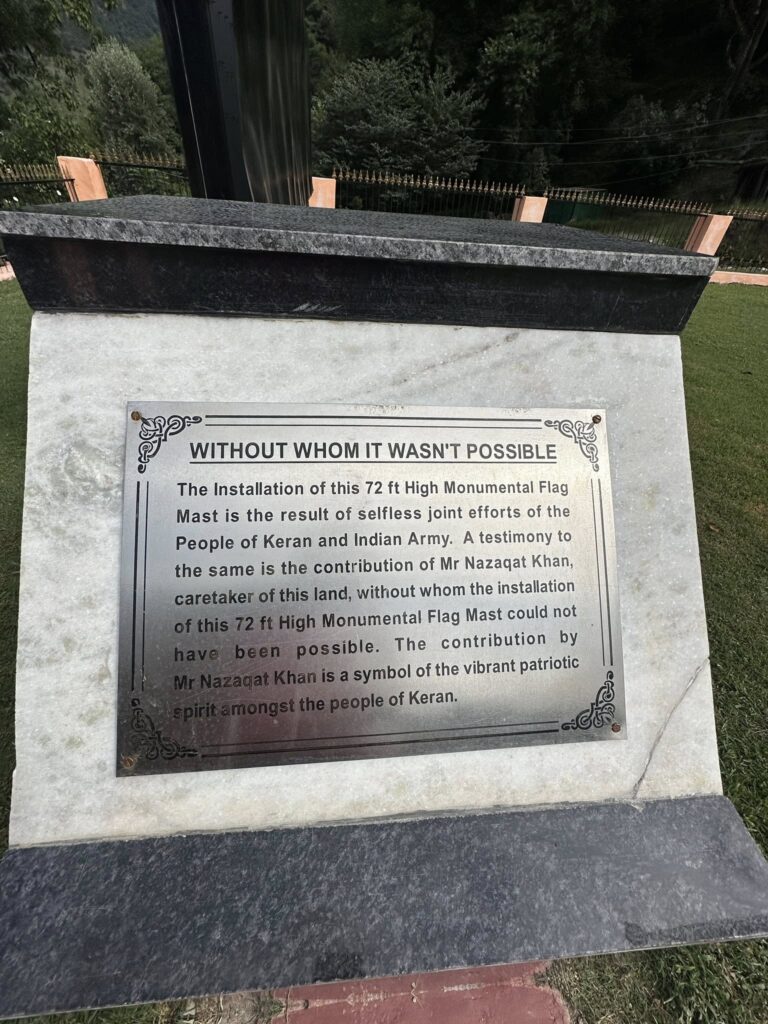
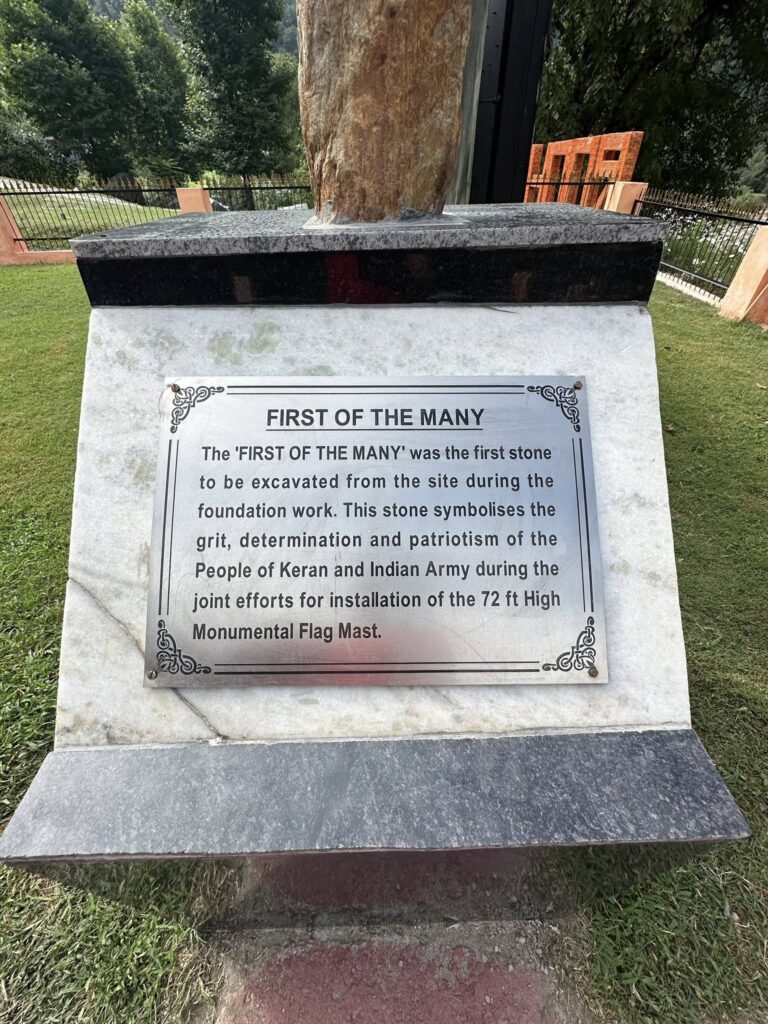
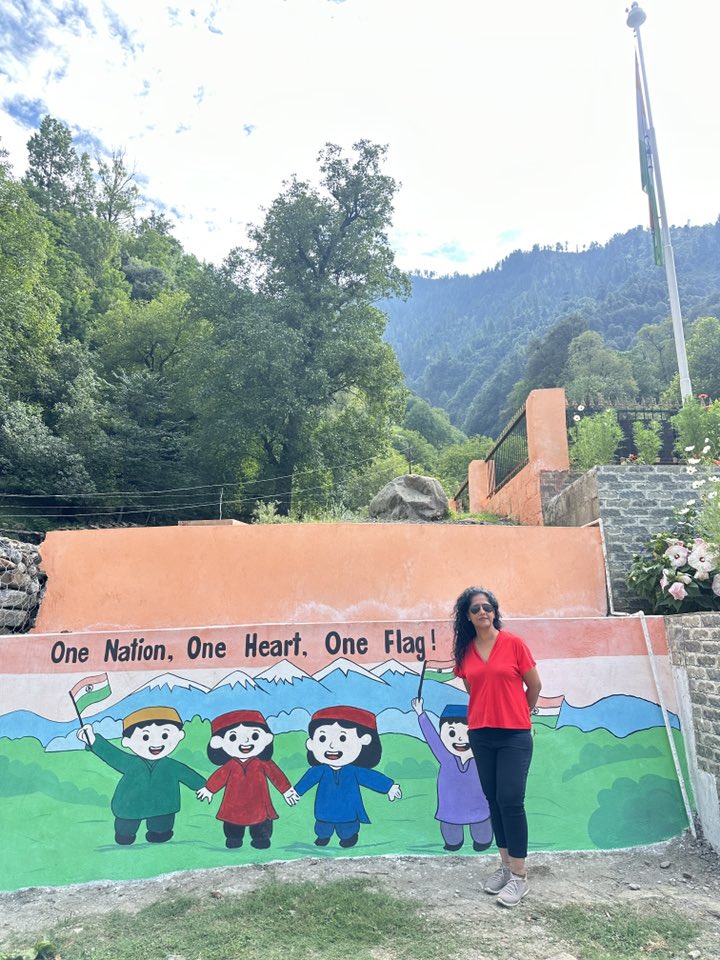
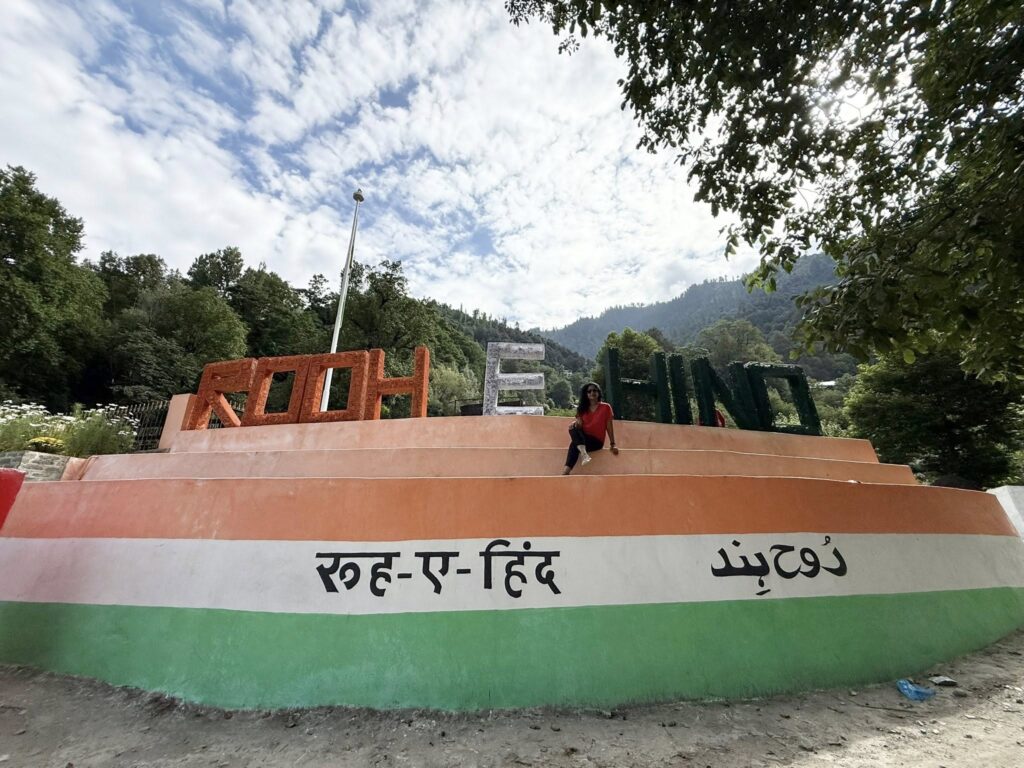
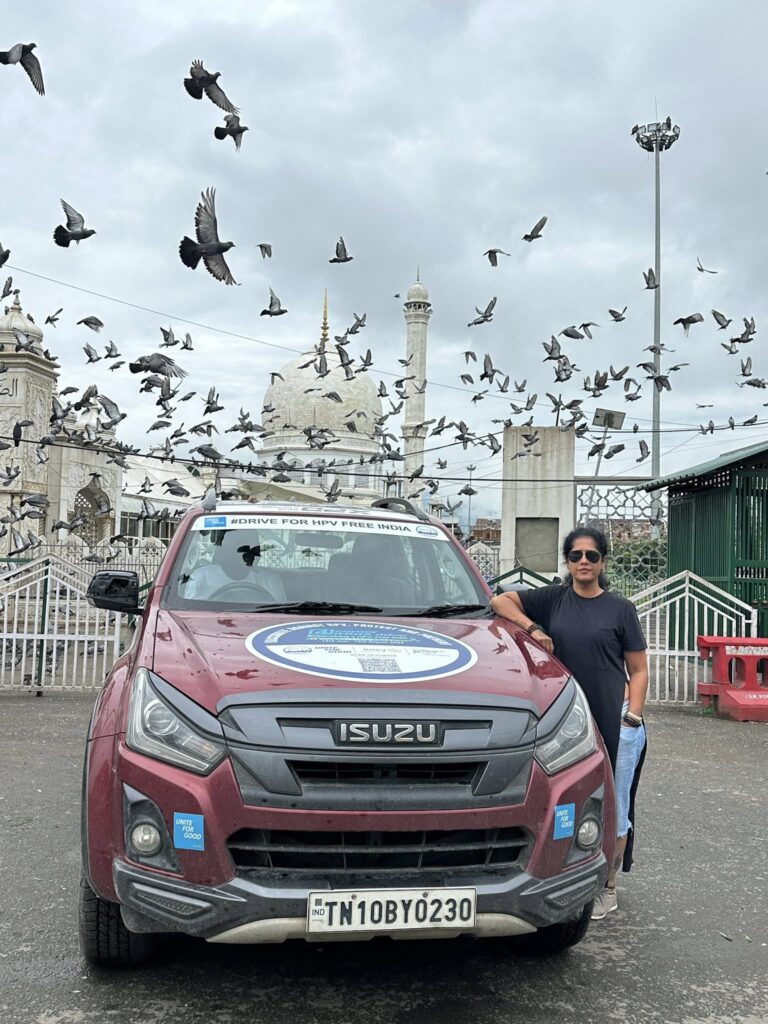
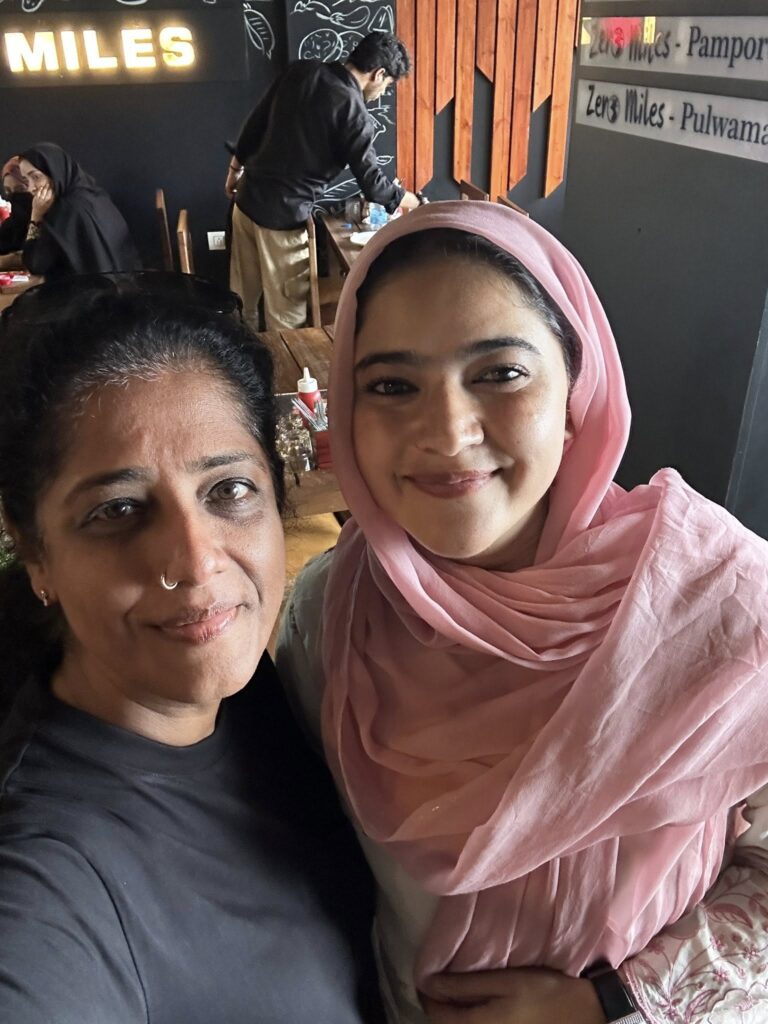
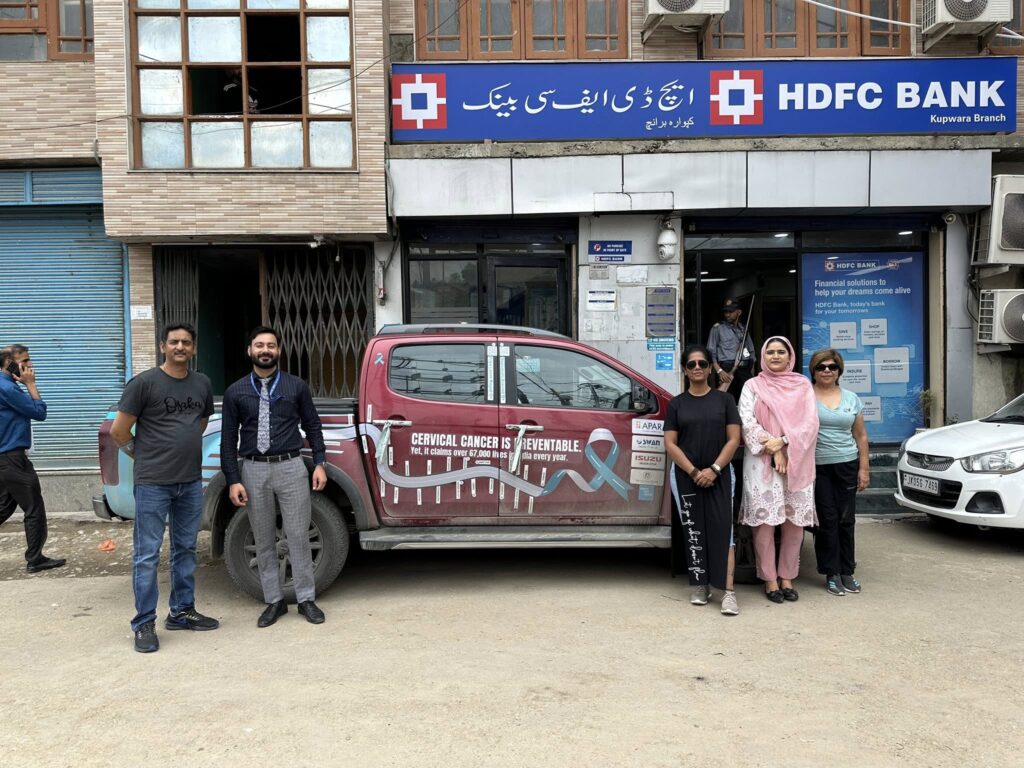
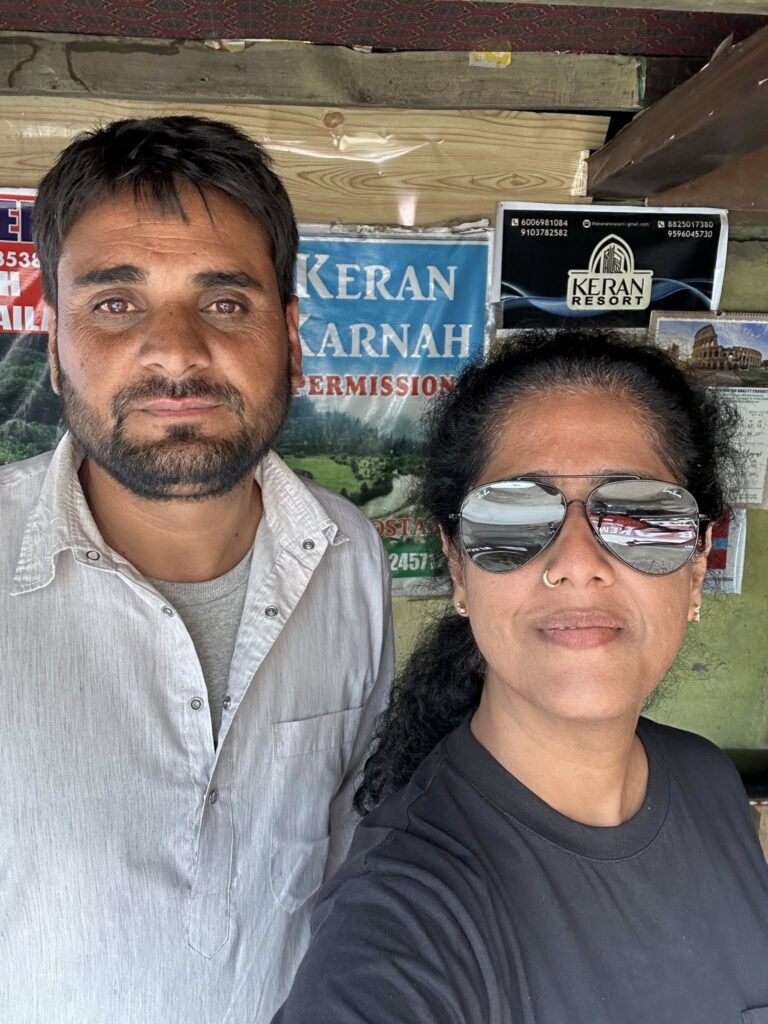
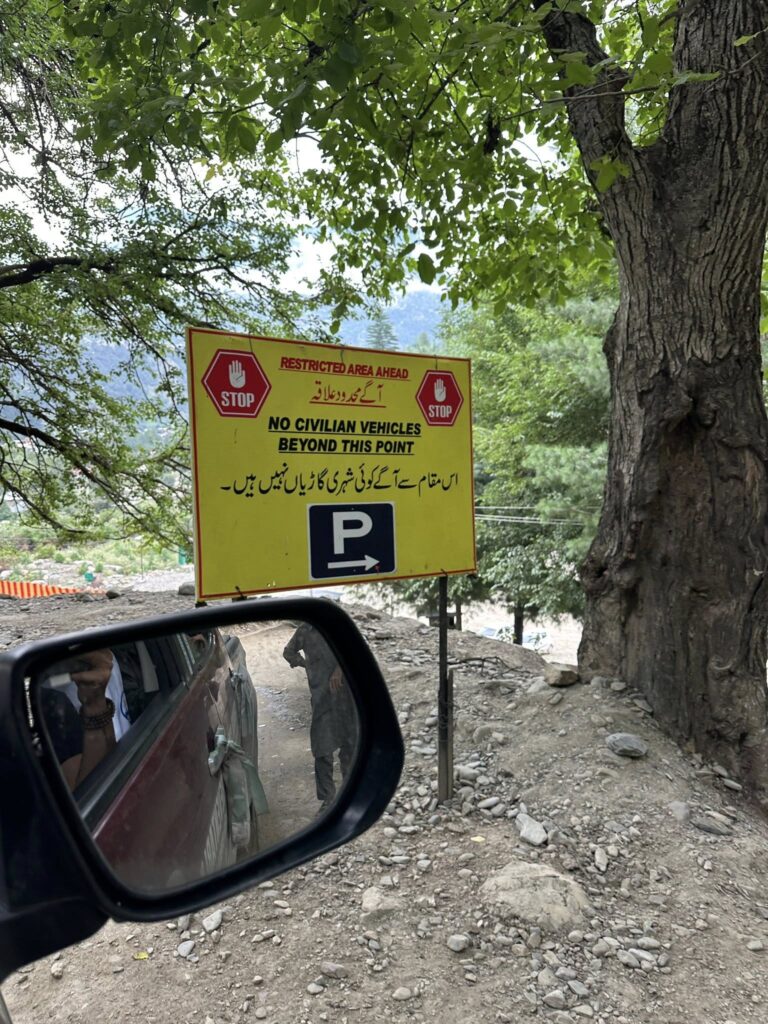
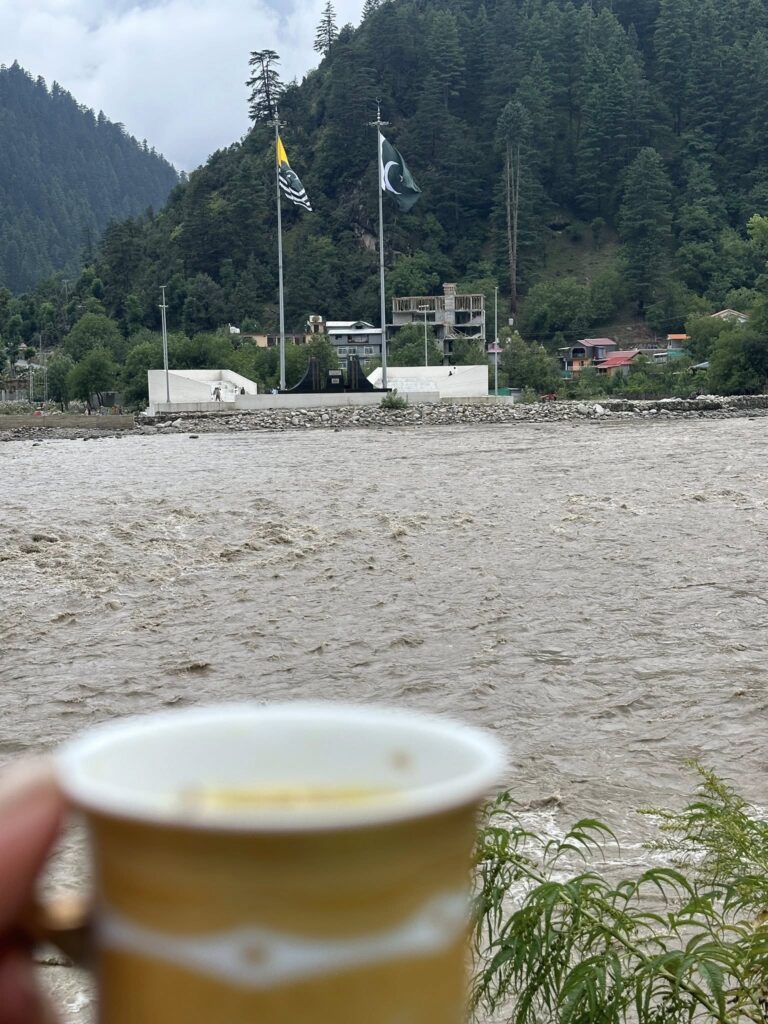
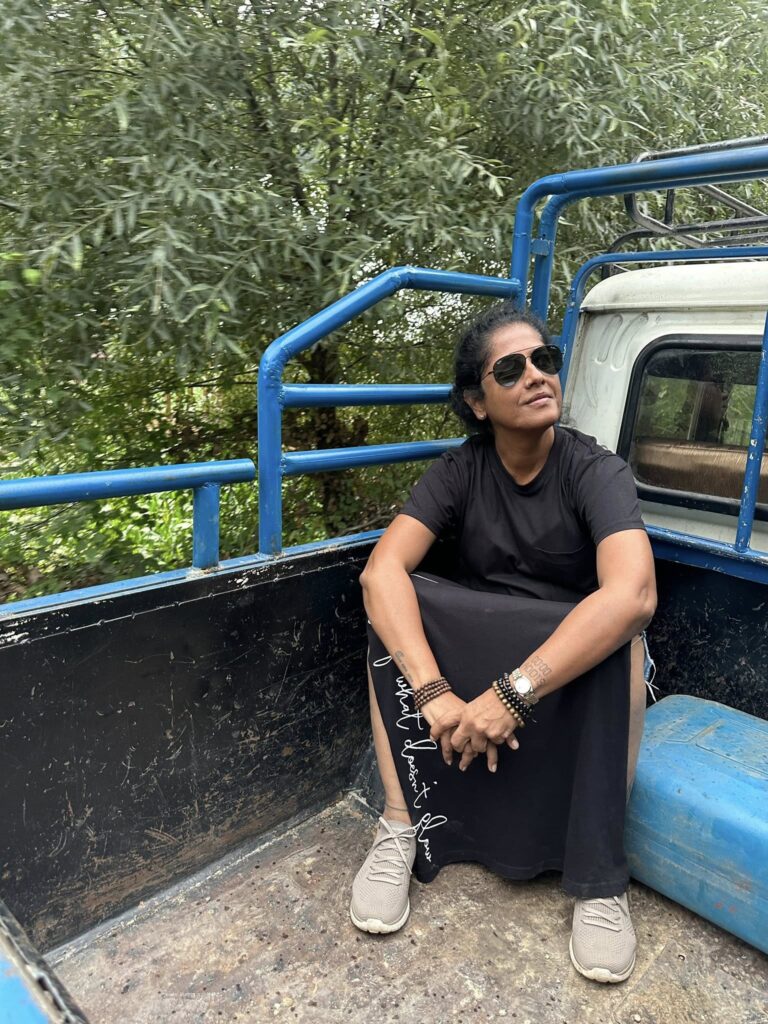
Posting these together because last night, deep in the heart of Keran Valley, there was no network. Just silence, stars, and stories—the kind that stay with you long after the road ends.
We left Srinagar around 9 AM, heading towards Keran Valley with a stop in Kupwara. The drive out of Srinagar was dusty, but the roads steadily improved as we moved closer to Kupwara.
An unexpected connection led us to the local HDFC Bank, where we met the young branch manager and his colleague Ather, a bright, confident 25-year-old woman working there. Educated, independent, and holding her own in this remote part of Kashmir, she left quite an impression. They even insisted on taking us out for lunch—total strangers, yet full of warmth.
This journey has been filled with moments like these—people feeding us, offering chai, coffee, snacks, sweets, sometimes even full meals. No expectations. Just pure, heartfelt generosity. Every single day, we’ve been overwhelmed by it.
After Kupwara, we drove to Kralspora to collect our permit. It had been arranged in advance, and our “permit man” was waiting with the paperwork. ₹300 later, we were cleared to go.
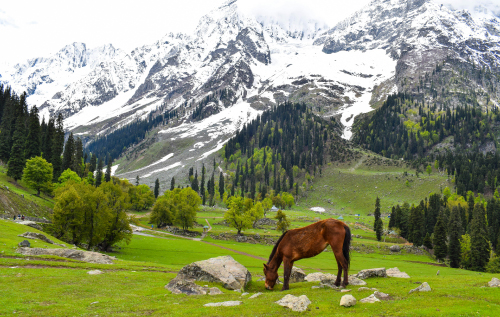
And then came the climb—50 km uphill through some of the most breathtaking terrain we’ve seen. Smooth roads, sharp bends, soaring views. We passed several army camps, and at every checkpoint our Aadhaar cards and licenses were checked. Where are you from? Where are you going? Always polite. Always respectful. Whether it was a young jawan or a senior officer, the dignity was unmistakable.
As we neared the final army post, the network dropped completely. Our host was meant to meet us near the last checkpoint, but communication was impossible. At the barricade, we were stopped. A sign read: “No civilian vehicles beyond this point.”
We parked our car nearby, picked up our overnight bags and essentials, and walked to the checkpost. Our bags were searched, Aadhaar cards retained to be returned the next day. Only then were we allowed to cross.
On the other side, Mr. Hafiz, our host, was waiting with a pickup truck. We climbed in and drove the final 3 km to the guesthouse.
And then—we stood still.
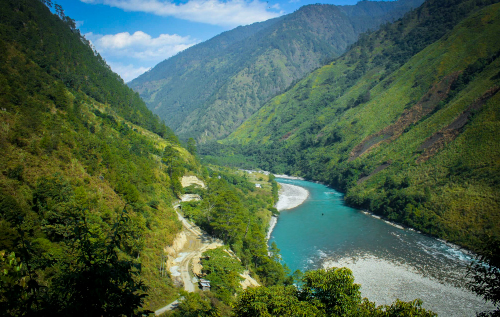
Right in front of the guesthouse flowed the Kishanganga. Barely 100 meters across, on the other side, lay Pakistan-Occupied Kashmir. We could clearly see both flags—the Pakistani national flag and the Azad Kashmir flag—fluttering side by side. The river they call Neelam and we call Kishanganga felt both a divider and a mirror. An island sat between the two streams, as if nature itself understood the weight of history here.
After settling in, we were welcomed with hot, fragrant kahwa, lovingly prepared by a young Nepali boy who works at the guesthouse. Born in Nepal but raised in Keran since the age of four, he has never left the valley. Through snow, silence, and solitude—his warmth was genuine, his smile wide, his kahwa perfect.
Later, we drove through the village. About 200 homes on our side, a school, small shops, winding paths that lead ever closer to the edge. In some places, P.O.K. lay less than 100 meters away. And yet, life felt gentle.
What struck us most was the absence of visible military. The army is here, of course—but tucked quietly into the mountains, away from daily life. No intimidation. No shadow of authority. Just silent vigilance. Protection without intrusion.
In this valley, where borders blur and rivers whisper old stories, what you feel most is not tension—but grace.
Dinner was simple—vegetables, dal, rice, and dahi. Nourishing in every sense. We sat outside as the light faded, watching the green flags flutter across the river. Not with anger. Not with fear. Just stillness. And a quiet, overwhelming sense of pride.
At night, I fell asleep to the sound of the river flowing beside me, thunder rumbling softly in the distance. By morning, everything felt freshly scrubbed—crisp, clean, and deliciously nippy.
We sipped our last cup of kawa by the river before packing up. Two final stops awaited us.
Just 100 meters from the guesthouse stands a tiny historic home—the site of India’s first post office. A soft-spoken man lives there with his mother and runs a small guesthouse. He handed us postcards and urged us to write home. “Anywhere in India—it’ll reach in seven days,” he said. We wrote. We smiled. We took pictures. A quietly emotional moment.
Nearby, our Tricolour flew proudly, across from Pakistani flags. Beside it, a sign read “Rooh-e-Hind”—the soul of Hindustan. In that moment, everything I felt came together.
At the final checkpost, security was thorough. Every zipper opened. Every item checked. Eventually, we were cleared. We walked back to our car—Laal Pari—and paused. We were at the northernmost tip of India. Corner #2 of our Four Corner India drive. Monumental. Overwhelming. Unforgettable.
We said goodbye to Mr. Hafiz and drove back, each checkpost signing us out in reverse. Kupwara came quickly, and by 3 PM we were back in Srinagar. Dust, traffic, chaos—such a contrast.
The day ended quietly by Dal Lake. Watching the sun melt into the water, I felt it all settle inside me. A chapter closed. A corner touched. A memory carved deep into my soul.
Jai Hind.
Convoys, Chaos & Chai
What was meant to be a straightforward city-to-city drive turned into a long, dusty, patience-testing kind of day. We had a slow, easy morning and only left around 9 AM—completely forgetting about the road closures at the Banihal toll gate.
Sure enough, by the time we reached, traffic had already been halted for the Amarnath Yatra convoy. As part of the security protocol, yatris are moved in tightly guarded batches, and when that happens, everyone else waits. We were parked under the blazing sun at Banihal for nearly an hour and a half.
Once the gates finally opened, it was utter chaos. Cars, buses, bikes—everyone surged forward at once in a mess of honking metal. Stressful, cramped, and definitely not a road you want to be on during convoy day.
Midway, we detoured briefly to refuel at Ramban, and after what felt like an endless crawl, real relief came when we hit Udhampur. From there, we took a road that veered off the highway toward Pathankot—and suddenly, everything shifted.
The last 150 km was pure balm. Potholed roads, yes—but spectacular views. Endless green valleys, rolling ridges, and a calm that finally settled over us. The one true saving grace of the day.
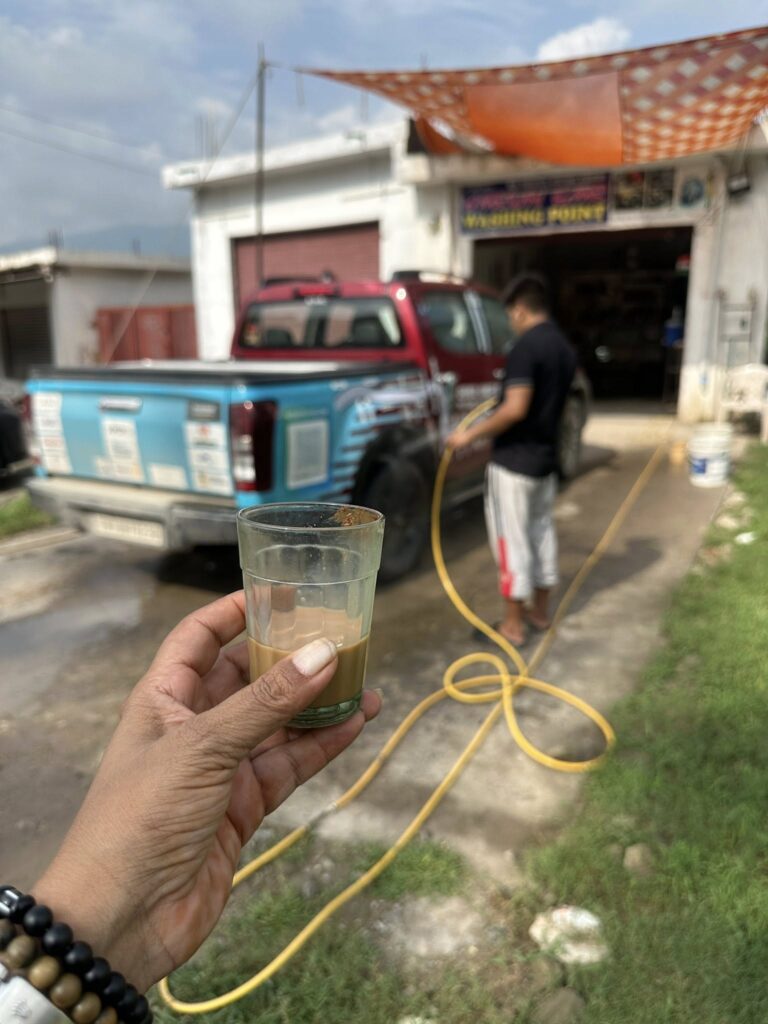
We also gave Laal Pari some much-needed TLC. She’s been trudging through slush and rain for days, caked in stubborn layers of mud. While we sipped on hot chai, she got a thorough wash and a little love.
We were meant to reach Pathankot by 4 PM, but rolled in only by 7. On paper, it was just 308 kilometers. By the end of it, it felt like we’d crossed three states, aged a few years, and definitely earned that cup of chai.
A long day—but it ended better than it began.
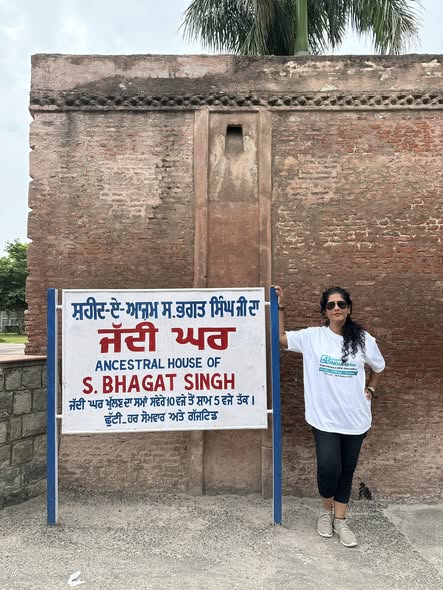
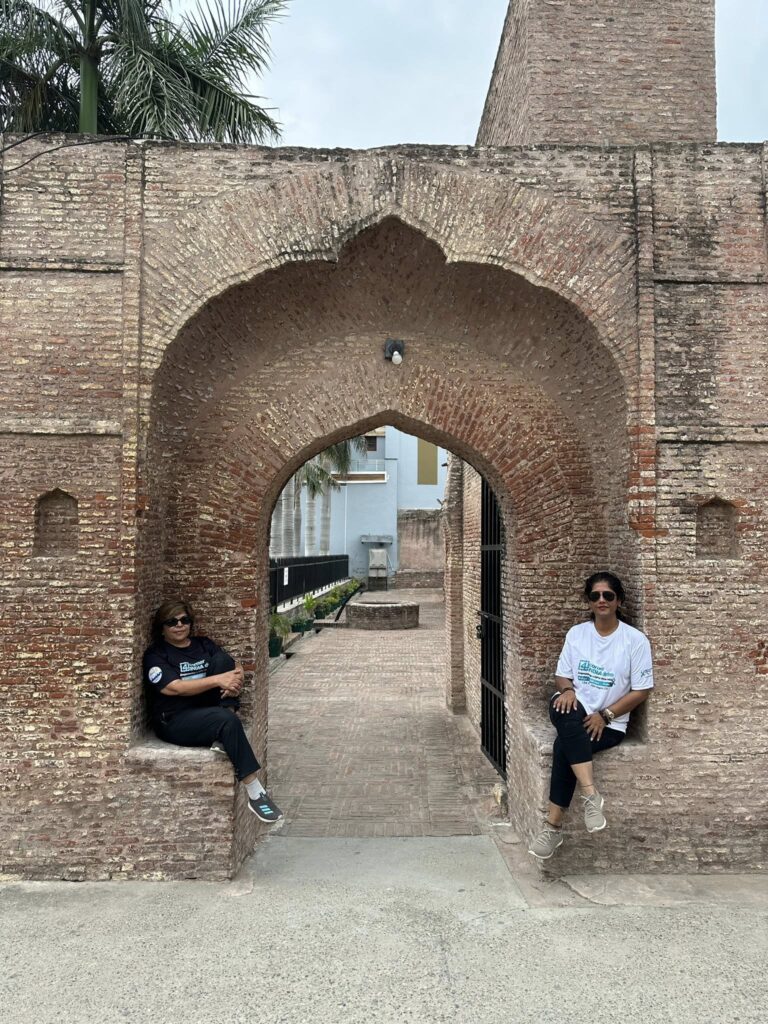
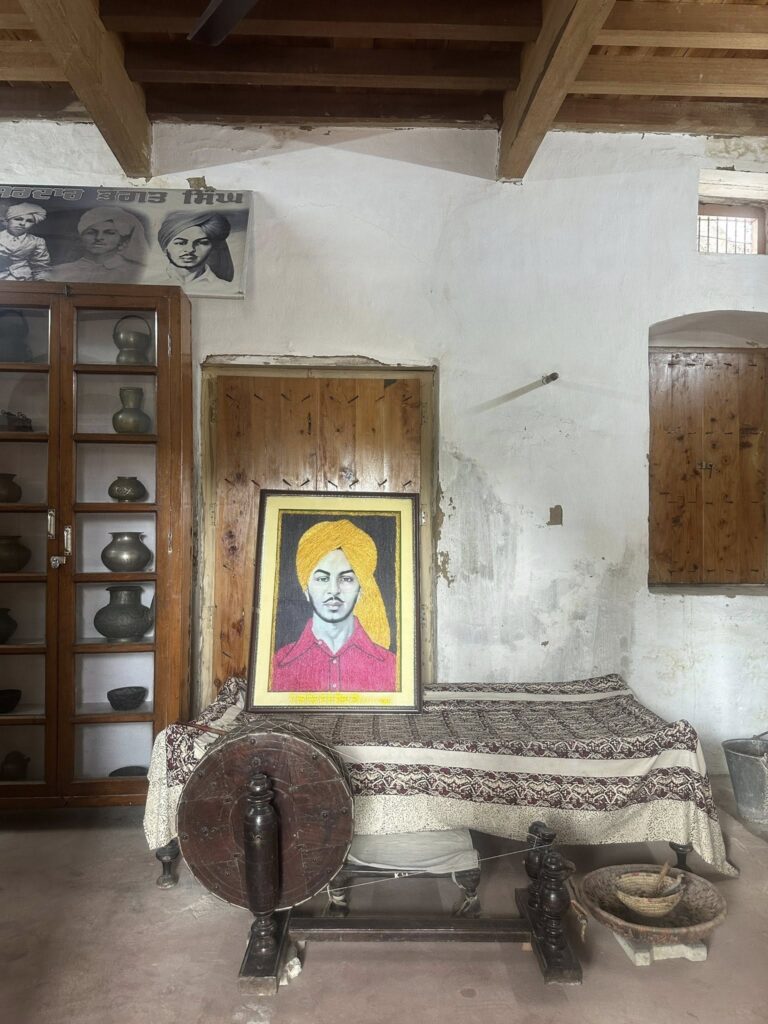
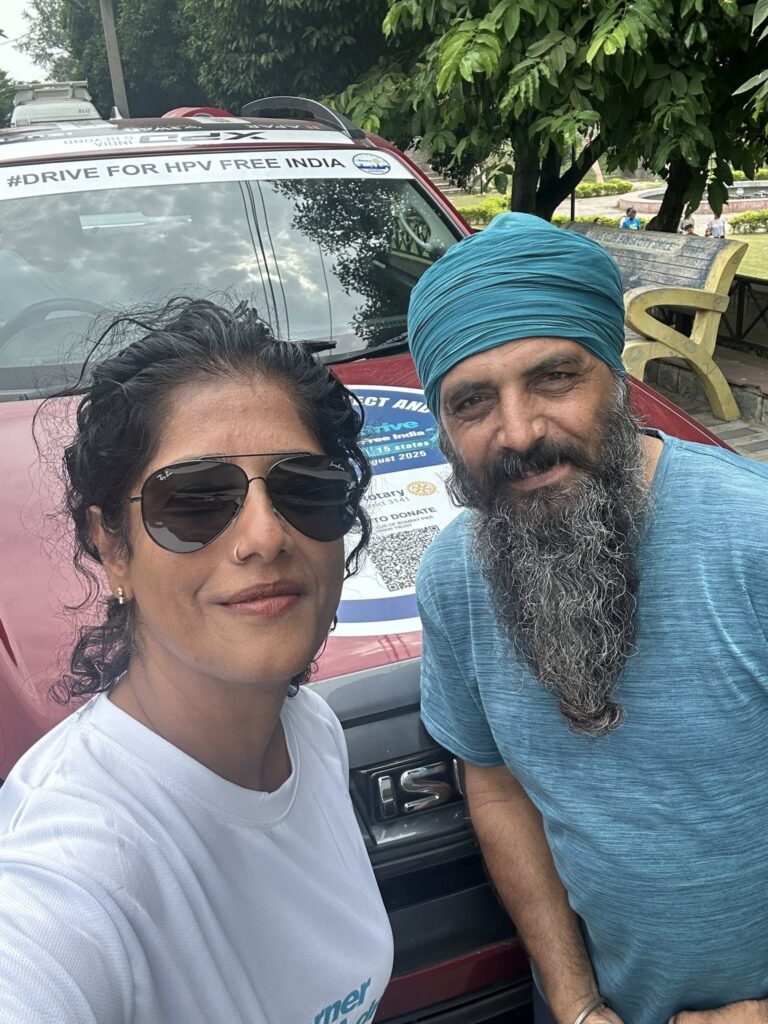
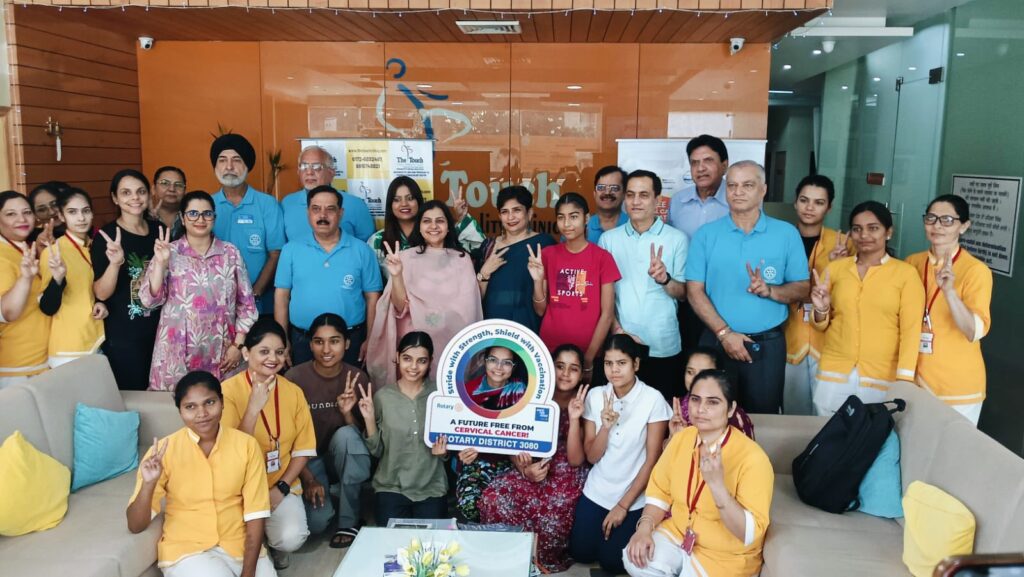
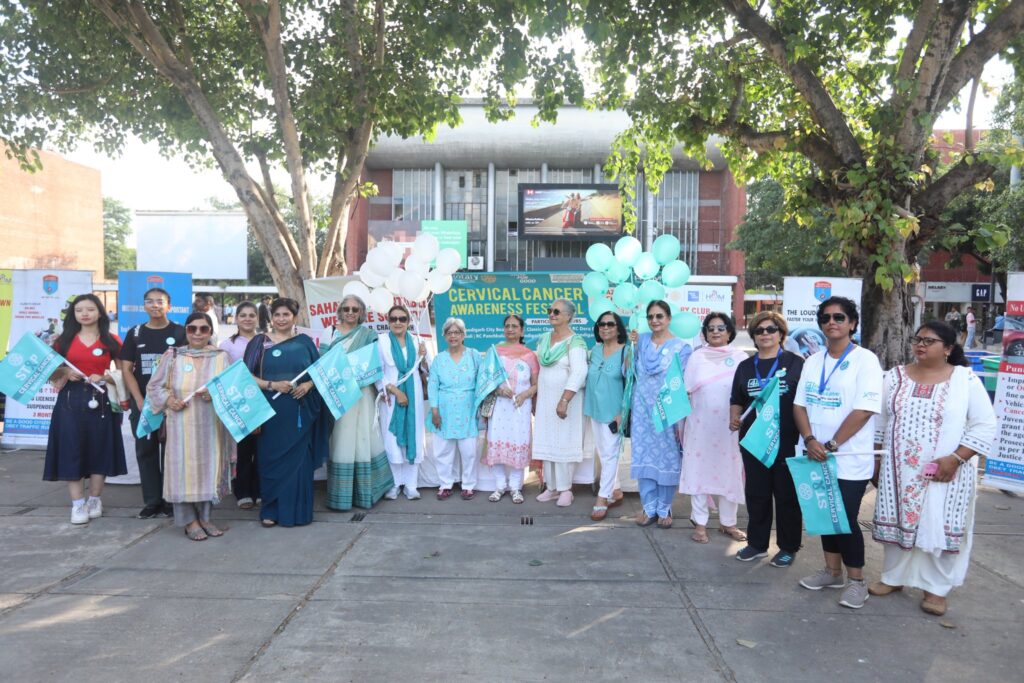
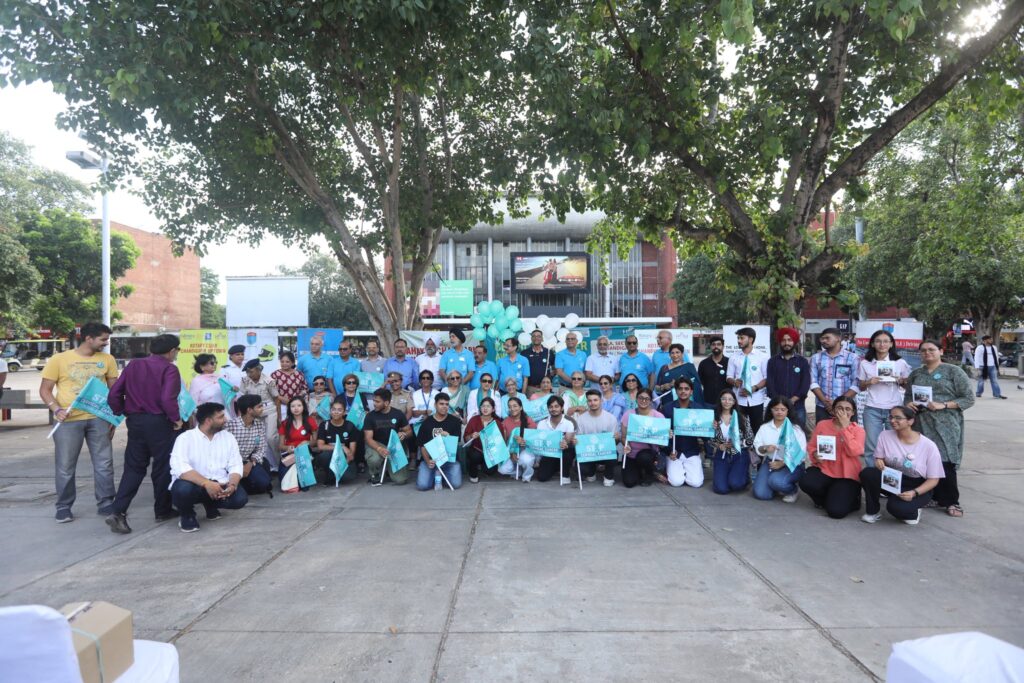
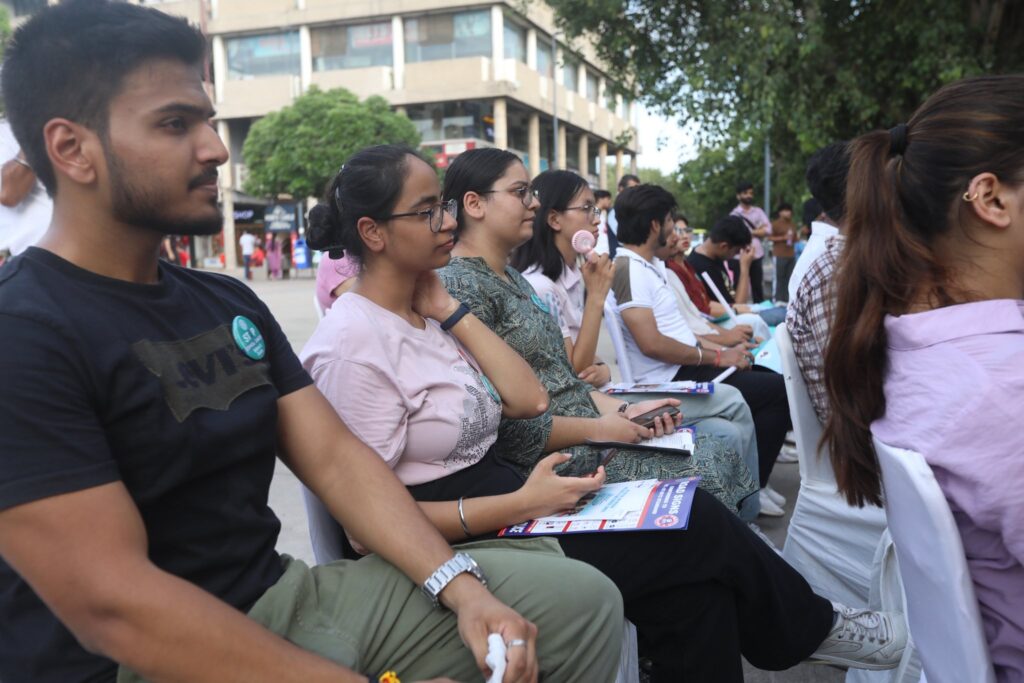
The day began with a beautiful surprise—an unplanned, quiet stop at Shaheed Bhagat Singh’s ancestral home in a small village. We hadn’t intended to go there, but it turned into one of the most powerful moments of the journey. There’s something unforgettable about these accidental detours.
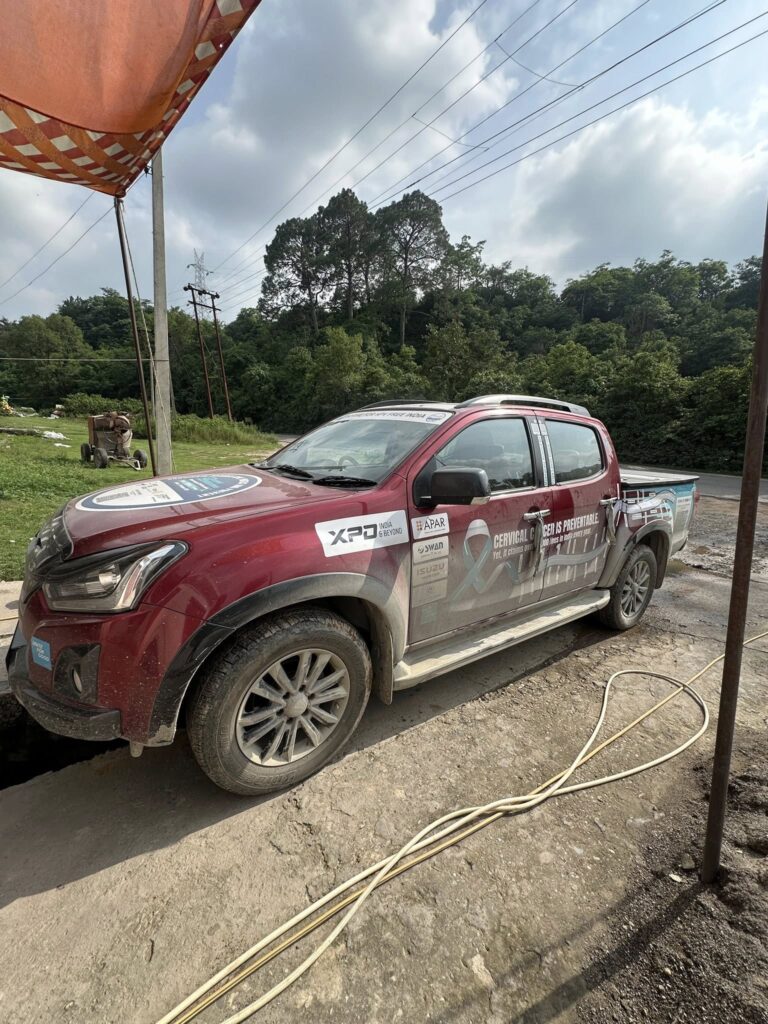
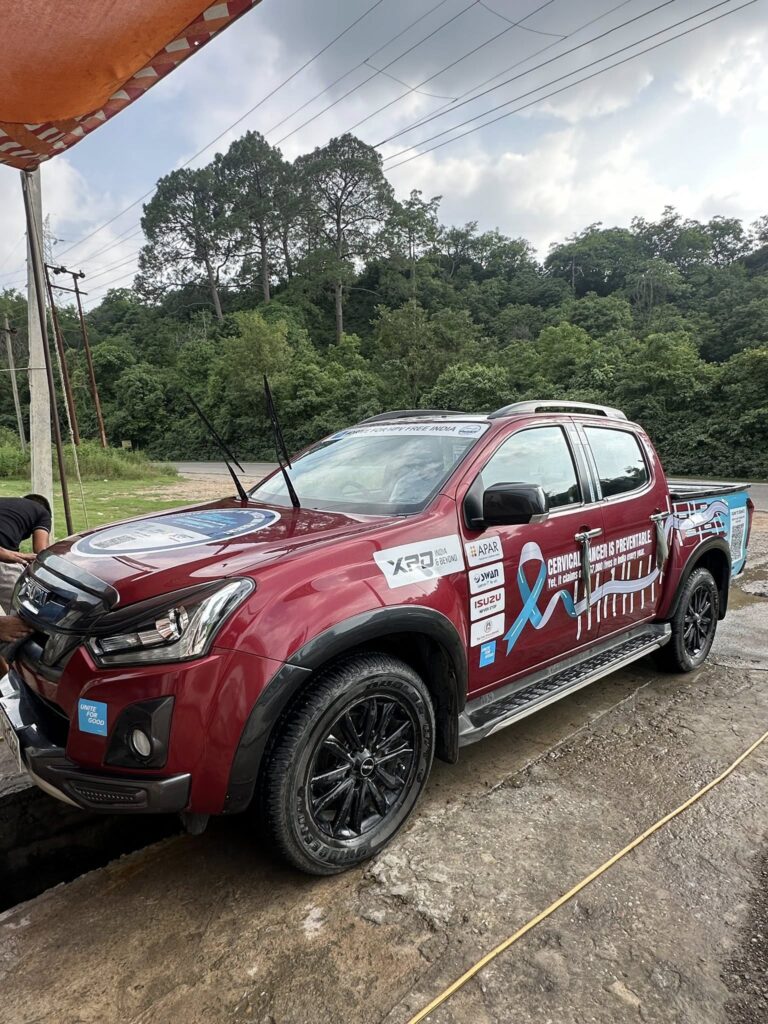
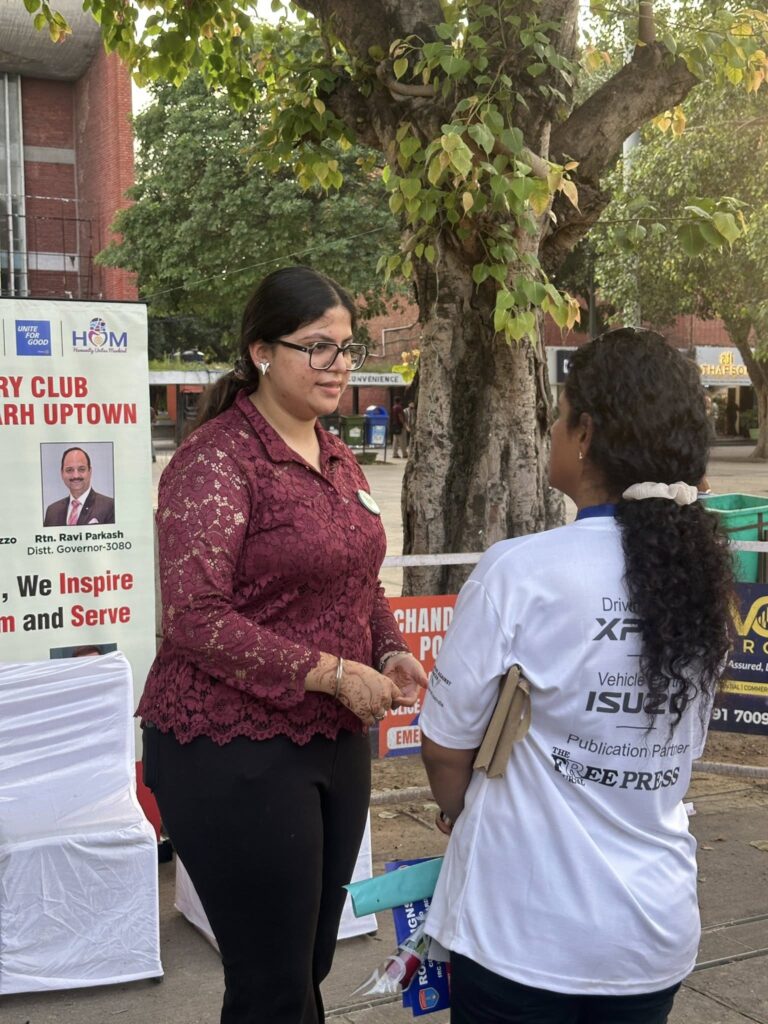
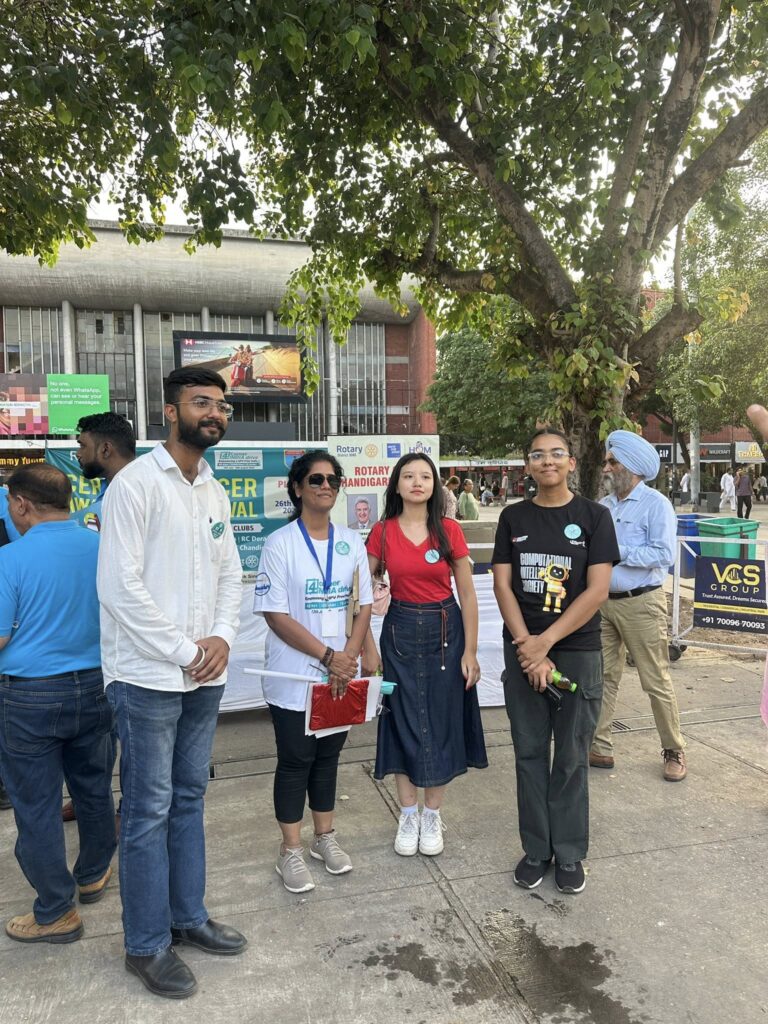
We reached Chandigarh by early afternoon and headed straight to the Isuzu service centre for a quick check on Laal Pari. We’ve already clocked 5,000 km of the 15,000 km we’ve set out to do, so this pit stop felt like important preparation for the 10,000 km still ahead. In under an hour, filters were cleaned, brake pads inspected, coolant and washer fluid topped up, and oil checked—quick, thorough, and reassuring.
The rest of the day blurred into Rotary activity under a blazing sun. It was a scorcher—38°C even at 5:30 PM, with humidity making it feel even hotter.
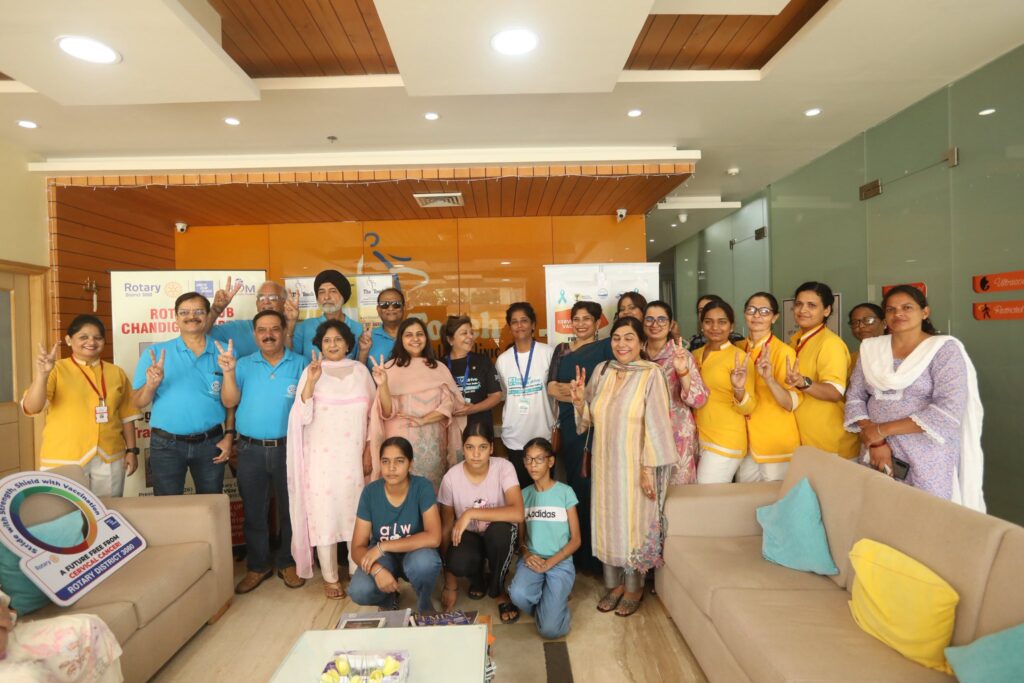
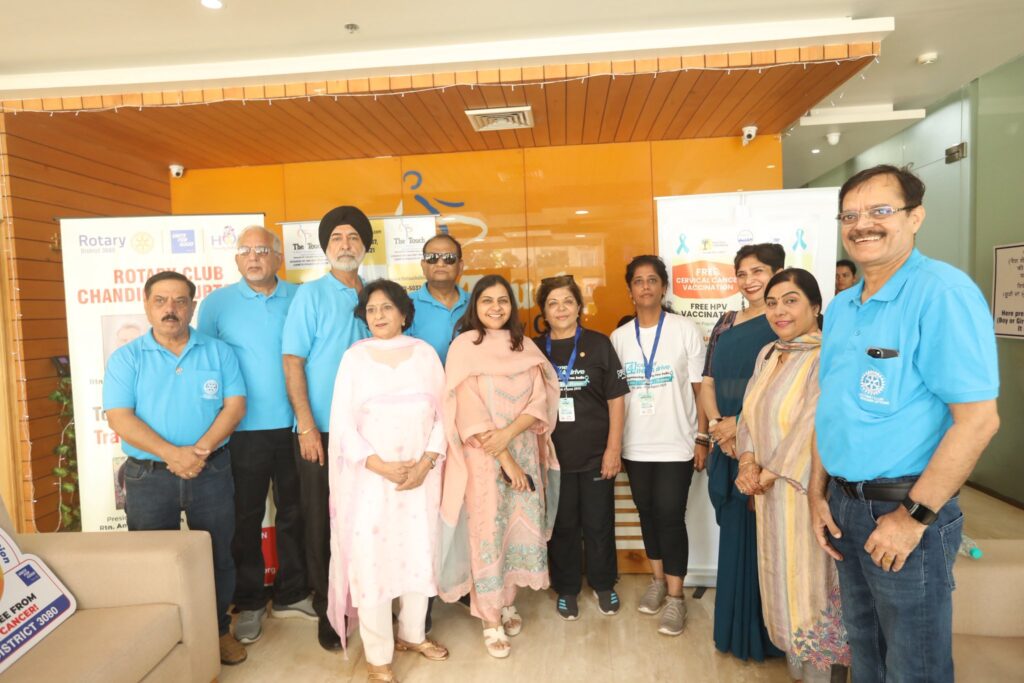
• First, a vaccination drive at Touch Clinic, where 50 girls received their shots.
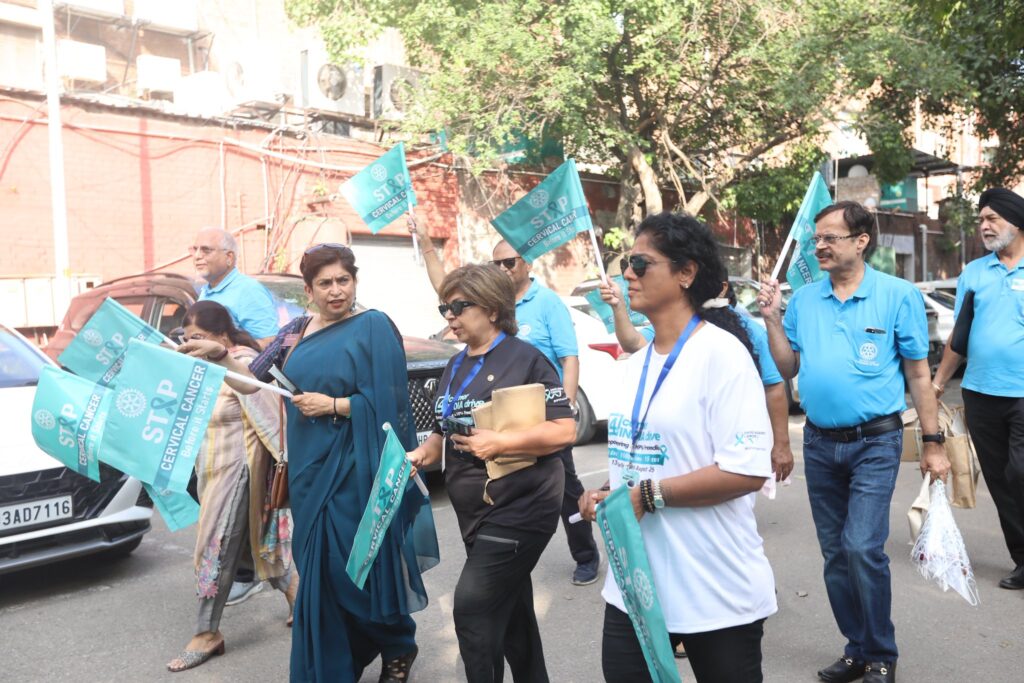
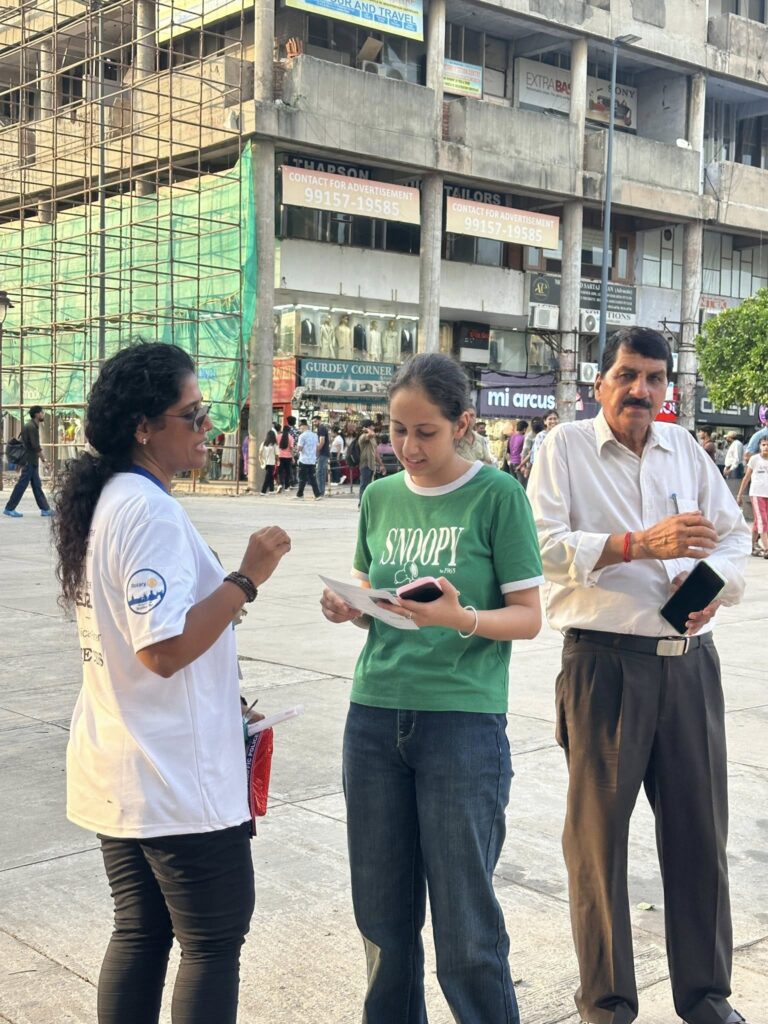
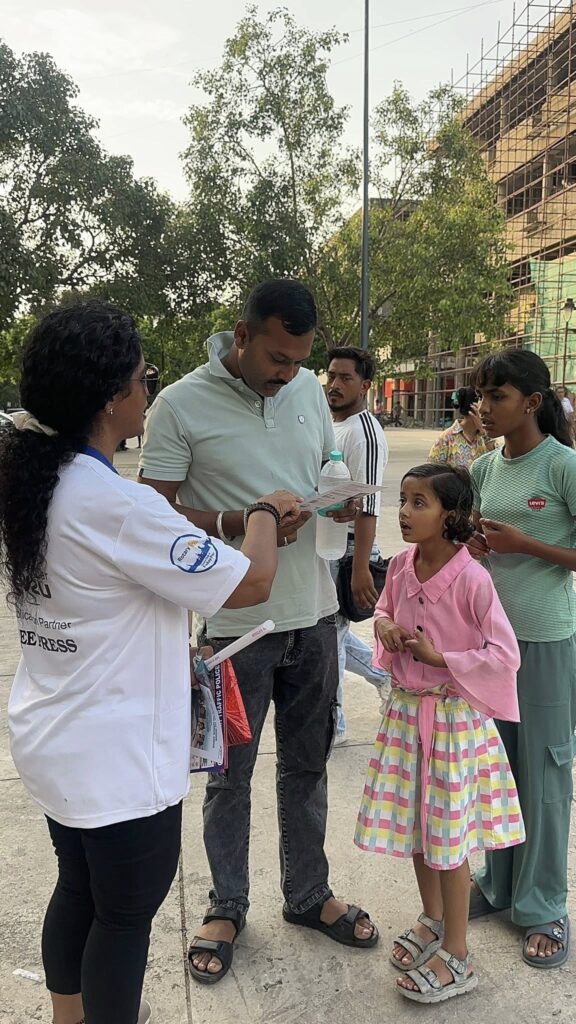
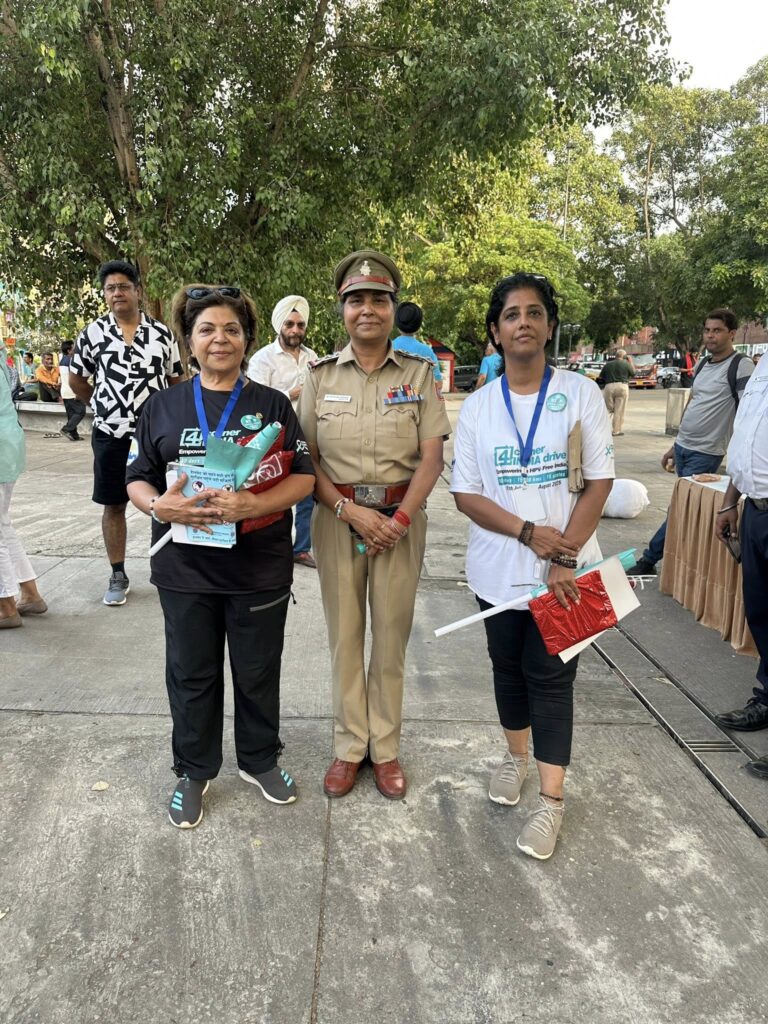
• Next, a 20-car rally through the city, organised in coordination with the traffic police. Over 100 people attended—multiple Rotary clubs, road safety advocates, and the general public—making it a lively and impactful event.
• Finally, a third Rotary gathering at a nearby hotel, which we politely ducked out of around 8 PM.
Exhausted but content, we ended the day with some yum-yum food from Seti Dhaba—and called it a night.
Today’s drive was a slog—460 km of dry, lifeless highway that seemed to stretch endlessly with nothing redeeming in sight. The landscape was flat, boring, and sterile. No trees, no views—just an endless parade of loud, unsightly dhabas and a dizzying repetition of McDonald’s, Starbucks, Subways—fast-food clones stacked one after another. No relief. No charm. No sense of place. Painfully dull. Zero nourishment for the eyes or the spirit.
Just heat—40°C of it—and the kind of monotony that makes time crawl. Easily one of the most uninspiring drives I’ve done in recent memory.
The only saving grace came at the end—the last 200 km on the Yamuna Expressway. Smooth tarmac, clean stretches, and finally, the chance to pick up good speed. A small reward after an otherwise soul-sapping day behind the wheel.
I’m almost never home for my birthday. I’m usually somewhere else—alone, on the road, in some godforsaken land—chasing the next story or horizon. But this year is different. Because of this drive. Because Priya suggested these dates and I simply went along with it.
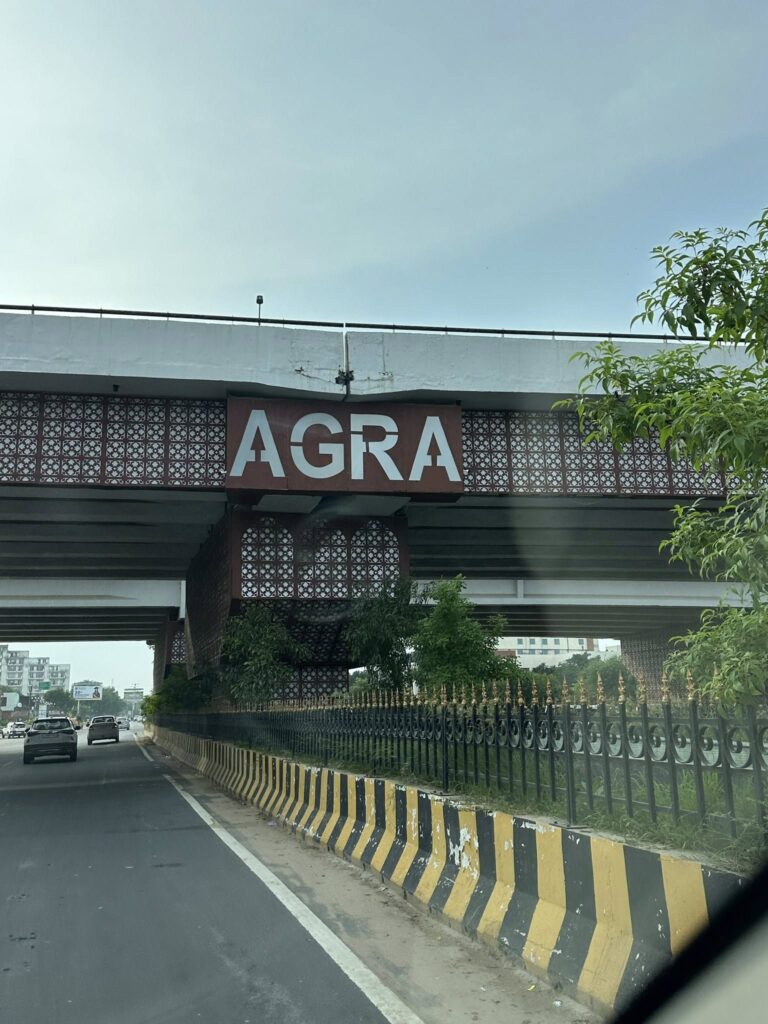
And so I found myself here. In Agra. With a dear friend who drove in all the way from Delhi just to be with me today. Unplanned. Unexpected. And perhaps that’s what made it special.
This year, it is what it is. And somehow, it’s exactly what I needed.
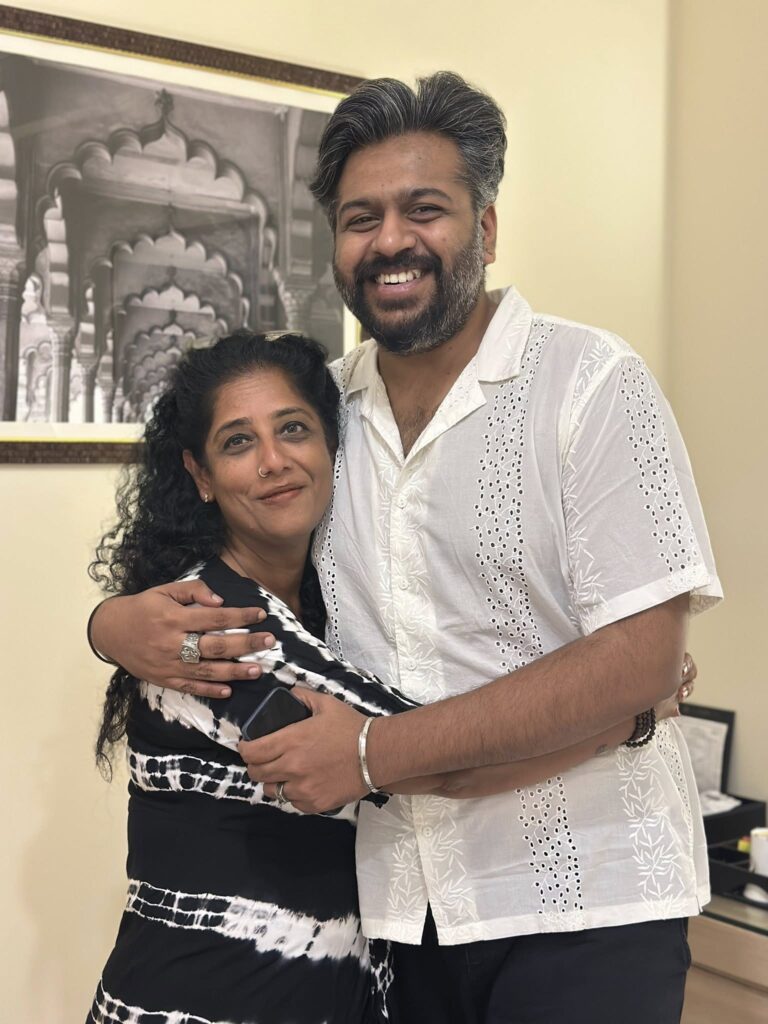
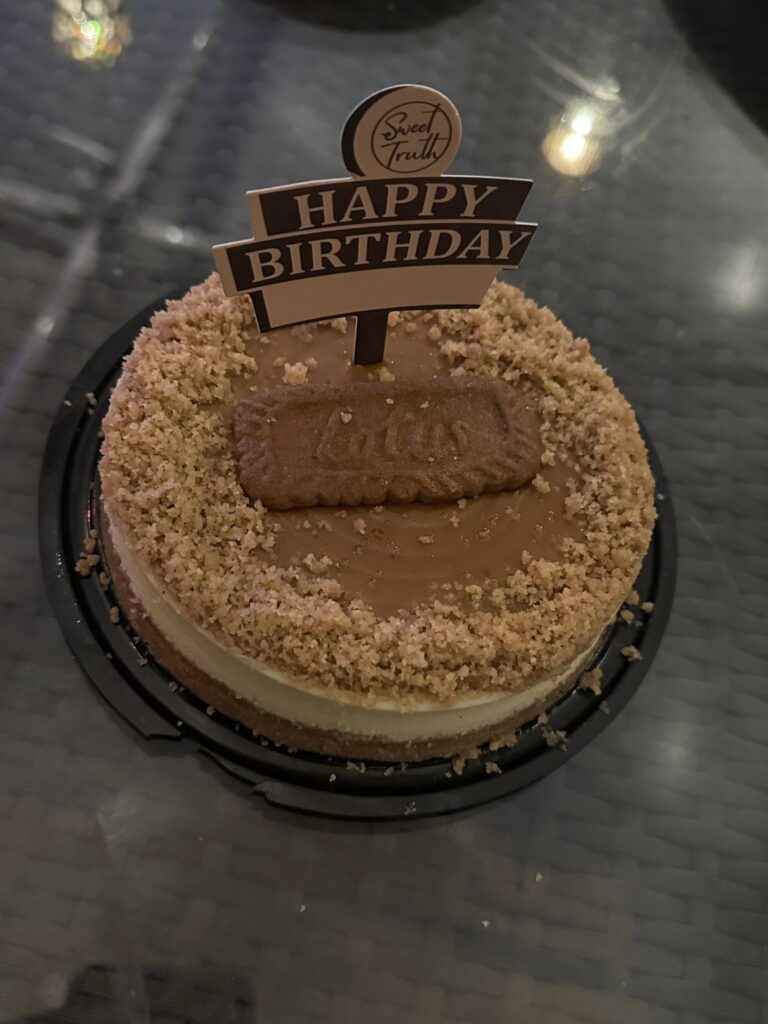
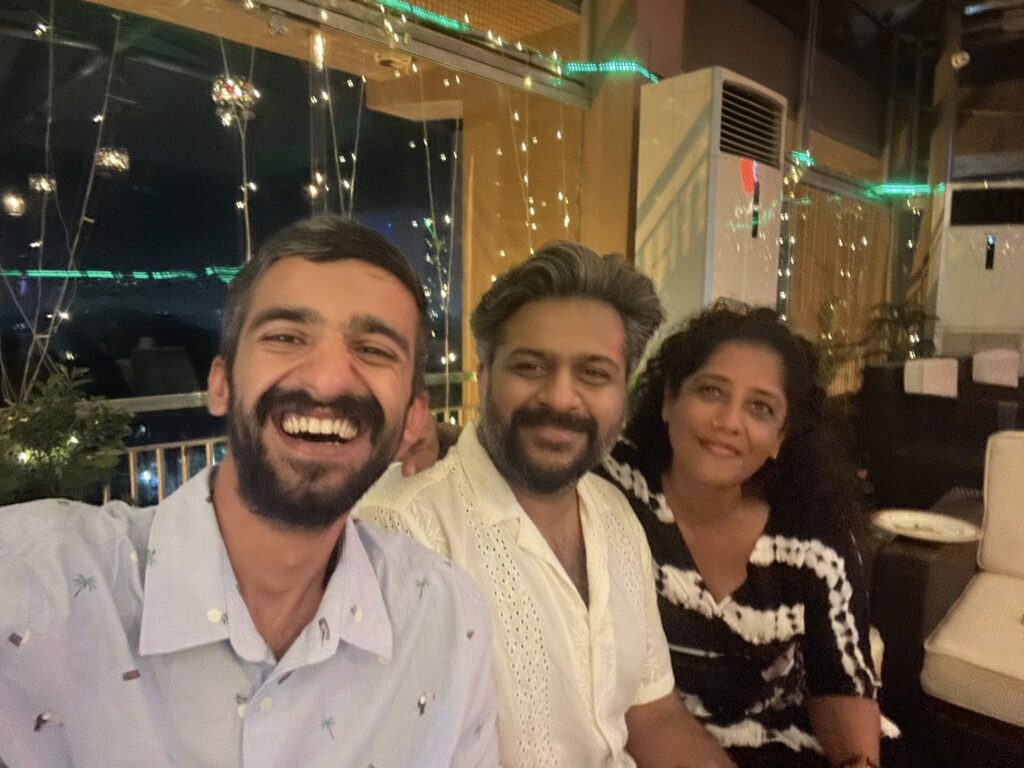
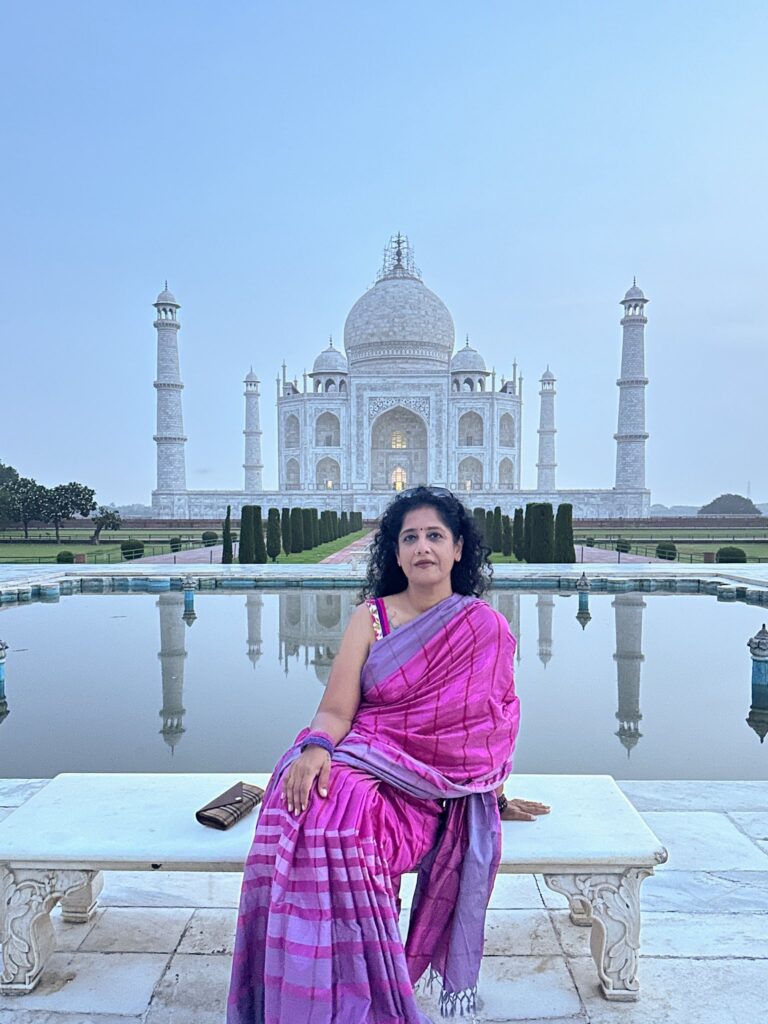
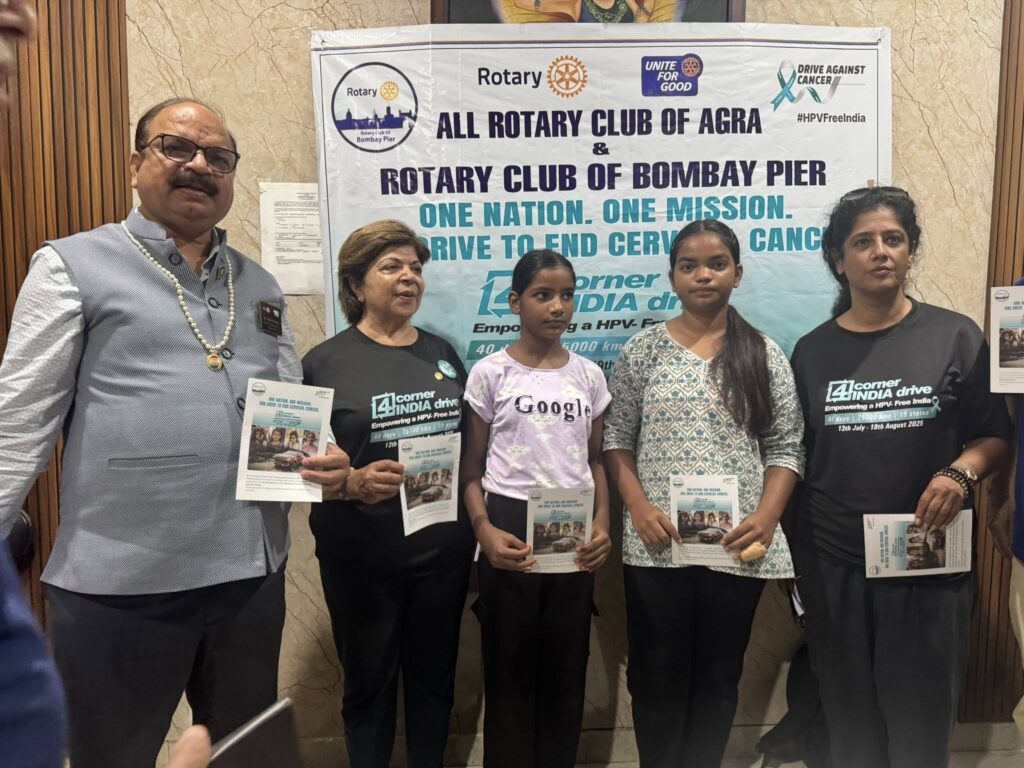
Last night turned out to be really special. Matt showed up from Delhi just to spend a few hours with me for my birthday. He arrived late, but we cut cake, had a few drinks, and laughed our way through the night. It already felt like a celebration.
But the real highlight came this morning. We left in the dark to see the Taj Mahal at sunrise—something a dear friend had suggested—complete with a photographer who knew every secret corner of the place.
We were up at 3:30 AM (on barely three hours of sleep) and reached the East Gate by 4:30. We were literally the first people there. The gates hadn’t even opened yet. And our photographer—a tiny, unassuming man you’d never look at twice—turned out to be *the* guy. He opens the gates. Switches the lights on. Knows the Taj like it’s his own home.
And just like that, I became the first person to walk into the Taj Mahal that morning. On my birthday. In that golden silence before the world wakes up.
Our photographer was a treasure trove of stories. He’d been in Octopussy when it was shot here—a blink-and-you-miss-it role as a butler serving tea to Bond. He knew every angle, every story, every play of light the Taj could offer.
We spent nearly three serene hours inside—taking photos, soaking it all in. It was surreal. I’ll admit it—this might be the vainest thing I’ve ever done.
Honestly, I could have been alone in some unfamiliar country on my birthday and been perfectly happy. But this—this was something else. Quiet. Meaningful. Unexpected. And full of grace.
By the time we left, drenched in sweat and awe, the sun was showing no mercy. We hopped into an auto back to the hotel—and that’s when calm gave way to chaos.
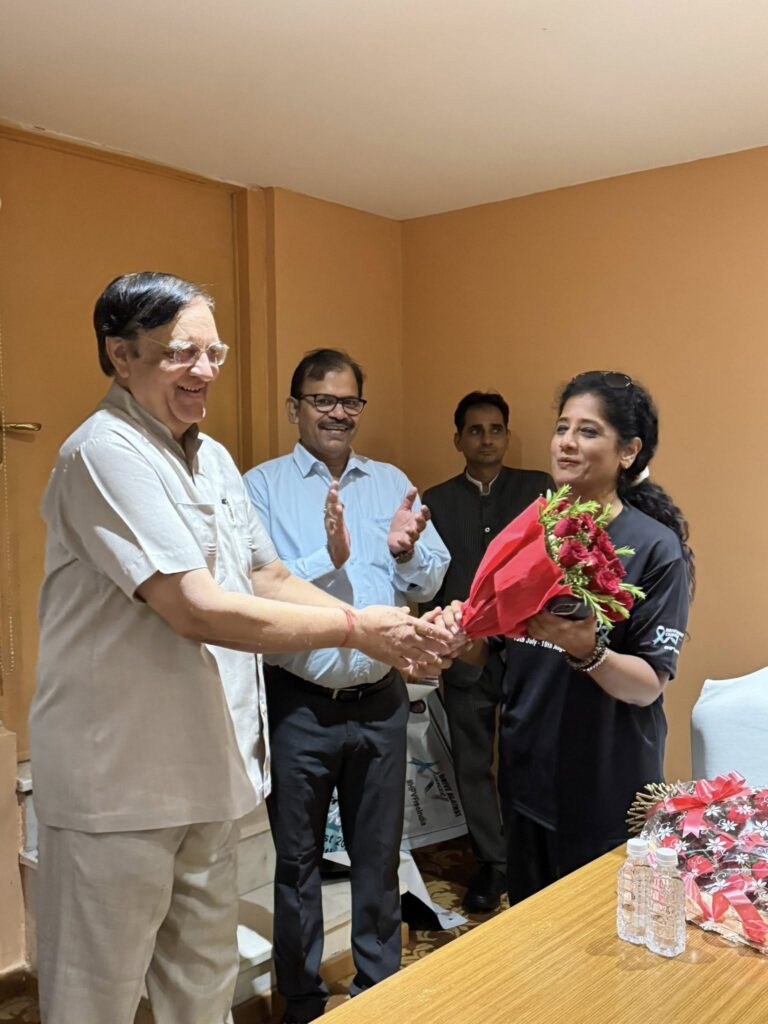
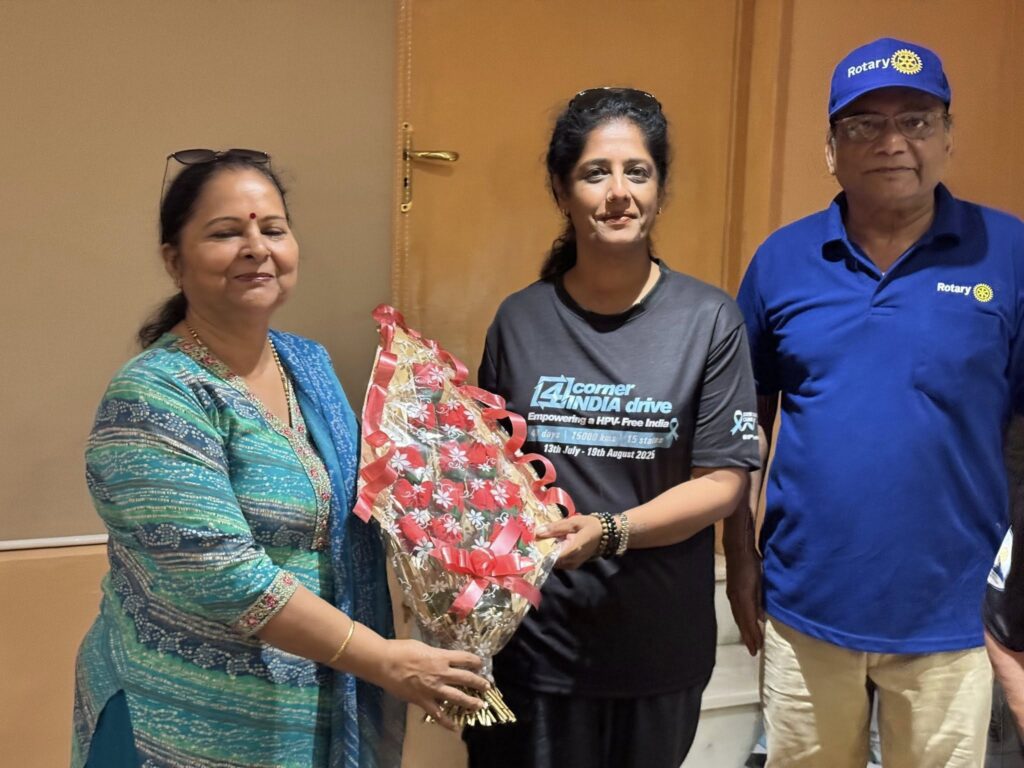
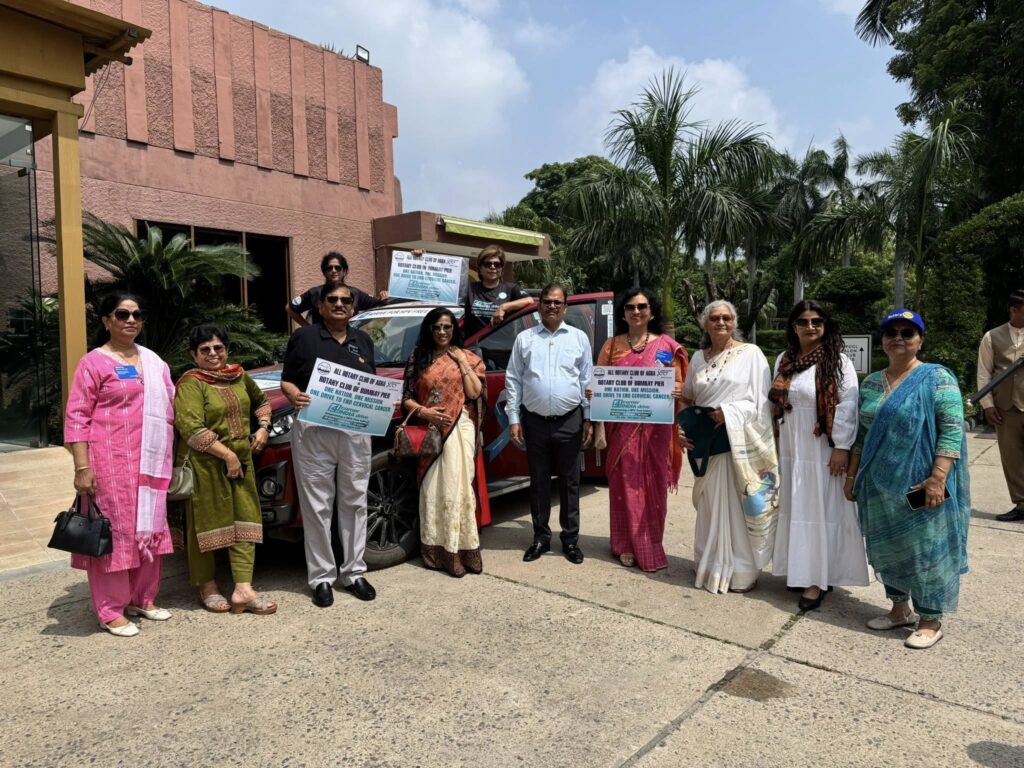
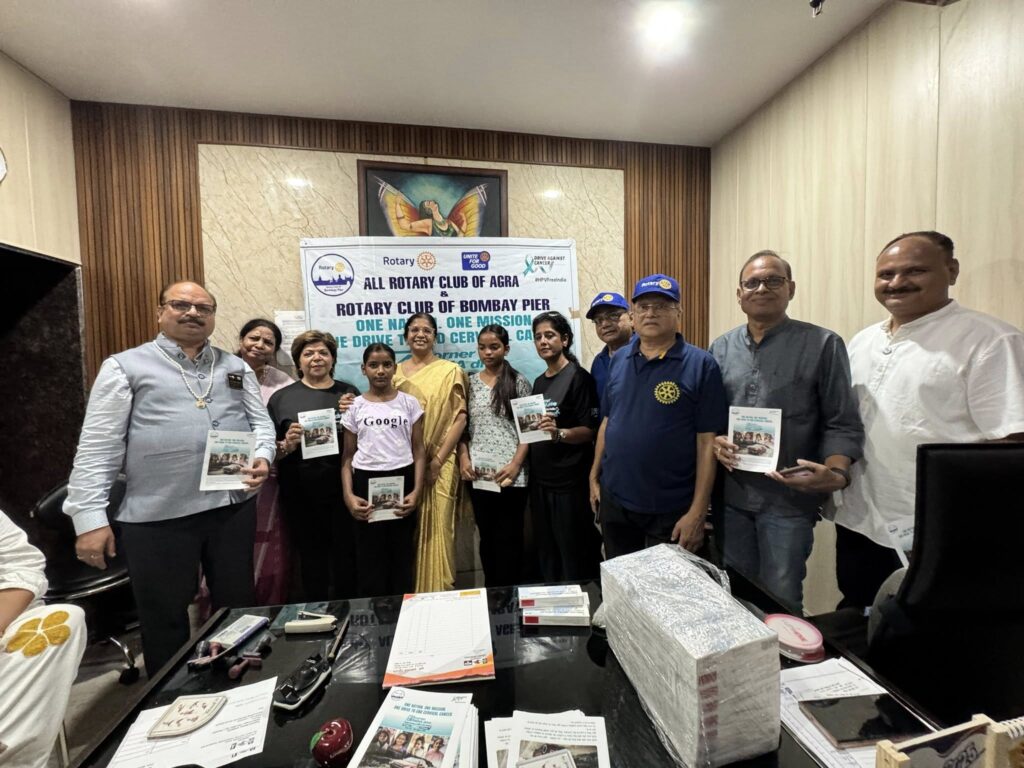
A rushed shower. Bags thrown together. Car loaded. And just as I was catching my breath, the Rotary folks arrived—earlier than expected. From there, it was mayhem. About 30 attendees, speeches, photos, more photos, and then some more. If it’s true that being photographed shortens your life, I must’ve aged a decade in the past two weeks.
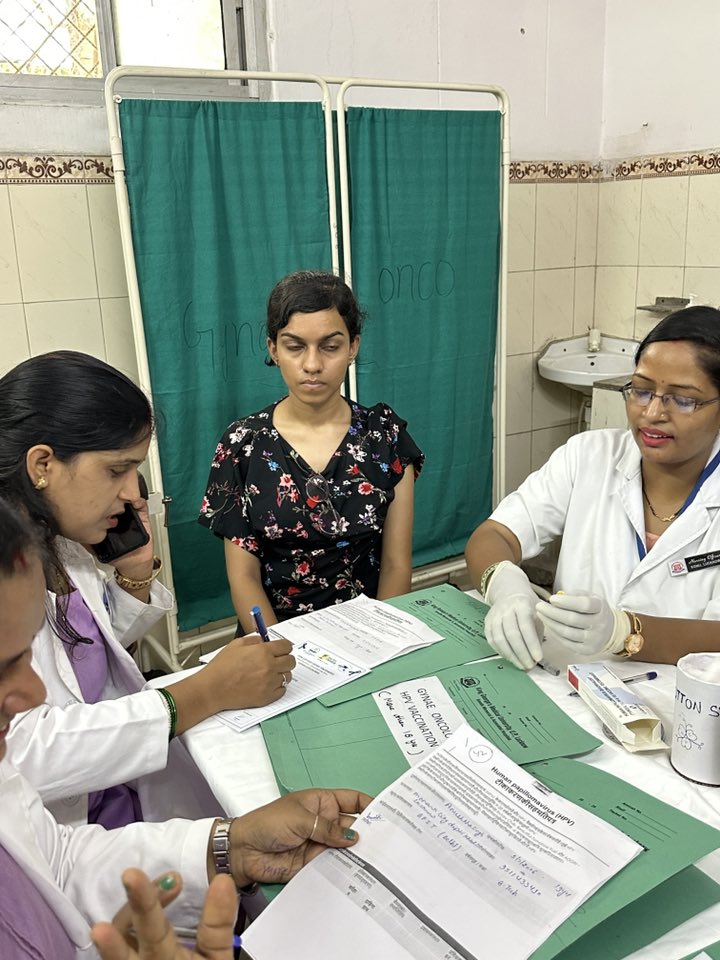
After two hours of smiling through the madness, we headed to a nearby hospital where around 50 young girls received their HPV vaccinations. That moment grounded us again—a small pocket of impact amid the whirlwind.
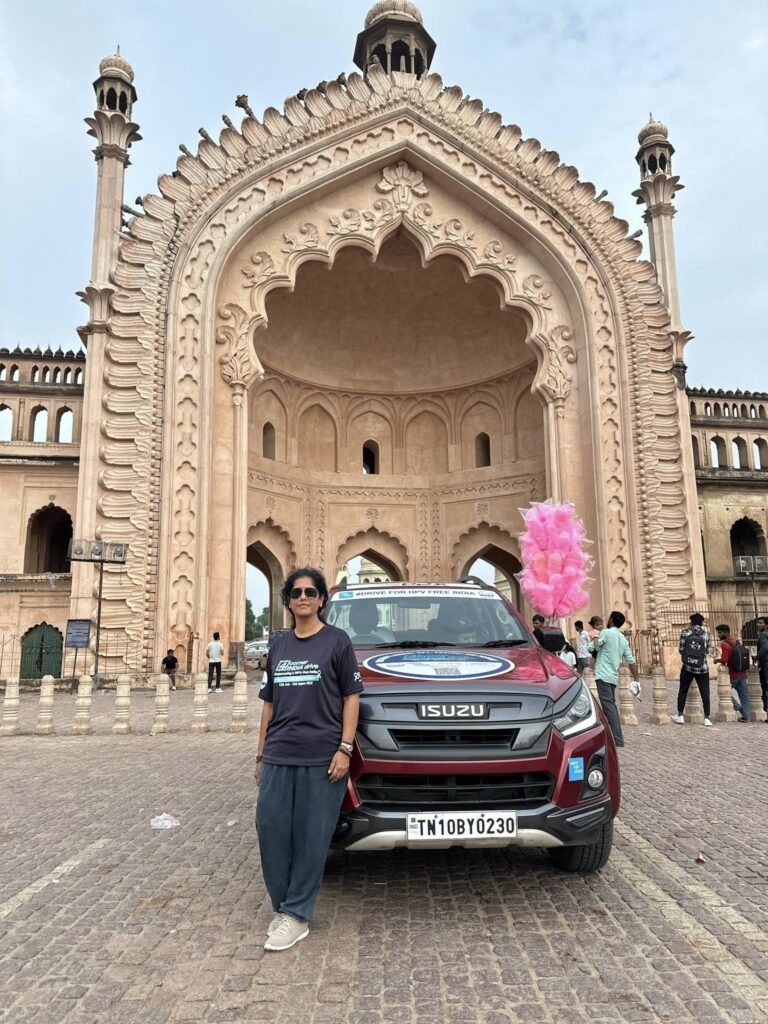
Post that, we hit the road to Lucknow. The drive, like most highways in this stretch, was straight, hot, and uninspiring. For the first time on this journey, I didn’t drive much. Suraj took the wheel while my phone rang non-stop. I only took over again just before entering the city.
We reached Lucknow around 6 PM and checked into the hotel. I was running on fumes—but something about the city, or maybe the spirit of the day, nudged us to head out again.
After a short rest, we rickshawed our way into Old Lucknow. No driving. Just letting the city unfold. Narrow lanes, old architecture, photographs, and a relentless chase for flavour.
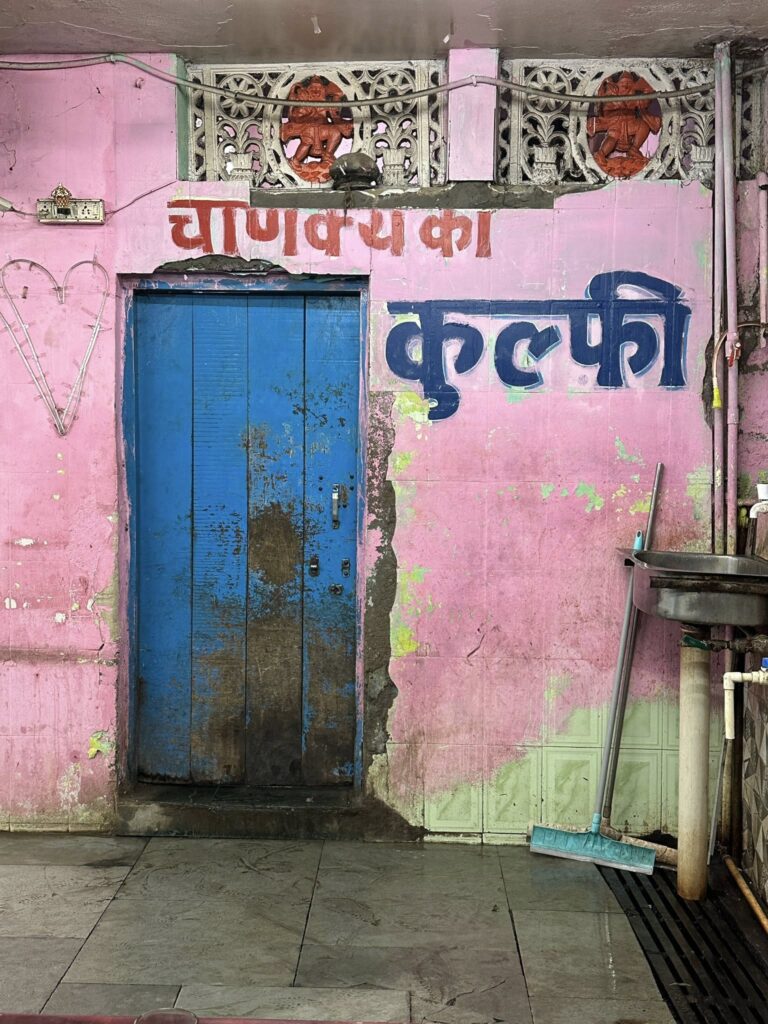
The food was unreal. Chaat that struck the perfect balance of tangy and spicy. Kebabs that melted like butter. And the kulfi—the kulfi—was not just to die for… I’d kill for it too.
I never imagined my birthday would begin in the quiet majesty of the Taj and end in the loud, fragrant, soul-stirring streets of Old Lucknow. Unexpected. Unplanned. And somehow—perfect.
The drive today was plain and predictable—312 km of straight highway, a touch of traffic here and there, but nothing worth writing home about. No standout views, no curious encounters, no meaningful stops. Just miles quietly rolling beneath our wheels.
But the morning made all the difference.
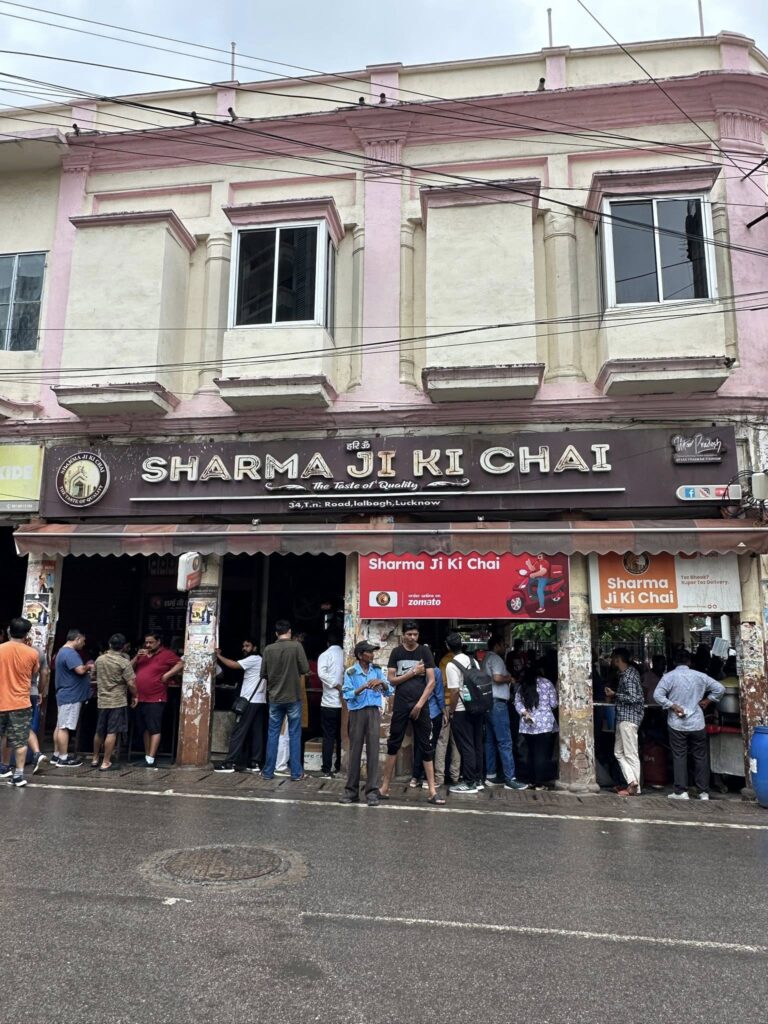
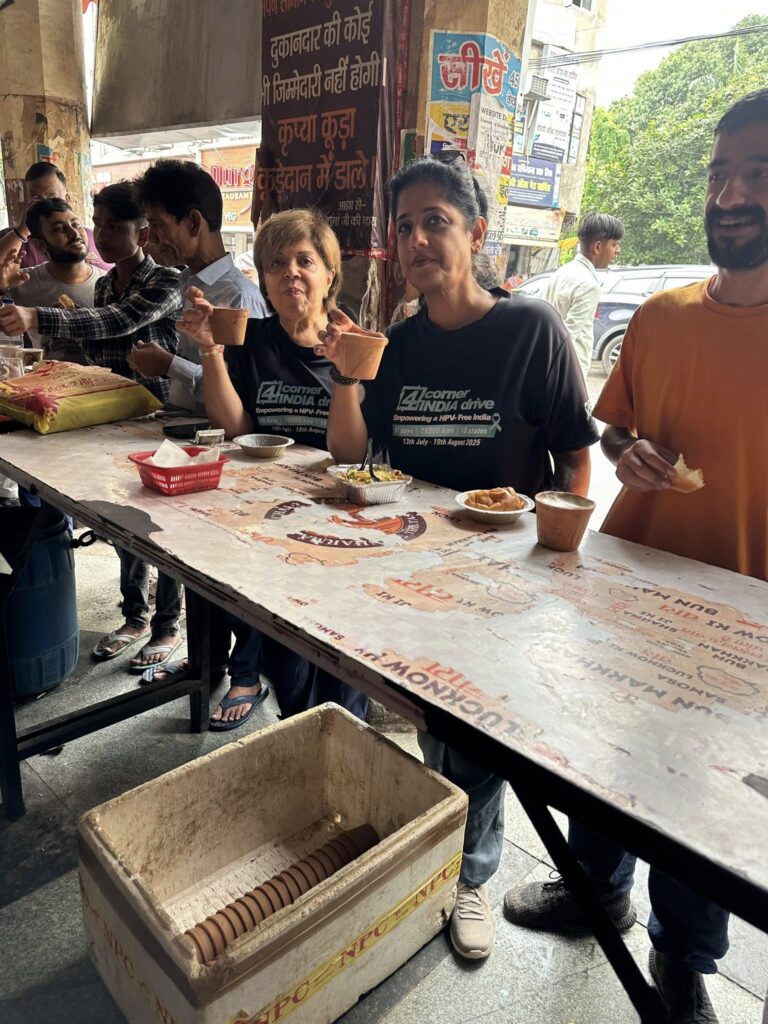
We left the hotel around 8:30 AM and headed toward the vaccination site—St. George’s General Hospital in the old part of Lucknow. But first, a quick and glorious detour to Sharmaji’s tea stall.
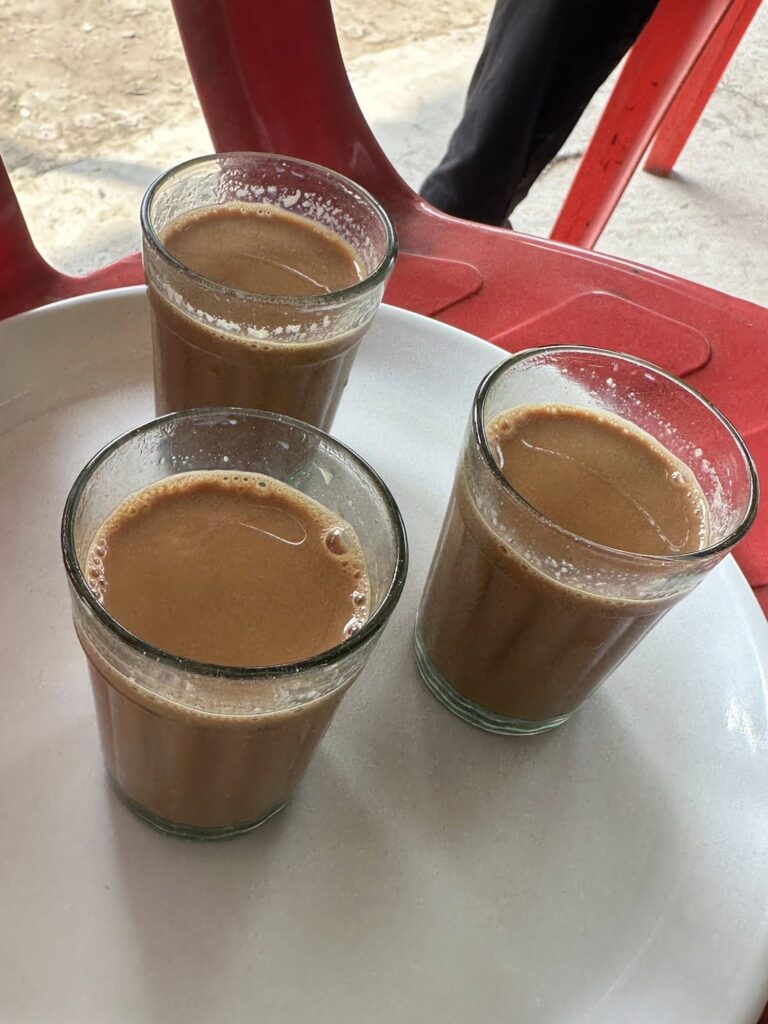
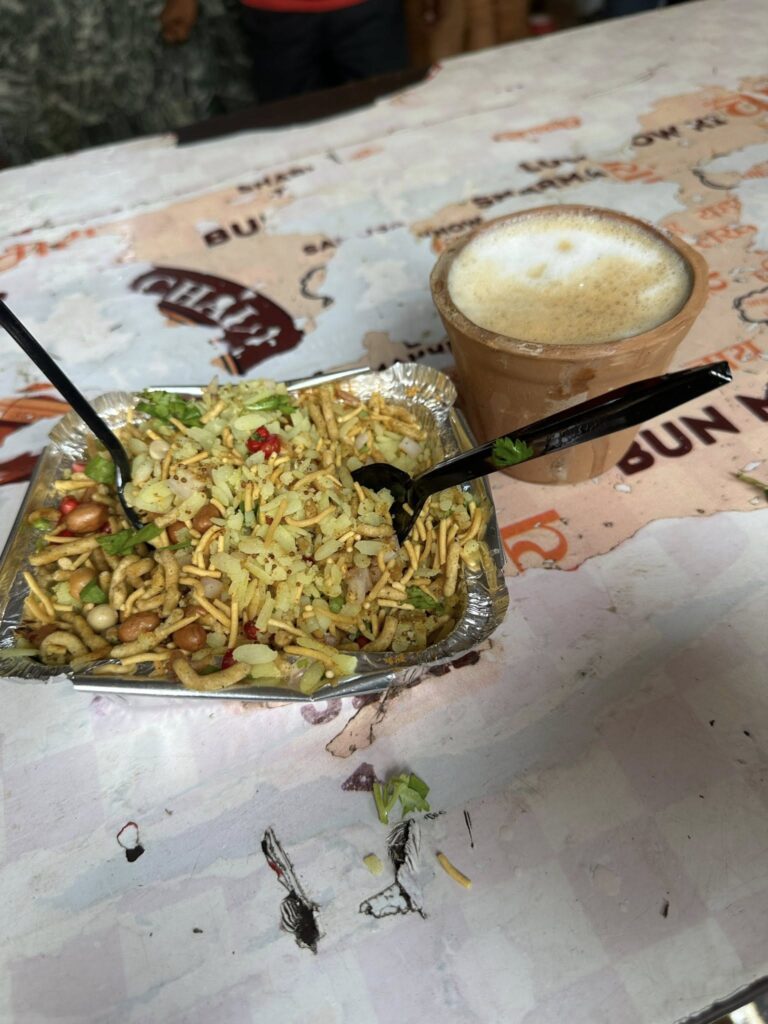
The place was packed. Locals sipped chai from kullads, standing around bench-lined bays as if participating in a sacred morning ritual. The chai was unbelievable. The samosa—perfectly crisp and spicy. And just like that, I became a chai convert, because good coffee on these roads is as rare as a quiet dhaba.
Then came the hospital—and what a beautiful surprise it turned out to be.
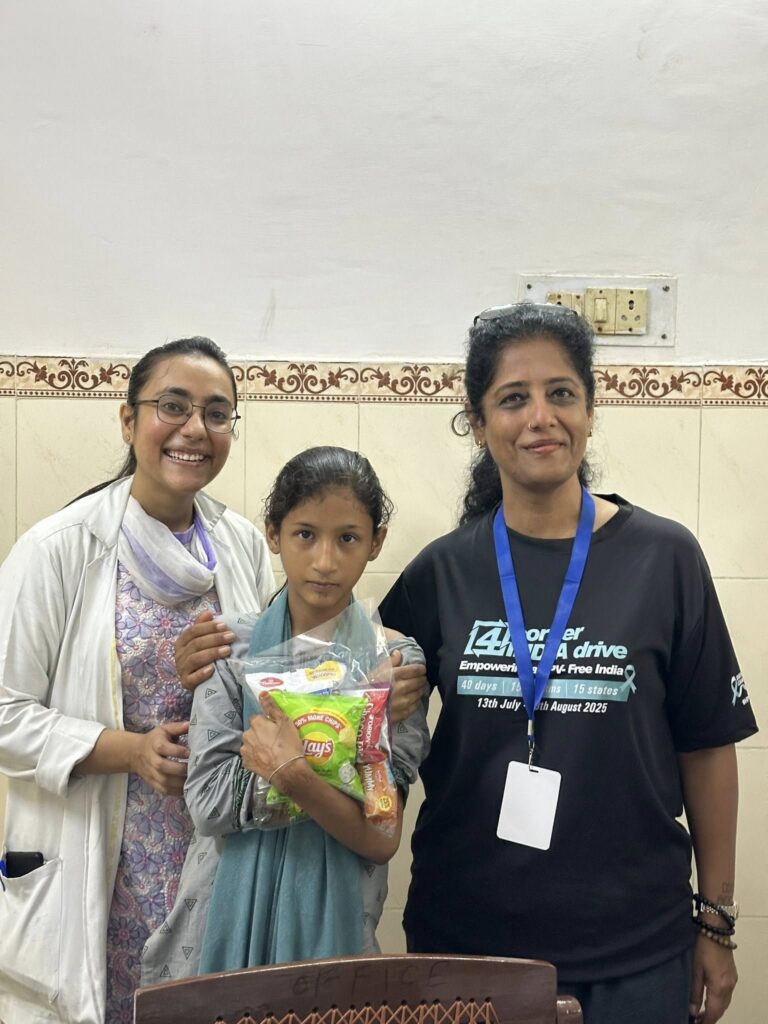
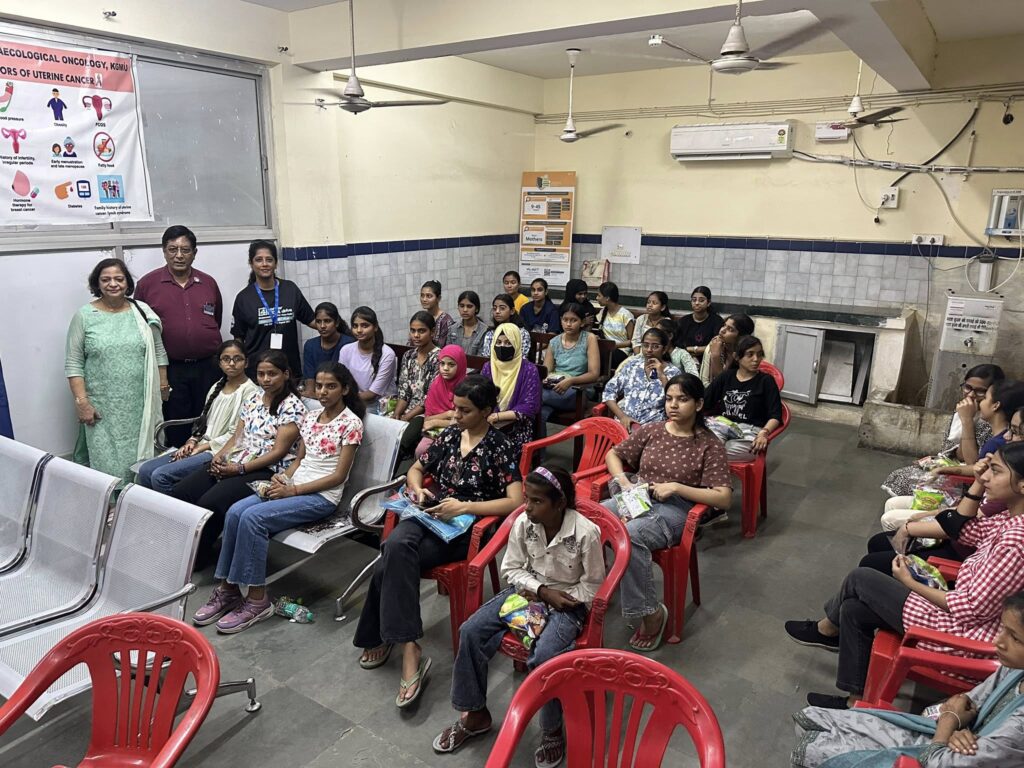
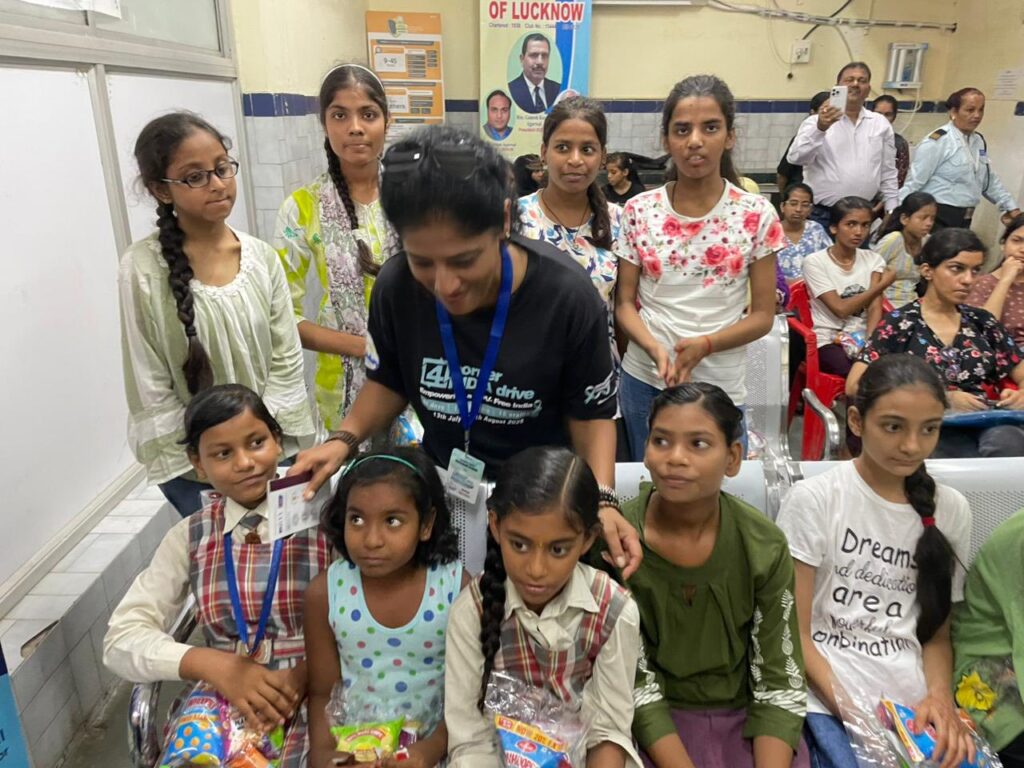
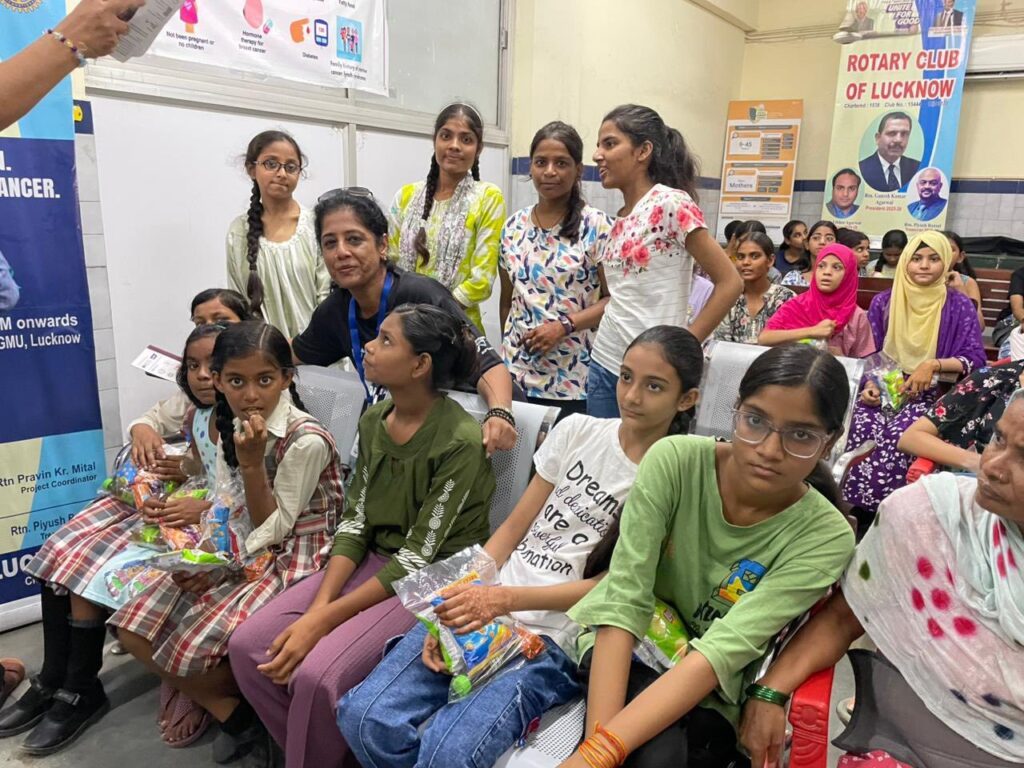
Dr. Nisha Singh was waiting, and it’s worth saying plainly—she has outdone every organiser and official we’ve encountered over the past 16 days. The entire setup was extraordinary, especially for a government hospital: coordinated, calm, and deeply human.
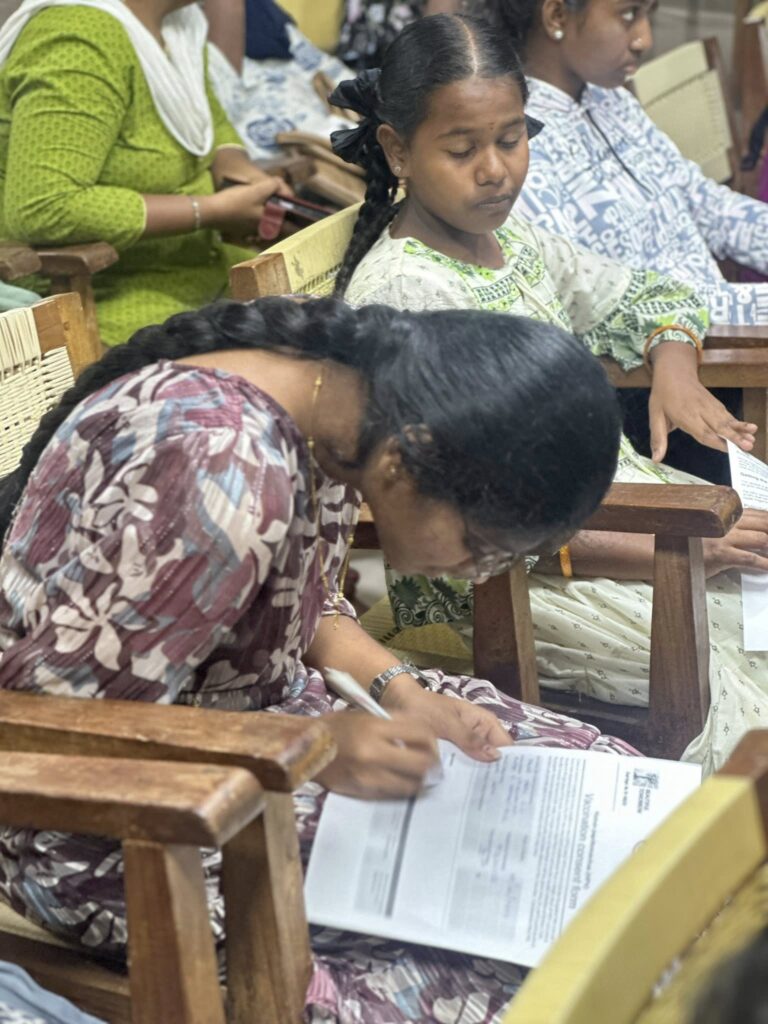
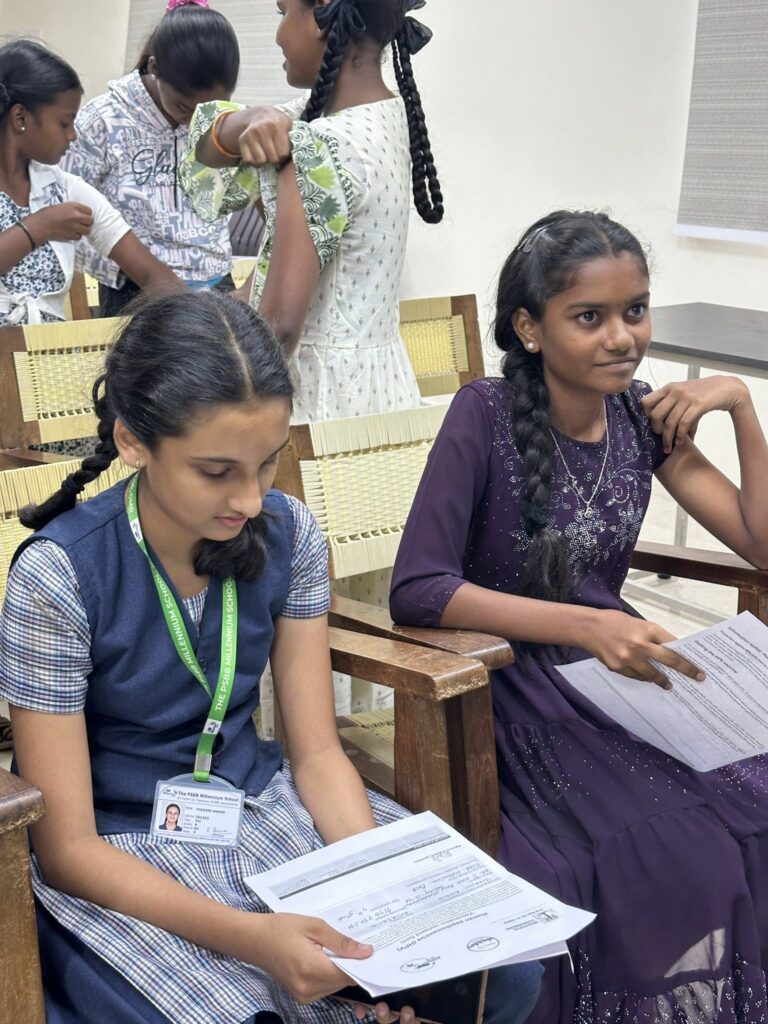
There was a designated seating area for girls and parents, a sign-up zone with staff helping fill consent forms, a dedicated vaccination room staffed by nurses and doctors, and a spacious post-vaccination observation area where the girls were monitored for 30 minutes and offered snacks. Seamless. Efficient. Thoughtful. I’ve rarely seen such structure in a public facility.
Dr. Nisha herself—sharp, articulate, and deeply compassionate—walked us through every step. As head of the gynecologic oncology department, her leadership showed. Her team of young women doctors handled the morning with grace, precision, and quiet pride.
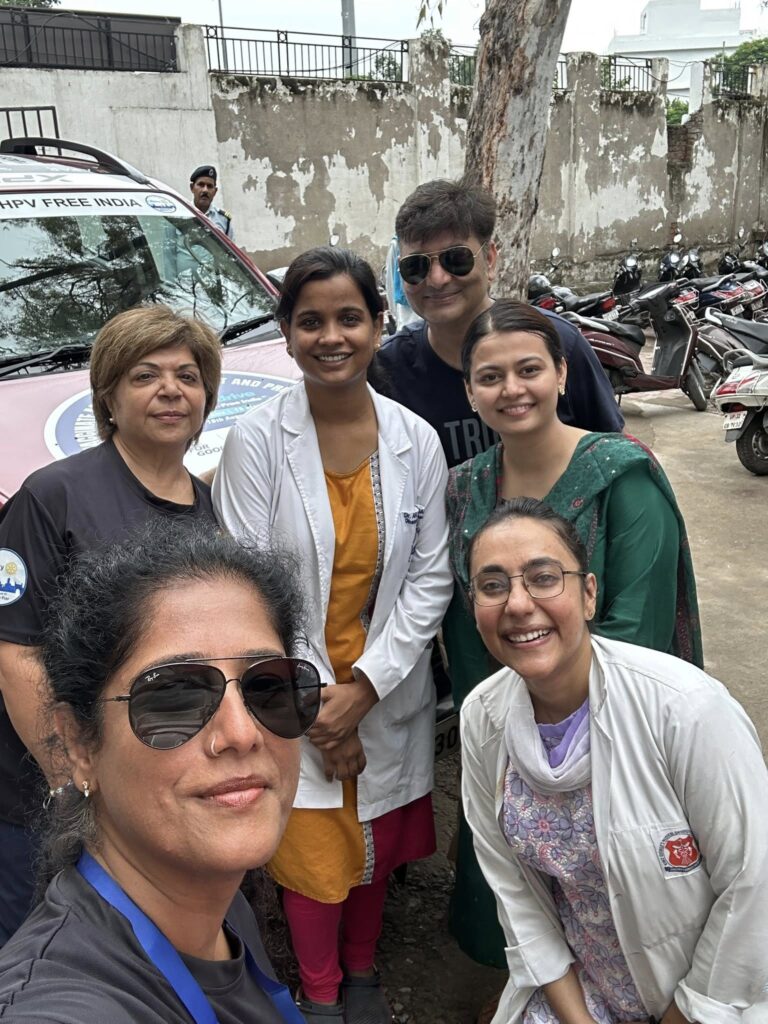
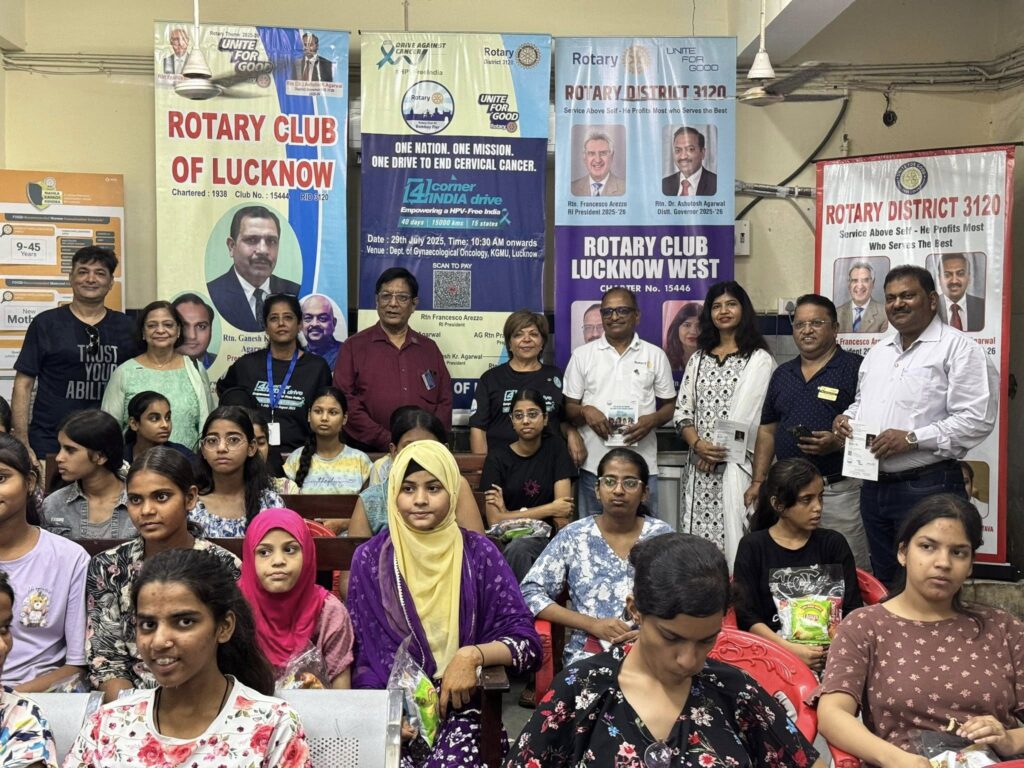
The Rotary team arrived closer to 9:30 AM, bringing with them the familiar flurry of photo ops and flashing cameras, despite the rising heat and humidity.
But the most meaningful moment of the morning was personal.
Faisal—someone I’d worked with years ago in Dubai—reached out early. He’s from Lucknow and happened to be in town. He’d been calling since 6 AM, hoping to meet. And he did. He crossed the city just to see me—no agenda, no ask. He stayed through the event, helped out, spoke to the girls, clicked photos, and simply showed up. Quiet, genuine reunions like that linger long after the day ends.
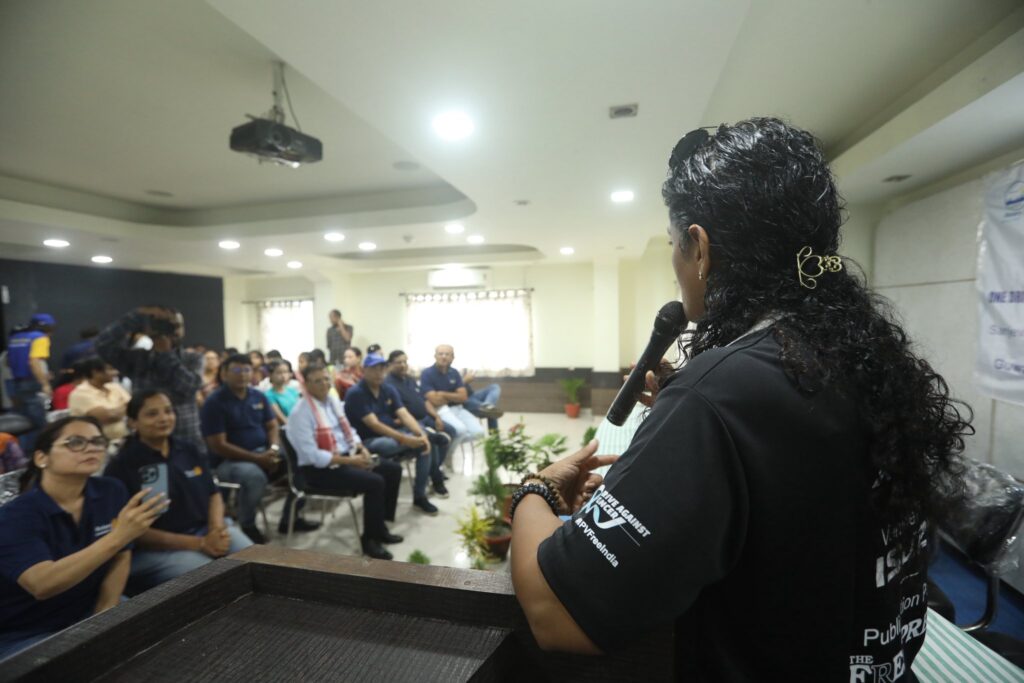
Later, Dr. Nisha addressed the gathering—parents, girls, OPD patients, Rotarians—with a calm, insightful talk on cervical cancer, screening, and awareness. Informative without being clinical. Real, grounded, and powerful. She truly is a force.
By noon, we were back on the road.
We reached Varanasi around 4:45 PM—tired, sun-soaked, but still carrying the quiet glow of the morning.
That evening, we’d arranged for a local guide to take us through the city—visits to Kal Bhairav Temple, Kashi Vishwanath, and the famed Ganga Aarti. He met us at 6:45 PM, and we set off in a nimble electric rickshaw, weaving through the restless arteries of this ancient city.
As we left the cantonment and entered the old city, Varanasi revealed itself—layer by living layer. Narrow gullies opened into sudden chaos. Every corner pulsed with life: temples, vendors, chants, bells, incense curling into the humid air. Varanasi—the oldest continuously inhabited city in India—feels alive in a way few places do.
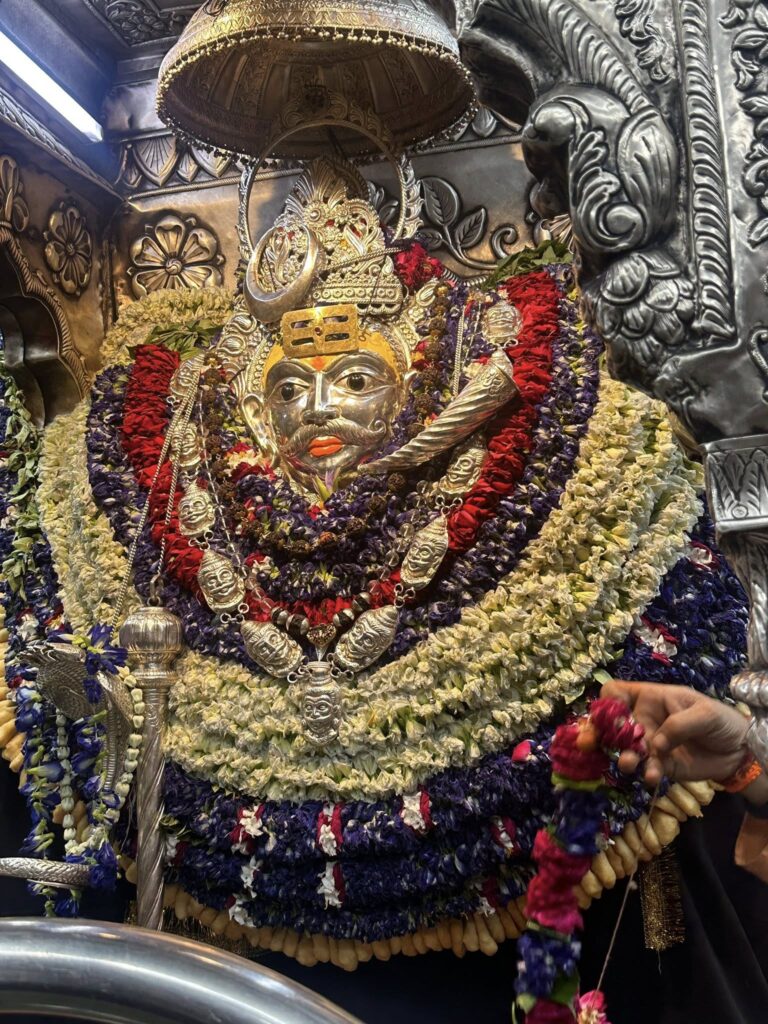
Our first stop was Kal Bhairav Temple. The darshan was intense and grounding. There’s an energy there—raw, sacred, unmistakable.
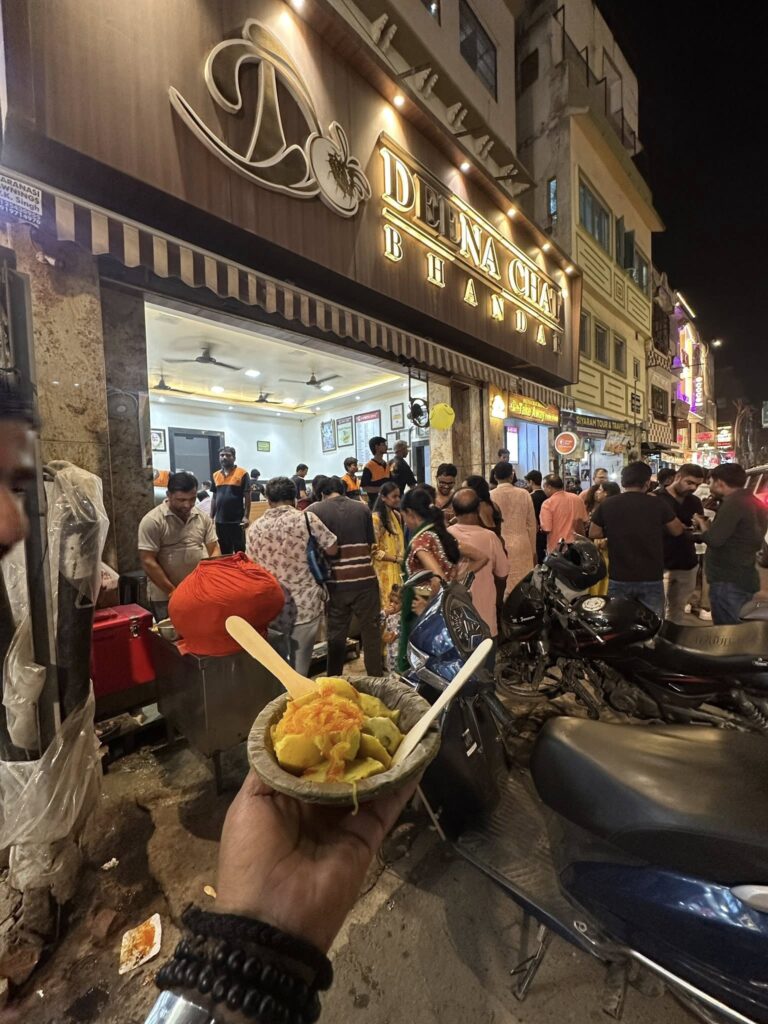
From the sacred to the scrumptious, we headed to Deena Chaat Bhandar. The chaat was everything Varanasi promises—crisp, tangy, spicy, sweet—a riot of flavours colliding joyfully. We returned to the hotel full, in every sense.
We had hoped to witness the Ganga Aarti, but the river had other plans. Water levels were high, many ghats submerged, and the Aarti wasn’t happening at its usual scale. A small disappointment—but it’s Shravan, and this is how the Ganga behaves. We arrived when she was reclaiming her space.
Still, the darshan at Kal Bhairav felt more than enough. Quietly intense. Personally fulfilling. Sacred in its own way.
Tomorrow, we’ll visit Kashi Vishwanath and then move on—wherever the road decides next. Because even when plans shift, the journey always finds a way to stay meaningful.
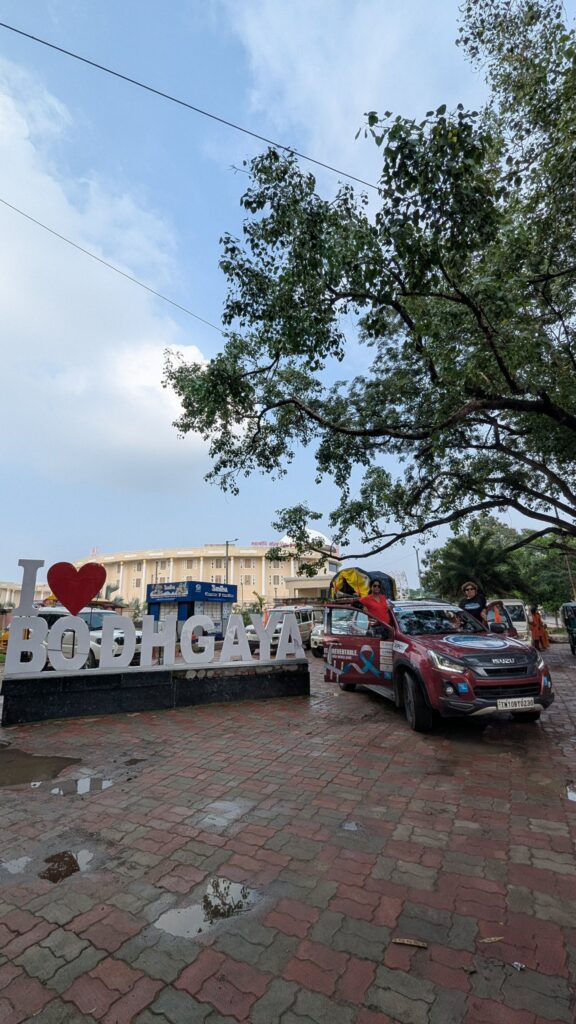
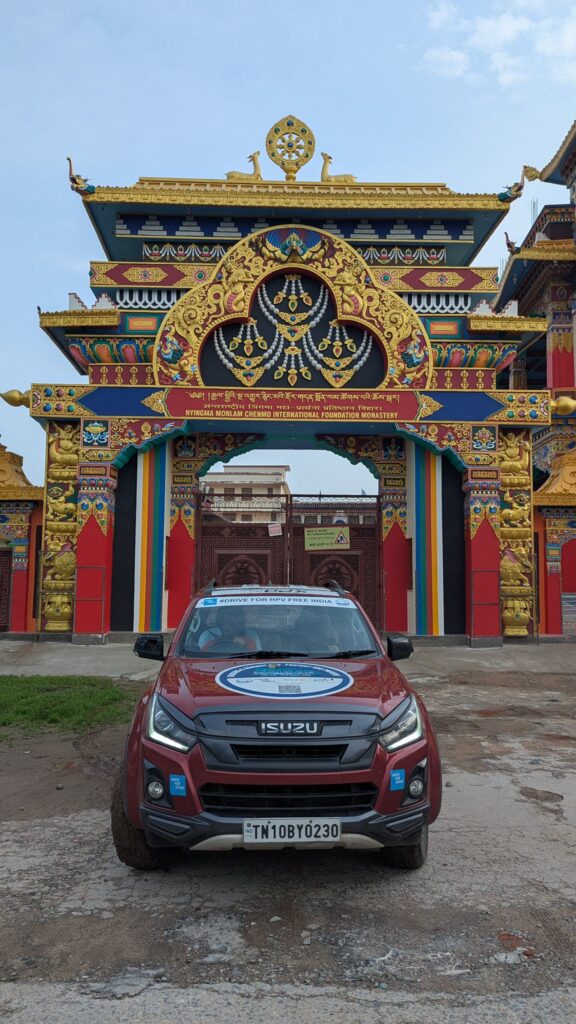
3 states in one day
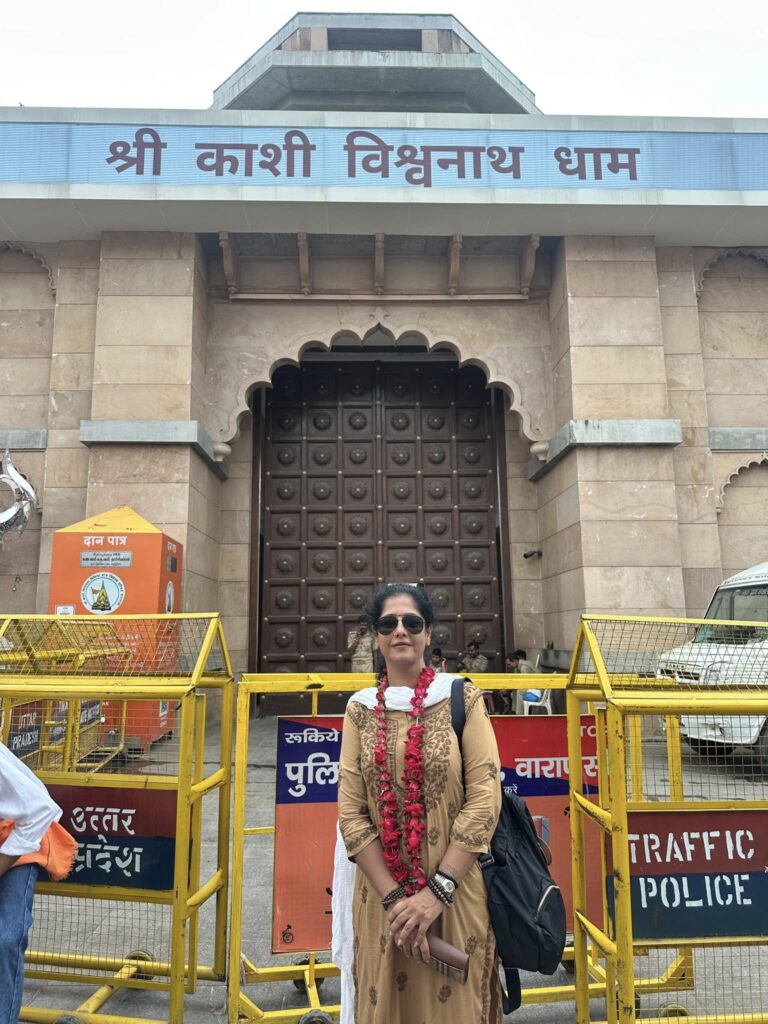
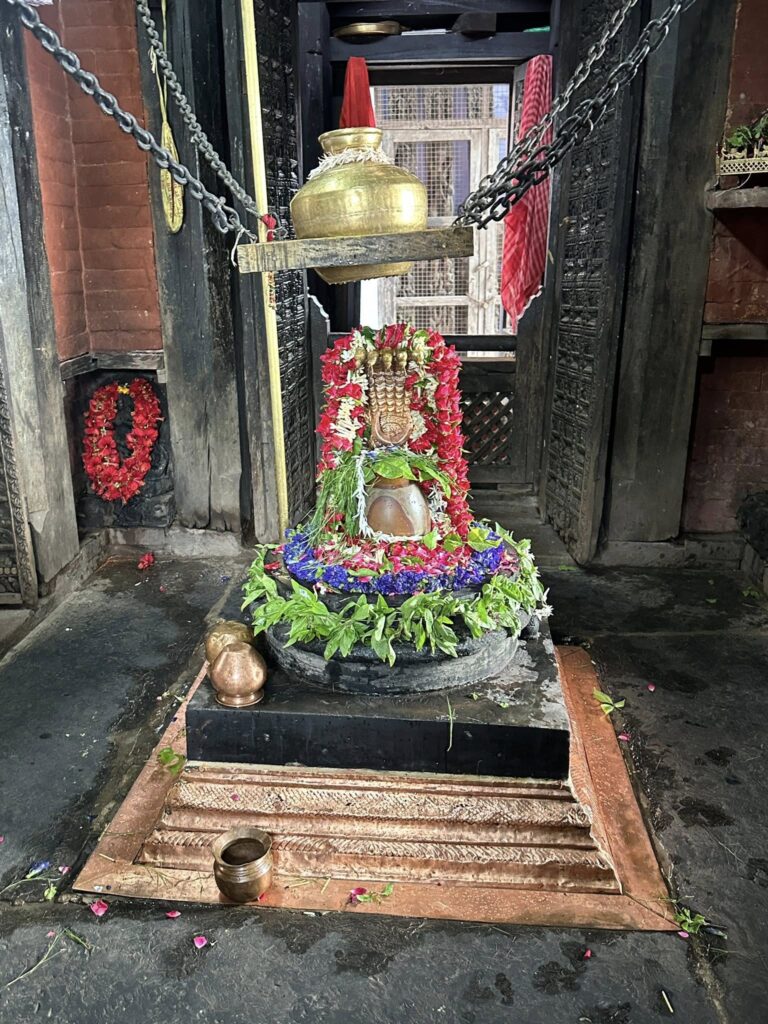
The day began with a visit to the Kashi Vishwanath Temple. We took a rickshaw into the temple area, where our local fixer met us right on time. The darshan was smooth and surprisingly quick—no queues, no delays.
What truly stunned me was the transformation of the temple complex. The Kashi I remembered from 2019 had vanished. The tight gullies, the old surrounding structures, the dense chaos—it was all gone. In its place stood a vast, open expanse of gleaming marble. Everything looked polished, pristine, and grand.
It was beautiful, yes. But it didn’t feel like Kashi anymore. That intense, sacred madness that once gave it character—its soul—felt stripped away.
Still, the darshan was lovely. The deity unchanged. The prayers just as powerful.
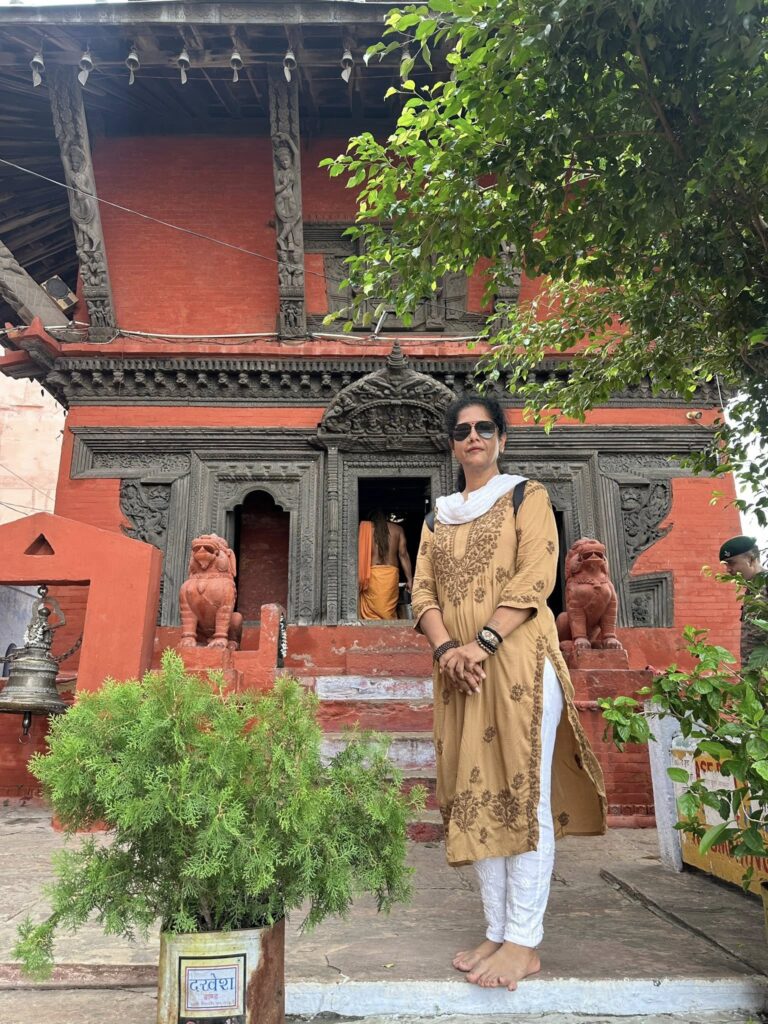
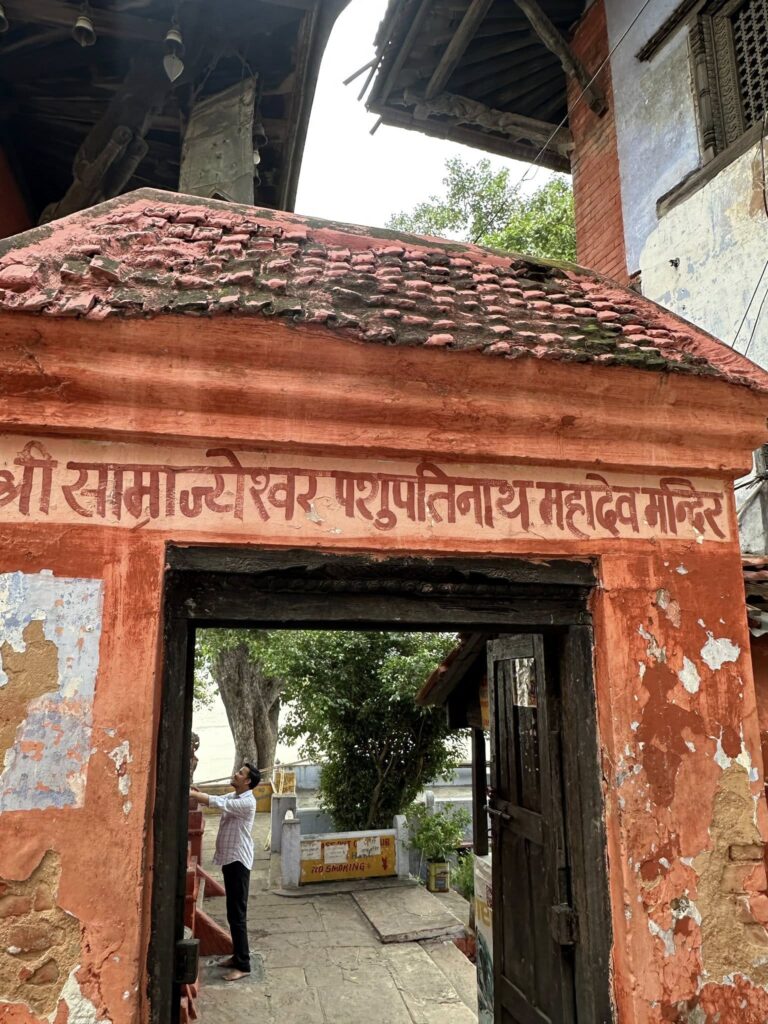
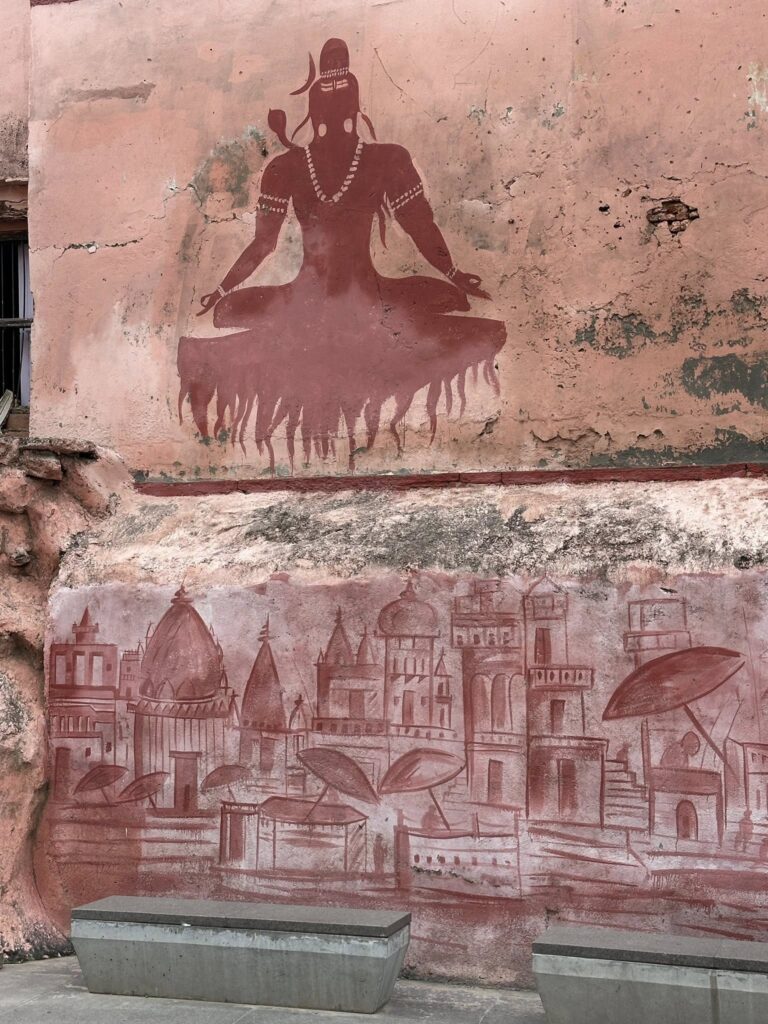
From there, we walked to the Ganges. We visited Lalitha Ghat and the quiet Lalitha Temple, then made our way to the Pashupatinath Temple built by the King of Nepal. It was one of the calmest corners along the river.
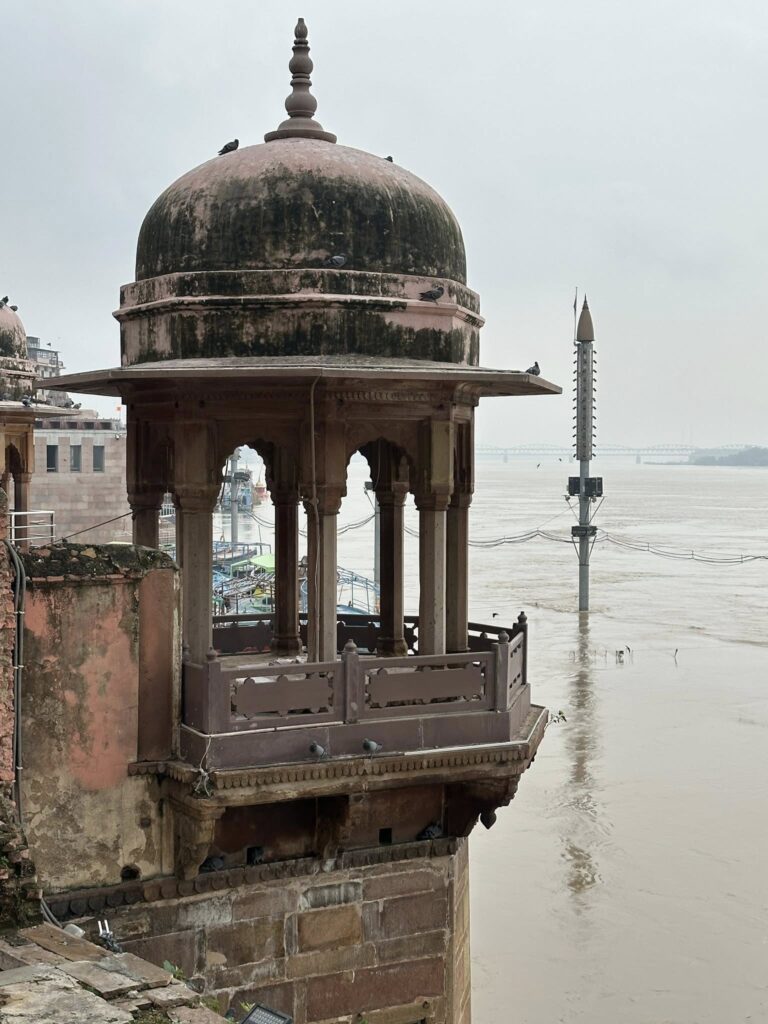
I sat for a while watching the Ganga flow. She was in full spate—swollen, wild, and utterly still. The steps of the ghat were submerged. No boats. No pilgrims. Just silence and this vast, moving force. I’ve never seen the river like that before—powerful and eerily still at once.
We returned to the hotel and set off by 9:30 AM. It was going to be a long drive.
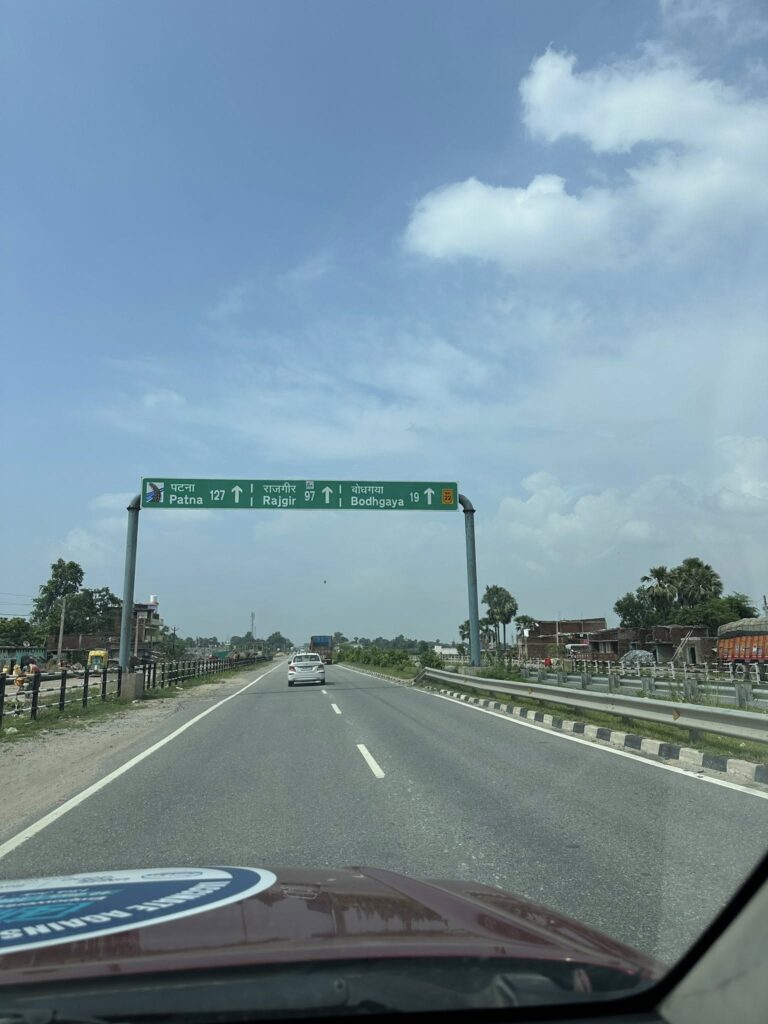
As I settled into the car, bracing myself for another monotonous highway stretch, my mind drifted to Ranchi—a city I was already finding uninspiring. And then a thought struck me: we were crossing Bihar into Jharkhand. Could we… maybe… go to Bodh Gaya?
I checked the map. A detour, yes—but the pull was overwhelming. Some callings don’t ask for logic. You don’t weigh options. You just listen. So I flipped the sat-nav and followed that quiet inner voice.
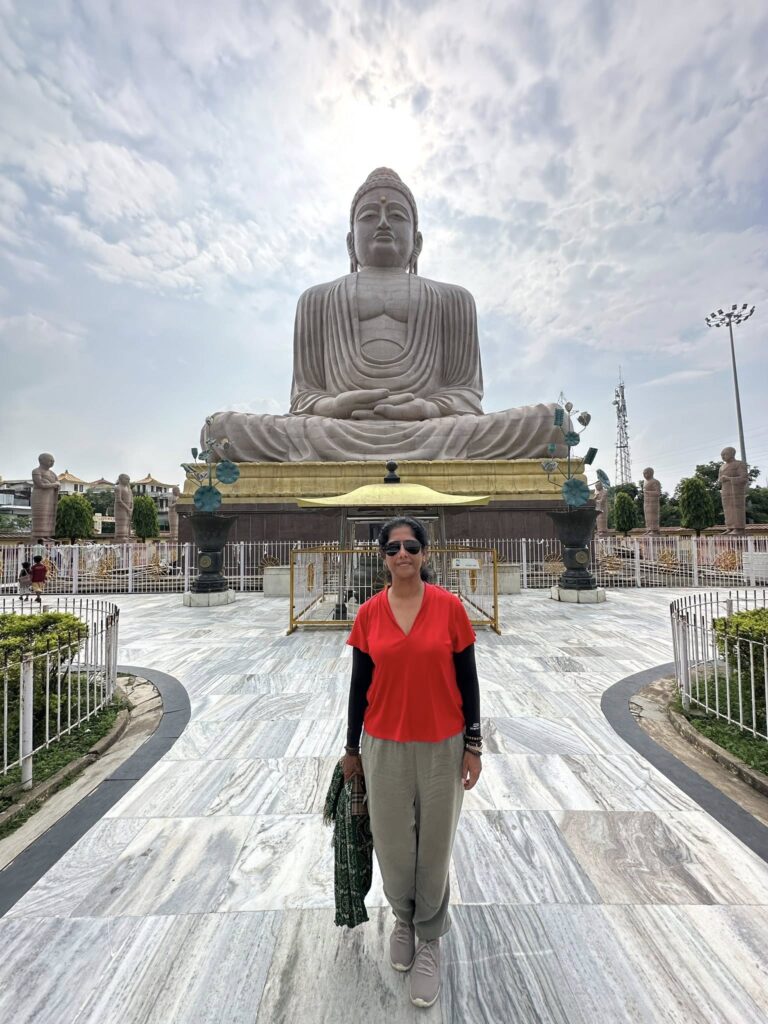
As we neared the town, the atmosphere shifted. Chaos gave way to pockets of peace. The buildings looked like fragments of Bhutan and Sikkim, as if we’d slipped into another world entirely.
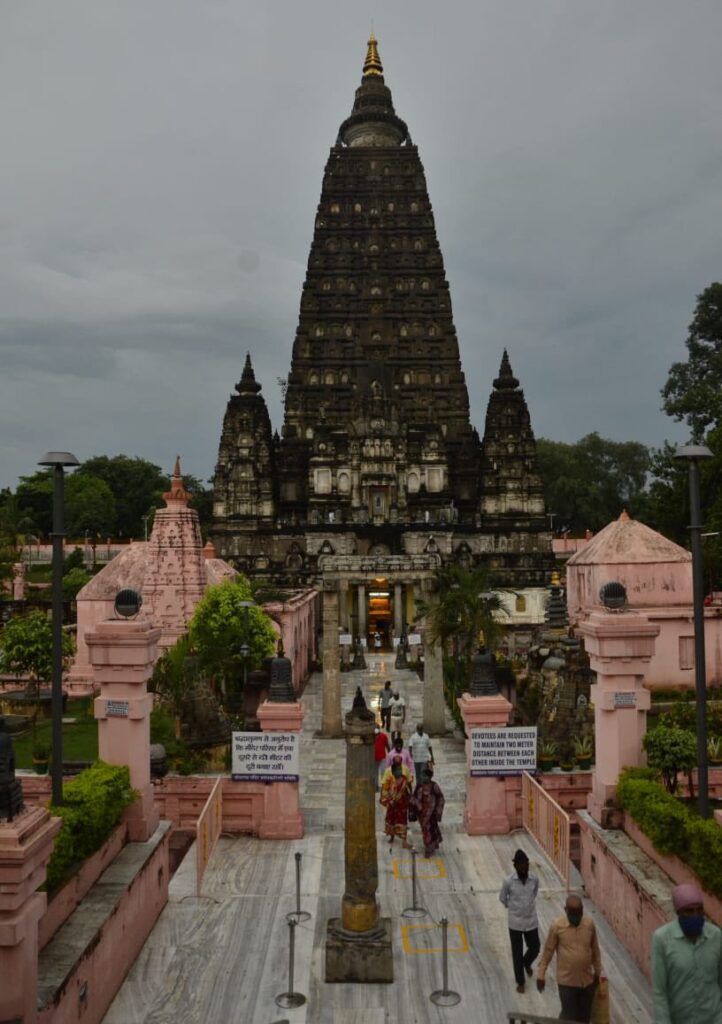
Outside the Mahabodhi Temple, we met a guide who ushered us in. He spoke with quiet reverence. I couldn’t believe I was actually here—after years of planning and never making it. On a whim. On a calling.
Under the Bodhi Tree, I stood in silent prayer. A monk approached, placed a Bodhi leaf in my hand, and blessed me. One of those moments that lodge themselves deep inside you. Personal. Unshakeably real. In that instant, I knew this day had unfolded exactly as it was meant to.
We didn’t linger long—the clock was ticking—but I know I’ll return. There’s more waiting for me here.
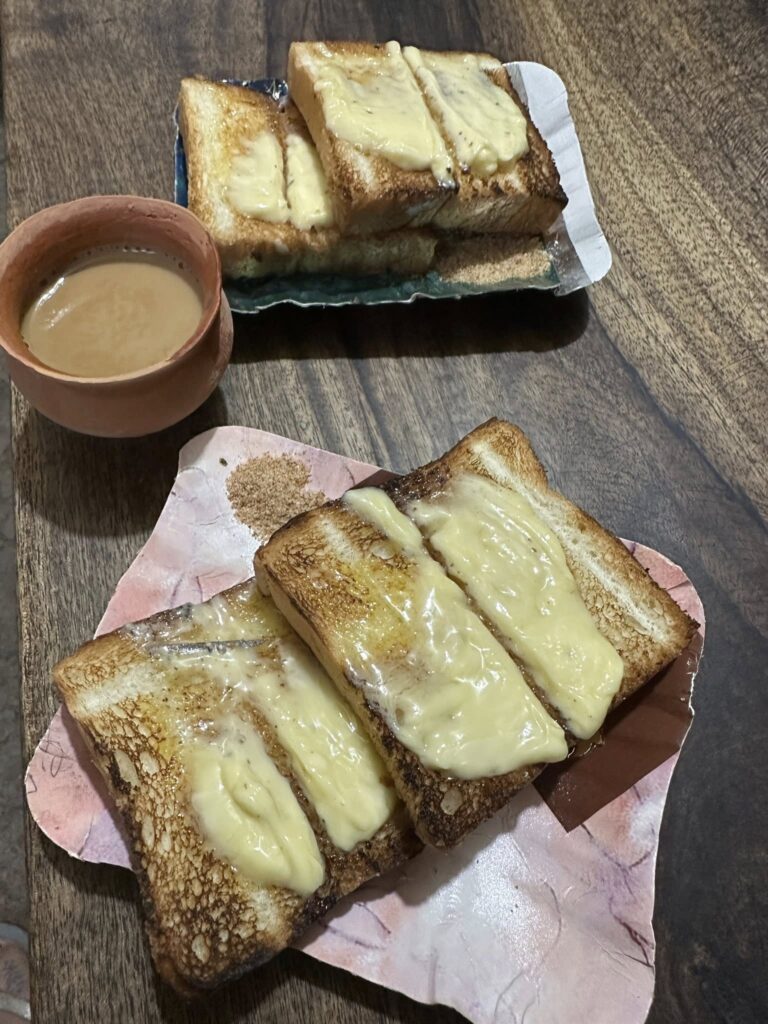
We grabbed a quick roadside lunch—chai and Maggi at a tapri—and continued on. The roads turned chaotic again. People drove into oncoming traffic with alarming confidence. Rain lashed down for a stretch—dark skies, blurred windshields—and then, just as suddenly, the clouds lifted.
We reached Ranchi around 9 PM. Not much stirred me there—except the thought that this is where Mahendra Singh Dhoni comes from.
A long, unpredictable day. One I’ll never forget. Sometimes, the best journeys are the ones you never plan.
15+ hours on the road
State #9: West Bengal (midpoint milestone)
We left Ranchi sharp at 7 AM, fully aware this would be the longest haul of our entire 38-day journey. On paper, it was 675 km—but thanks to a routing blunder on my part, we ended up doing more.
While planning, I’d been adamant about not staying overnight anywhere in Bihar. A personal mental block, really. So we routed ourselves into Jharkhand, spent the night in Ranchi, and then backtracked straight into Bihar the next day to head toward West Bengal. That decision added a good 150 km.
It rained lightly in the morning. I had a bit of a headache, so I took the back seat for a while and let the others drive—not for too long, though. The roads were mostly single carriageway, and even the dual-lane stretches were badly potholed.
The traffic was relentless. Endless trucks—huge, slow-moving, everywhere. To complicate things further, a religious festival was underway. Devotees dressed in orange walked in large numbers along the highway. Villages were overflowing. Traffic jams were frequent. Chaos, in every direction.
And yet, amid all that, we found small moments of joy.
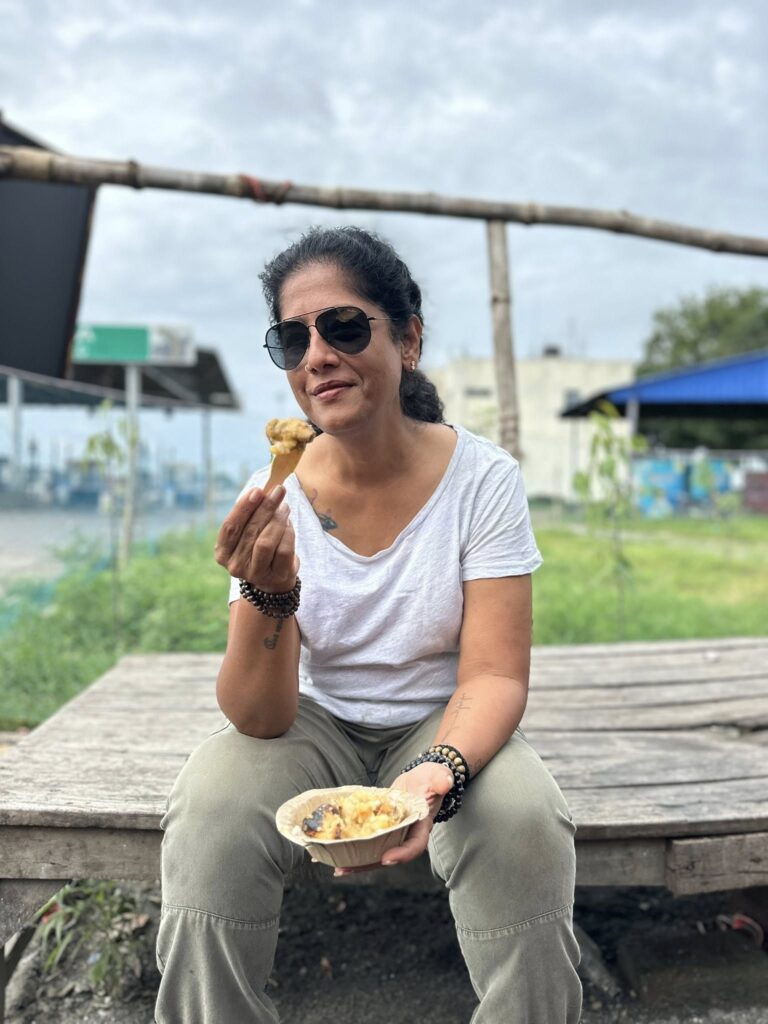
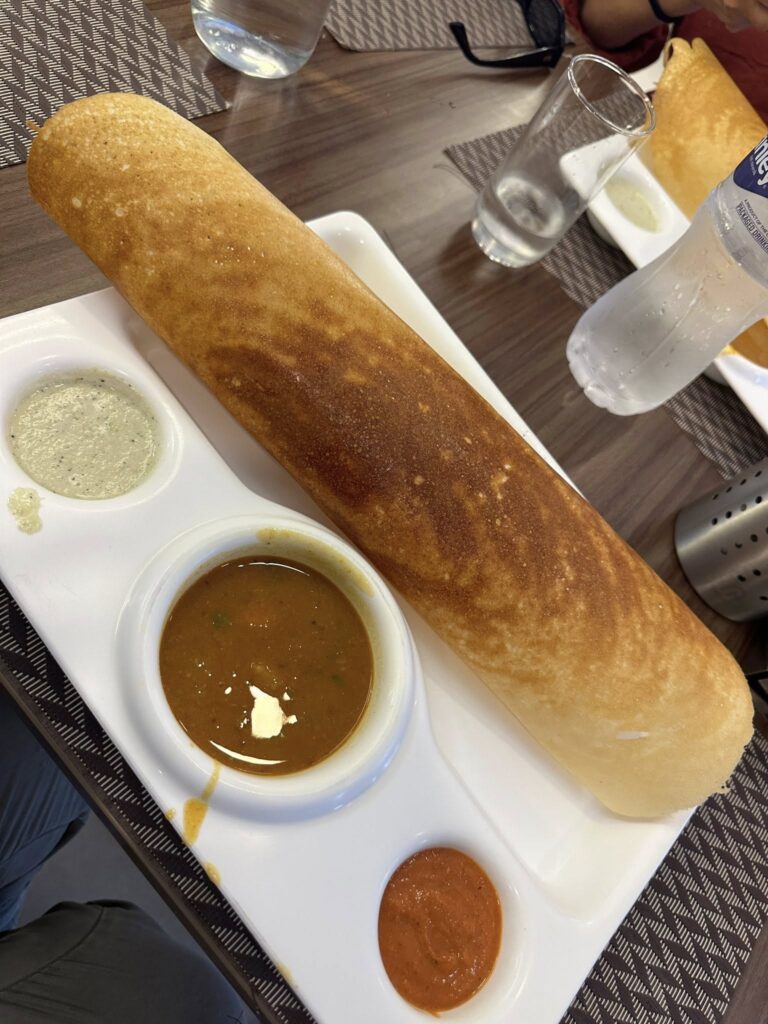
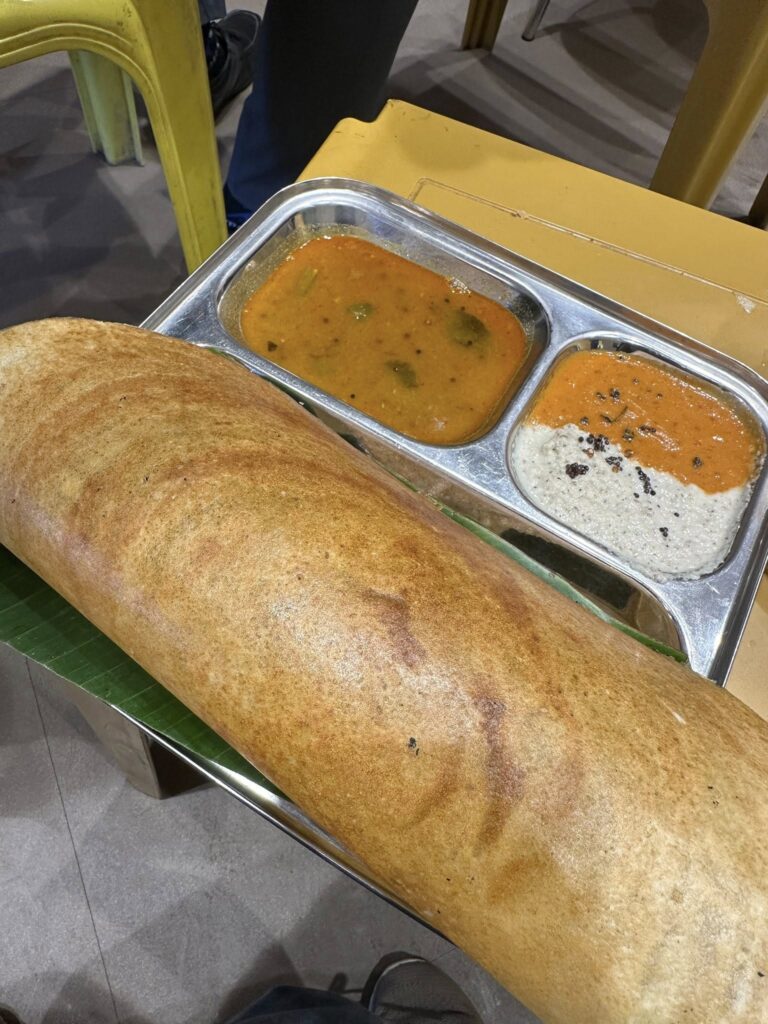
One of them was lunch. Completely unexpected, but wonderful. Somewhere in Bihar, right in the middle of that madness, we found a place serving absolutely brilliant dosas. Hot, crispy, comforting—exactly what we needed. Funny how food can lift the spirit even on the most exhausting days.
The landscape surprised me too. Parts of Bihar were cleaner than I’d imagined, with expansive, lush rice fields stretching out on both sides of the road. Many were flooded from excess rain, which only made them more striking.
Another thing that stood out—almost no stray cattle on the roads. Unlike Gujarat or UP, most cows were tethered. We saw very few stray dogs as well. Honestly, that was a relief.
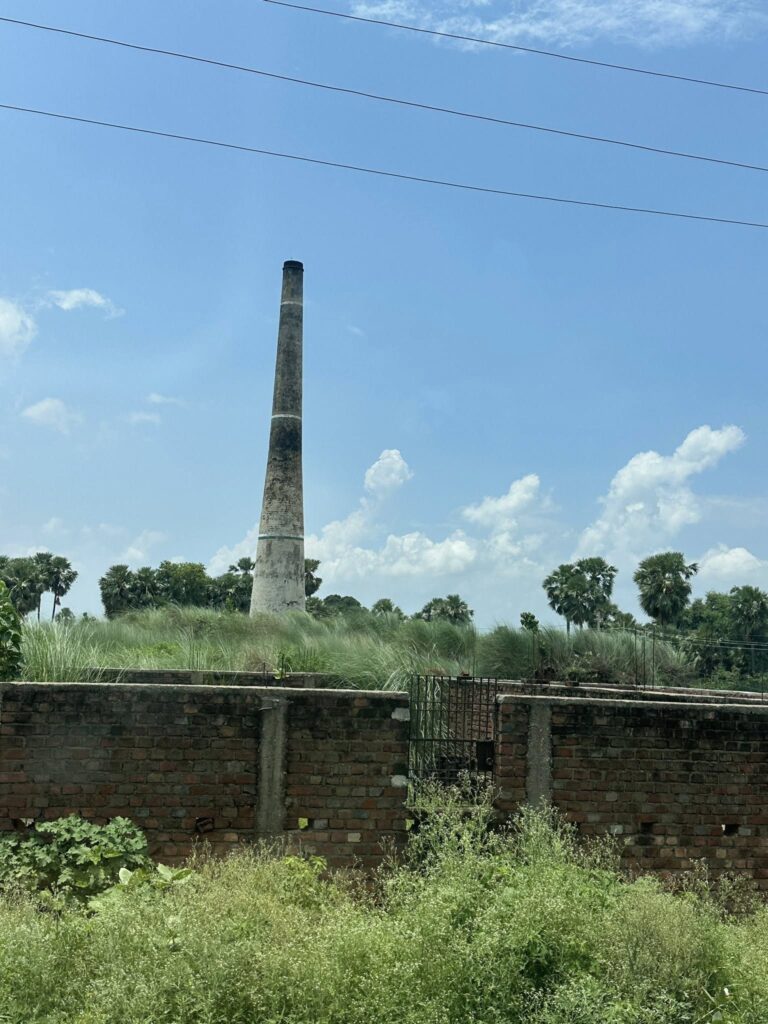
Industry was sparse. We passed a couple of refineries, but the terrain remained largely agricultural—open, green, and wide.
Despite two tea stops, a fuel refill, and that leisurely dosa lunch, we still rolled into Siliguri in just about 15 hours. Given the distance, road conditions, festival crowds, and everything else thrown at us—that was no small feat. We reached the hotel at 10:15 PM, completely wiped out, but quietly proud.
With this, we entered our ninth state—West Bengal. Nine states and two Union Territories in 19 days. Exactly the halfway mark of this journey.
Midway. A milestone. And one hell of a day.
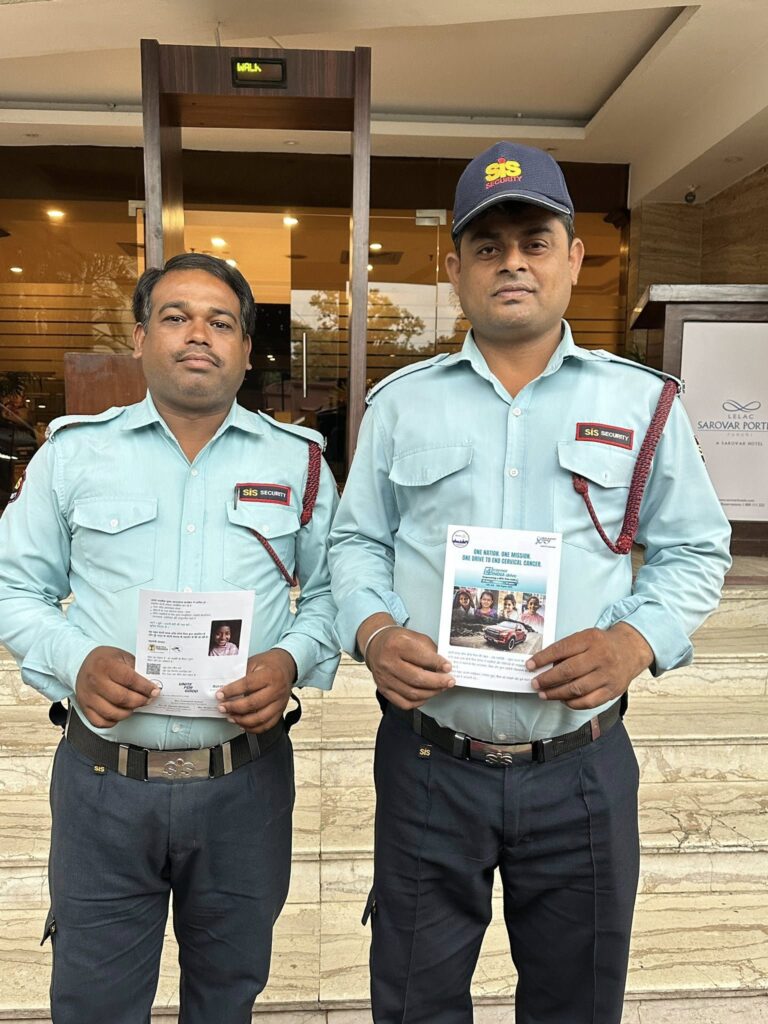
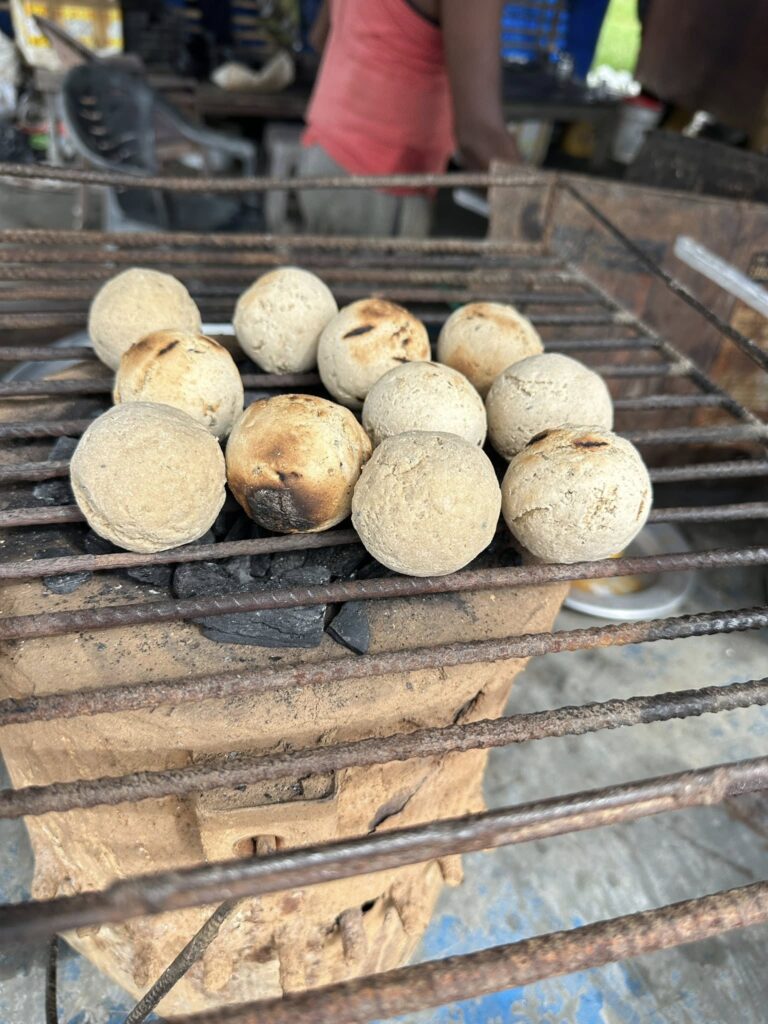
We’ve officially crossed the halfway mark. Twenty days behind us, and 19 still ahead. It’s a surreal thought. Today’s drive—from Siliguri to Guwahati—felt like a reward in itself.
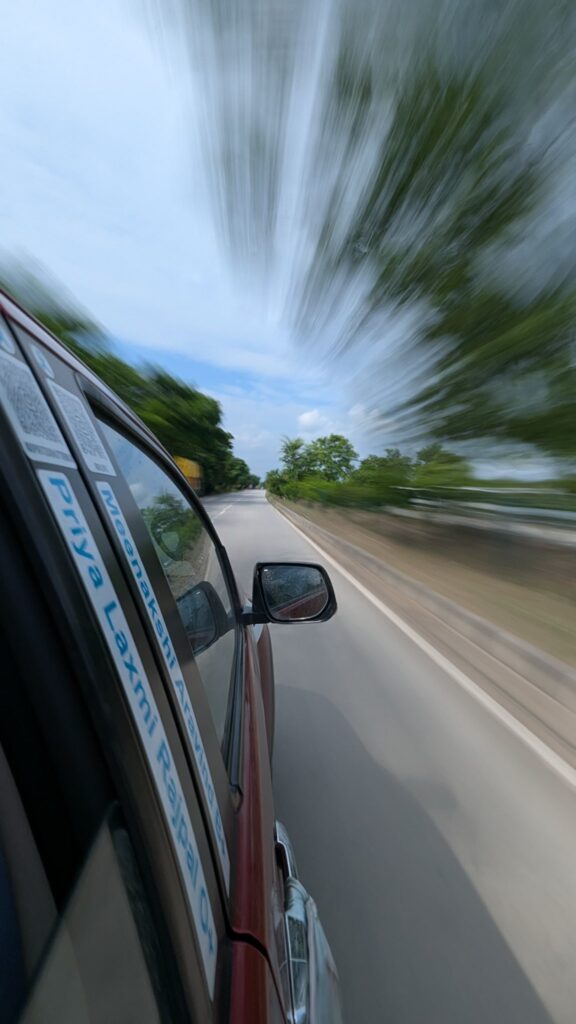
I’ve driven this route before, back in 2017, and the improvement since then is striking. The roads in both West Bengal and Assam were smooth and scenic. Even the single carriageways were a breeze—no potholes, no surprises. The double-lane stretches were smooth as butter. Traffic stayed moderate throughout, just enough to keep things engaging.
We hit a brief patch of rain—barely a drizzle—but otherwise it was a humid, stuffy day, with temperatures climbing to around 37°C. The landscape more than made up for it. Everything was lush, green, alive. Recent rains have left pools of water everywhere, painting the region in vivid shades of green. Simply stunning.
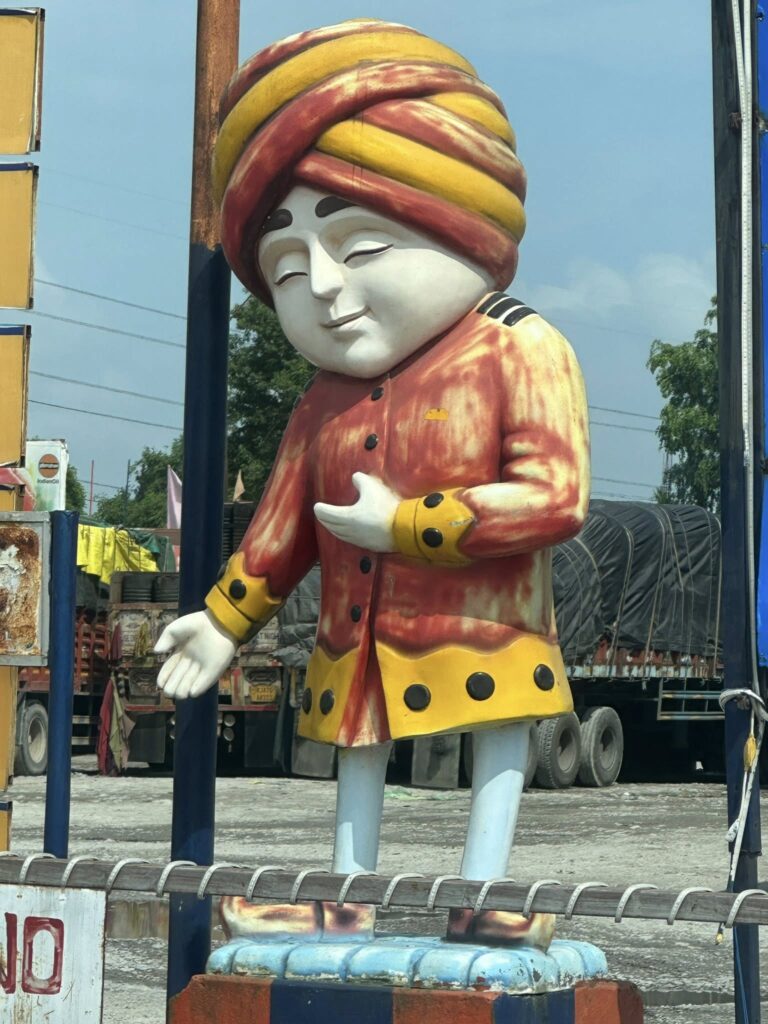
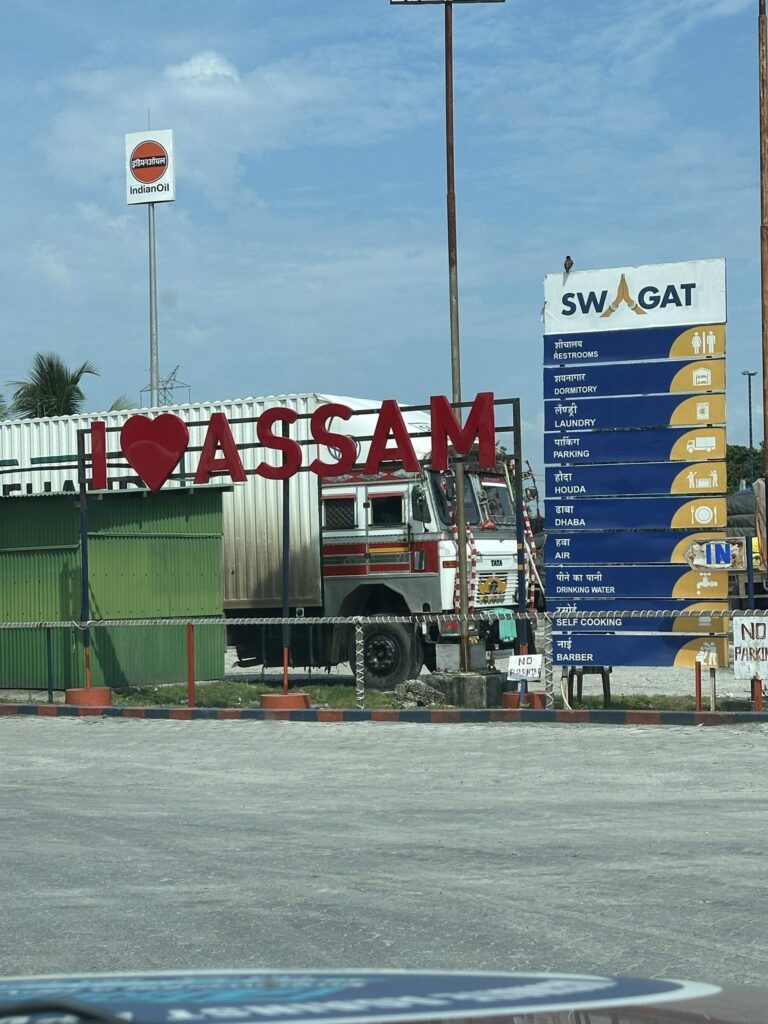
And Assam—oh Assam—never disappoints. River after river greeted us as we entered the state, each one grander than the last. There’s something about this place—its vastness, its calm—that always stays with me.
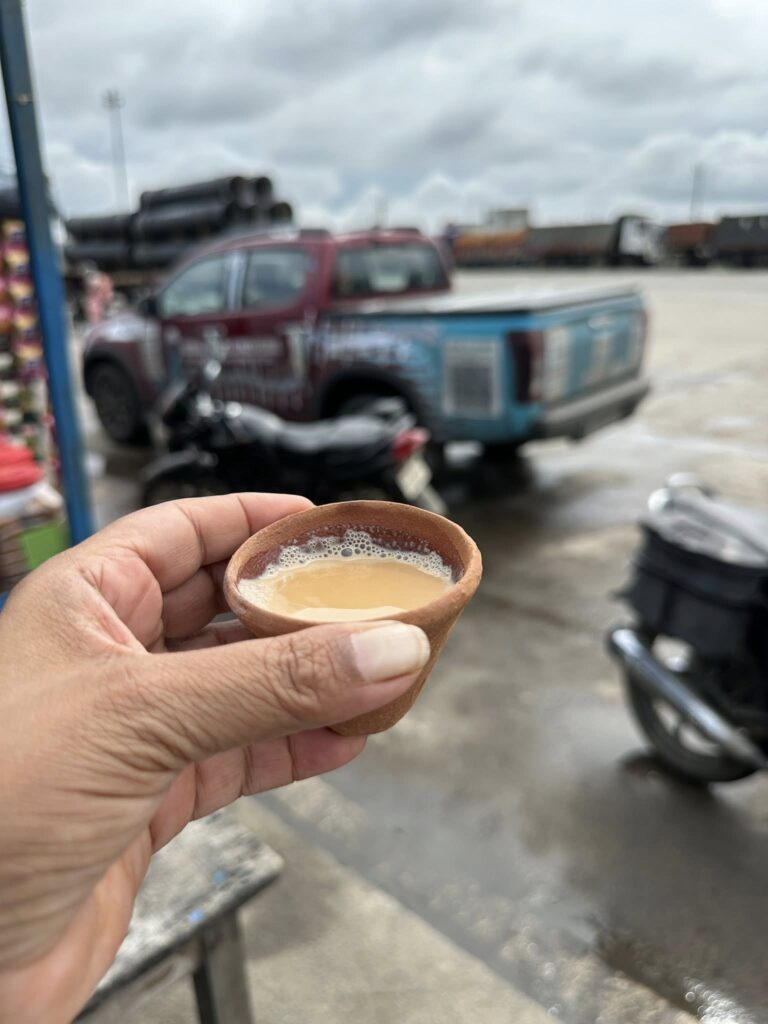
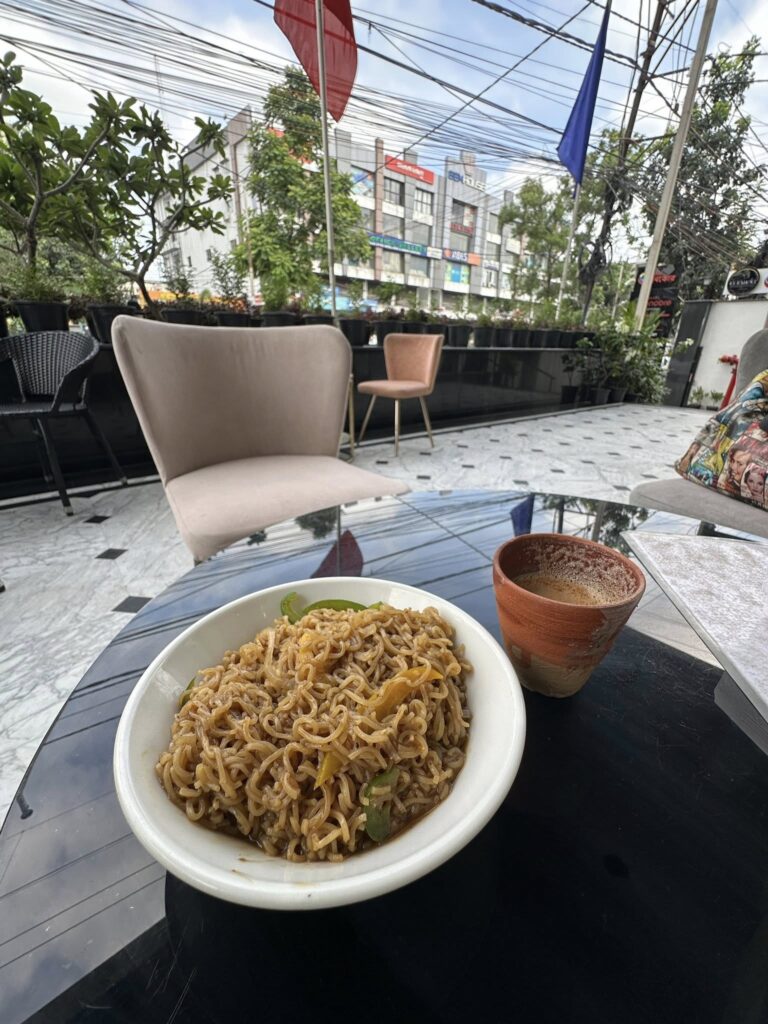
This marked the 10th state of our journey. We stopped a couple of times for chai at roadside tapris—the kind with rickety benches, cracked cups, and warm smiles. Sitting by the road, watching trucks thunder past and life roll on, felt grounding. Sometimes, slowing down for a few minutes is all you need.
Lunch was less inspired. We skipped the usual roti-dal-dhaba routine and ended up at a KFC in Bongaigaon. Veggie burgers and fries—unexpected, but a welcome break from predictable highway food.
By evening, we crossed the mighty Brahmaputra—wide, powerful, always humbling—and rolled into Guwahati around 8 PM. Checked into the hotel and called it a day.
Tomorrow is lighter, drive-wise, with a vaccination drive and a Rotary event lined up in the morning. The last two days were event-free thanks to long, demanding drives. We’re now inching toward the easternmost point of this journey—our third corner—and should reach it in about three days.
Today was meant to be a shorter haul—just about three hours to Tezpur. But since we were making good time, we decided to push ahead and reach Jorhat. It’ll make tomorrow’s long drive toward Dibrugarh a little easier.
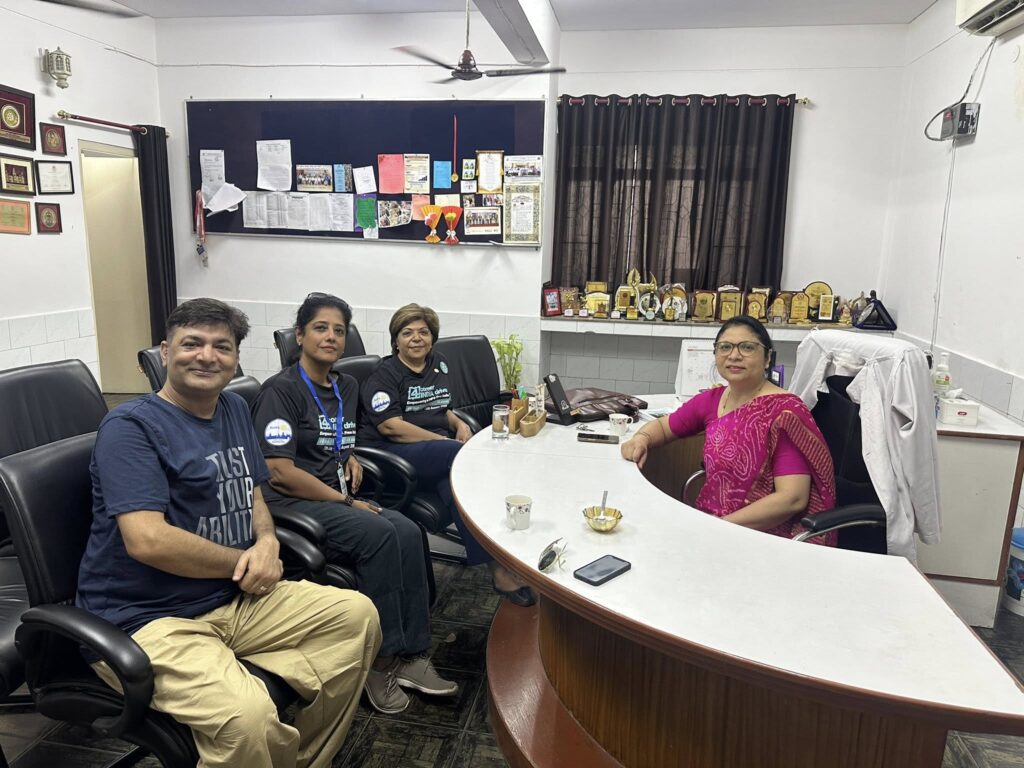
The morning began with Shashank meeting us at the hotel. Together, we drove to Sanjeevani Hospital for the Rotary and vaccination event. Crisp, well-organised, and free of unnecessary frills—just good people doing good work. Thirty-seven girls were vaccinated. We said a few words, and by 11:30 AM, we were on our way out of Guwahati.
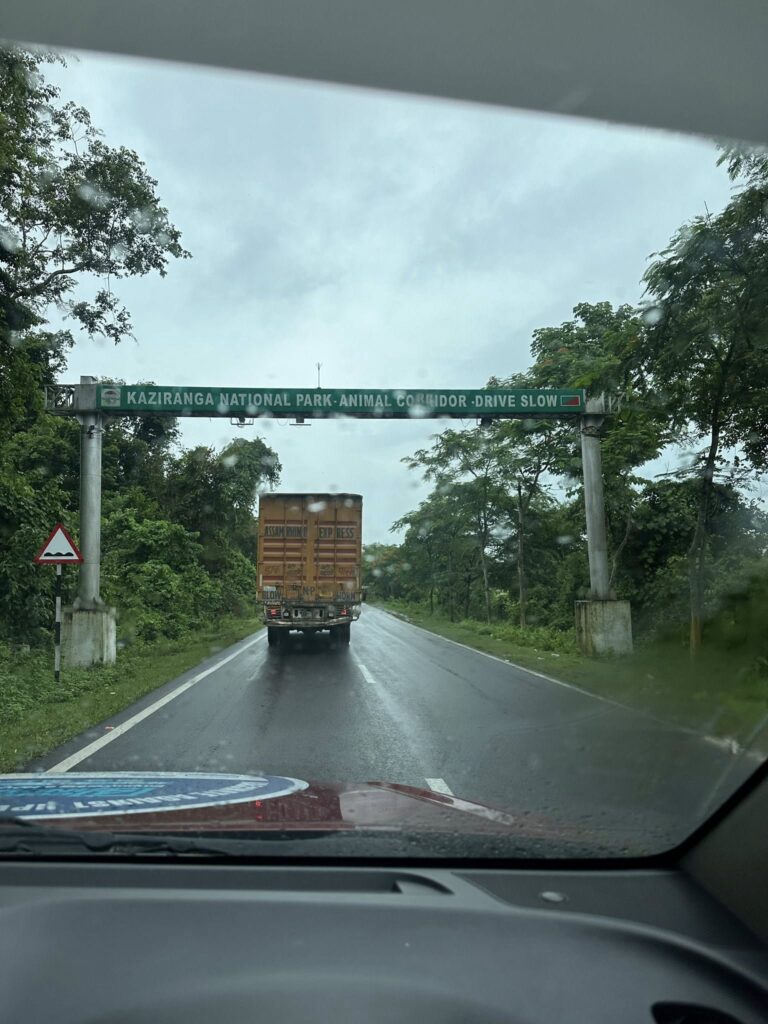
Our route took us through Kaziranga, and Assam’s ongoing flood situation was visible all along the way. A light drizzle began early and never really stopped—gentle, but persistent. Fields and lowlands on either side of the highway were waterlogged, and even Kaziranga itself was submerged in places.
And then came the highlight—wildlife. Without even entering the park. From the road itself, we spotted rhinos and elephants. Completely surreal. Ironically, the last time we did a full safari here, we barely saw an elephant. Today, they were calmly grazing right by the highway.
Assam continues to charm—lush, green, and full of heart. It reminds me of Kerala in many ways. The roads deserve a special mention too. Except for the Kaziranga stretch, the entire route was double-laned and smooth. Traffic was easy and unhurried.
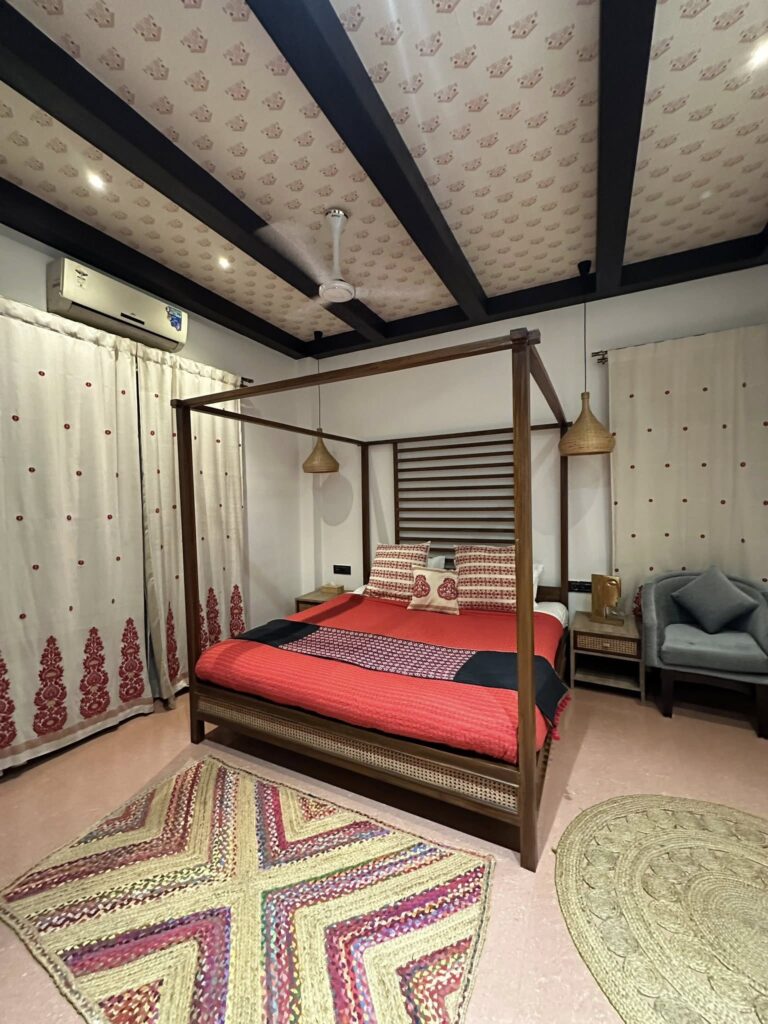
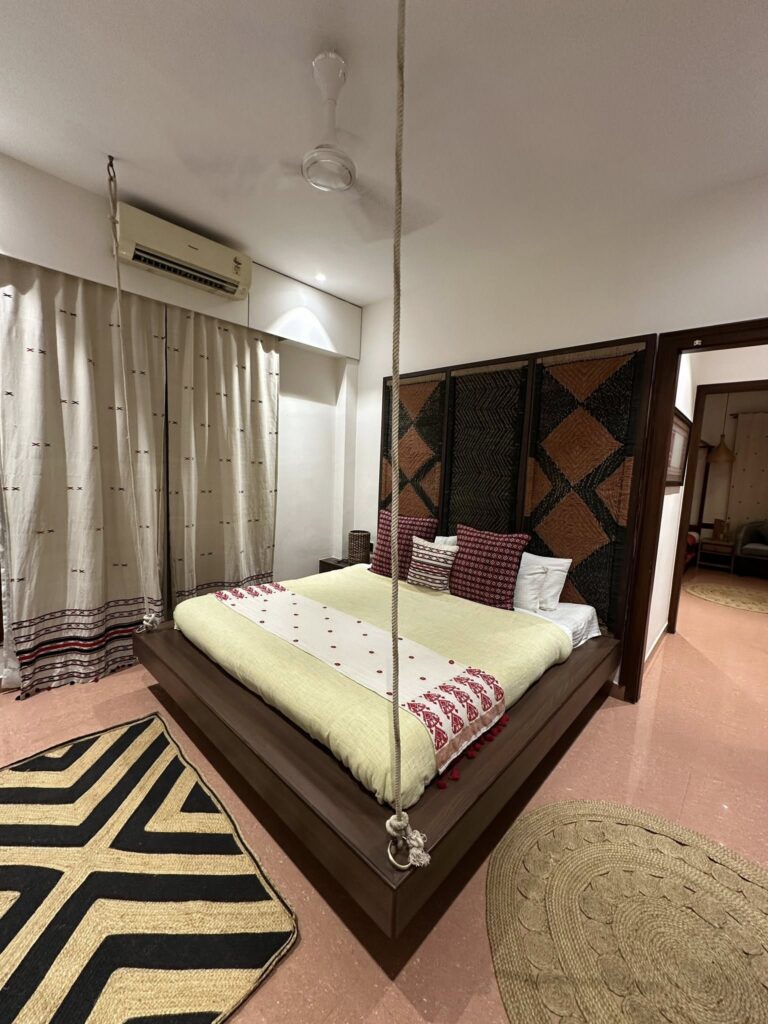
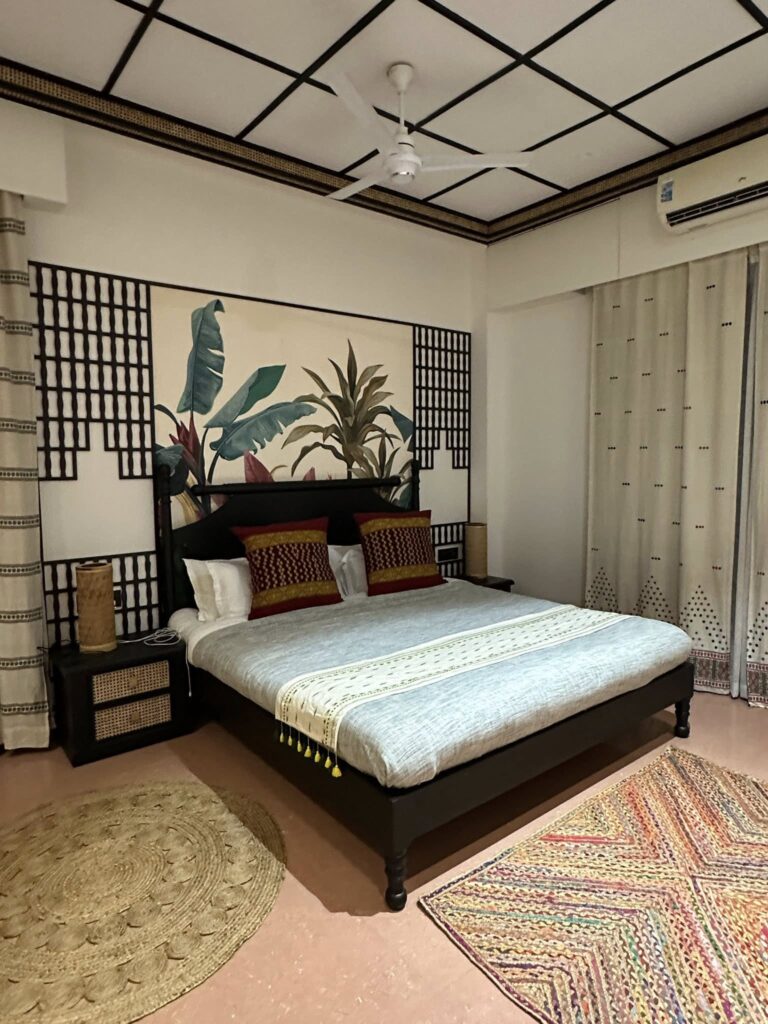
We reached our homestay just outside Jorhat around 6:30 PM, and it turned out to be a delightful surprise. Jorhat doesn’t have many hotels, so homestays and tea bungalows are the norm. The place we’d stayed at earlier was unavailable, so we tried something new—and it exceeded expectations. Spacious, luxurious rooms, beautifully maintained, warm staff, and a quiet charm that made us feel instantly at home. Easily one of the nicest stays of the trip so far.
Dinner was simple and satisfying—dal, rice, potatoes, and curd rice. Comfort food, done right.
Looking forward to another beautiful stretch of road tomorrow.
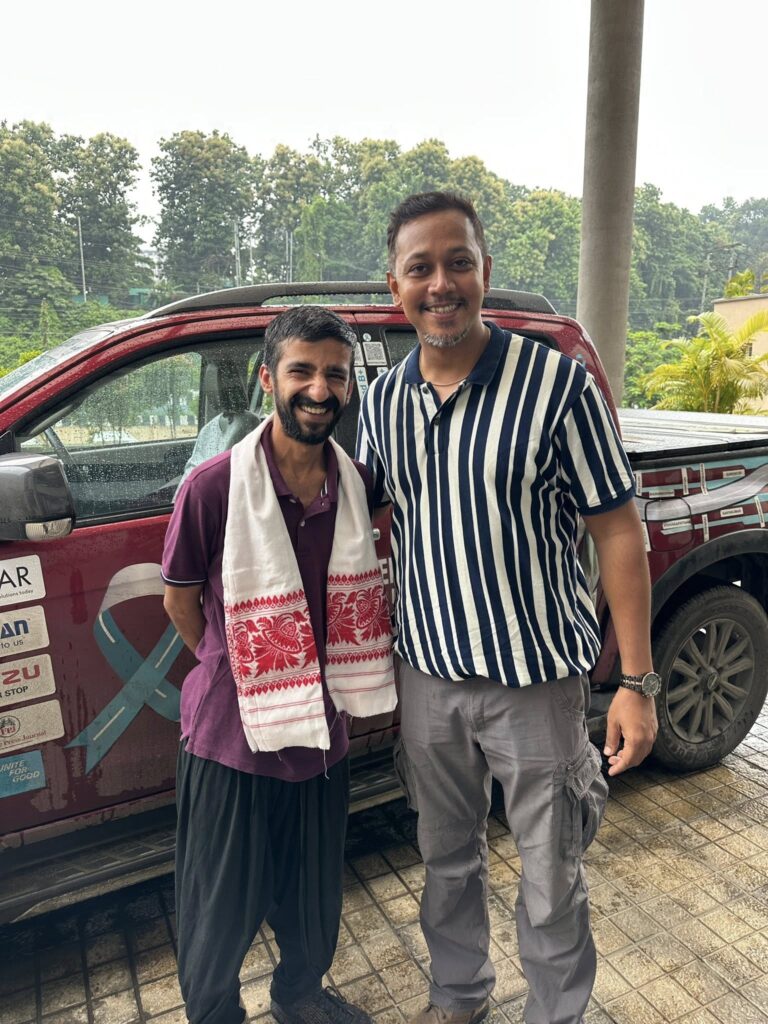
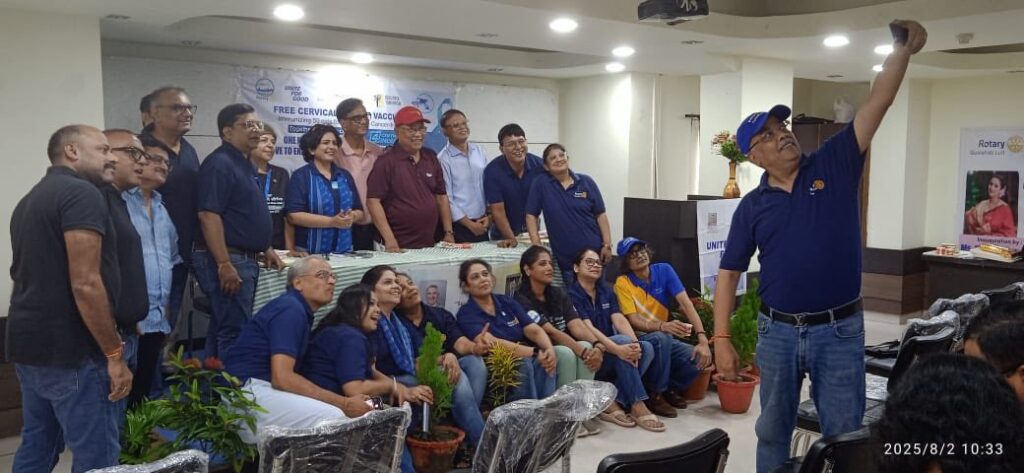
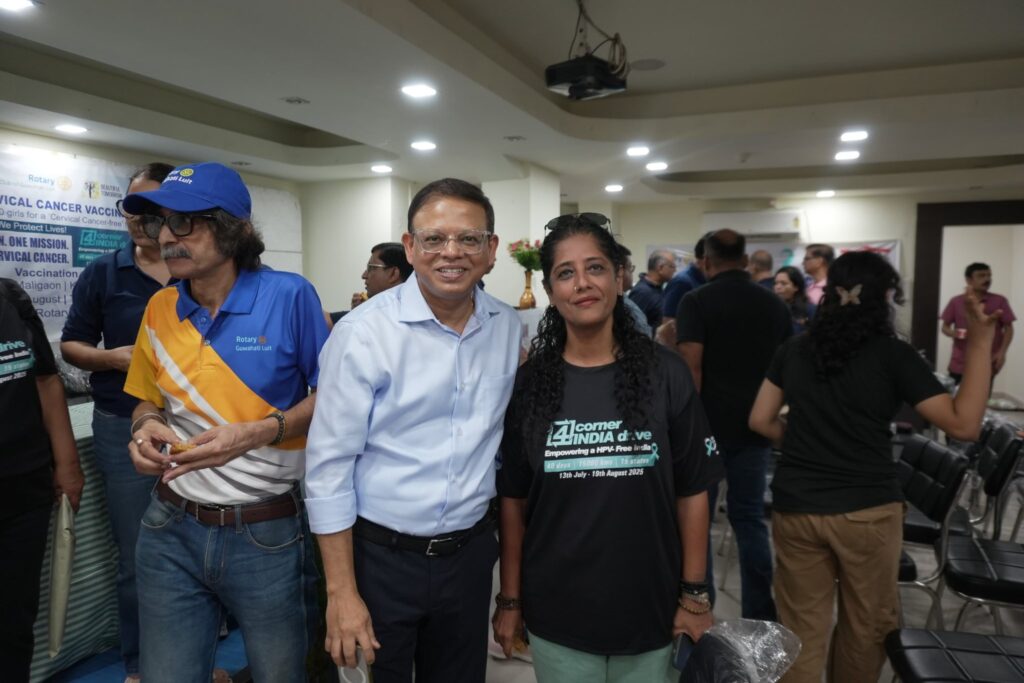
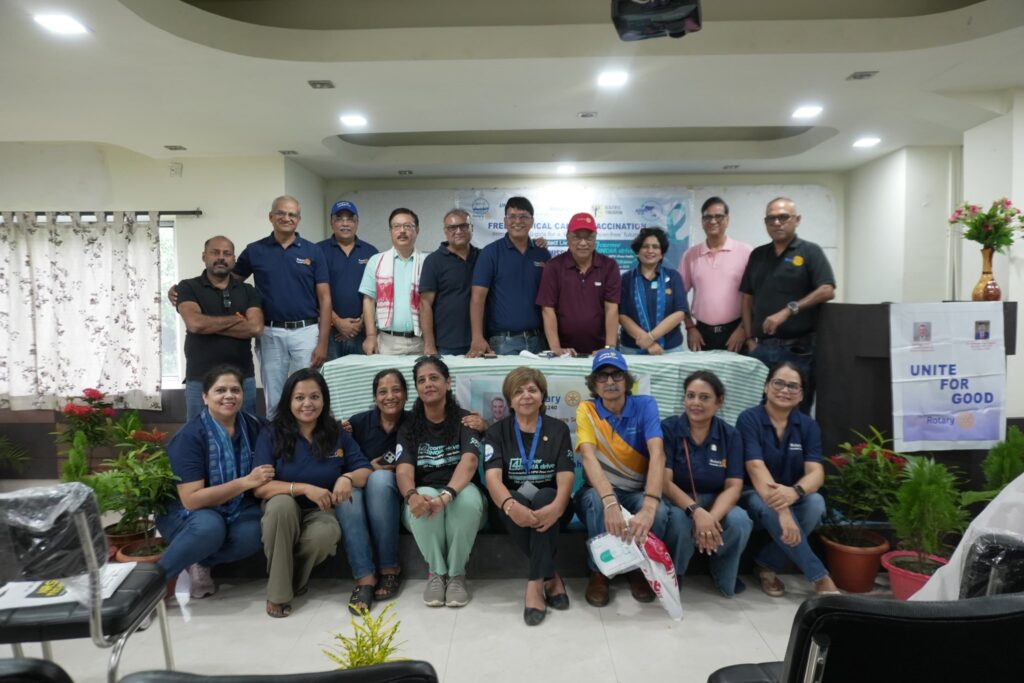
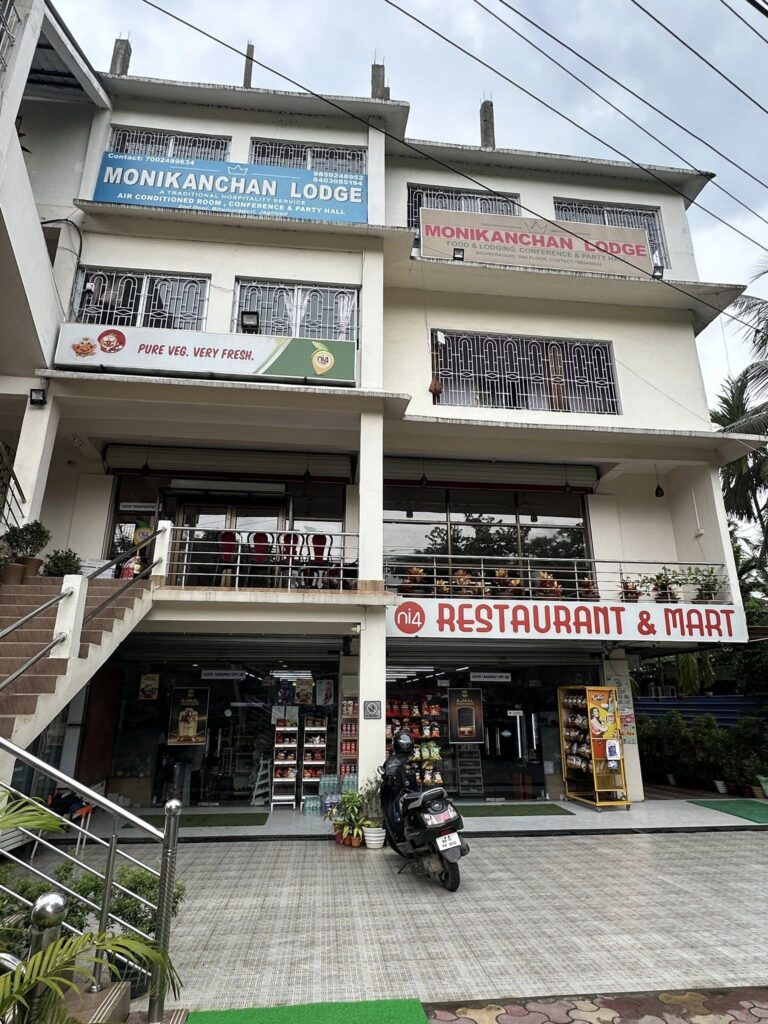
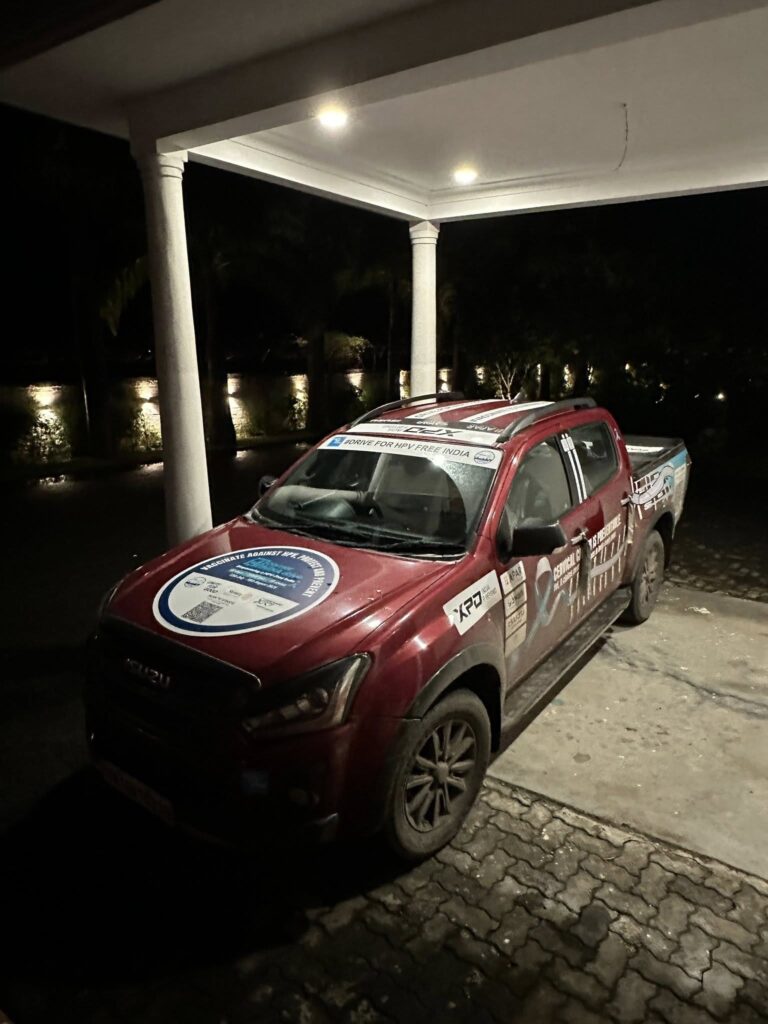
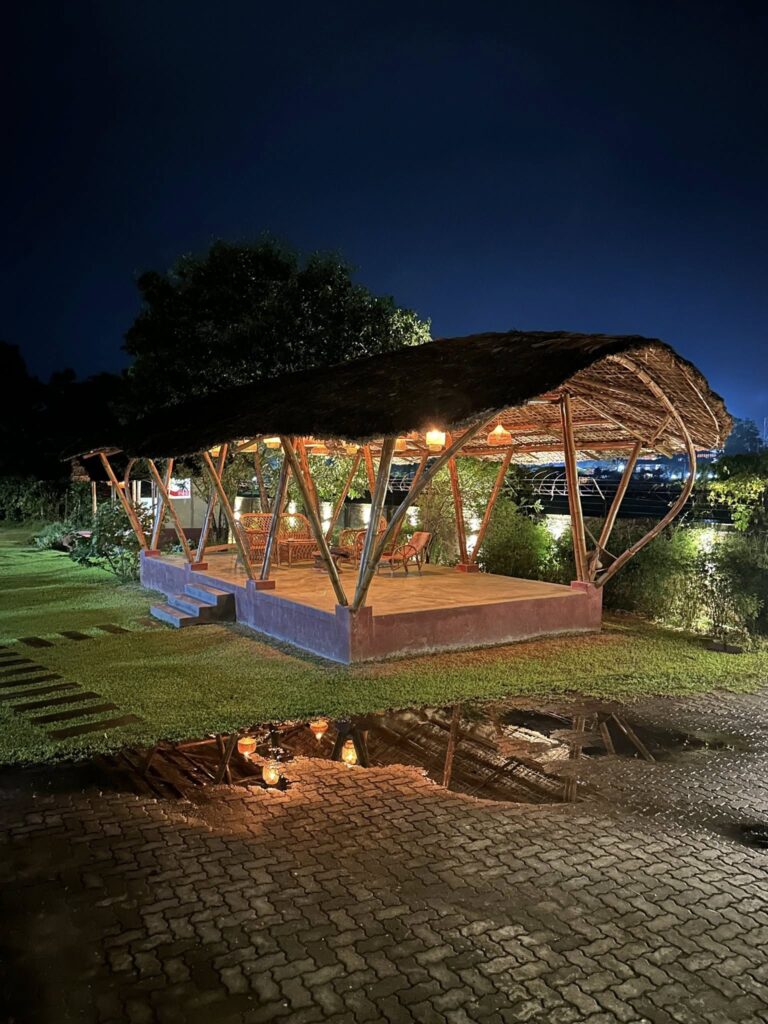
State #11 – Arunachal Pradesh
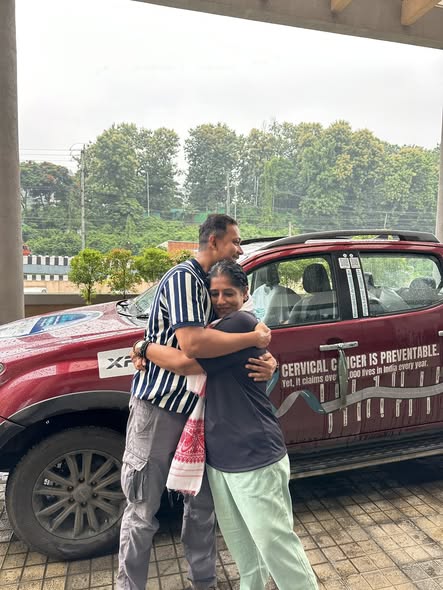
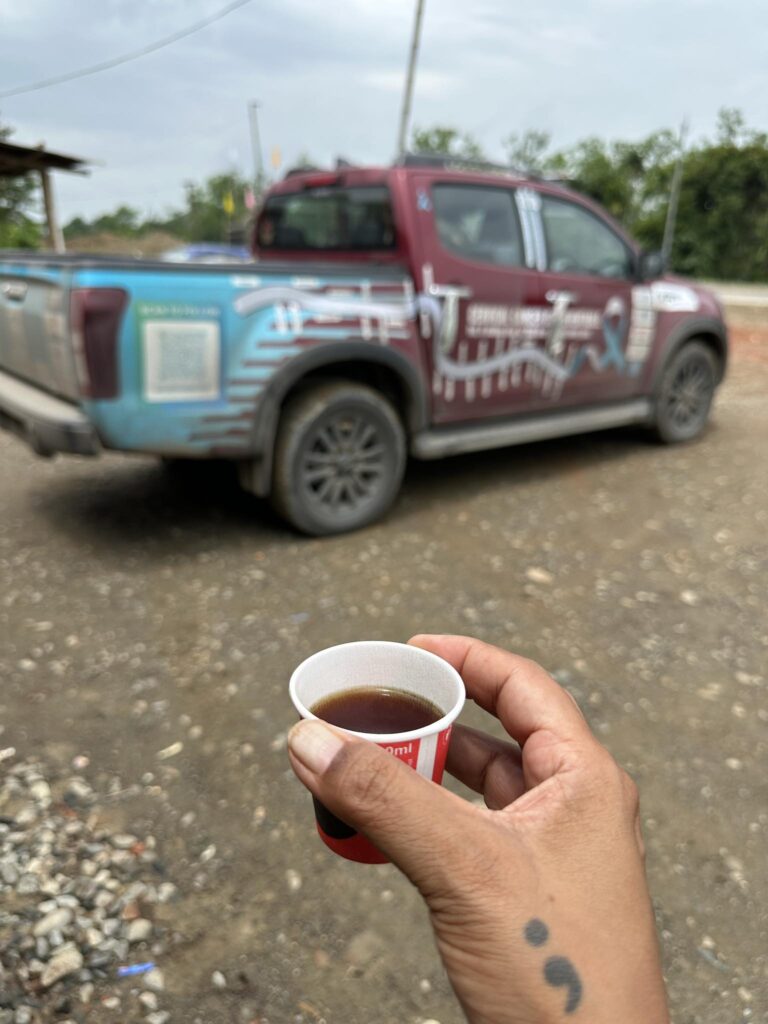
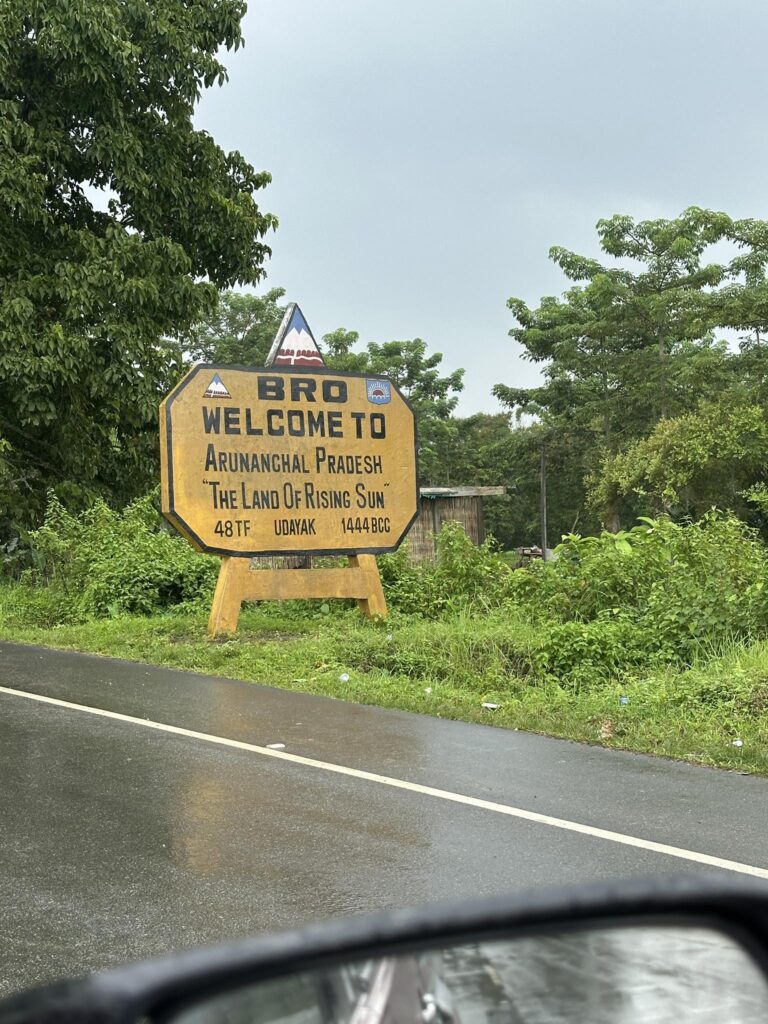
We’re officially in our 11th state today—Arunachal Pradesh—covering 266 kilometers to reach Namsai. The day began at our Jorhat homestay, pleasant overall, except for one unwelcome surprise: no hot water. A cold shower first thing in the morning isn’t exactly my idea of fun, but oh well. The stay itself was decent—good food last night, breakfast passable—and I was more than ready to hit the road and move into new terrain.
The drive was smooth, the roads an absolute dream. At the Arunachal border, everything was seamless thanks to Shashank, who had arranged our Inner Line Permit in advance. A quick check of the car number, a flash of the permit, and we were through.
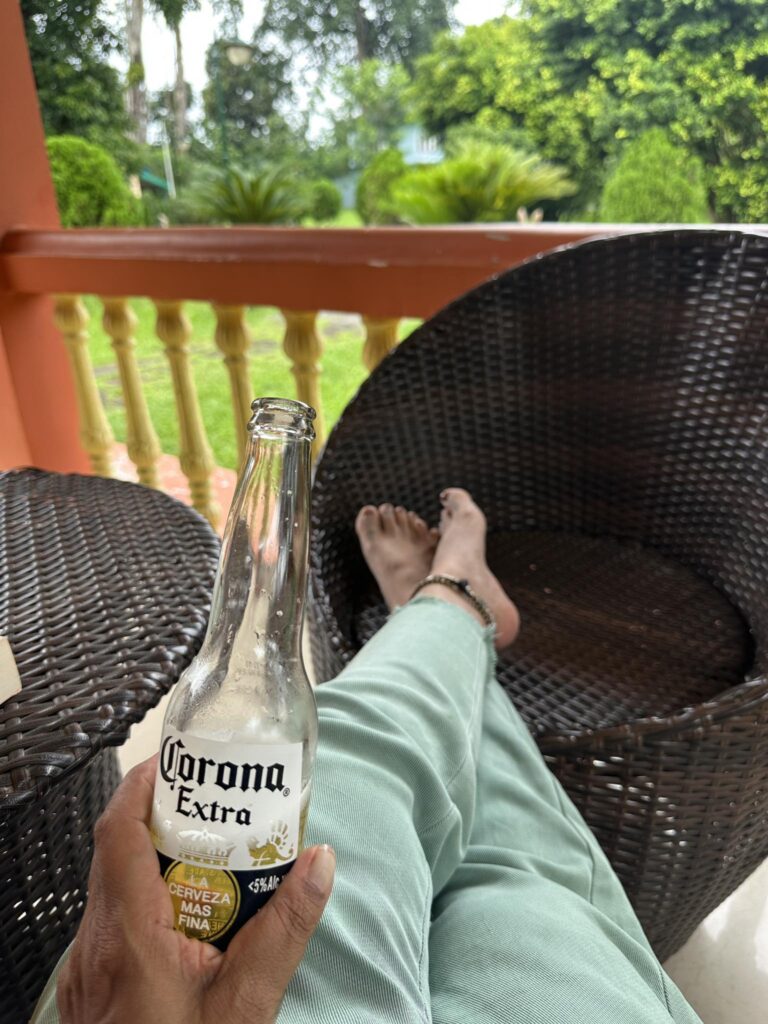
We arrived in Namsai earlier than expected, around 2:30 PM—always a gift on long travel days. Our resort, set right next to the Golden Pagoda, is lovely. Wide open spaces, greenery all around, and a calm that instantly slows you down. Lunch, drinks, and a well-earned nap followed. I even managed to catch up on some reading and writing before stepping out again.
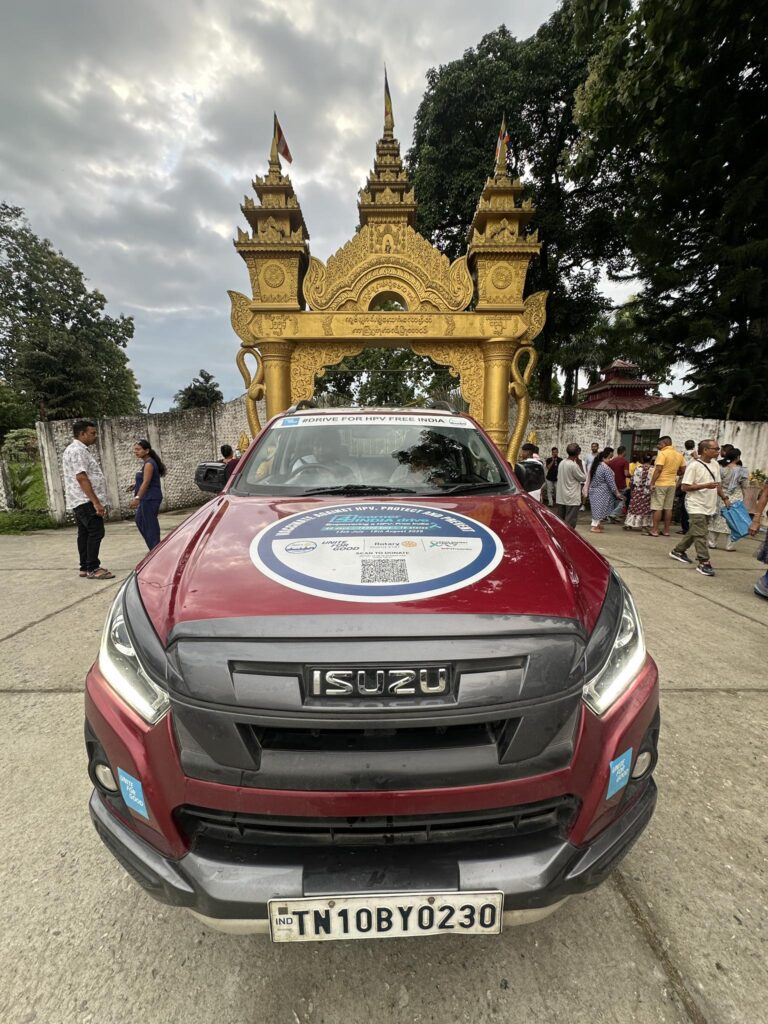
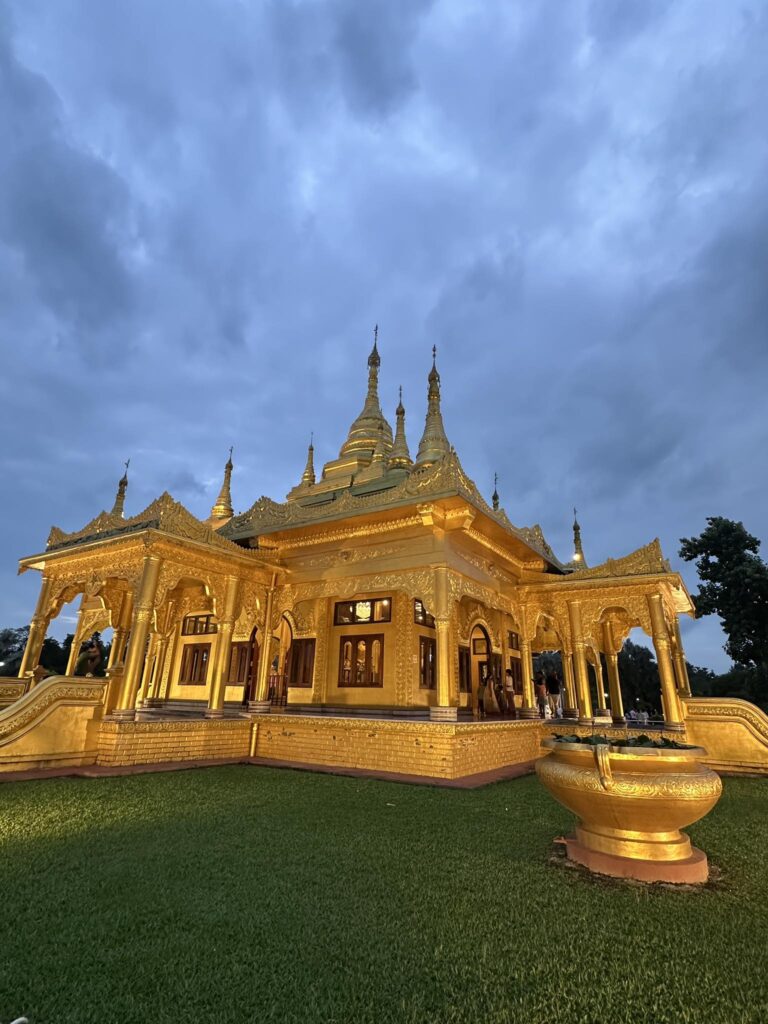
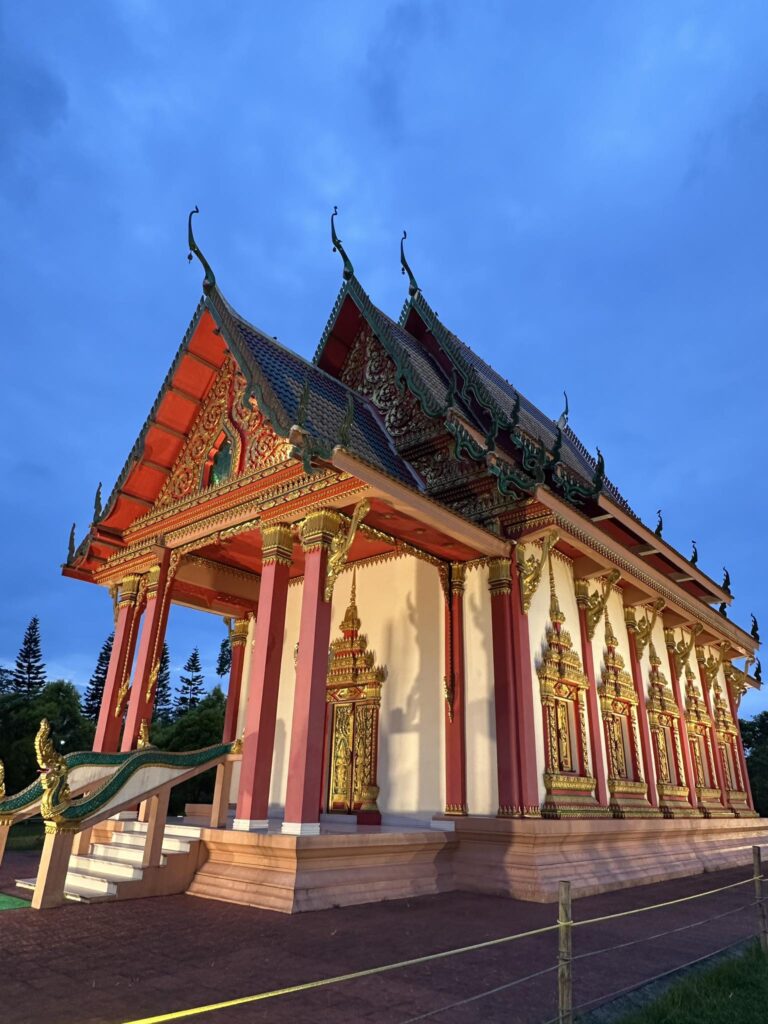
By 6 PM, we drove over to the Golden Pagoda, just next door. The complex is stunning—golden spires rising against the evening sky, the entire place carrying a distinctly Southeast Asian feel. For a moment, it felt more like Thailand or Myanmar than India. There were quite a few visitors around, but we kept it quiet, wandered a bit, and headed back.
It’s been a light day—easy roads, smooth entry, and a peaceful evening. Tomorrow is a big one: our third milestone, the easternmost point of India. Hard to believe we’ve already come this far. Less than two weeks to go now, and I’m holding on to every mile.
The internet is patchy today, so not many photos going up. But I have a feeling tomorrow will be even more remote. For now, this is a pause—right before the next milestone.
What a disappointing day.
I started the morning full of excitement, heading toward Kibithu and Kaho—the easternmost edge of India. This was meant to be a major milestone in the Four-Corner India drive, and I was buzzing with anticipation.
About 80 km in, everything changed.
A fresh landslide had occurred early this morning, completely blocking the only road leading to Kibithu and Kaho. We’d checked just yesterday—everything was clear. We’d even booked a homestay in Kaho. And yet, there we were, staring at a wall of debris. Locals told us it would take 2–3 days to clear. There is no alternate route.
That’s the reality of Arunachal and much of the Northeast—access is limited to narrow corridors, funneled through Assam’s fragile “chicken neck”.
I’m gutted. The four-corner drive feels incomplete without touching that eastern tip. On any other trip, I would have waited it out. But with a packed schedule—vaccination camps lined up over the next 12–13 days as we head back toward Mumbai—there simply isn’t time.
This chapter will have to be revisited. I don’t know when, but I’m determined to return and complete it. Hopefully later this year. God willing.
So we turned around and drove all the way back to Namsai—back to the same hotel we’d stayed in the night before. Everyone felt a little deflated.
The roads today were brutal. Constant rain had triggered multiple small landslides, and we passed earthmovers clearing debris as we went. The one that blocked us? Not even touched yet.
The Lohit River—this region’s name for the mighty Brahmaputra—was in furious flow. Whitewater everywhere.
One small silver lining: we visited Parashuram Kund, the sacred site where the warrior sage Parashuram is said to have washed his sword after killing his mother. A powerful, mythical place—and being there offered a brief moment of perspective.
We checked out a few other resorts on the way back, hoping for a change of scene, but the options were either shabby or fully booked. So back to where we started.
Tomorrow, Shashank is trying to get us to the Myanmar border. I won’t say much more—I don’t want to jinx it. Even if it’s not the easternmost point, I’m hoping we can at least touch a border on this side.
Fingers crossed.
Signing off from Namsai—once again.
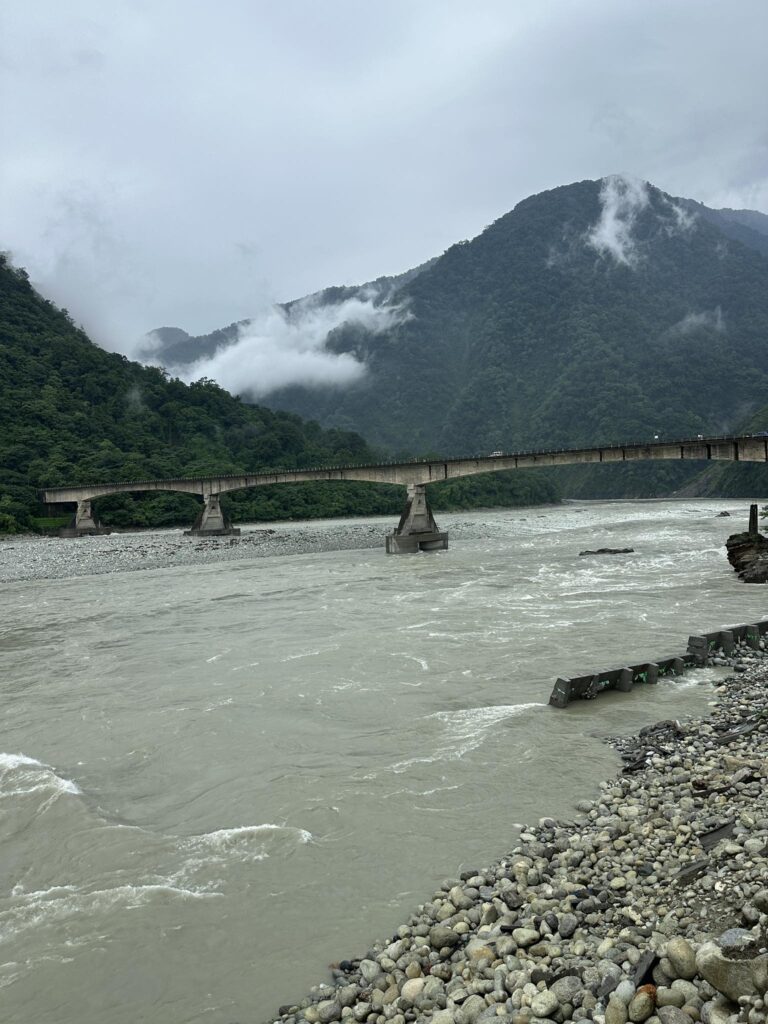
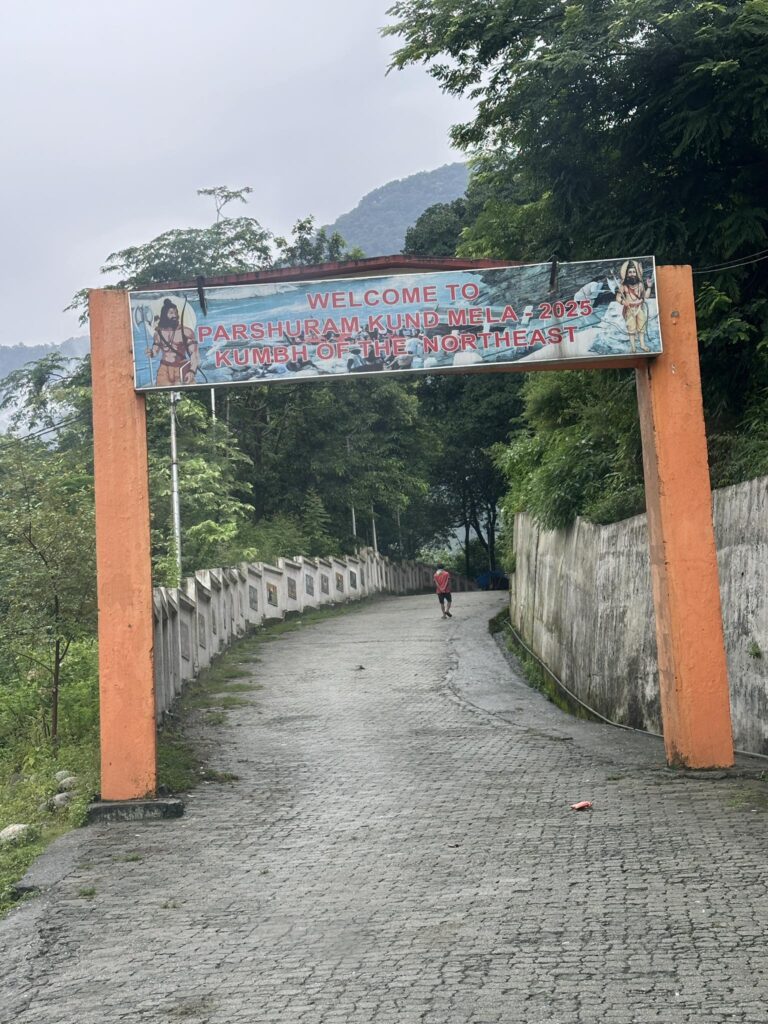
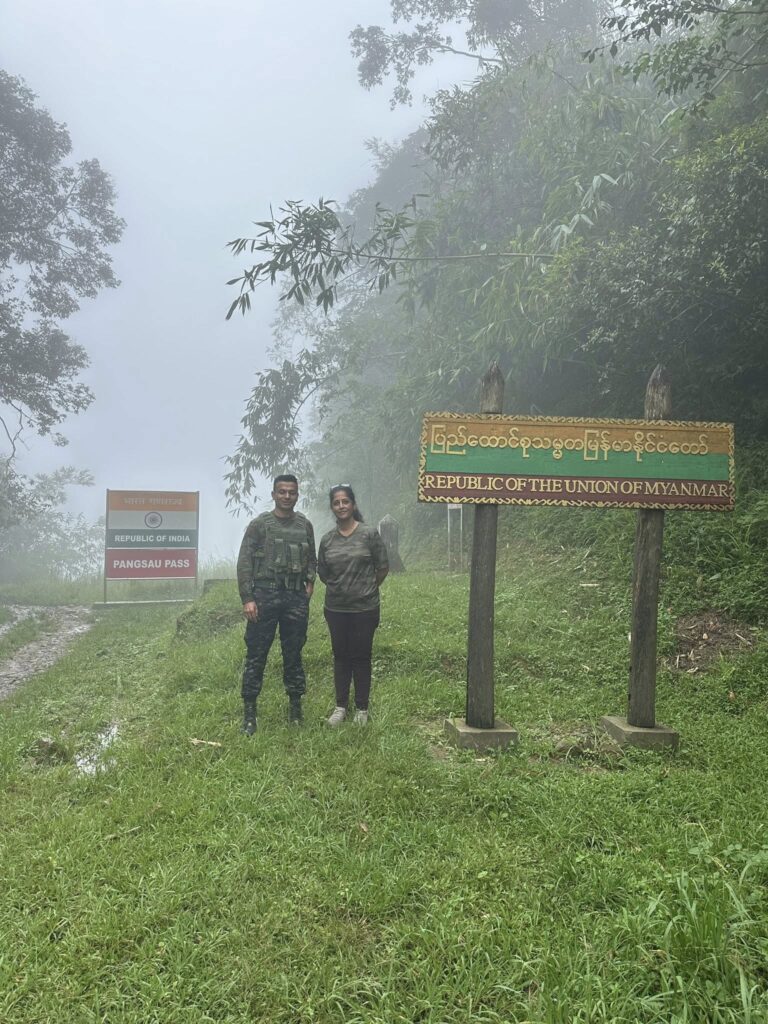
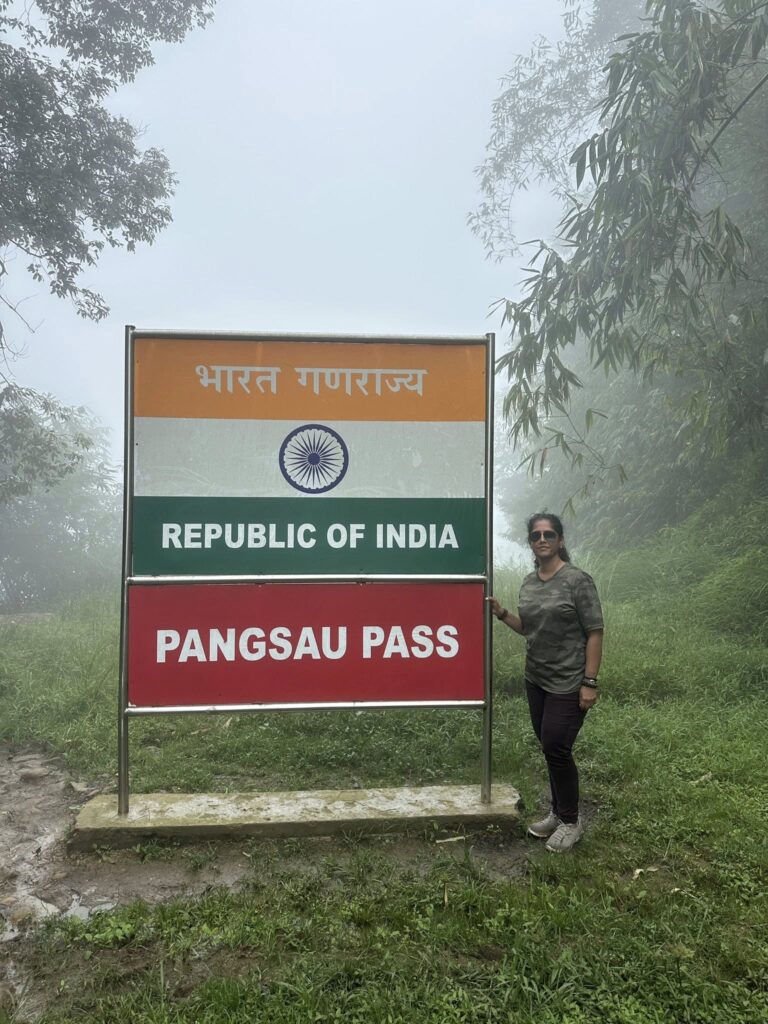
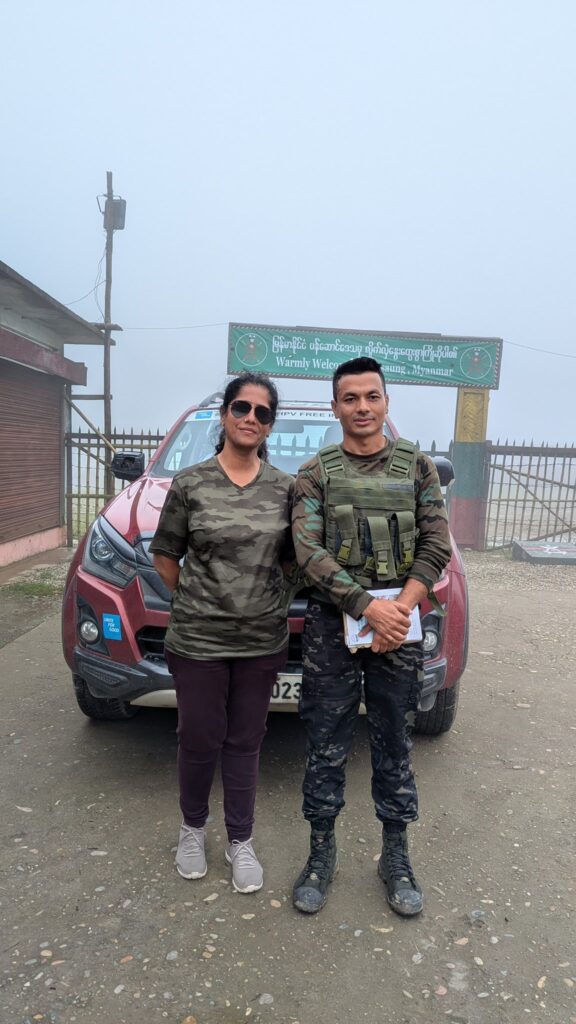
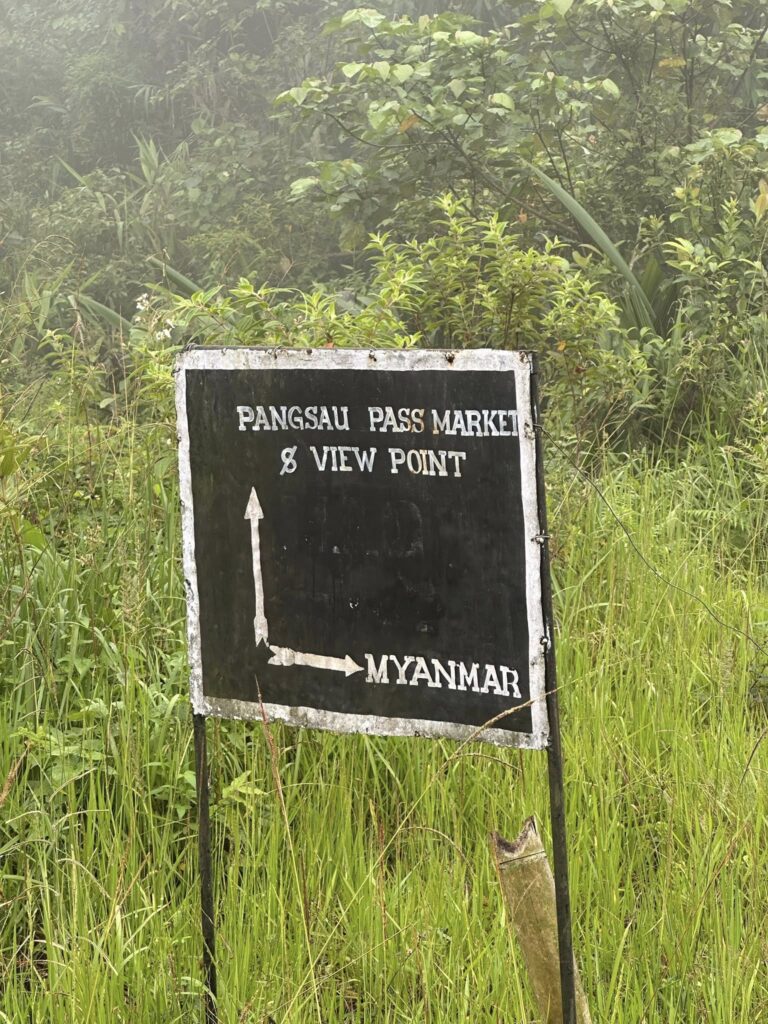
We left the Golden Pagoda at 8:30 AM with cautious optimism, headed toward Pangsau Pass—the Indo–Myanmar border that has remained shut since COVID. Even before the pandemic, it was never motorable, but it was once an active trade route. People from both sides walked across daily, selling goods in a permanent market right at the border. Since COVID, that gate has stayed shut. Trade halted. The place abandoned—except for a full army battalion stationed there now.
Shashank, who’s been traveling with us, was determined to get us to a border. It may not be the easternmost point, but it’s still a significant edge of India. He had a plan. Although a key bridge en route had been washed away in floods two months ago, a local ferry had begun operating as a workaround. It sounded risky. It had rained all night, and I wasn’t holding my breath.
Still, we set out. The road took some figuring out—we asked around, doubled back a few times—but eventually, we reached the river. And there, to my surprise, were three or four rickety-looking ferries hauling everything imaginable: cars, bikes, people… even cows.
I drove Laal Pari onto one. Driving onto a floating contraption held together by little more than faith, ropes, and bamboo never stops being surreal. Two small boats with a bamboo raft lashed across. If I hadn’t done this before, I’d never have believed it was possible. We crossed in about seven minutes upstream—the return trip downstream would take just five. Thrilling, in every sense.
Once across, we continued to Nampong, the last village before the pass. Shashank had already arranged permits, spoken to the army, and prepped everything. Aadhaar cards were handed over, a nominal ₹200 fee paid, and after a few checkpoints, we finally reached the pass.
Here’s the unexpected twist. I stepped out wearing a camouflage-print T-shirt (pure coincidence), aviators on, driving a large SUV. For a moment, the soldiers assumed some officer had arrived. Then the captain stepped out—Captain Sailesh from Manipur. Young, warm, sharp. He welcomed us, listened to our journey with genuine interest, and then did something unforgettable.
He took us across the gate.
Just like that, we walked into Myanmar. He showed us the now-deserted border post on the other side, brought us back, and offered us tea. We sat and spoke for a while—about how the border functions today, how it used to be, and the uncertainty of its future. There were four women soldiers stationed there as well; we shared pamphlets and spoke about the drive and its intent.
Huge thanks to Shashank. Without his persistence, this day wouldn’t have happened. Yesterday’s disappointment—when the landslide blocked our way to Kibithu—had weighed heavily. Today more than made up for it. We didn’t just reach a border. We crossed it.
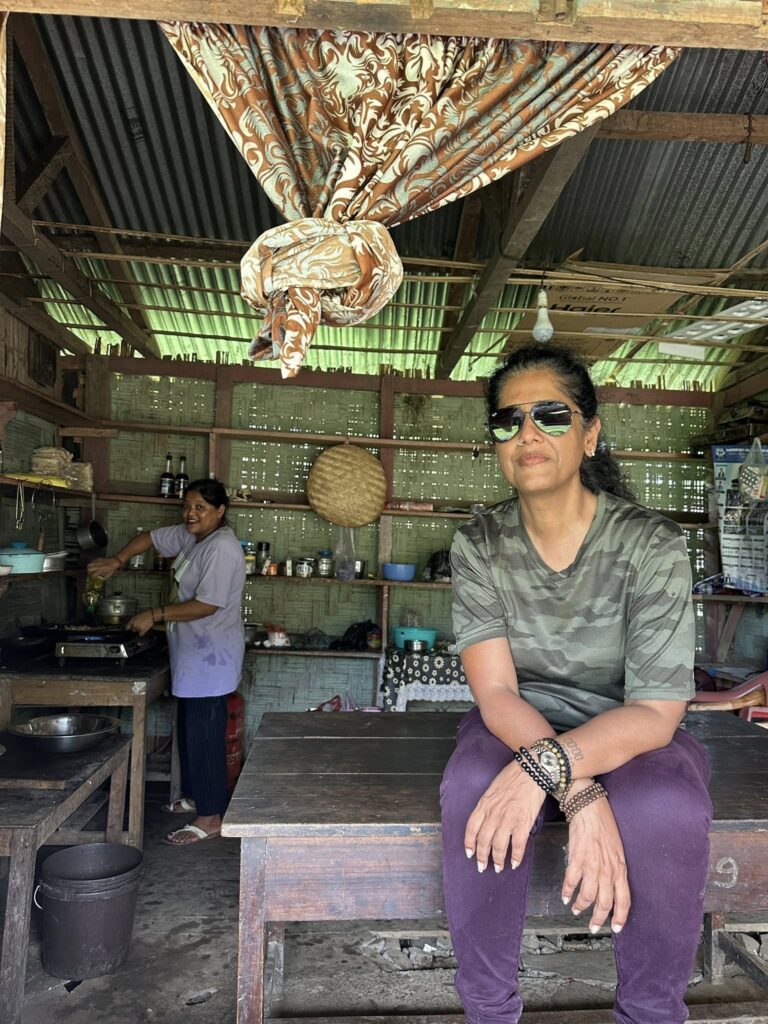
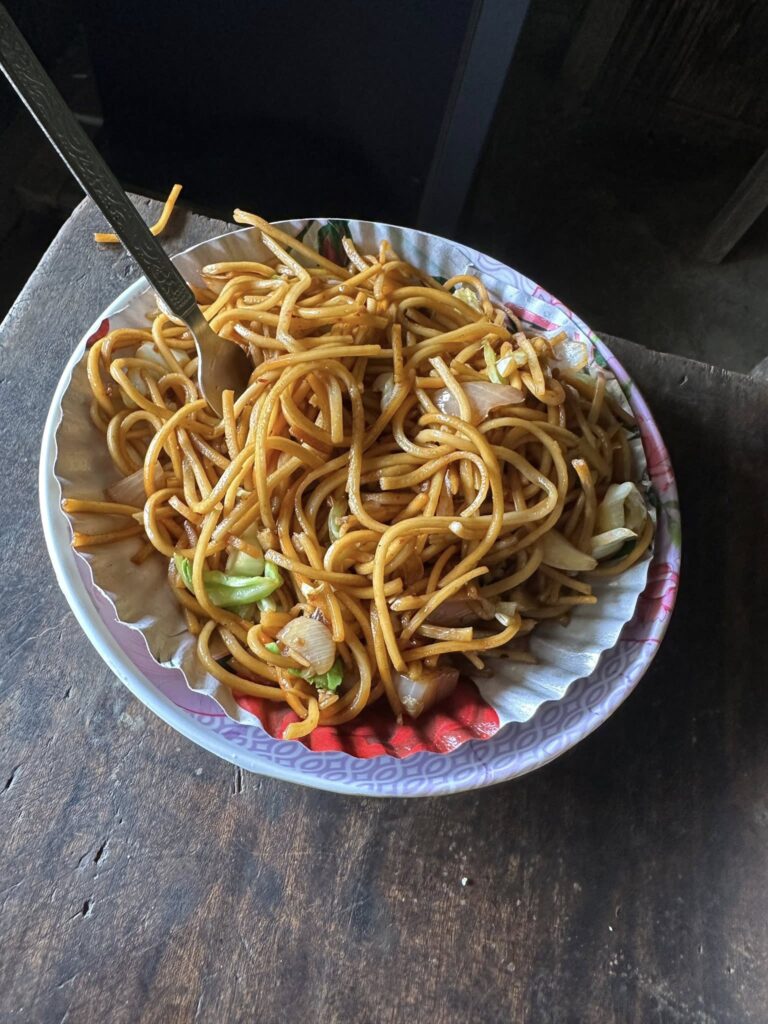
On the way back, we stopped in Nampong for lunch—a simple, humble eatery where a lovely woman named Priya cooked fresh food while chatting with us, sharing stories as she stirred the pot. The kind of meal that makes you feel at home in a place you’ve never been.
The final stretch to Dibrugarh was smooth and easy. We arrived around 6:30 PM at a quirky place Shashank always recommends—Homestay by the Tea Gardens. A riot of charm. Nine rooms, each completely different. Vibrant, not cluttered. Every inch with a story of its own.
The owner is a fascinating man—a former reporter and travel writer, now retired and running this eclectic haven. The evening dissolved into long conversations. Shashank, him, and I—sitting together, swapping travel stories, unraveling the world over beer and nostalgia.
Signing off from a warm, story-filled evening in Dibrugarh.
Grateful for a day that gave far more than it promised.
We were meant to reach Tezpur today—and we did.
Just 189 kilometers. That’s all the distance I got to drive Laal Pari today.
The day began gently enough. After a hearty breakfast—parathas, curd, eggs, the works—we left the homestay around 9 AM. But my morning had started much earlier.
At 4:30 AM, I woke up with a start. I was staying in the white room—the one with an entire wall of glass—and it was bright. Unnaturally bright. I genuinely thought I’d overslept. Must be 8 AM, I assumed. But when I checked my phone, it was only 4:30.
The light pouring in was soft but full, like a clear morning somewhere else in the world. And then it hit me—we’re in the far East. The sun rises early here.
I lay there for a while longer, soaking in the strange, dreamlike quiet of that hour.
Eventually, we hit the road, spirits high. We’d even planned a stop at Numaligarh to see the “Hill of Gods” that Shashank had told us about.
But midway, the road had other plans.
While cruising, Laal Pari began to lose power—gradually. From 120 to 80, then 50, then down to 20. She wouldn’t push any further. The engine began making worrying sounds, and I pulled over. Something was clearly wrong.
Turns out, it’s a mechanical issue—something to do with the DPD (DED) system. Laal Pari had to be taken to Guwahati for repairs, while we continued on to Tezpur as planned. Tomorrow, we have an event here, after which we’ll head to Guwahati to reunite with her. Fingers crossed the issue gets resolved quickly and we’re back on the road to Siliguri the day after, as scheduled.
Murphy’s Law, right? Sometimes it really does work overtime.
I suppose things had been going a little *too* smoothly these past 25 days. The Northeast isn’t an easy ride. I’ve driven here before, and I know—it tests you. Long distances, shifting weather, unpredictable roads. It’s beautiful, yes. But it’s also wild and demanding.
Still, we’re hopeful. We’re grateful. And we’re holding on.
So if you’re reading this—send up a prayer. Send us your good thoughts. We’ll keep you posted.
Thank you for all the love. Always.
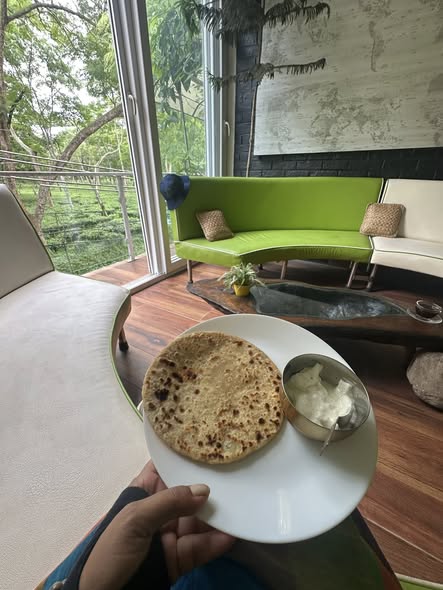
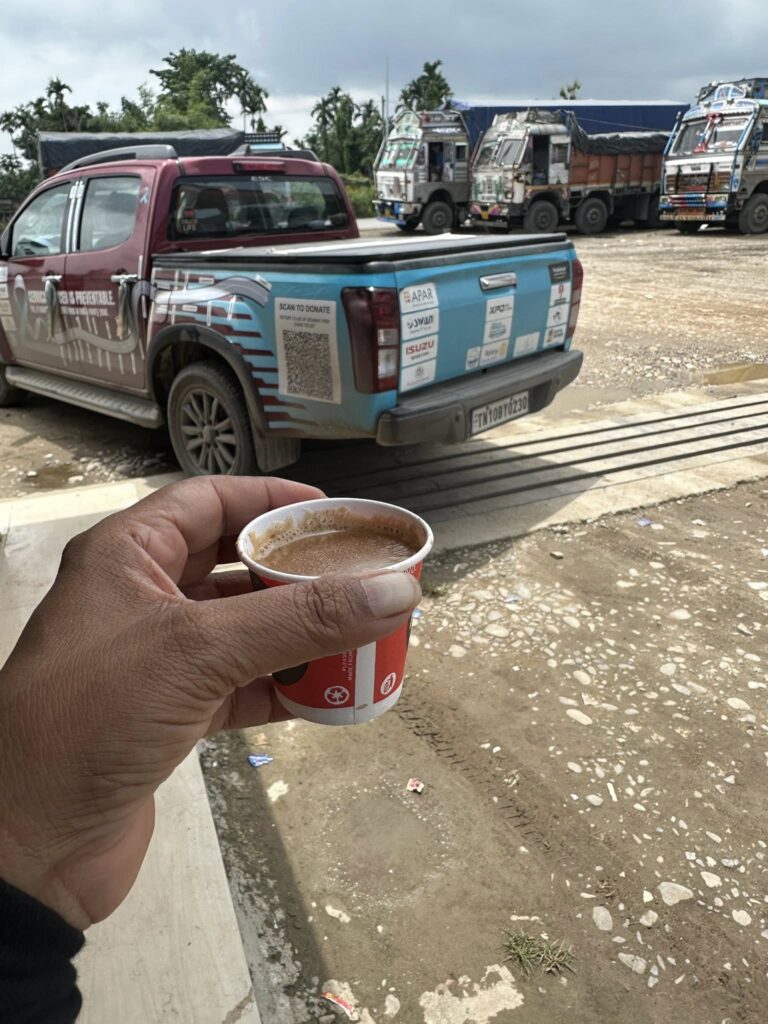
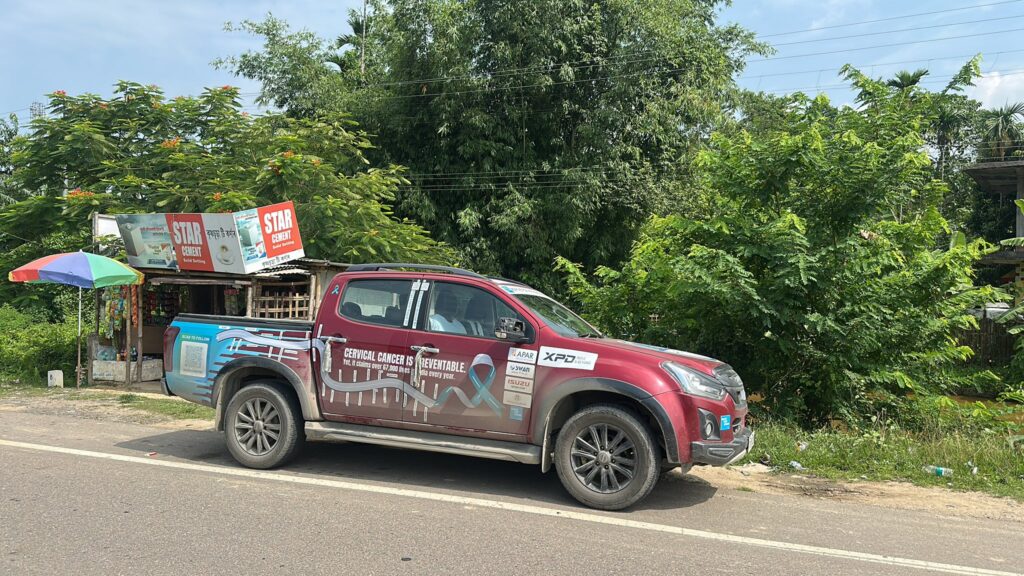
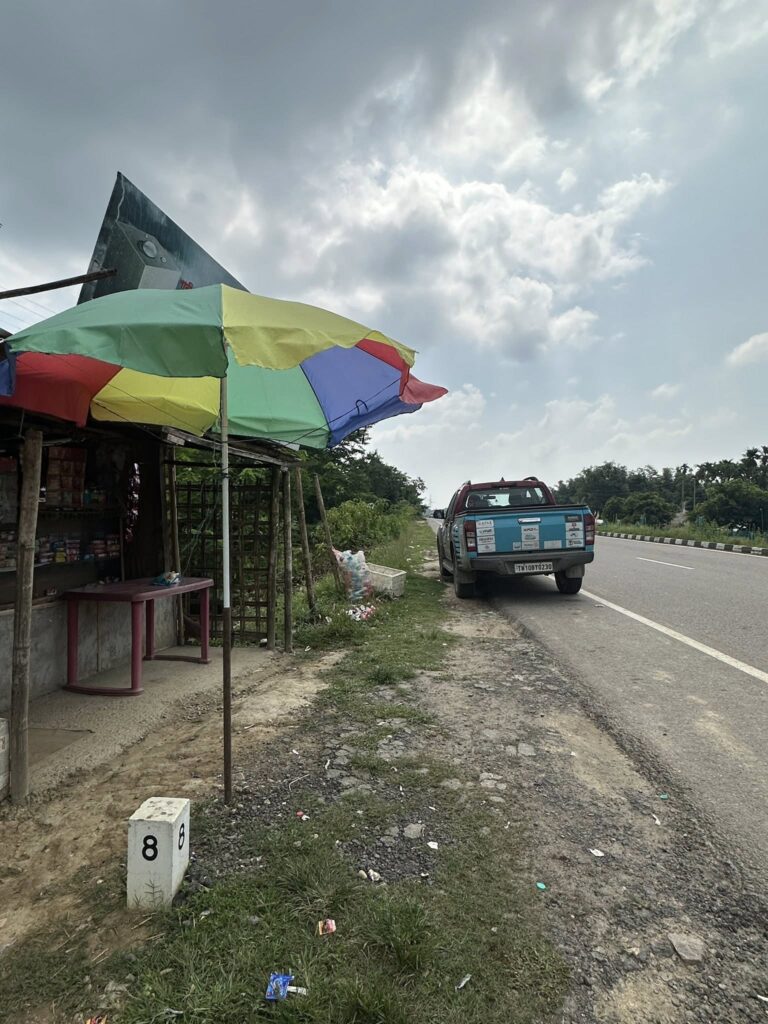
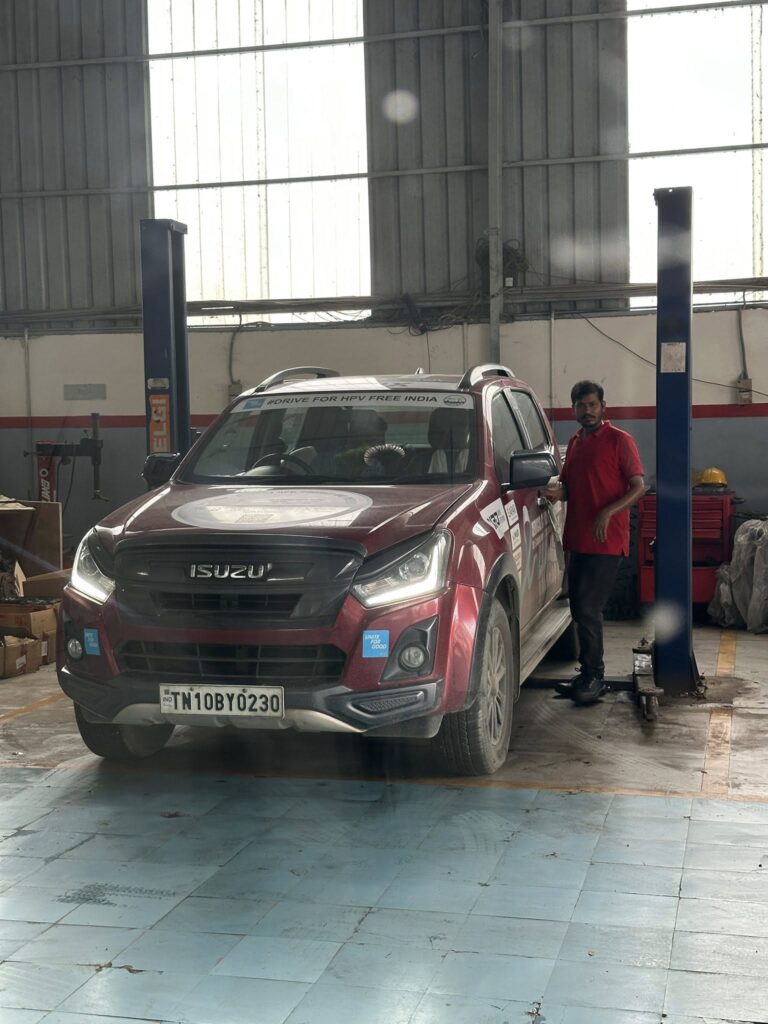
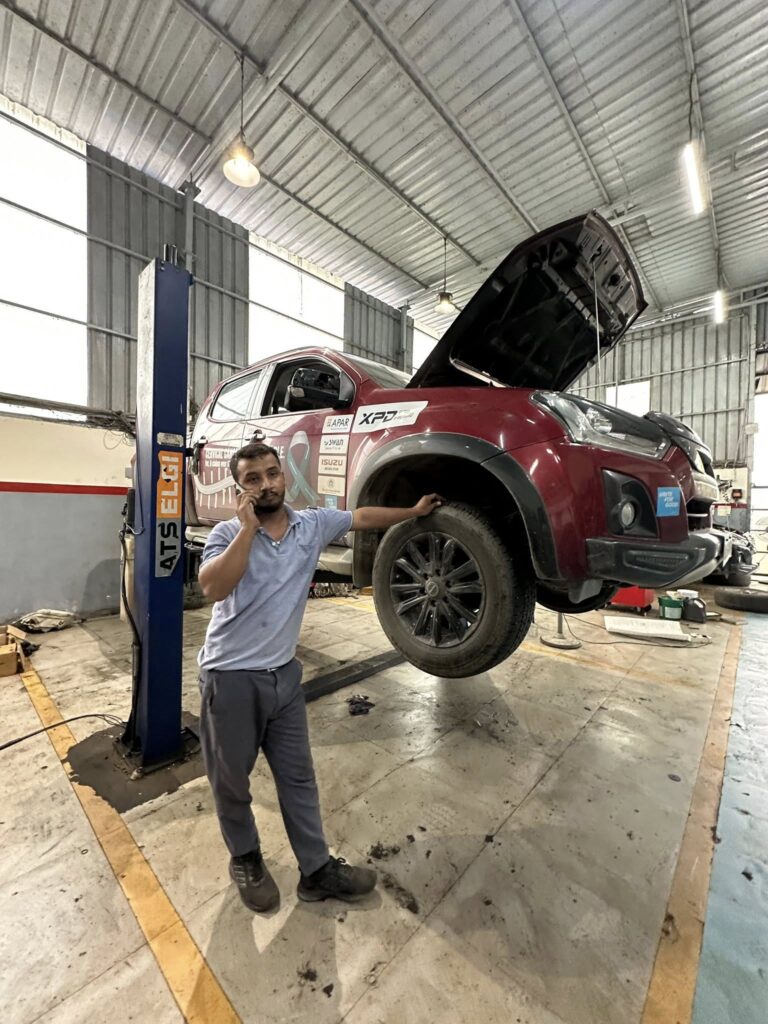
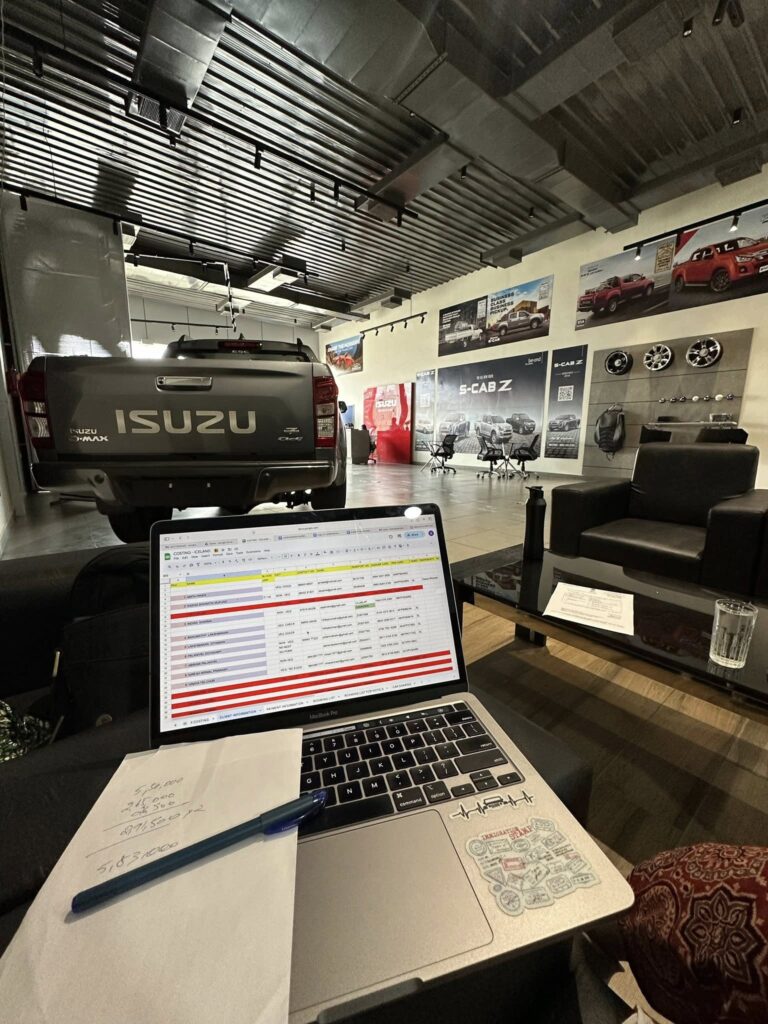
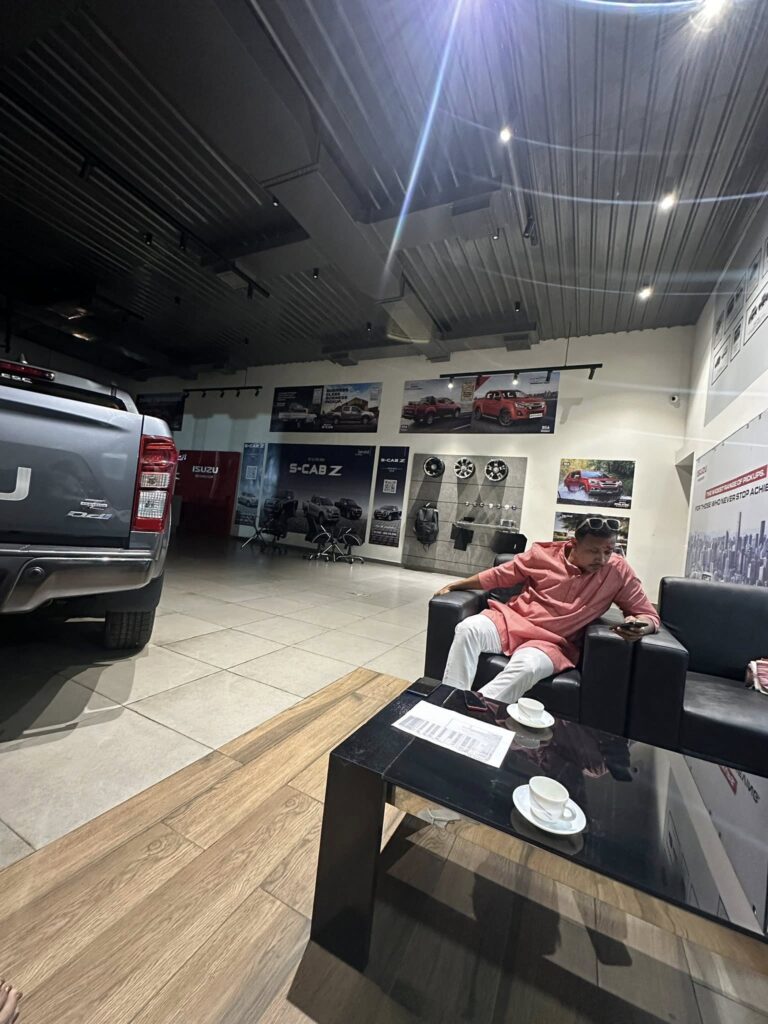
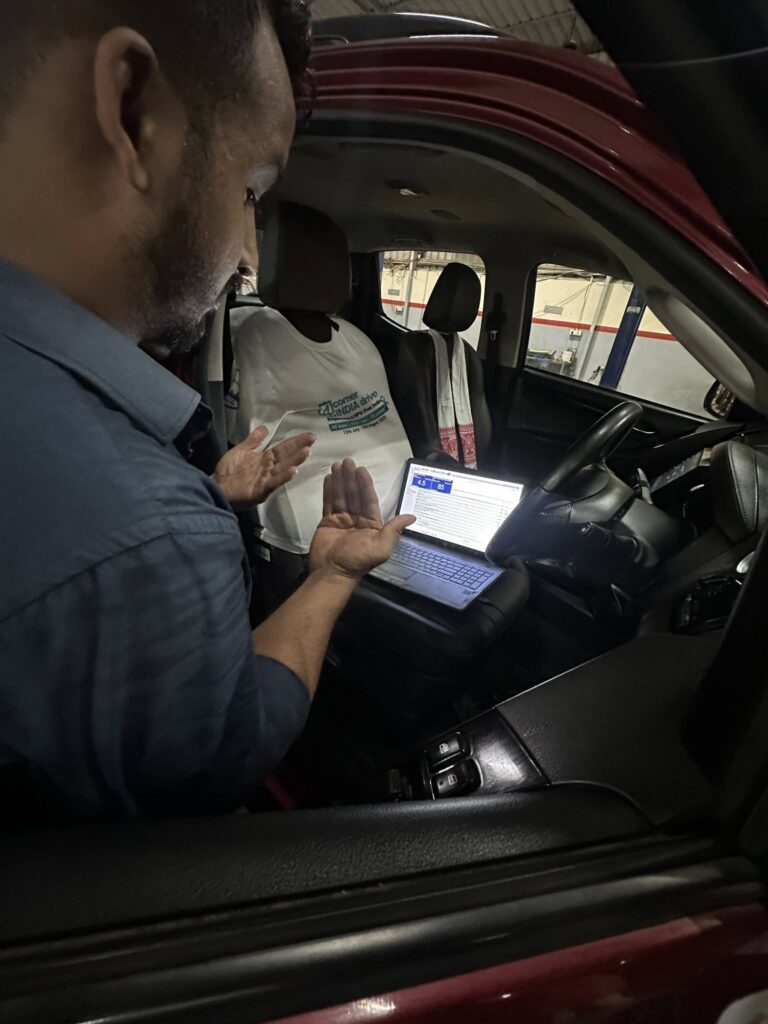
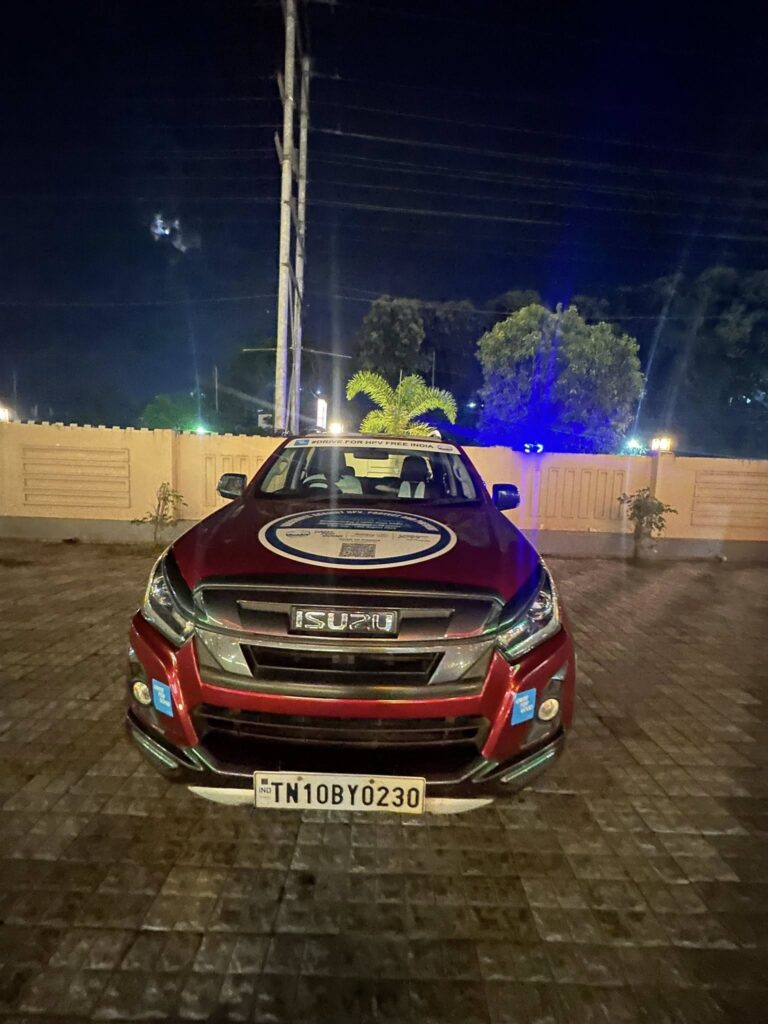
The team figured out the issue quickly and got down to fixing it right away. It was going to take time—and she also needed a 50 km test run after repairs. Meanwhile, she had just crossed 40,000 km, so we decided to give her a full service as well—filters, oils, everything. All of it happened side by side, efficiently and seamlessly.
And then, something lovely happened.
While I was sitting there working, a friend showed up—Reeturaj Yogi. He’d seen my Instagram story about setting up shop at Isuzu and decided to take a chance and drop by. And there I was, exactly where I said I’d be. We chatted, laughed, and then he took me out for a quick lunch. Maggi, coffee—and then straight back to the service centre.
It’s these small moments—the spontaneous kindness, the unexpected reunions—that keep filling my heart. I say this often, but every single day on this journey, I receive so much love. And I never take it for granted.
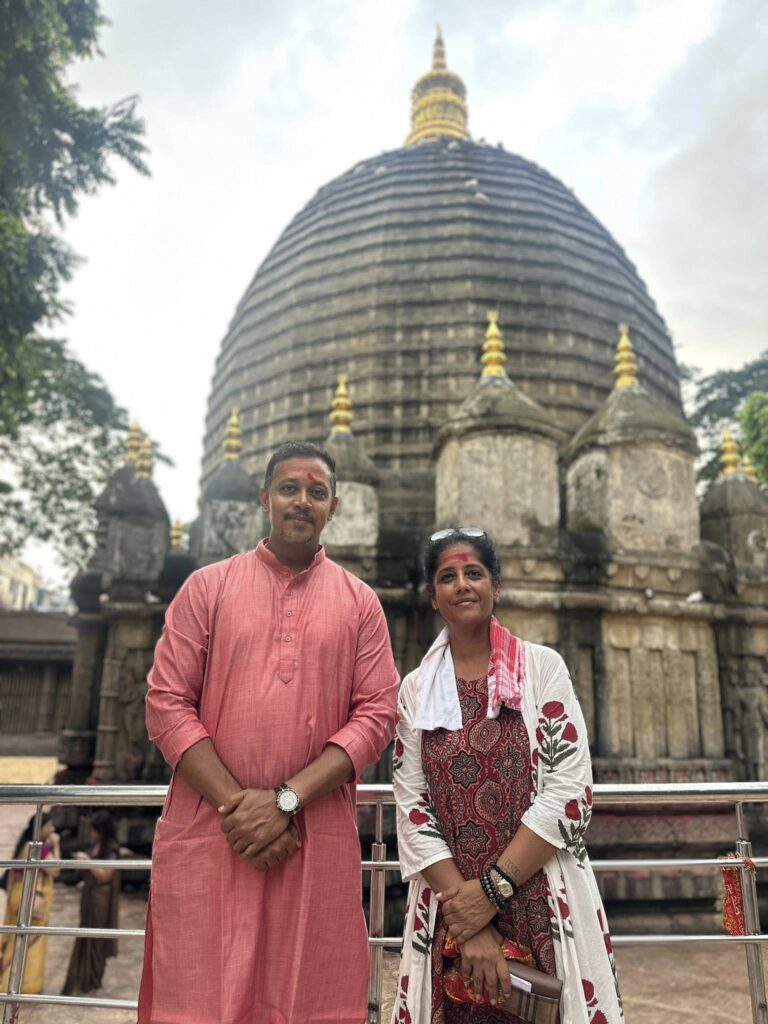
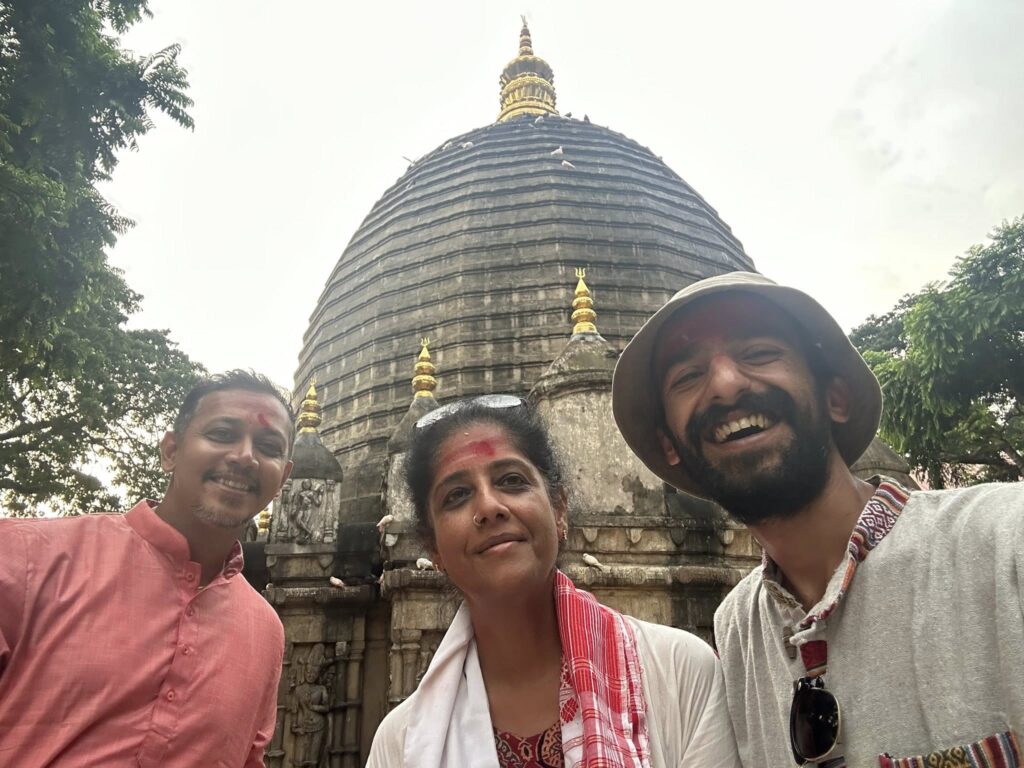
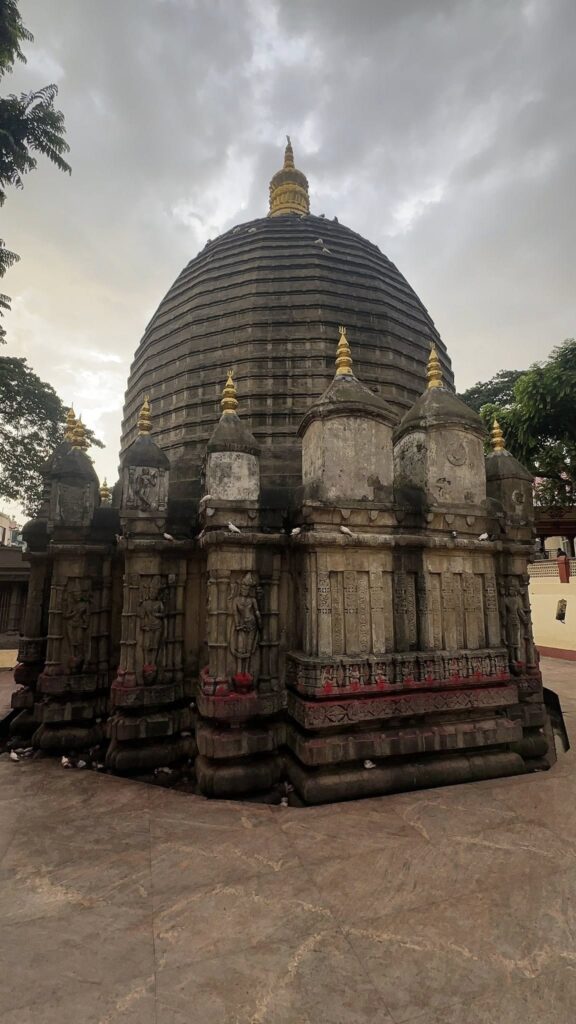
Around 4 PM, I stepped out for a bit and went to the Kamakhya Temple with the team. The darshan was powerful—exactly what I needed. We returned to the workshop by 6, just as Laal Pari was taken out for her 35 km test drive. When she came back, she got a proper wash, looked fabulous, and ran like a dream—quiet, smooth, steady. Ready to roll again.
I cannot thank Isuzu North East and Isuzu Motors India enough. What could easily have taken a week was wrapped up in less than 12 hours. Incredible service. Solid work. So much care.
But the real hero of today—and the last few days—is my dearest friend, Shashank.
He’s the one who got Laal Pari onto a flatbed last night and ensured she reached Guwahati safely at 2 AM. He personally dropped her at the service centre and then spent the entire day with me today. Just sitting there. Just being there.
I don’t have words big enough for that kind of friendship.
Shashank has been my constant in the Northeast. Every single time I’ve been here, he’s shown up—no questions asked. Just solid, unwavering support.
As a traveller, this is the real treasure: friends who become family, people who appear exactly when you need them. I just have to call out, and someone always answers. That kind of love and grace—I will never take for granted.
Thank you, Shashanka Deka. For your heart, your time, your kindness. For always showing up—for me, and for Laal Pari this time.
We’re back on the road. I’m back behind the wheel. It’s 7:40 PM, and tomorrow is going to be a long one. But I’m ready—and so is she.
We left Guwahati at 7:30 AM, knowing we had a long drive ahead. Google promised 8–9 hours, but we knew better—it’s always more once our pit stops are factored in. Laal Pari was in fine form today, purring beautifully, the engine smooth and strong. It felt good to be properly back on the road after the hiccups of the past few days.
By 9:30, we’d stopped for breakfast at a little roadside tapri—parathas, chana curry, and chai. Fresh, simple, cooked right in front of us. The kind of food that makes the highway feel like home.
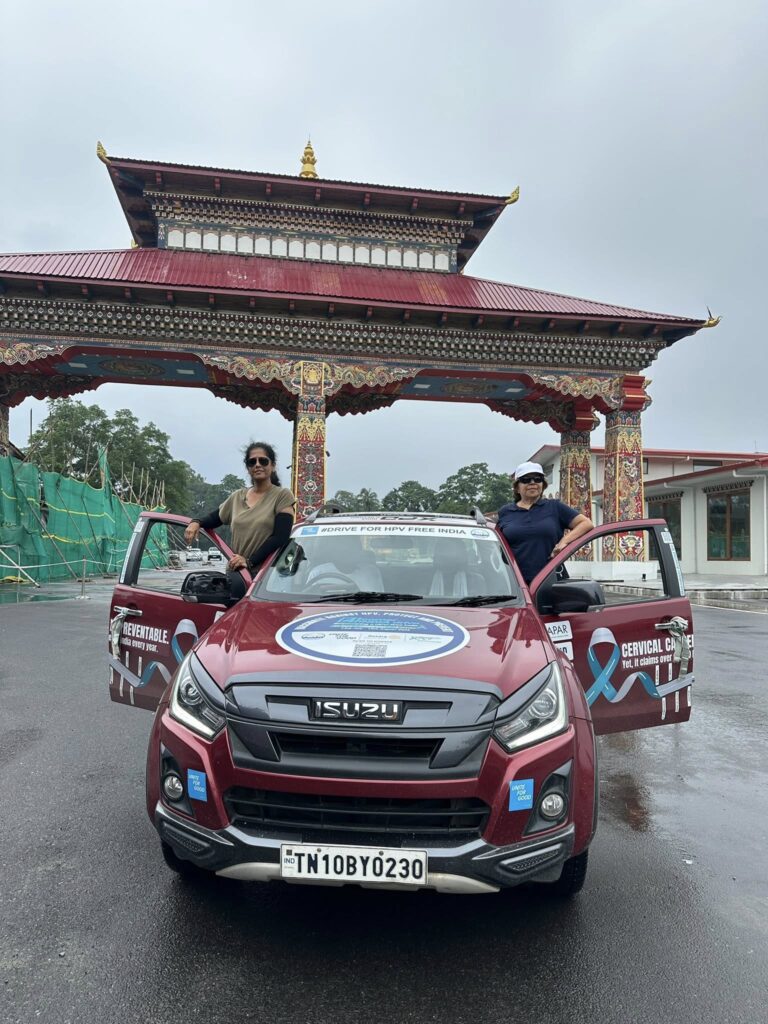
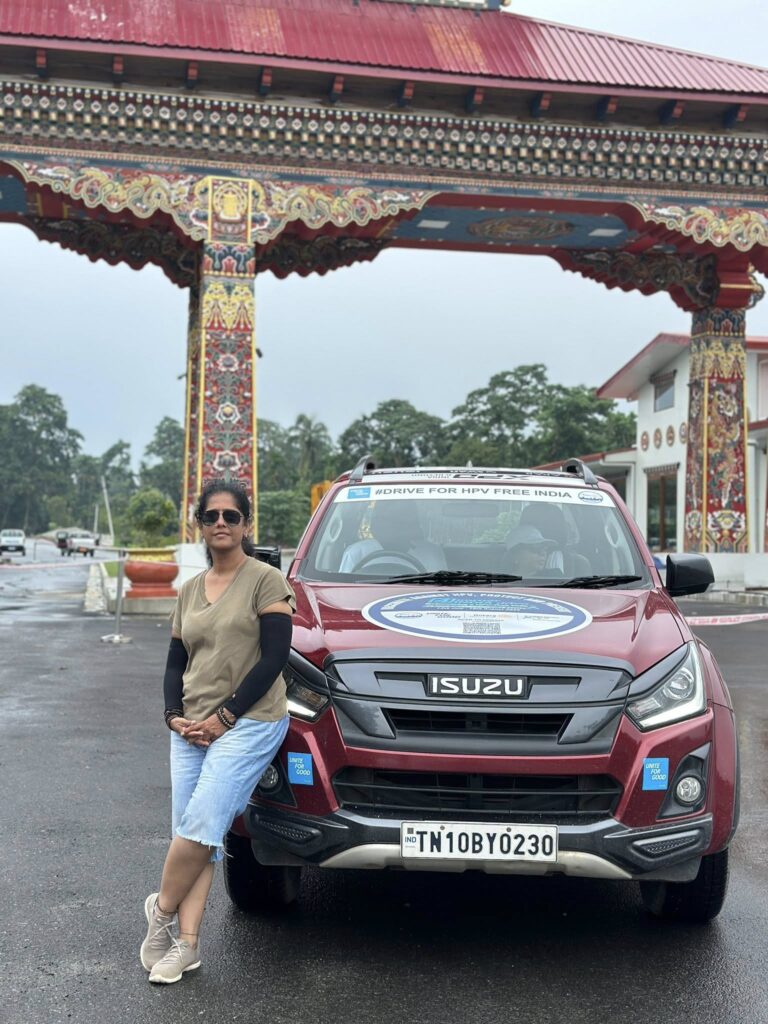
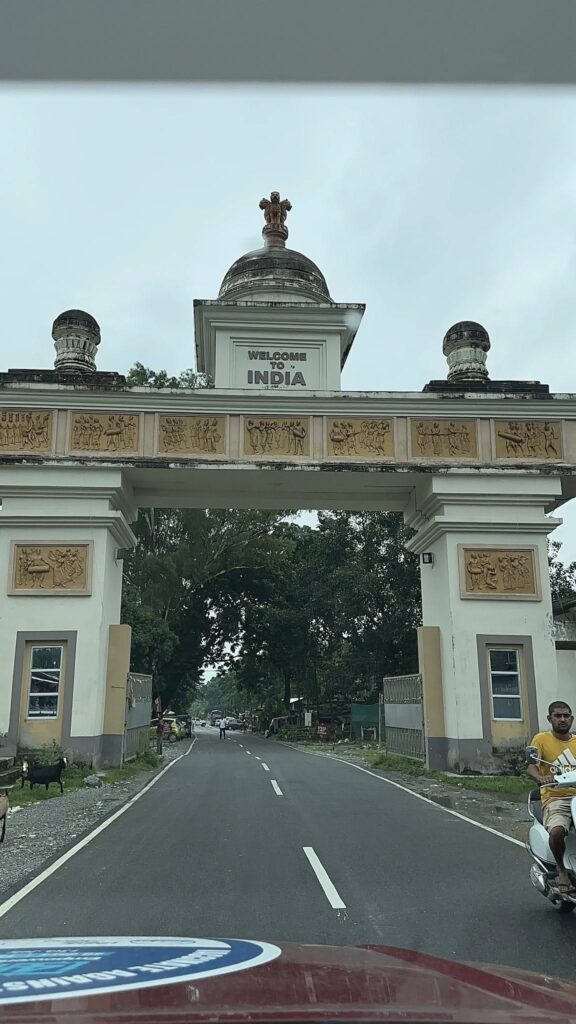
Then, quite unexpectedly, a signboard appeared: “Bhutan 41 km – Gelephu Border.” And just like that, we took a detour. The drive toward the border was stunning—lush greenery everywhere thanks to the monsoon. When we reached, the guards asked the usual questions, and after some quick Aadhaar-based paperwork, we were at the Bhutan border. Indians don’t need passports, just a valid ID, but we didn’t have the time to go further. Still, it was a refreshing little bonus. Our fourth corner is coming up soon—but today, we threw in a border.
We turned back and stopped for lunch at a humble roadside café. Nothing fancy—just hot Maggi, momos, dal-chawal, and surprisingly, the best karela I’ve had in ages.
Rain and traffic caught up with us in the final stretch—about 20 km of slow-moving trucks, ghat sections, and wet roads. We rolled into Siliguri by 7:30 PM, back at the same hotel we’d stayed at on the way up—Ramada Encore by Wyndham.
The roads in and out of the Northeast are the same—you go in the way you come out. So for the past 8–9 days, we’ve seen the same sights, eaten at the same spots. But today’s border detour gave it a fresh spin.
Tomorrow’s going to be even longer. Time to rest.
Love you all. See you on the road.
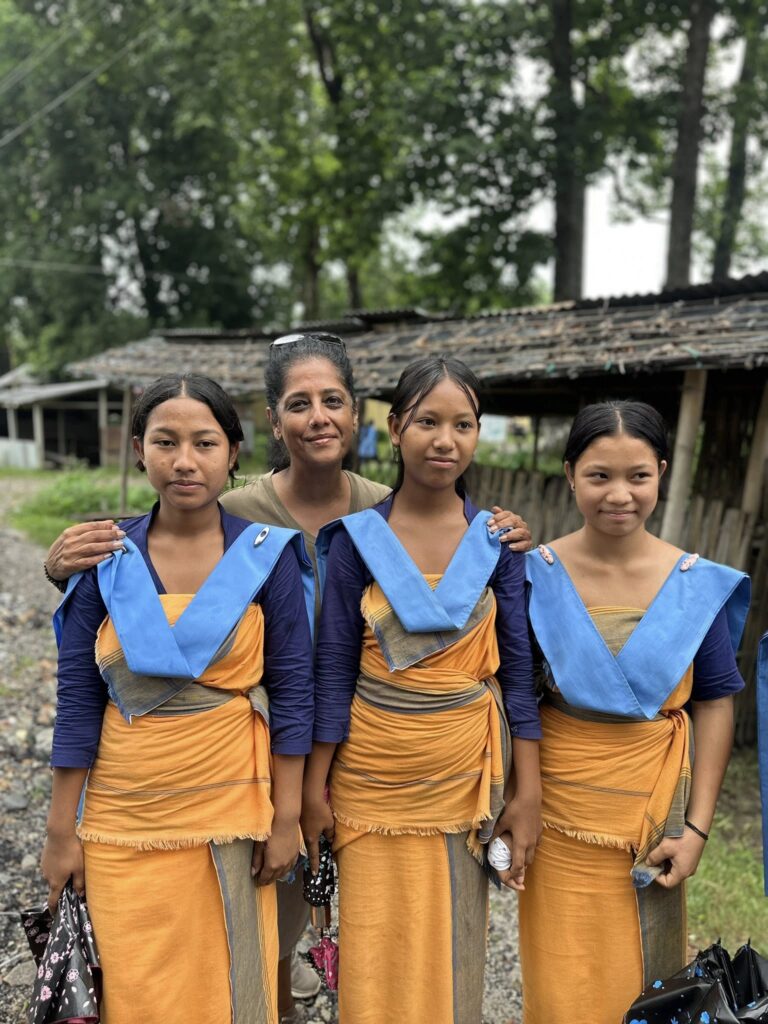
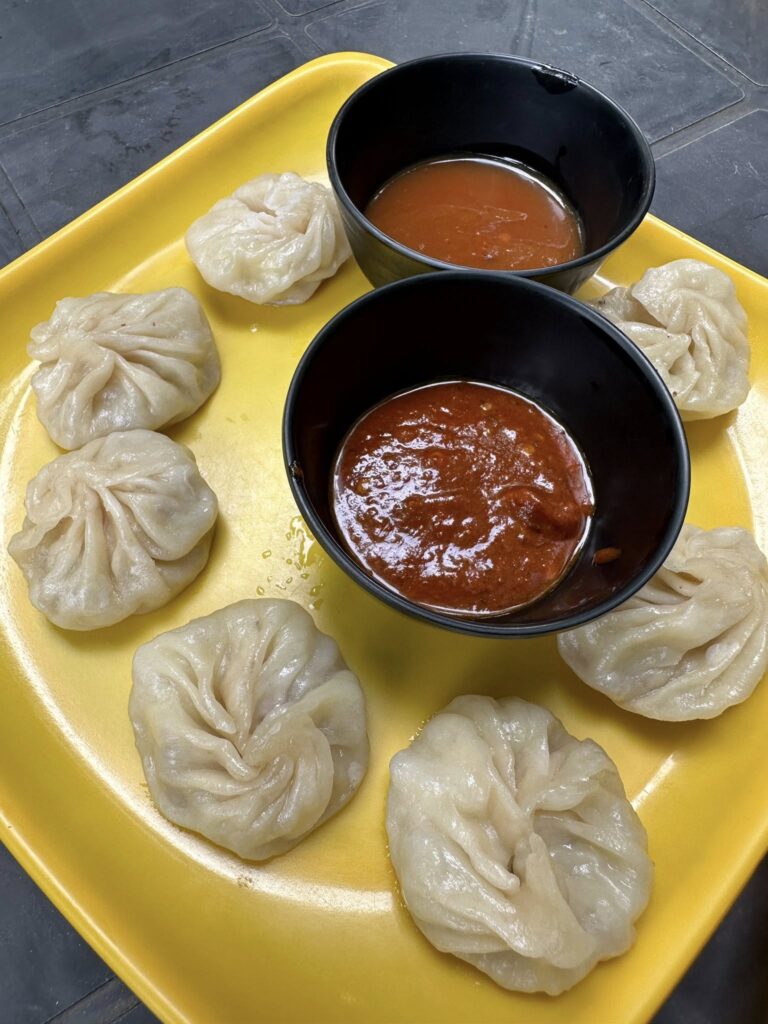
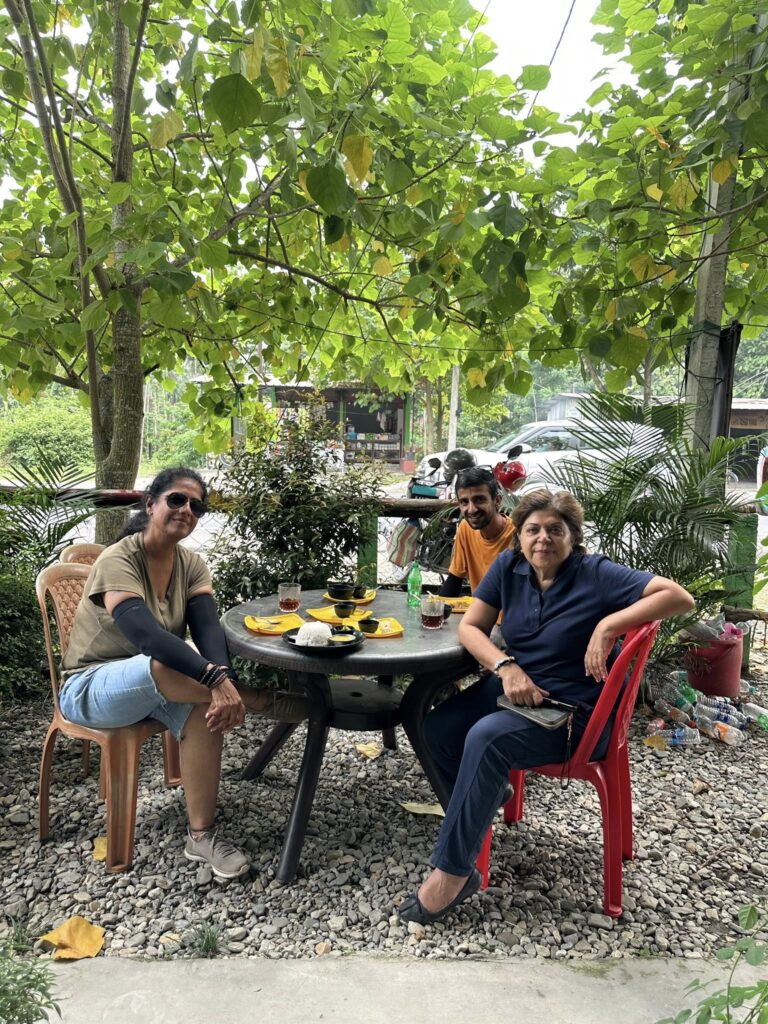
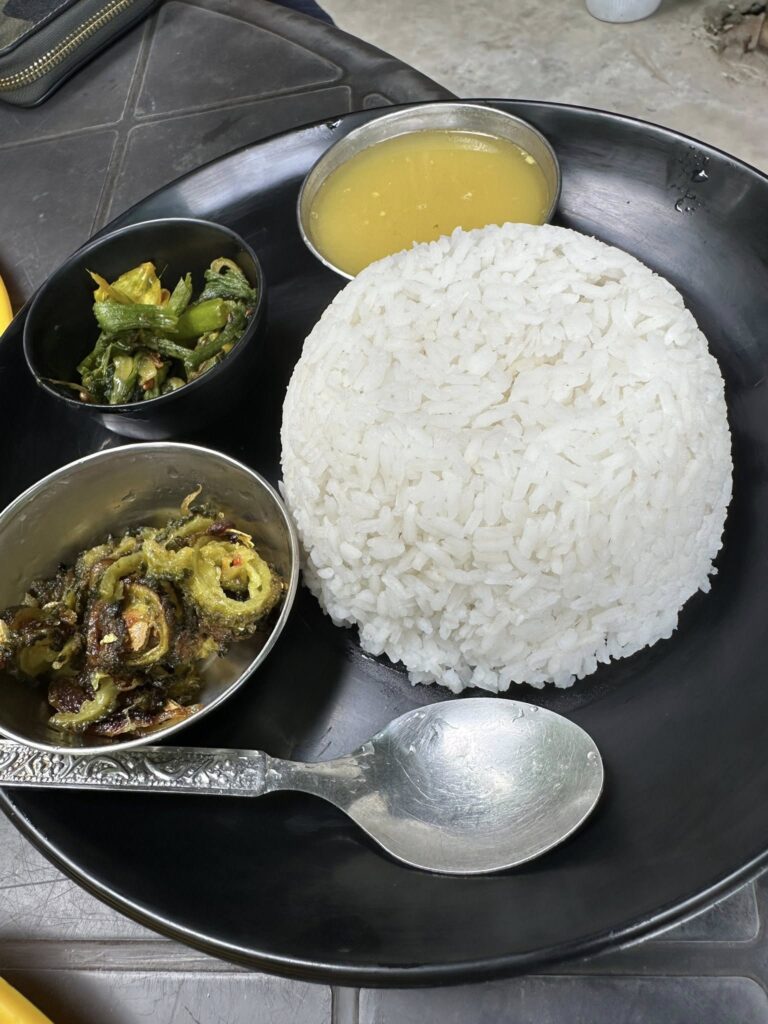
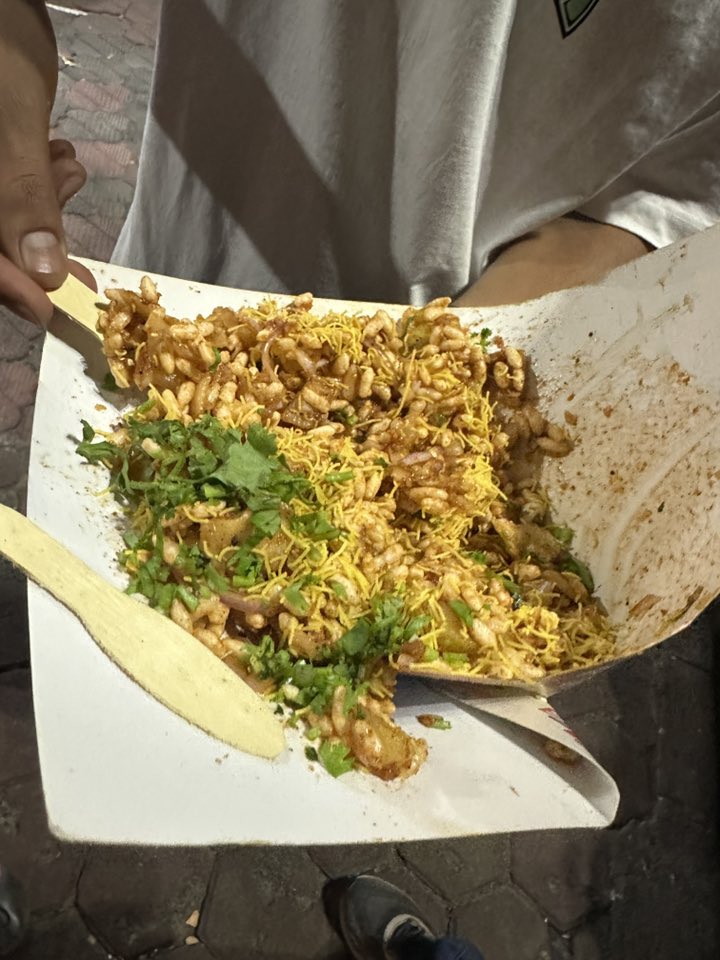
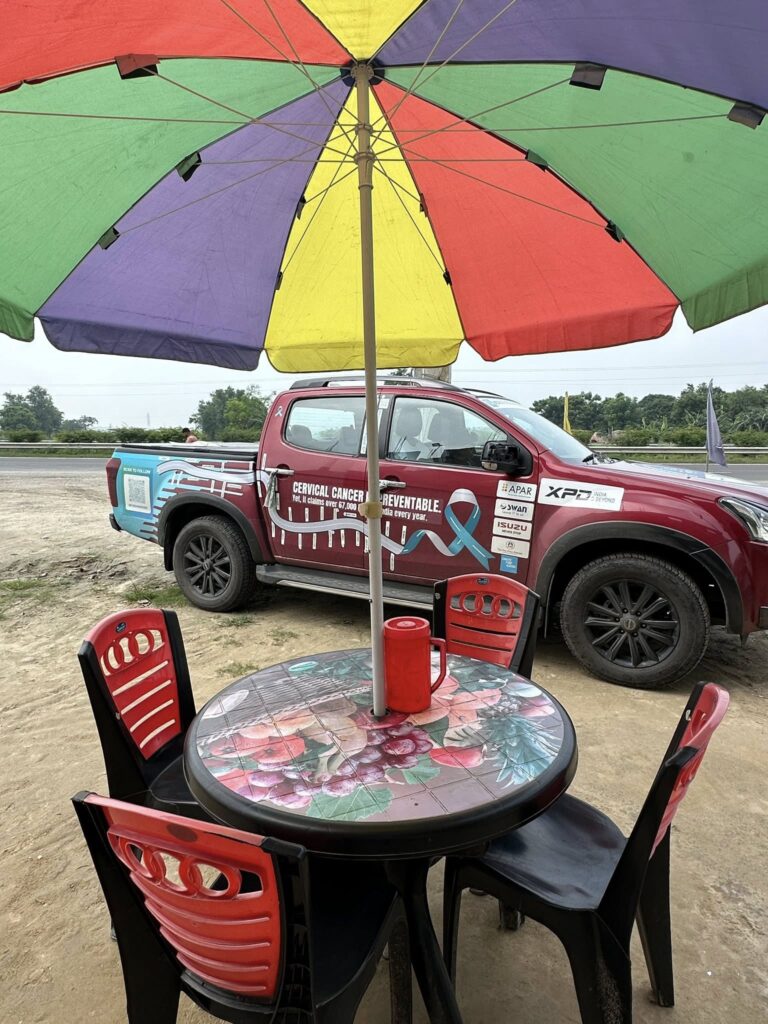
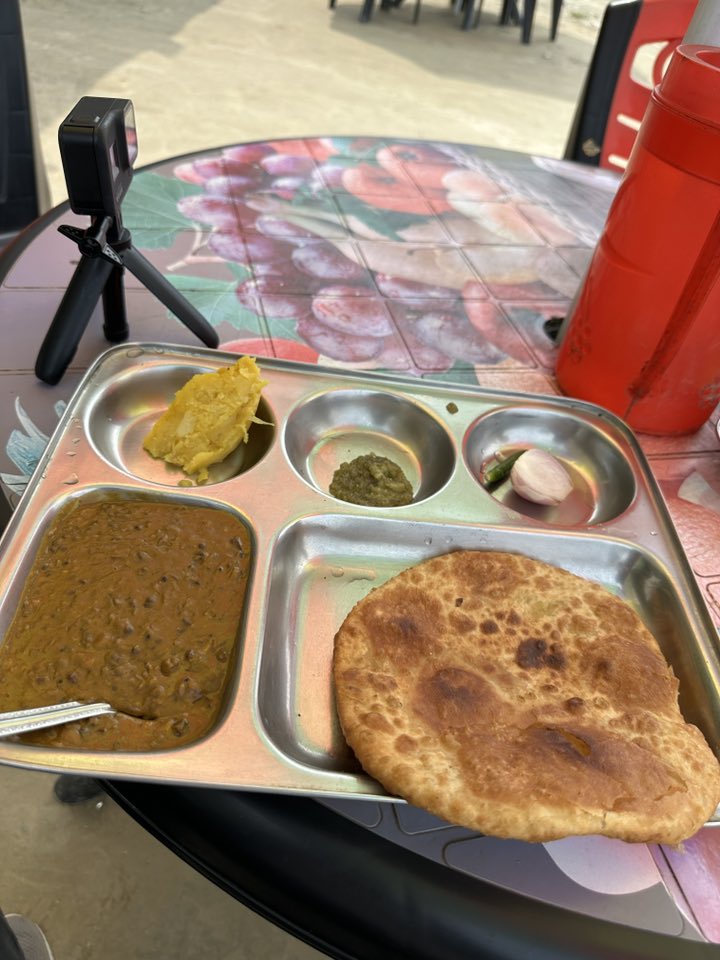
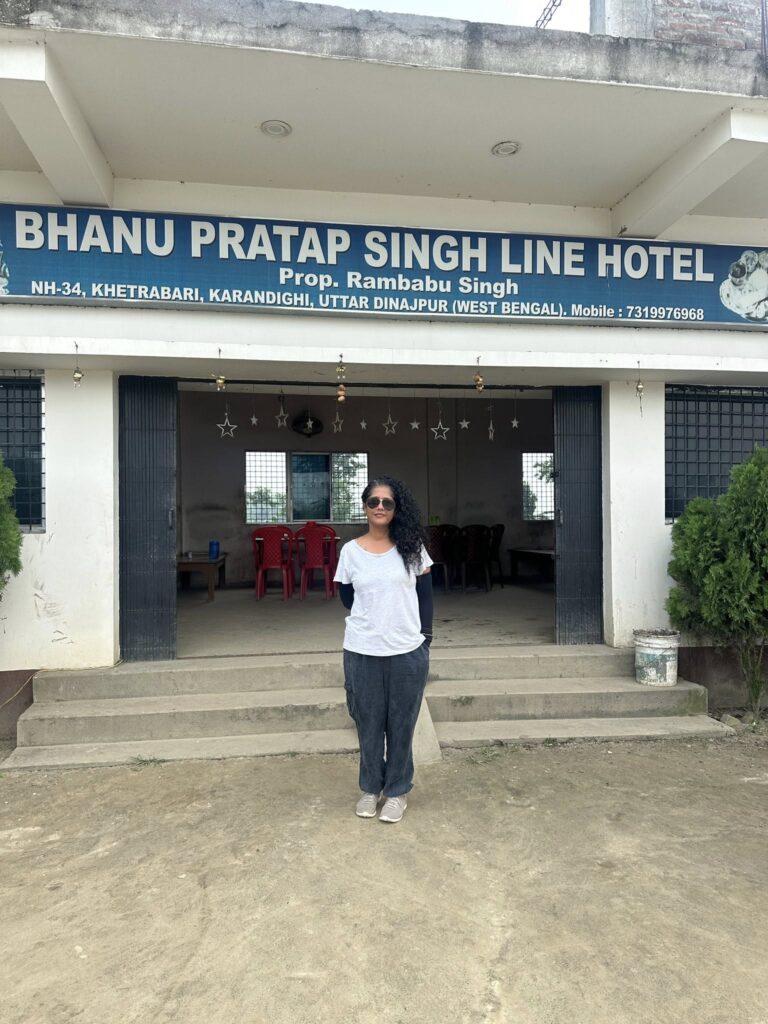
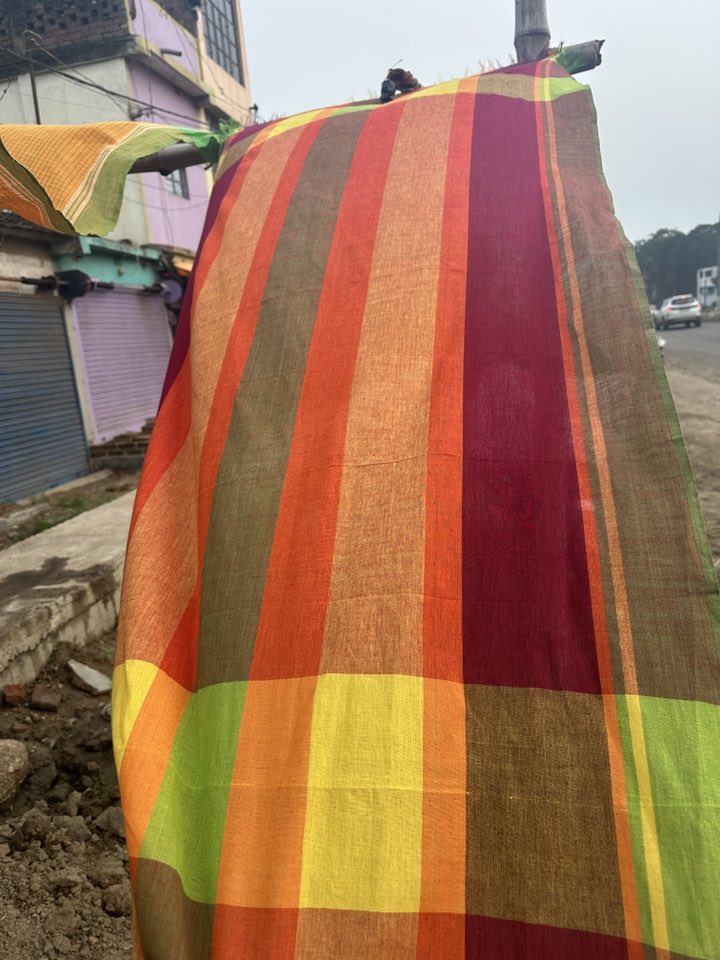
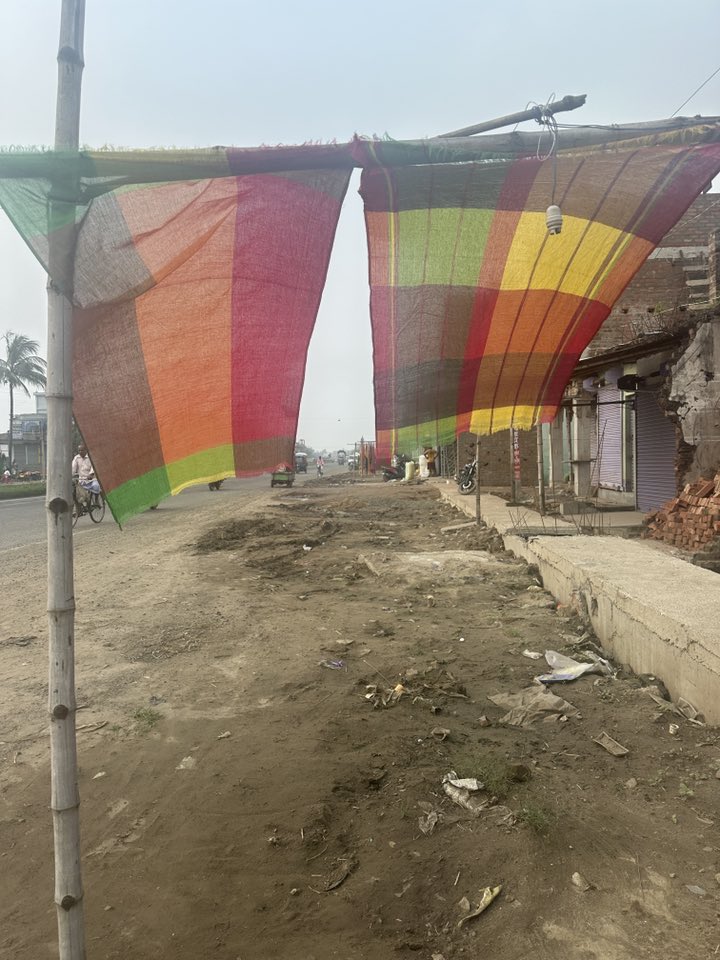
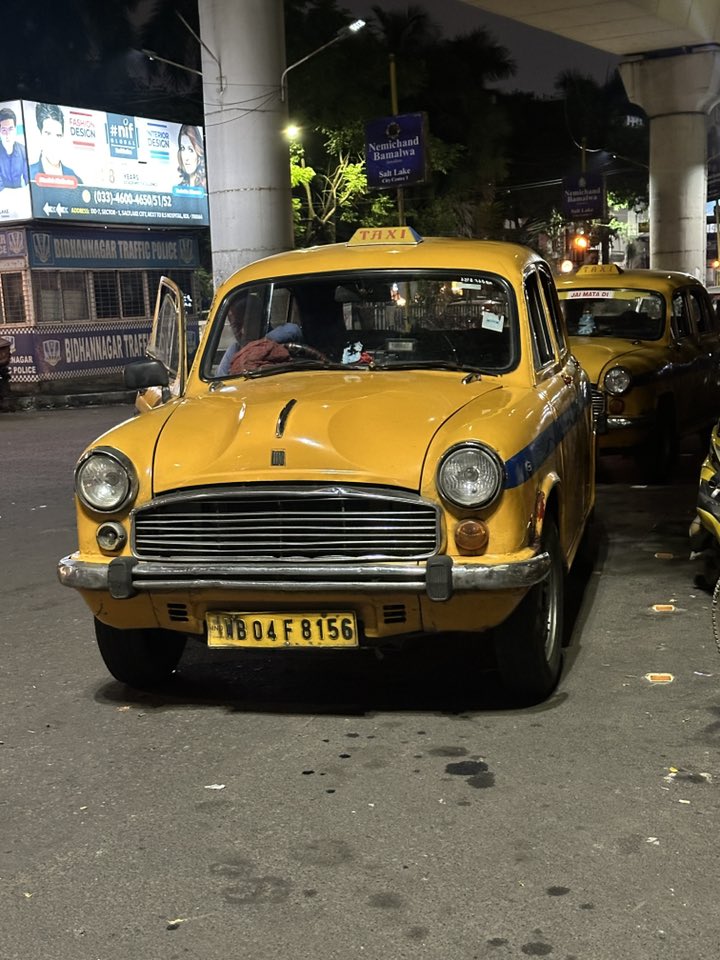
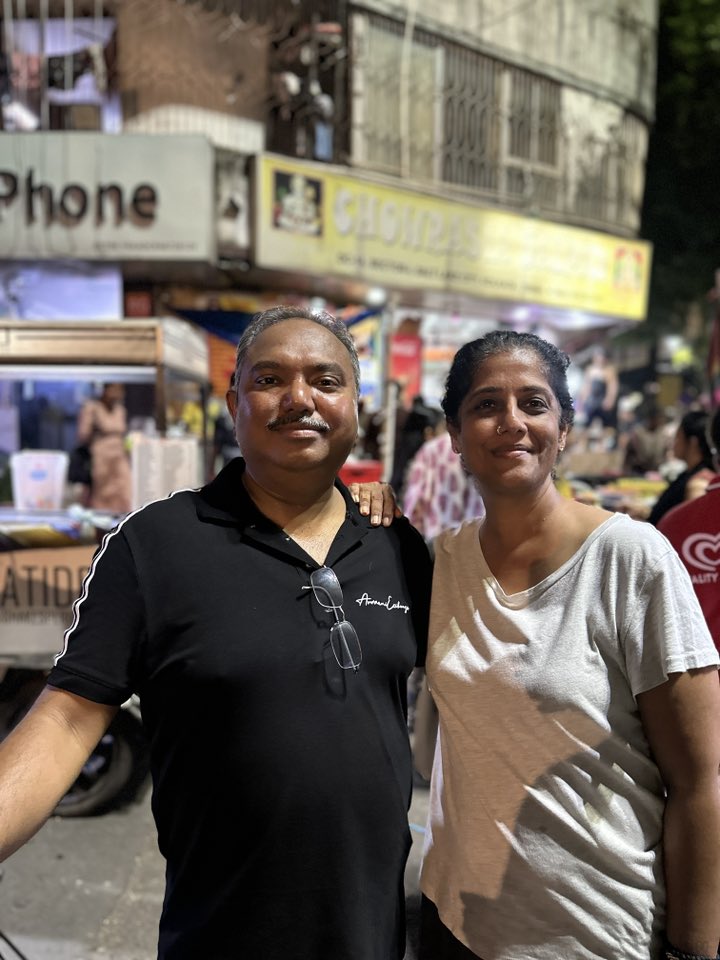
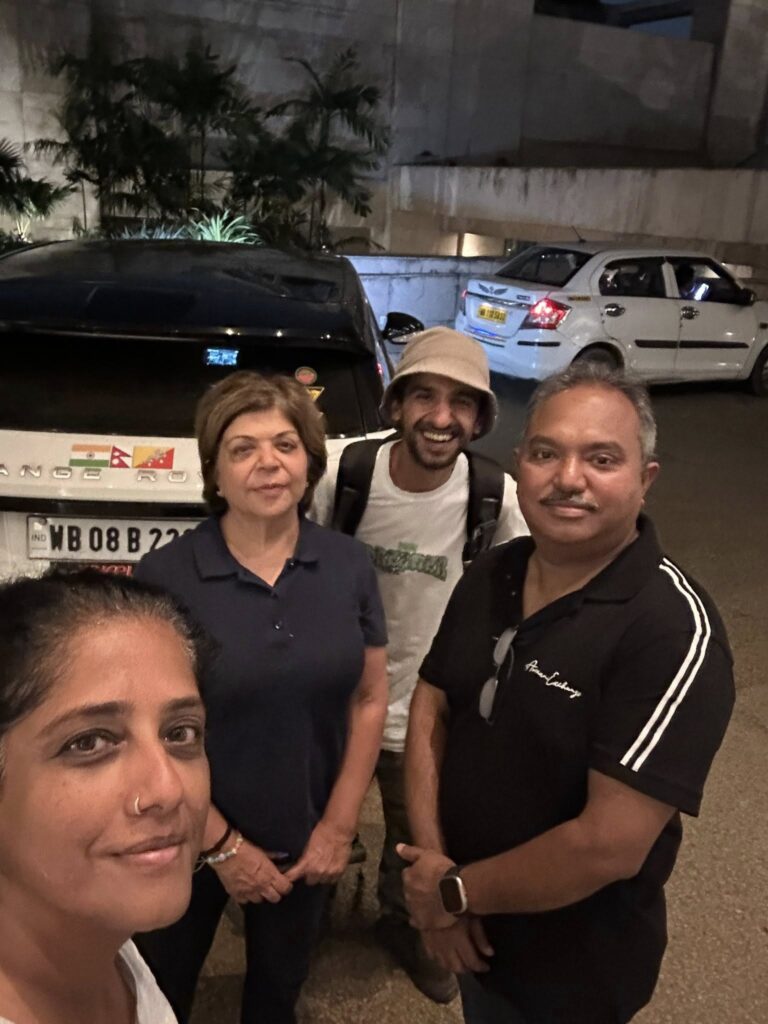
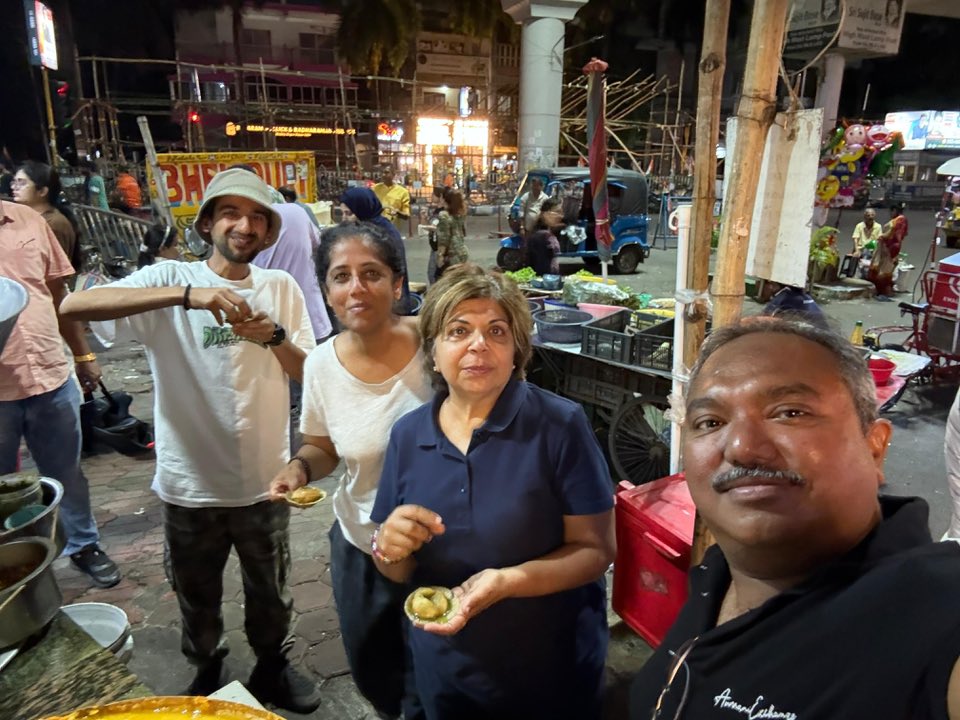
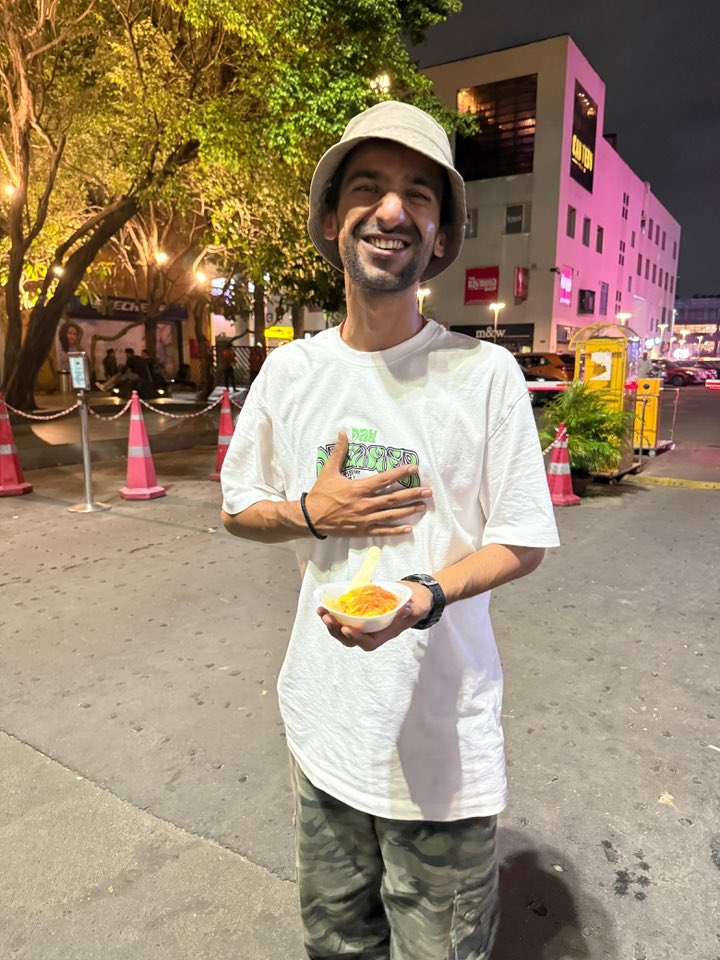
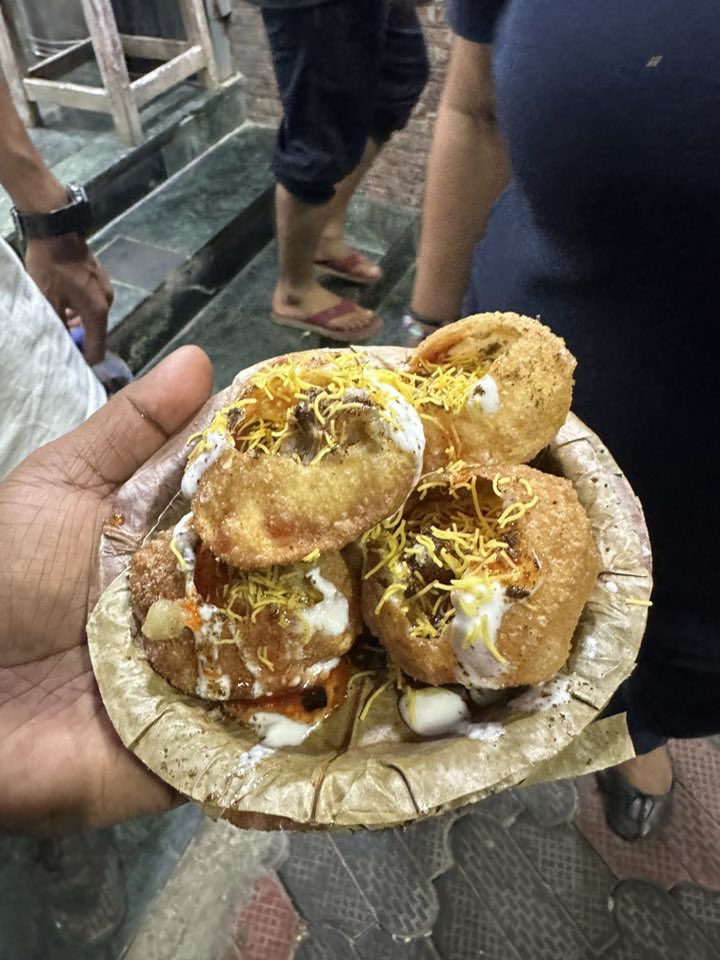
We left at 7:30 AM, knowing it would be a long haul—but this was downright gruelling. The roads were chaos, the traffic relentless, the food abysmal, and the chai—my one comfort on the road these days—an unforgivable crime. I’ve decided West Bengal simply doesn’t know how to make tea. It’s not just bad. It’s gross. Vile.
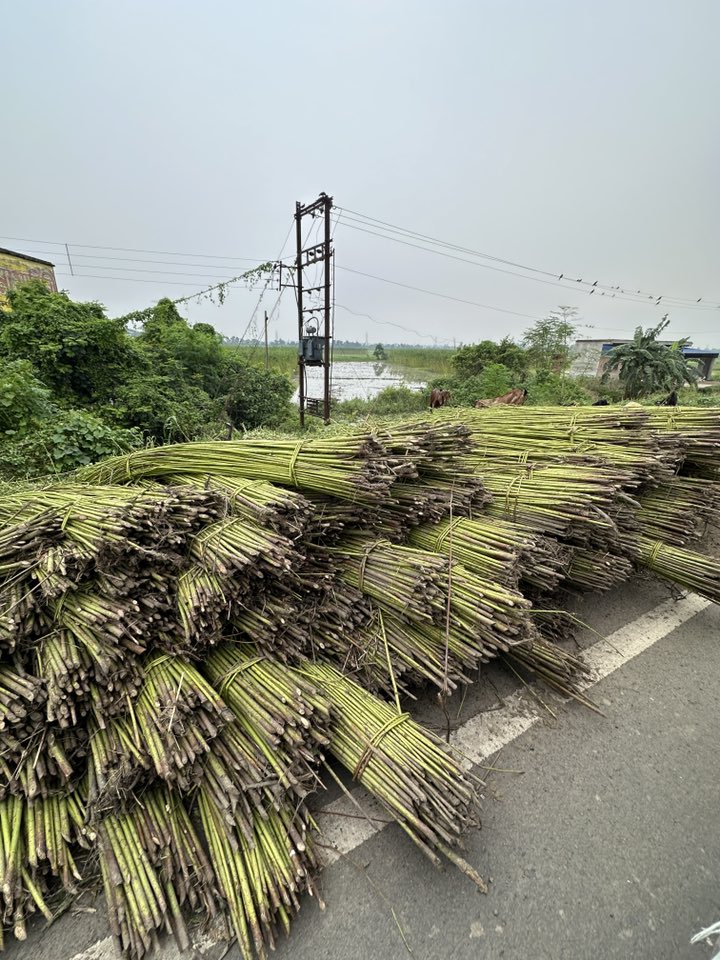
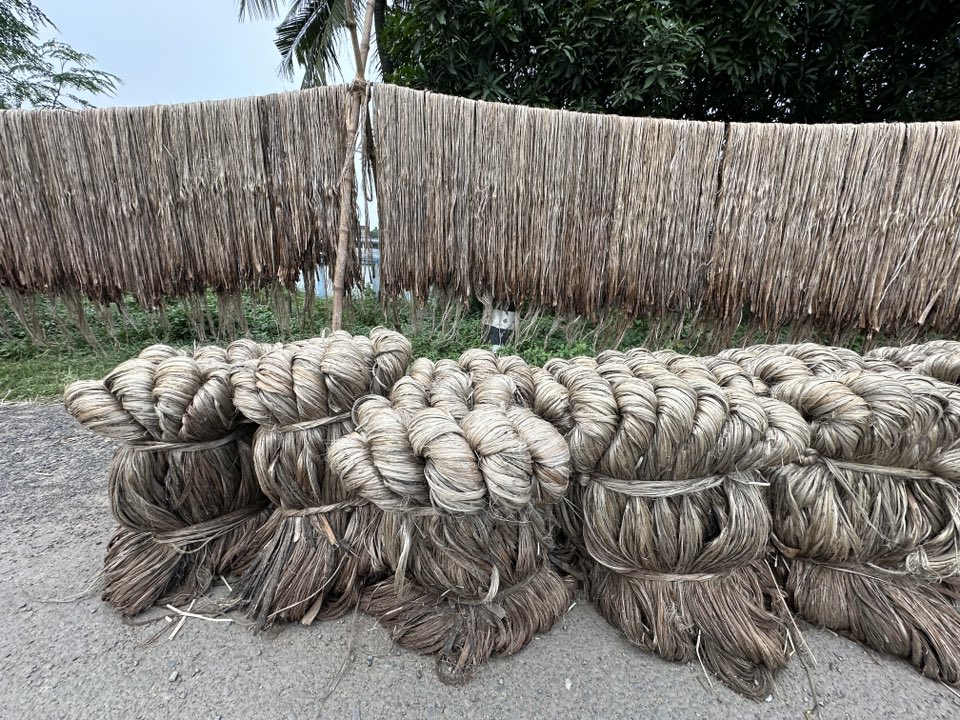
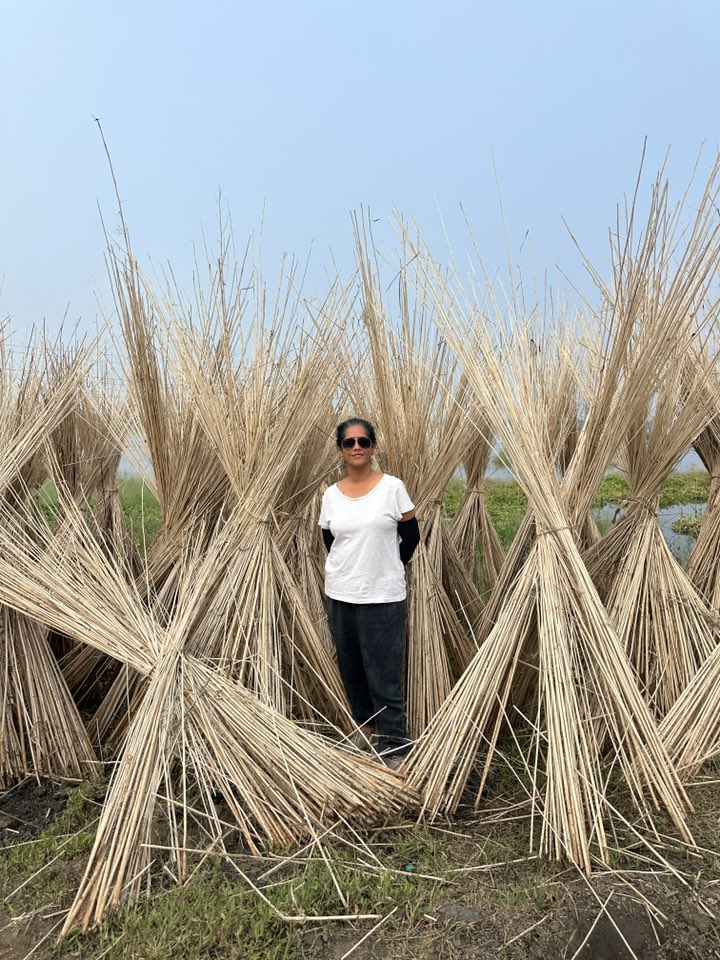
There were a few moments of visual relief along the way. One was stopping to admire the neatly stacked jute reeds lining the roadside—tall, golden pyramids bundled with care, waiting to be turned into rope. Later, in Murshidabad, we paused to watch vibrant gamchas fluttering in the breeze, their colours popping against the dust. We bought some—dozens, actually, between Priya and me.
Then came the dreaded Farakka–Raniganj highway. Still one of the worst in India, though marginally better than the last time I drove it. The tolls remain a nightmare—you can spend anywhere from 15 minutes to an hour just inching forward. Farakka itself is pure gridlock. By the time we reached Kolkata around 9 PM, my patience was threadbare.
Checking into the Hyatt Regency, Salt Lake was the final straw. Priya and I got our room keys, but when Suraj tried to check in, the staff stopped us. Apparently, the hotel has a rule against allowing DSLR cameras in rooms. I’ve never heard of such nonsense anywhere in the world.
The manager was curt and smug, insisting it was “his discretion” and “his hotel” to run as he pleased. I argued that something like this should be clearly stated at the time of booking. The exchange got heated—especially since I was hungry. A video of the whole episode even got made. In the end, the DSLR had to be locked away in their storage.
The one bright spot of the day? Rudra Biswas showed up, just as promised. I’d called him in the morning, and he took us out for fantastic chaat nearby. Good food. Good conversation. Probably the only redeeming moment in an otherwise completely mental day.
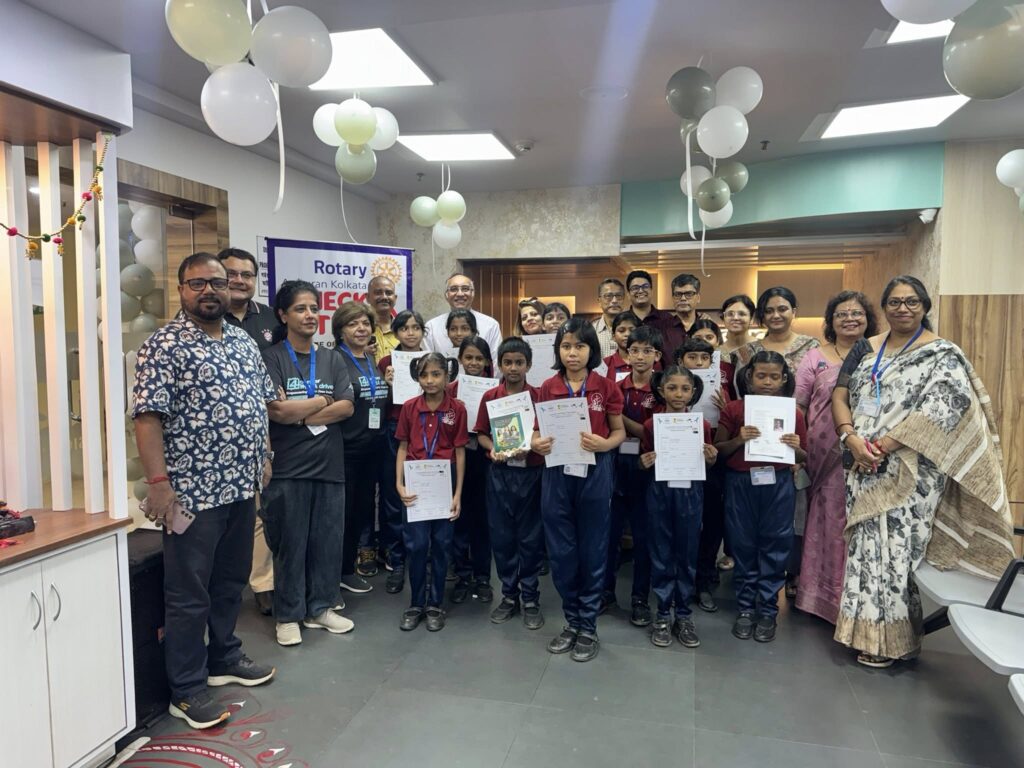
Today was an easy, satisfying drive. The roads were fabulous, and I’m genuinely impressed with Odisha—especially Bhubaneswar. But before hitting the highway, the morning began with a vaccination drive at a Kolkata hospital, where 50 underprivileged girls received their shots. The Rotary team had done their homework, ensuring the right recipients were present. It was heartwarming, well-organised, and filled with genuinely lovely people.
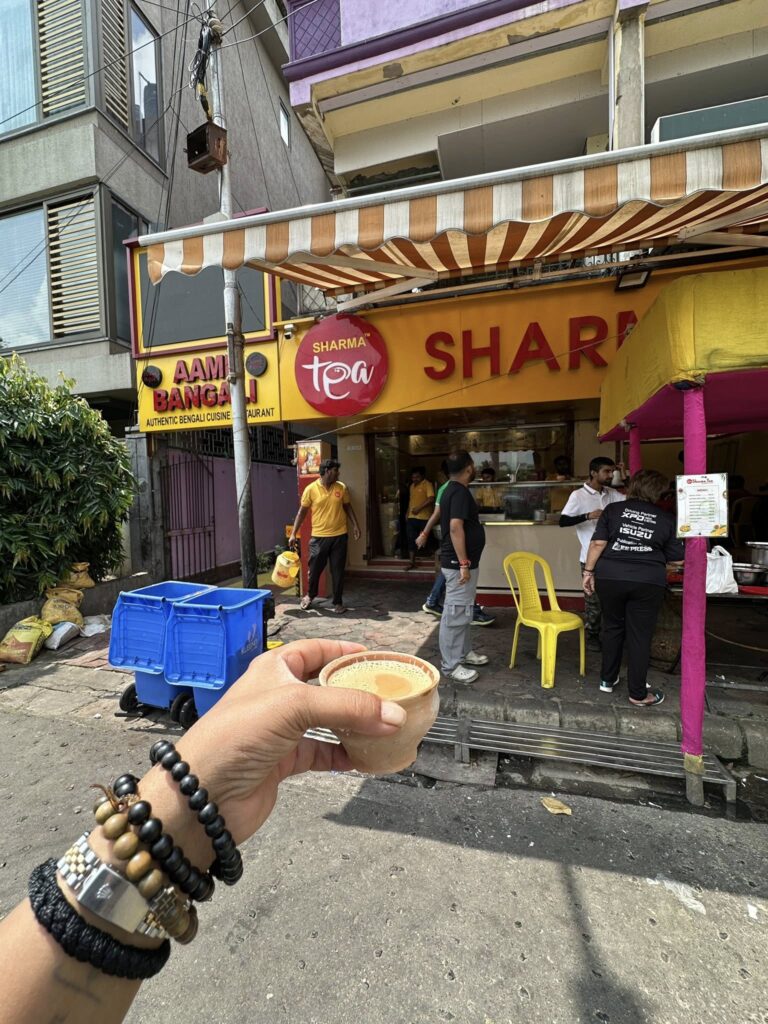
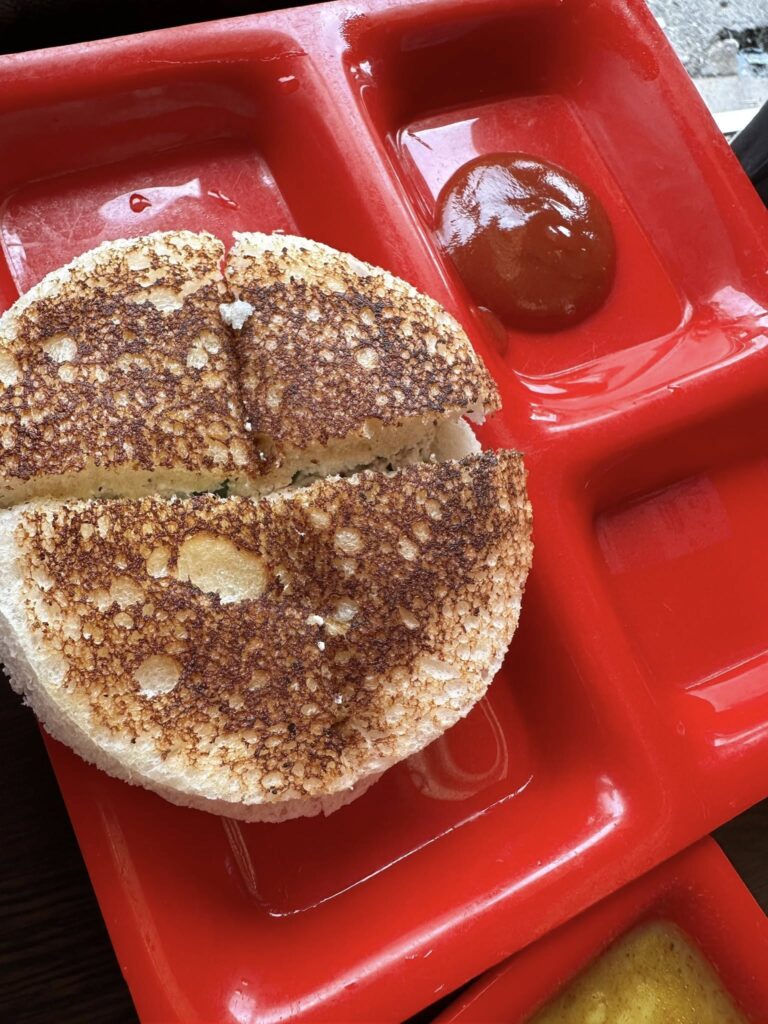
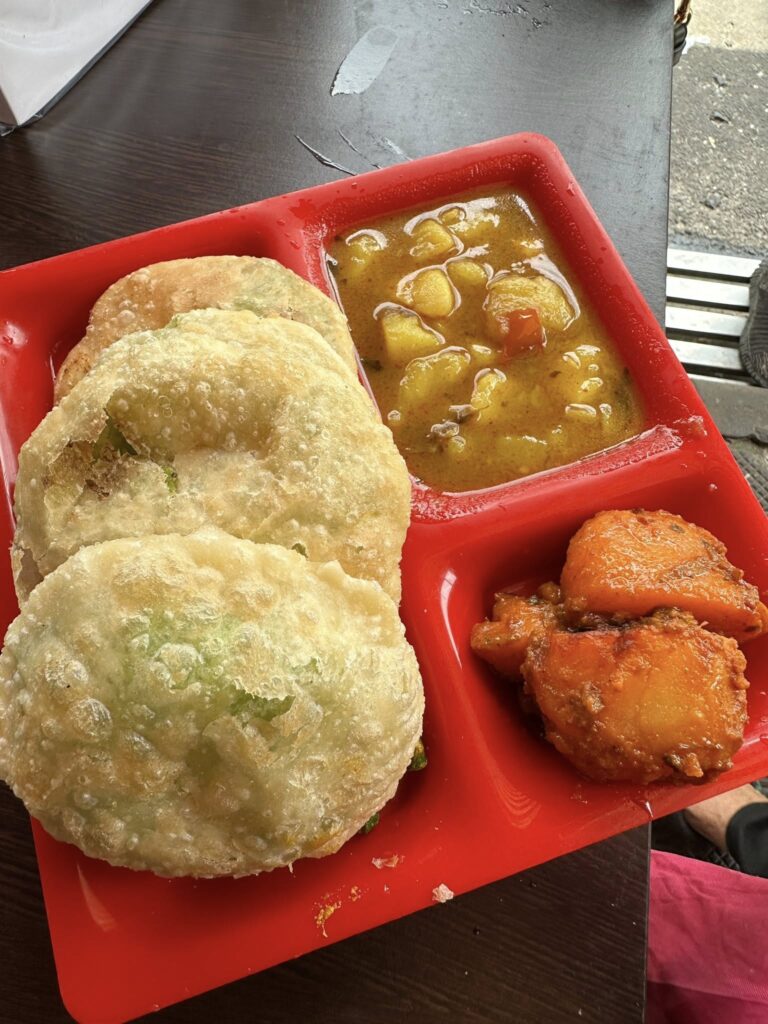
From there, we went in search of breakfast and found it at Sharma Tea Stall—dosa, kachori, and truly excellent chai. We were determined to break yesterday’s curse of lacklustre food and tea, and this absolutely delivered.
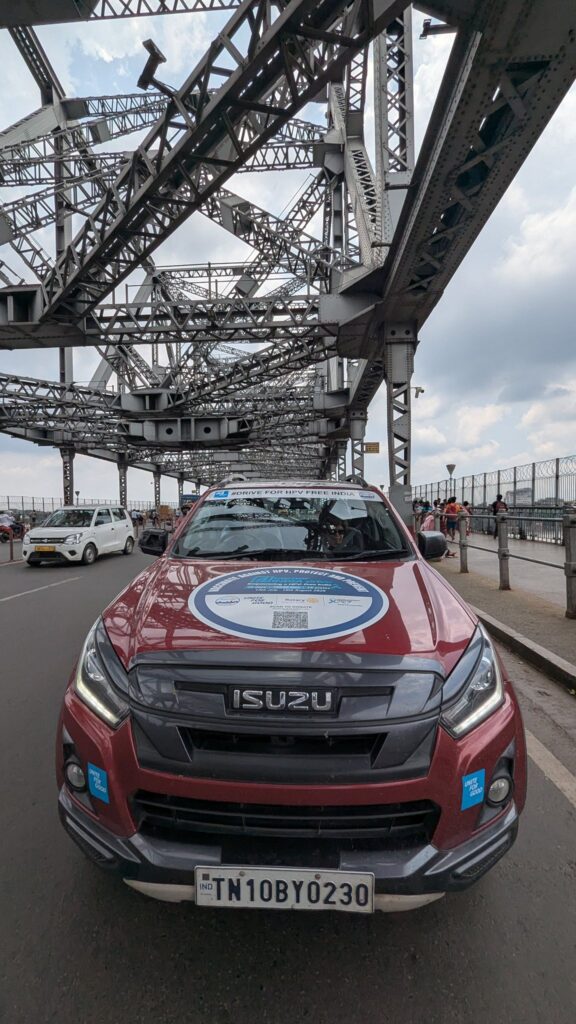
A quick photo stop at Howrah Bridge and Victoria Memorial, and by the time we left the city, it was already noon.
I hogged the wheel again today—no surprises there. I rarely let anyone else drive. Tomorrow, though, I might hand over the keys for a bit. I’ve been procrastinating on some work, and with several trips lined up once I’m home, I need to catch up.
The highway was smooth and dotted with speed cameras, but my alert app kept me safely away from hefty fines. With a big breakfast and snacks in the car, we didn’t stop much. We beat Google’s ETA yet again, rolling into Bhubaneswar by 6:30 PM.
A quick stop at Westside for some much-needed clothes shopping, and then on to the hotel. Bhubaneswar made a strong impression—clean, prosperous, and well run. People wore helmets, stayed in lanes, honked less. It feels like a city where good governance shows up in everyday details. Industries lining the route only reinforced that sense of progress.
It’s the final countdown now—just 10 days to go. Tomorrow brings another event, and then soon, the finish line in Mumbai. It’s been a good day, and I’m looking forward to ending this drive on a high note before heading home.
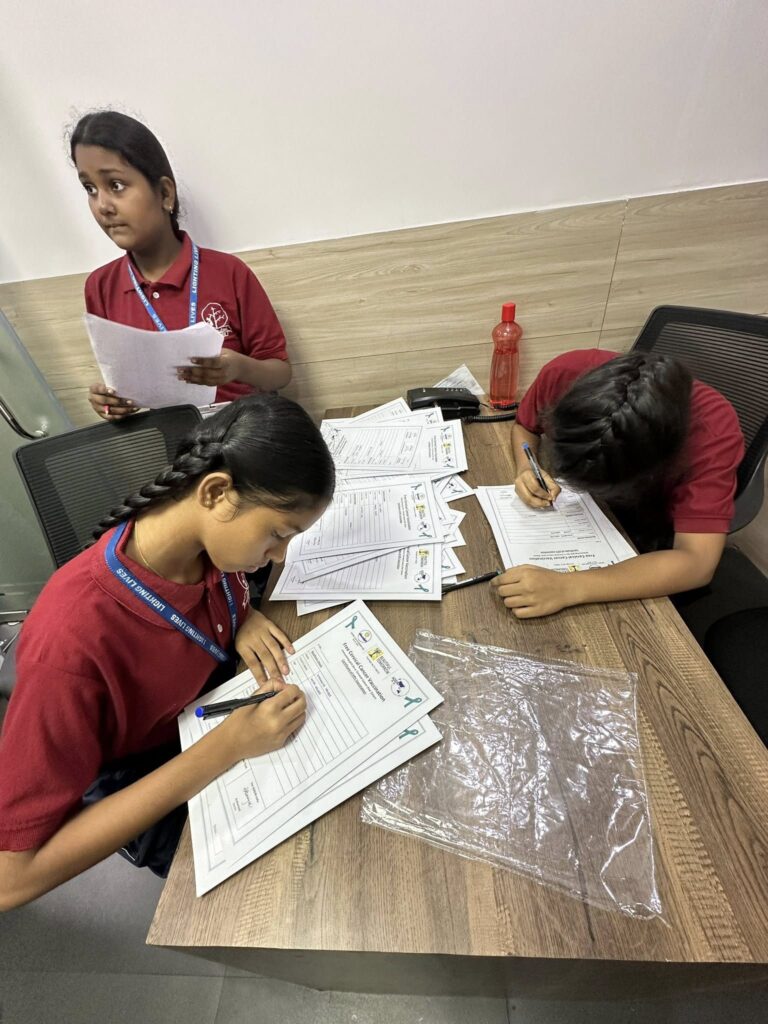
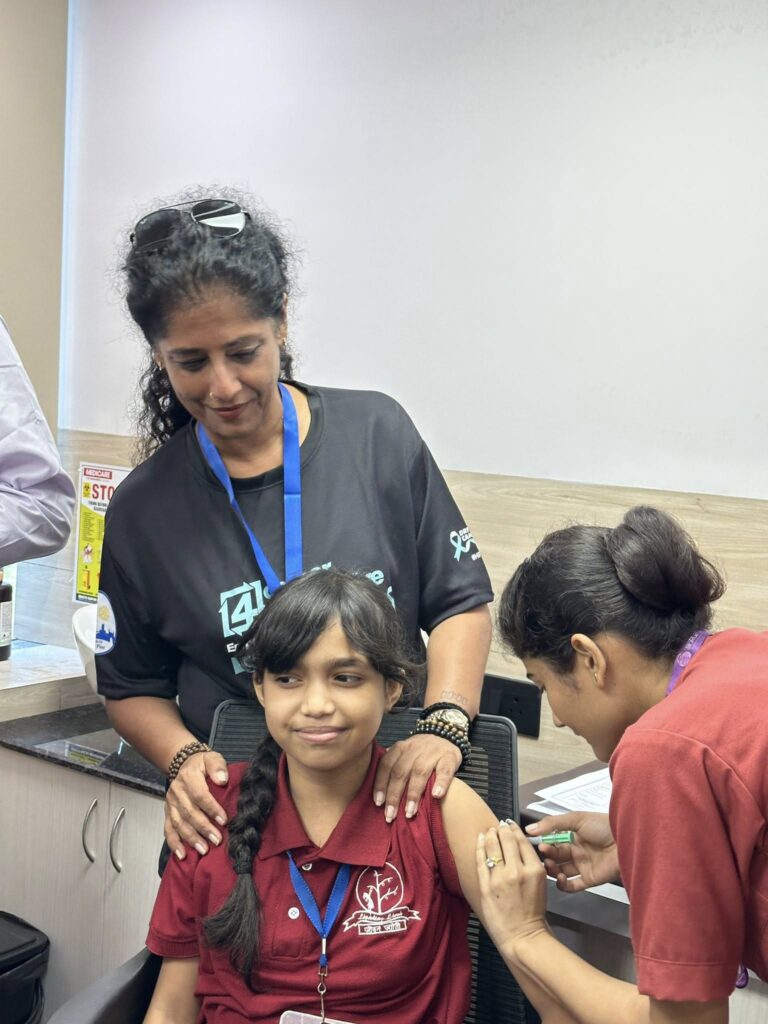
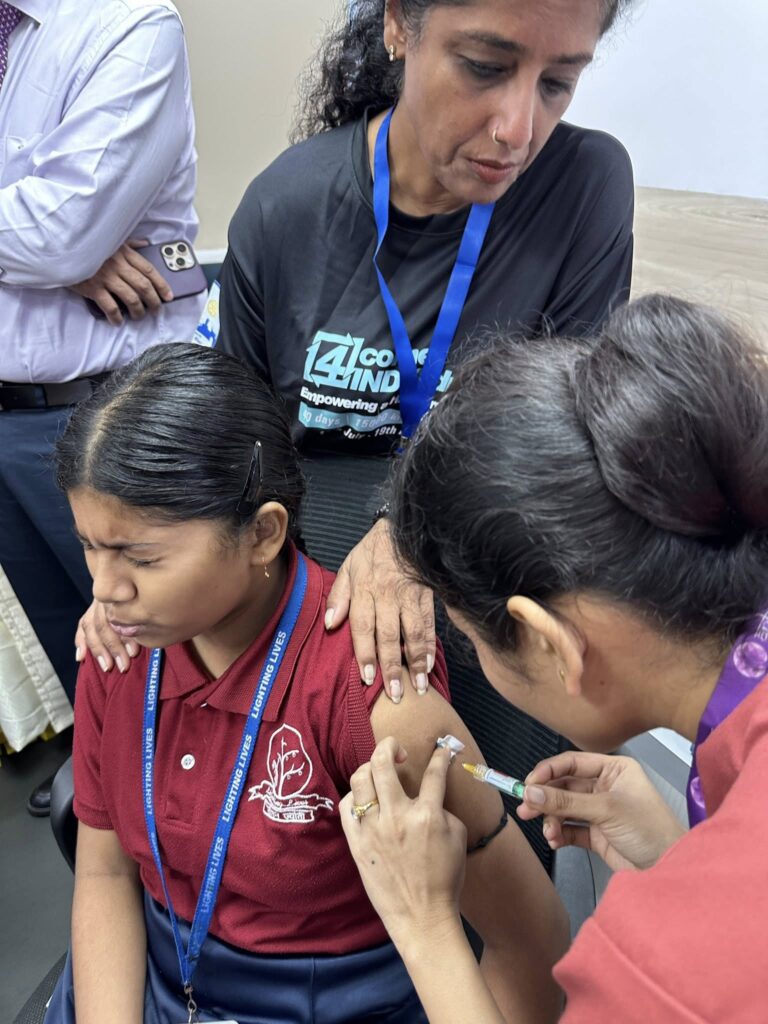
I can’t quite believe we’ve been on the road for an entire month. Some days feel long; others feel like we just flagged off from Bombay yesterday. But today, it really sank in—we’ve been out here for 30 days. It’s a little overwhelming.
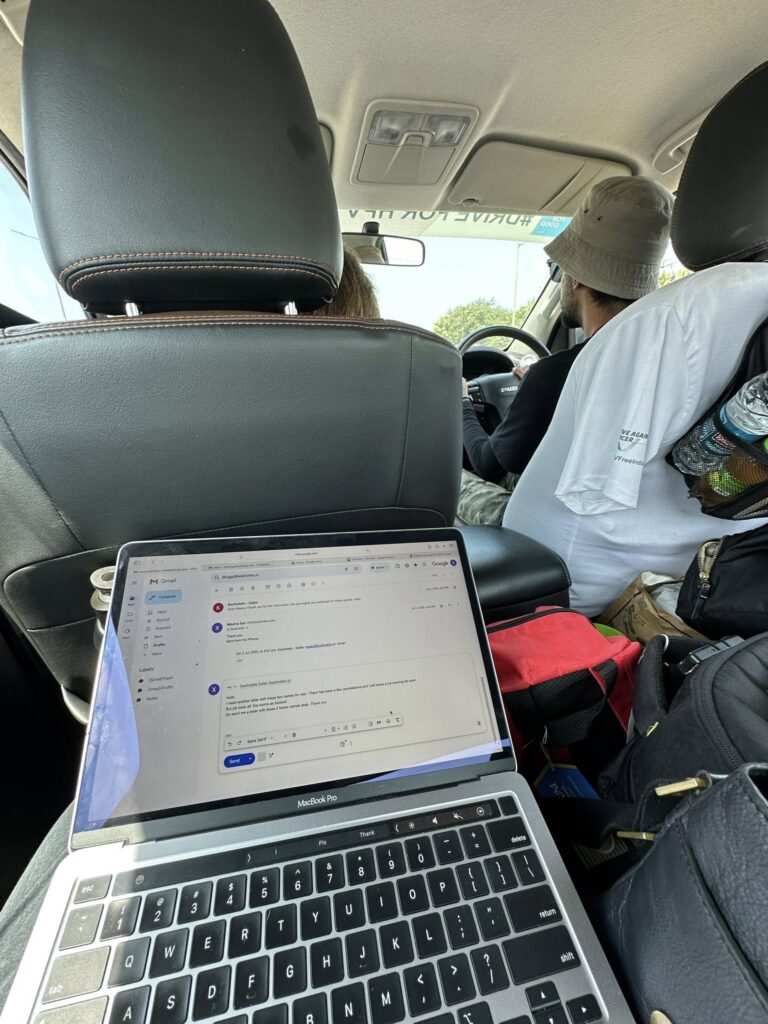
The morning began with me not driving for once. I had a mountain of work waiting, so I took the back seat with my laptop, determined to be productive. About an hour in, I managed to pay my taxes and tick off a few things—but the constant bouncing of the car gave me a headache. I decided I’d rather burn the midnight oil than keep fighting motion sickness.
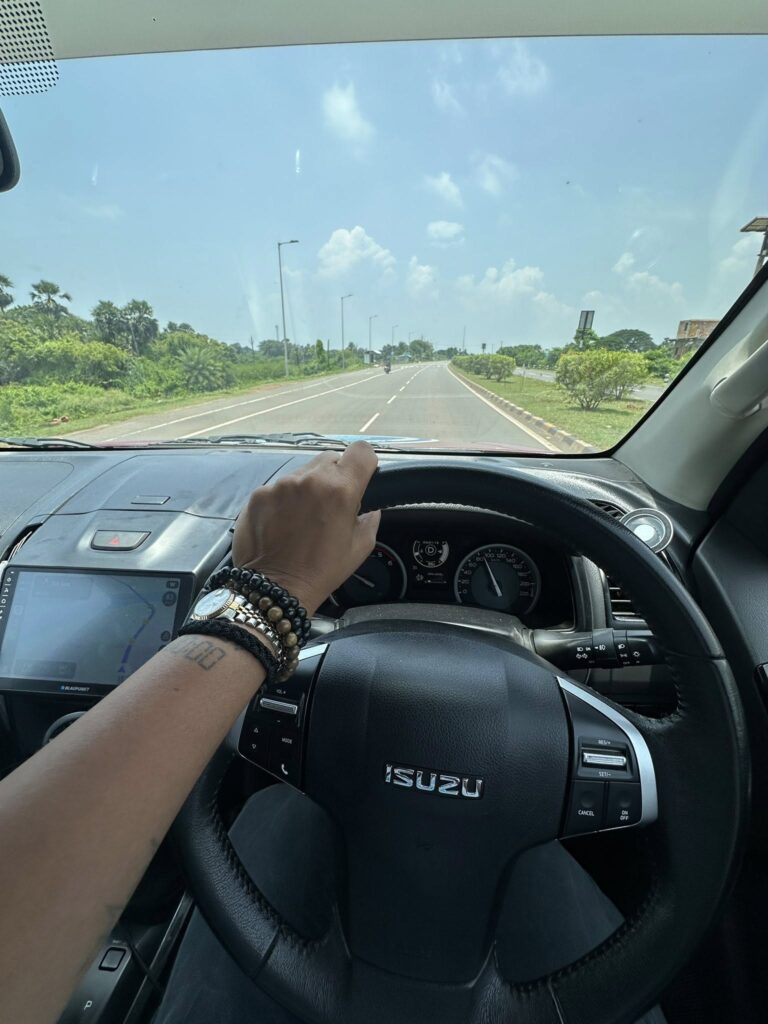
When Suraj pulled over for fuel, I switched seats. Out of the 441 km, I drove about 311 today. And honestly—it was an easy, beautiful drive. The moment we began heading south, everything shifted. Odisha had already set the tone with great roads, but here—damn—the roads were silky smooth. Three lanes each way. Effortless.
We were now in Andhra Pradesh, and something about it felt instantly familiar. My roots are somewhere here, and maybe that’s why I felt a quiet sense of belonging the moment we crossed in.
We didn’t stop much. Breakfast was sorted early thanks to Tamanna, who showed up in the morning for coffee. I hadn’t seen her in ages, and the fact that she made the effort to meet us meant a lot. We left an hour later than planned—9:30 instead of 8:30—but still reached Vizag well ahead of our 5 PM event.
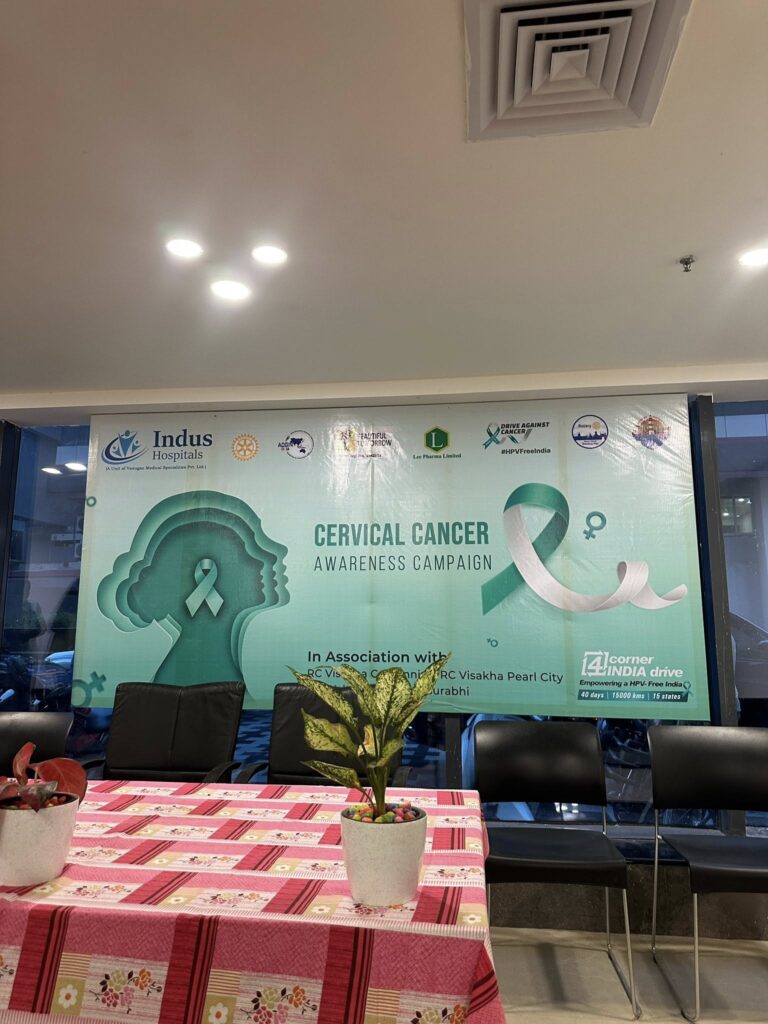
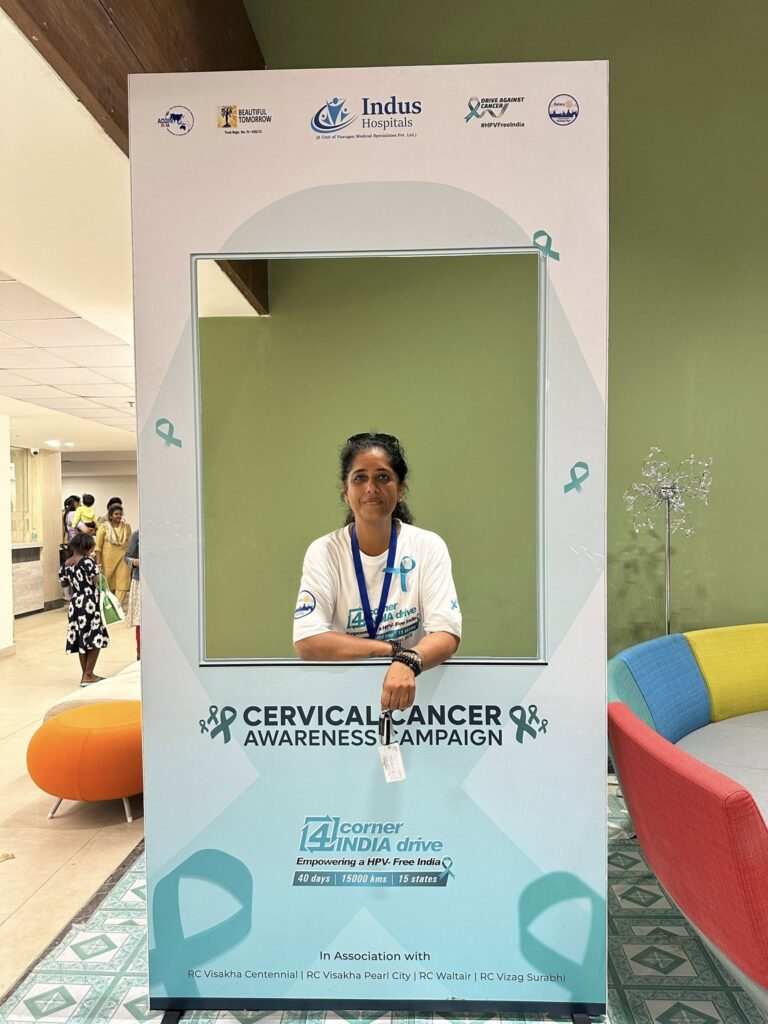
With time to spare, we grabbed coffee and sandwiches and arrived at the venue by 4:45—before the Rotary team even showed up. When they did, we set off on a small rally to Indus Hospital in Health City. No banners, no flags, no frills—just us driving and me quietly wondering what the point of rallies really is sometimes.
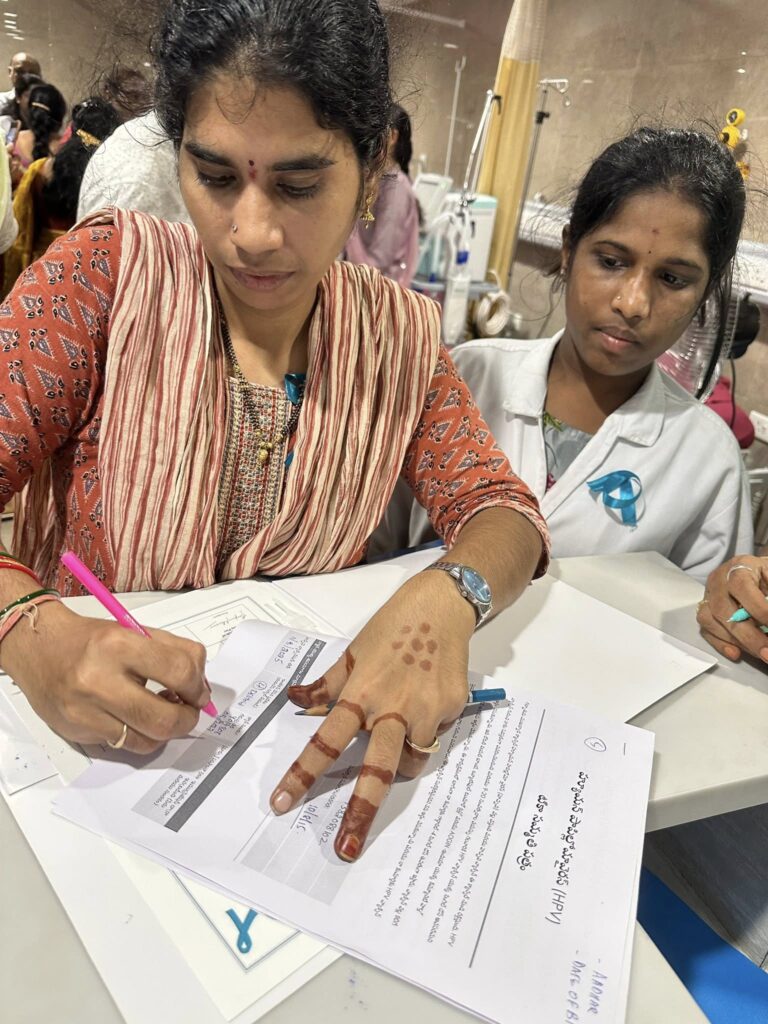
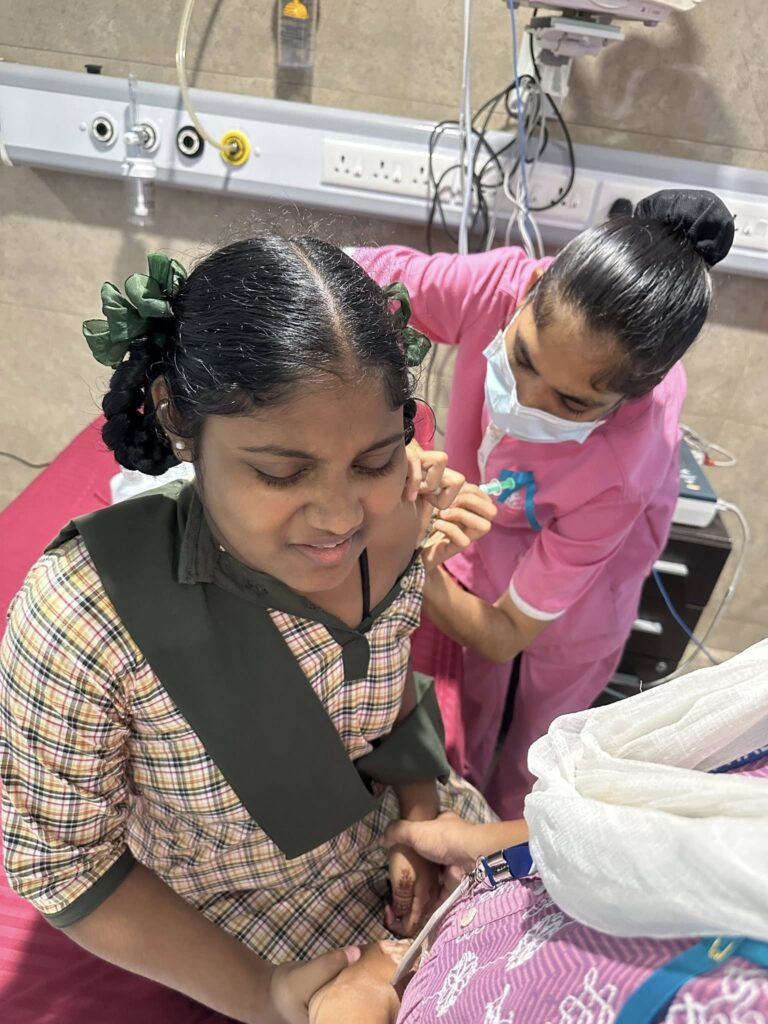
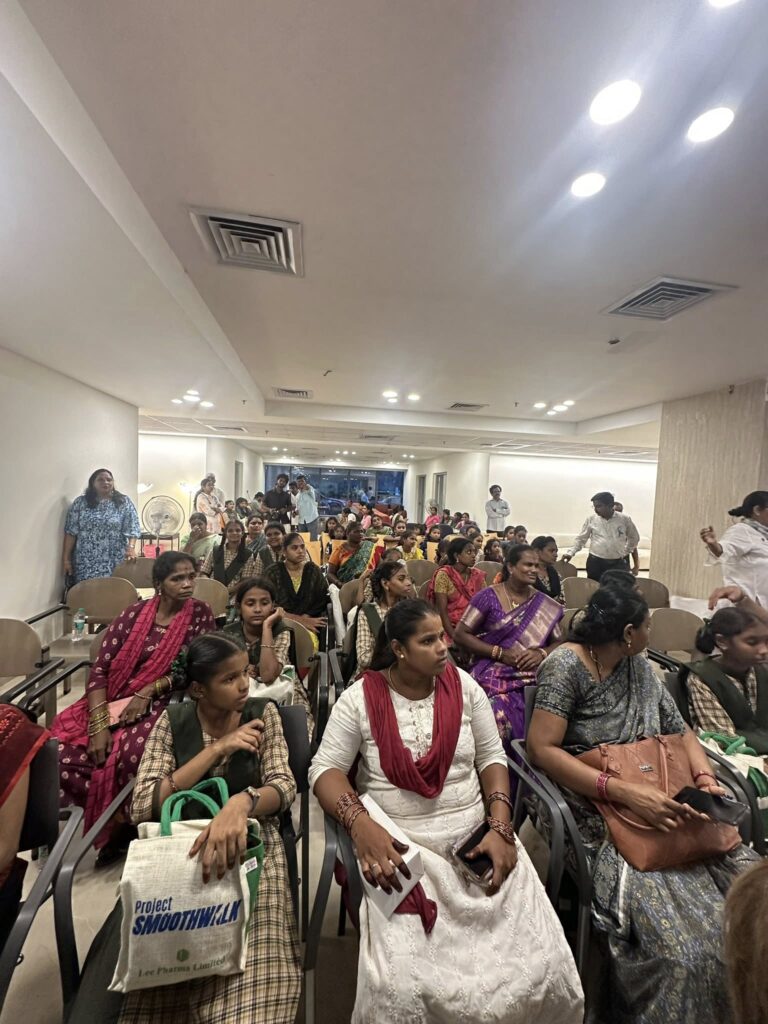
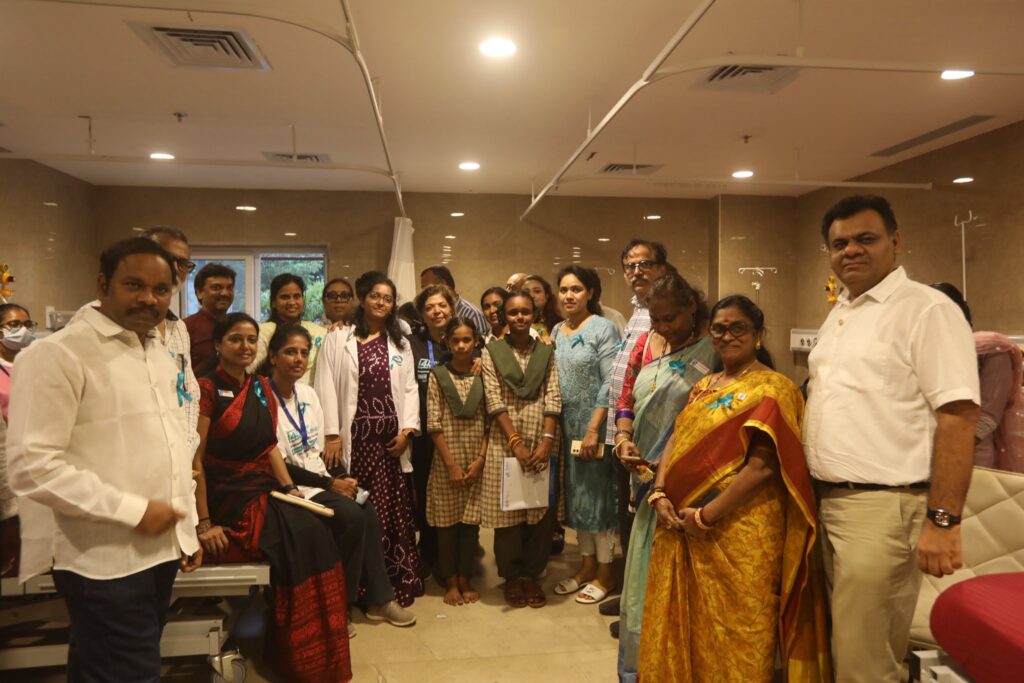
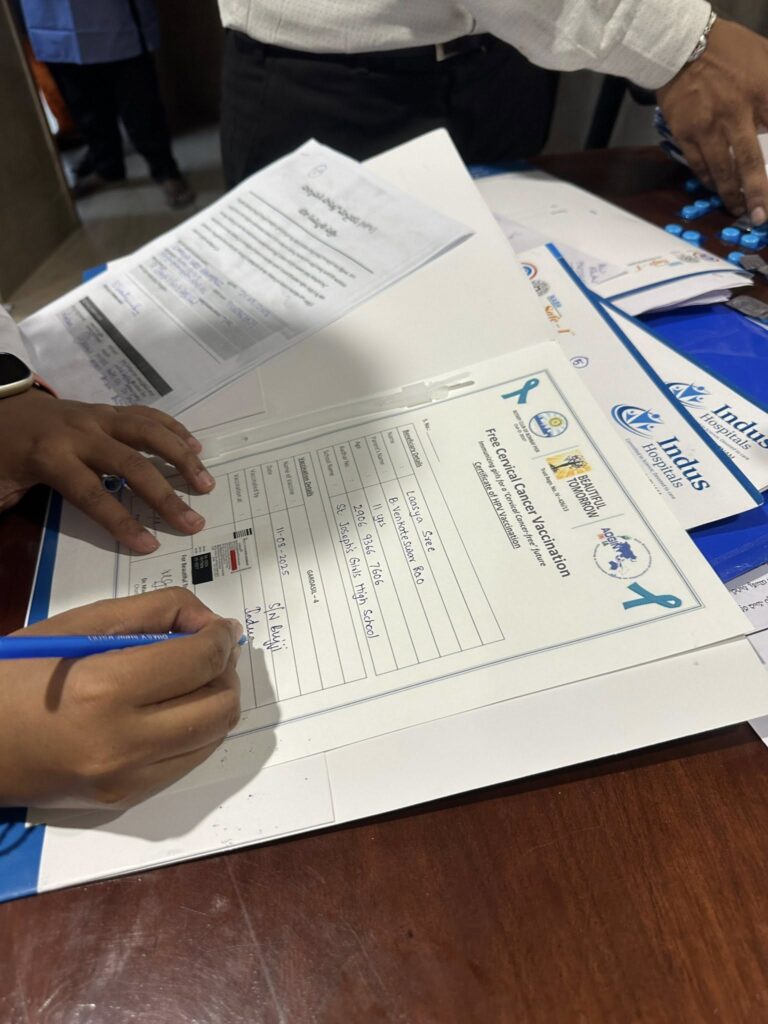
The hospital itself was brand new—not yet fully operational—but opened specially for this vaccination drive. What followed was a very typical Rotary affair: warm people, and an absolute frenzy of photographs. So many that I tried slipping away at one point, only to be pulled back repeatedly.
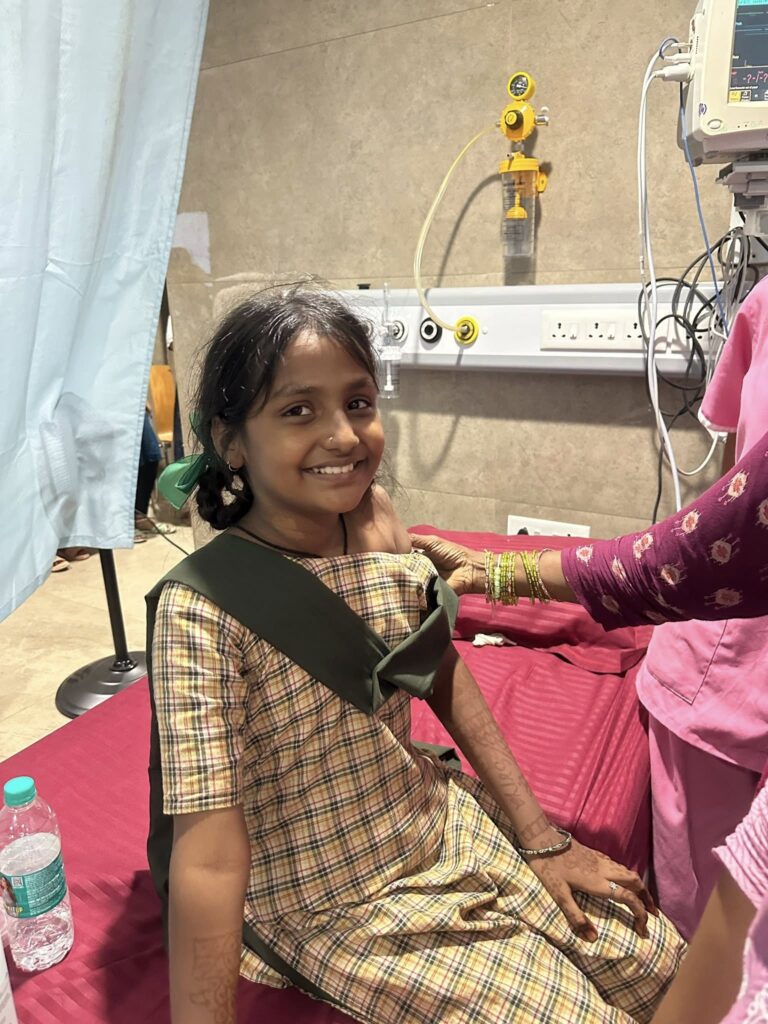
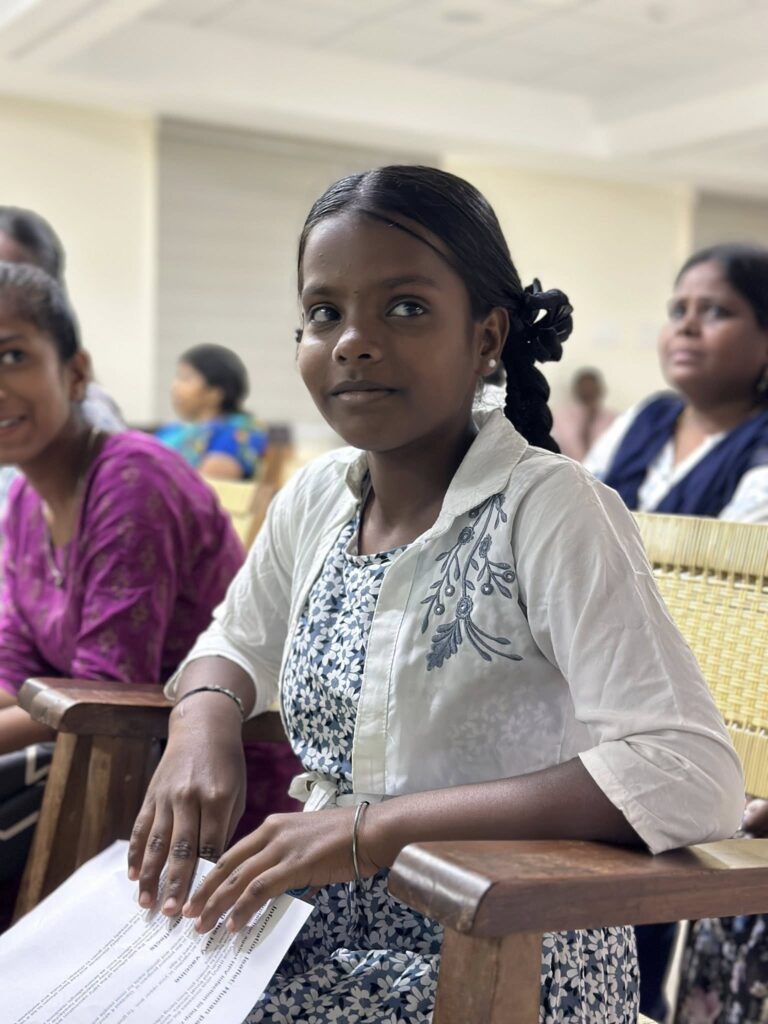
I said a few words to the crowd, smiled through the chaos, and by the end of it, I was completely drained. Still, the purpose mattered—50 underprivileged girls vaccinated. Job done.
The Rotarians wanted to take us out for dinner, but I had to decline. Work is piling up, and tonight is going to be another late one.
Tomorrow, we head deeper into the South. I’m really looking forward to entering Tamil Nadu and finally reaching our fourth and final corner. Almost there.
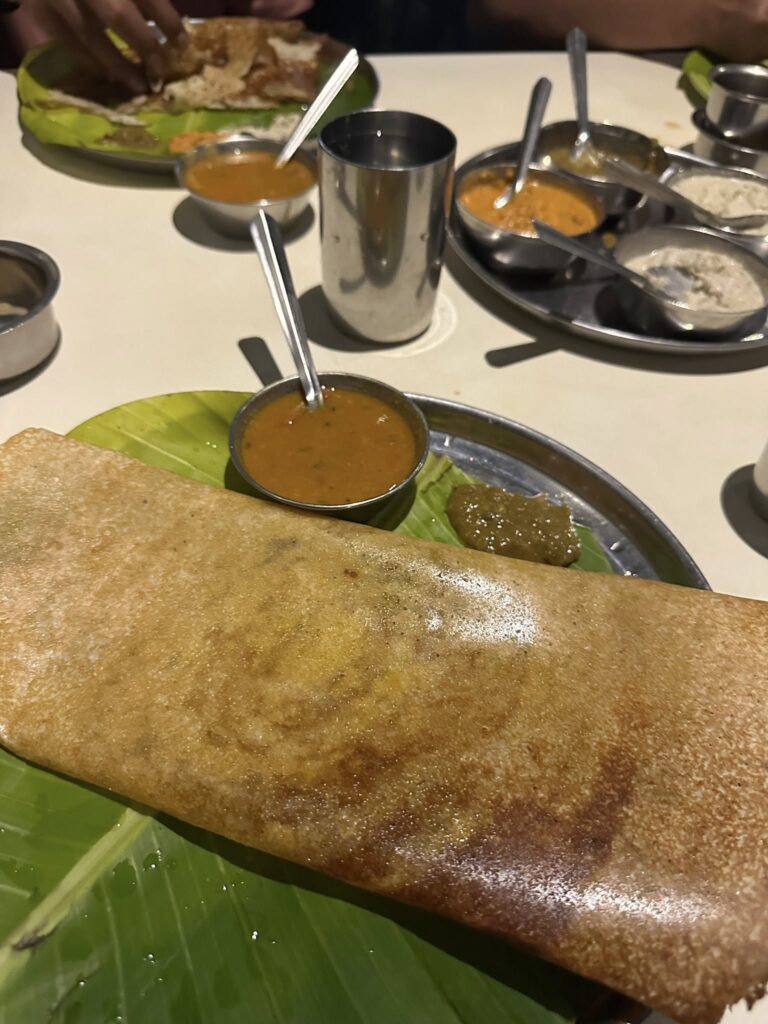
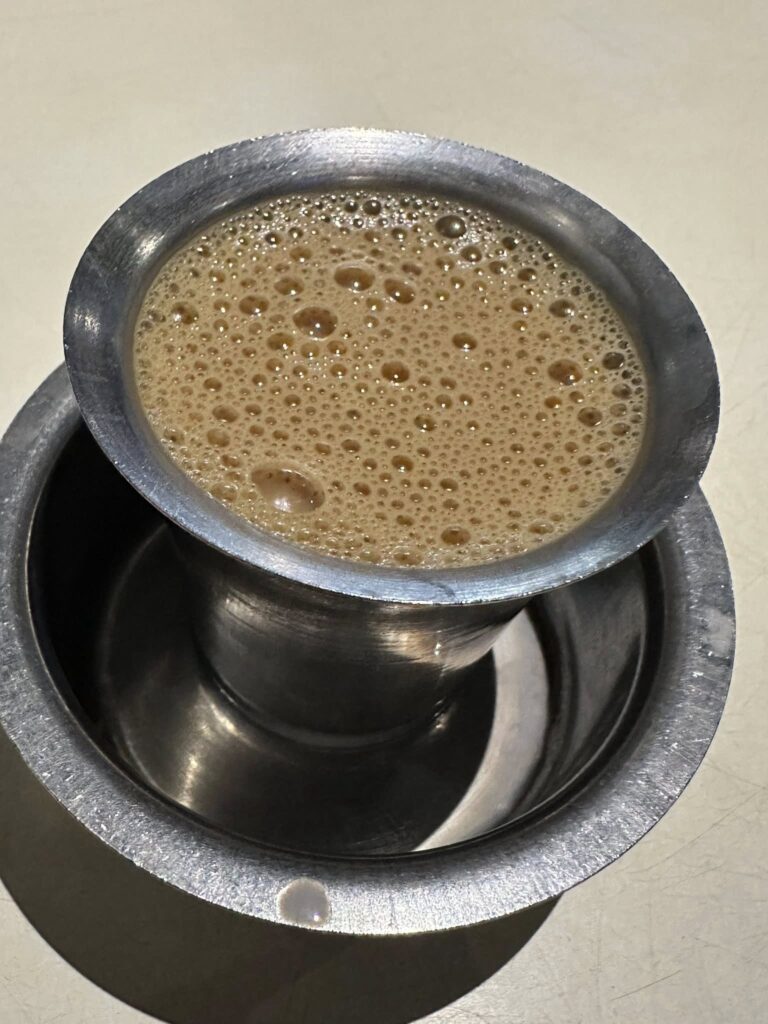
Before hitting the road, we treated ourselves to something we hadn’t had in 30 days—proper South Indian comfort food. A crisp dosa, piping-hot vada, and strong filter coffee at a small, bustling vegetarian restaurant in Vizag. Absolutely divine. The kind of meal that sets the tone for the day and keeps you smiling behind the wheel.
From there, it was a straight point-A-to-point-B drive. Smooth roads, steady progress, and barely any stops—except for a very late lunch at 5 PM.
Google Maps, though… completely played me today. Vijayawada and Guntur have grown so much they’re practically holding hands now, but instead of skirting around the sprawl, Google sent me straight through the chaos. Two route options—one longer in time and distance, the other “shorter”—so of course I picked the shorter one. Big mistake. I crawled through traffic all the way from Vijayawada into Guntur. Well played, Google.
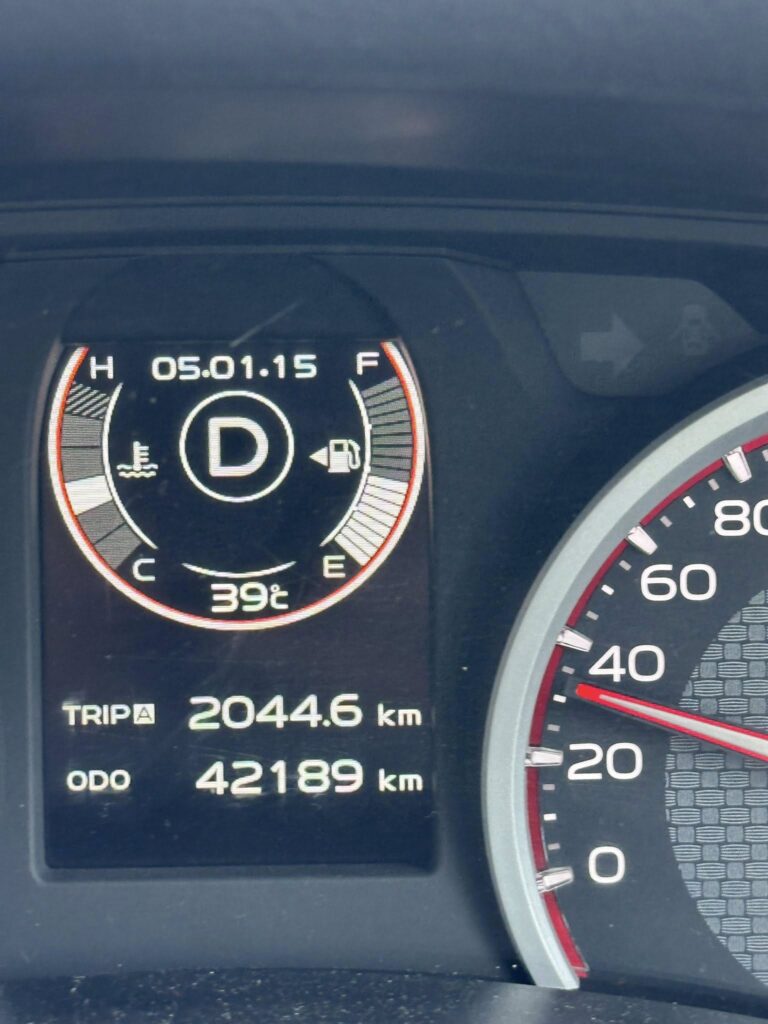
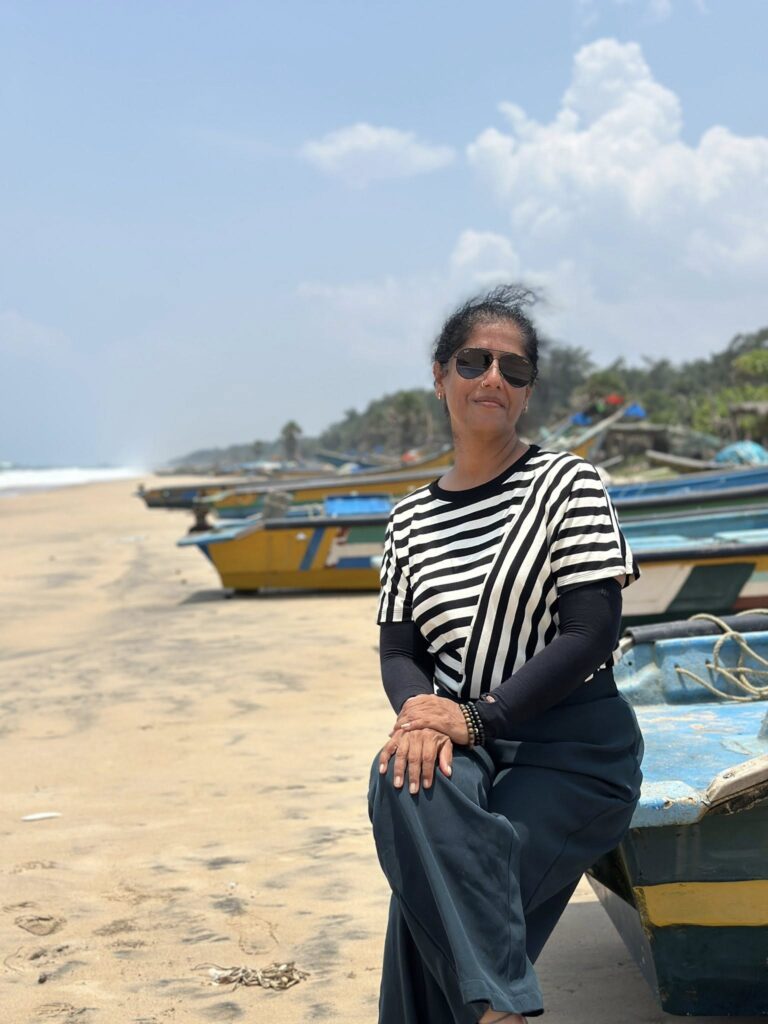
Earlier in the morning, we did make a quick detour about 90 km outside Vizag to fly the drone at a gorgeous beach. But with the sun blazing at 39°C, I didn’t linger. Felt like textbook heatstroke weather.
Now in Guntur for the night. Tomorrow is a big push toward Chennai and Tamil Nadu. The final stretch is officially here.
State #13 – Tamil Nadu
Today marked our 13th state—Tamil Nadu. Officially in Tamil Nadu, and for me, it feels like coming home.
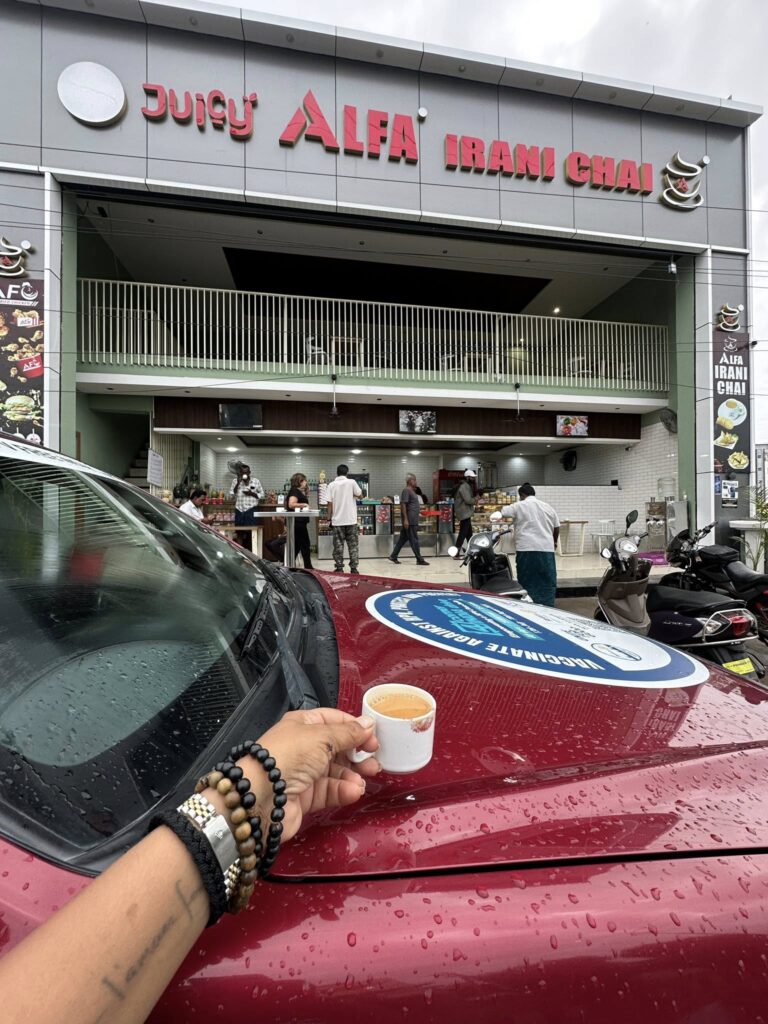
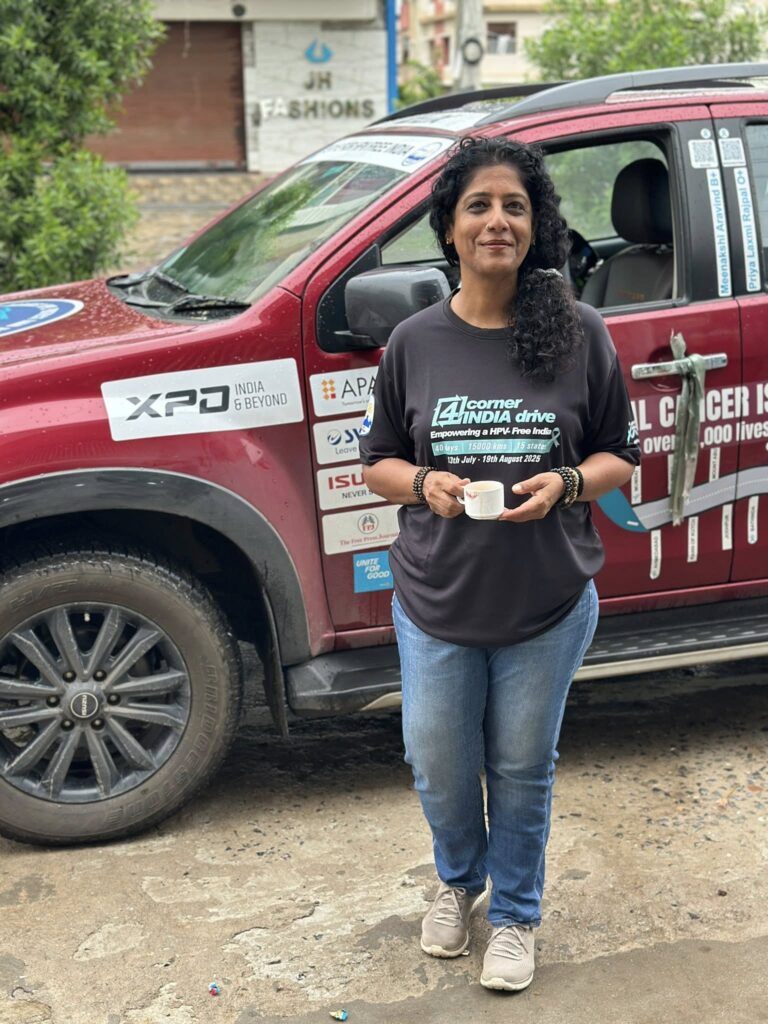
We left the hotel at 6:15 AM, aiming to reach the Adyar Cancer Institute by 4 PM for an event. A quick Irani chai stop later, it turned into an easy, breezy drive. Google’s ETA said 2 PM, and we rolled in at 1:50.
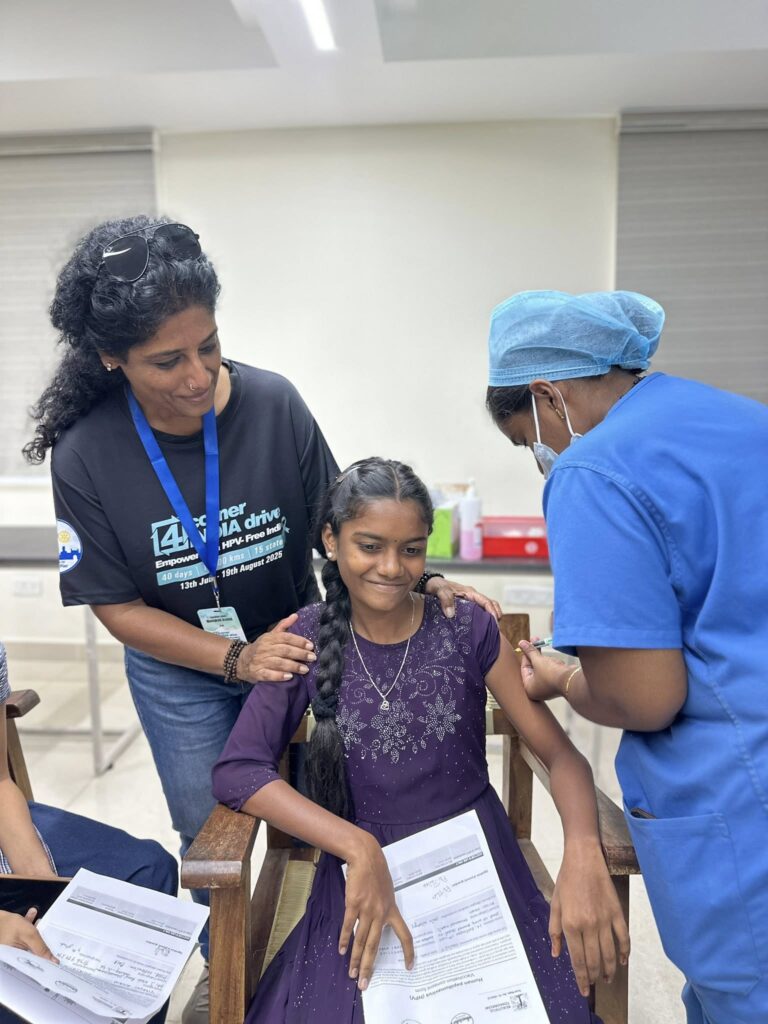
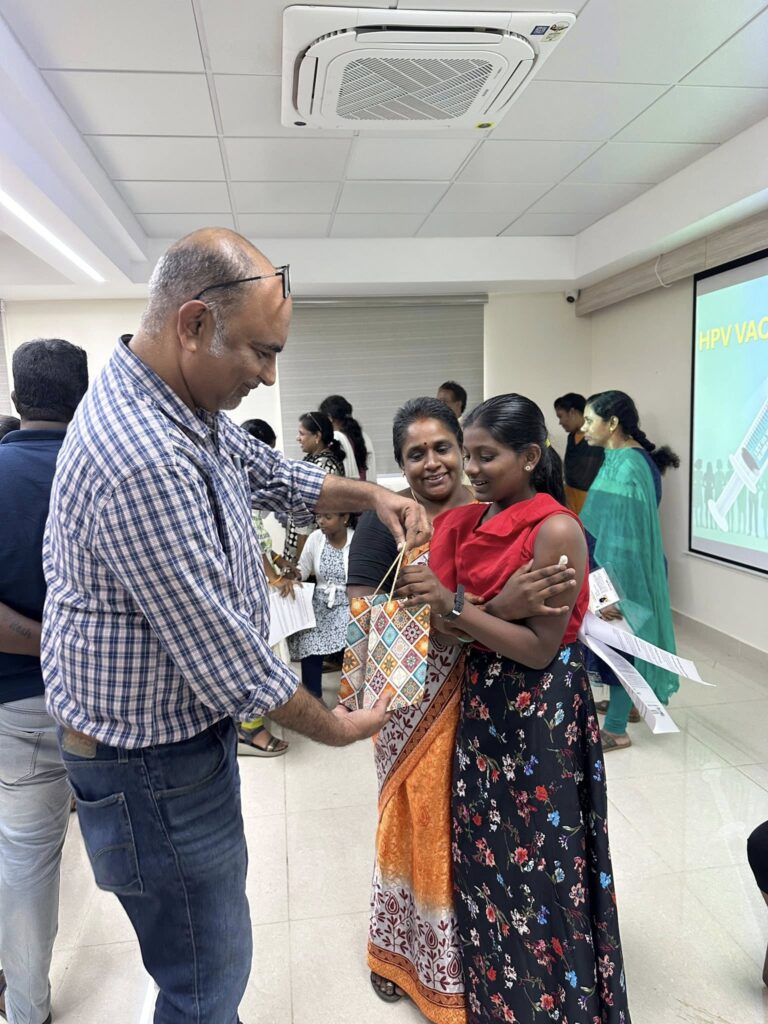
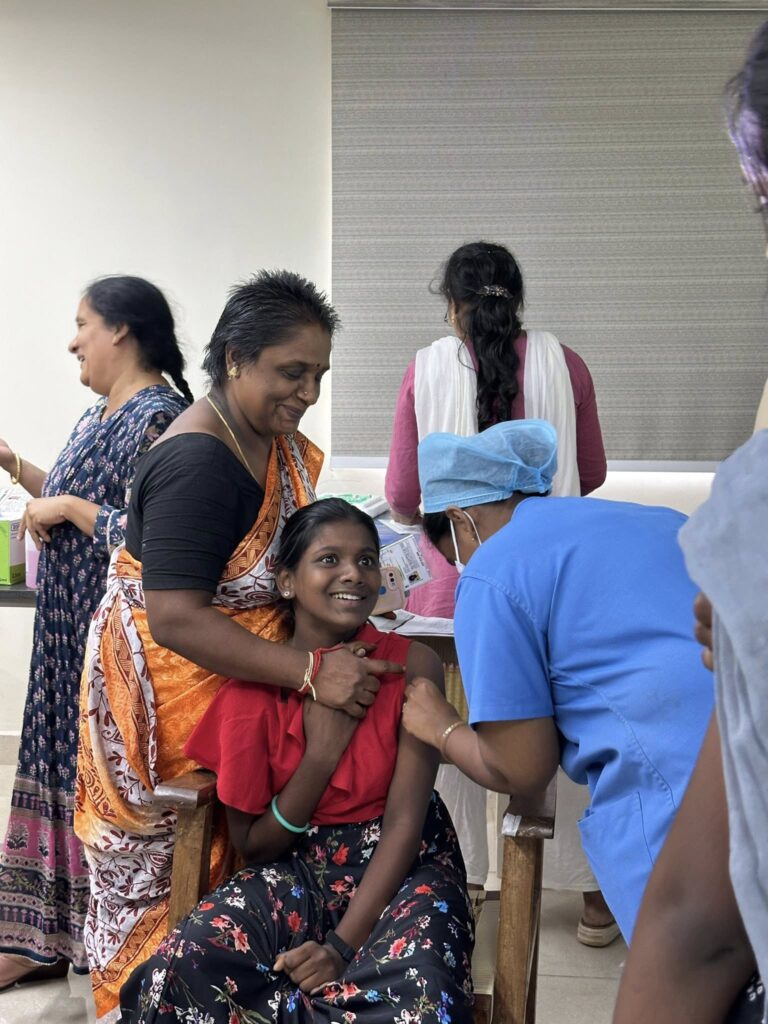
Straight to Sangeetha for dosa (again!) before heading to the Adyar Institute, where 50 girls received their HPV vaccinations. My dear friend Naveen dropped by with a basket of apples for the girls—a simple, thoughtful gesture that meant a lot.
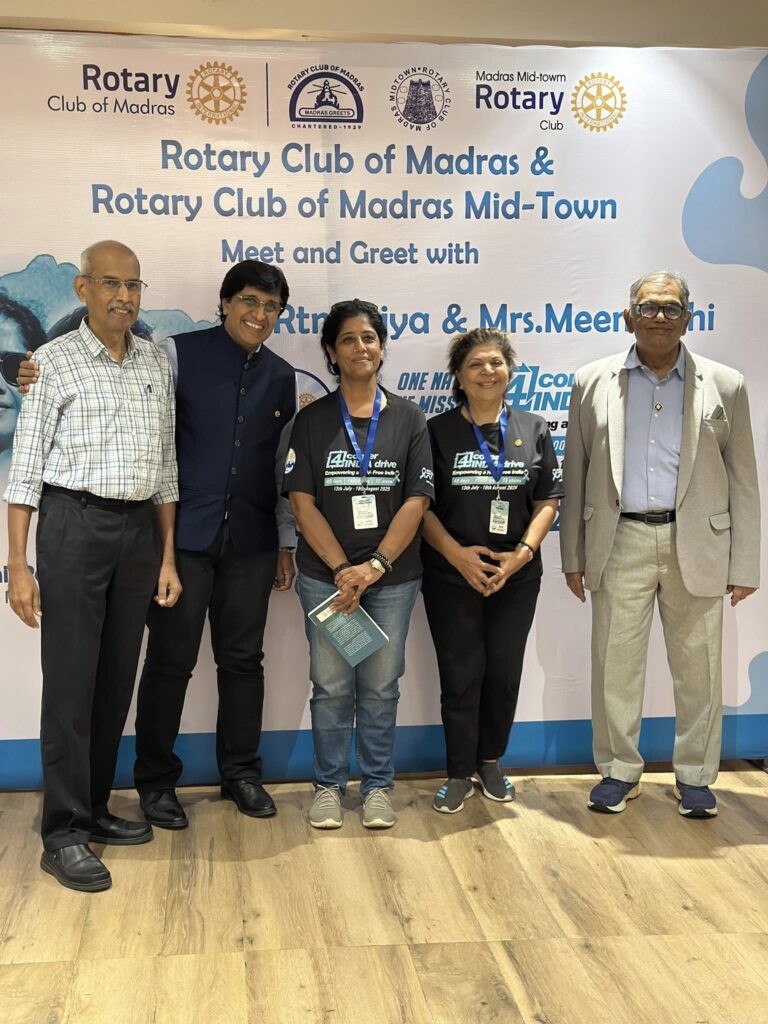
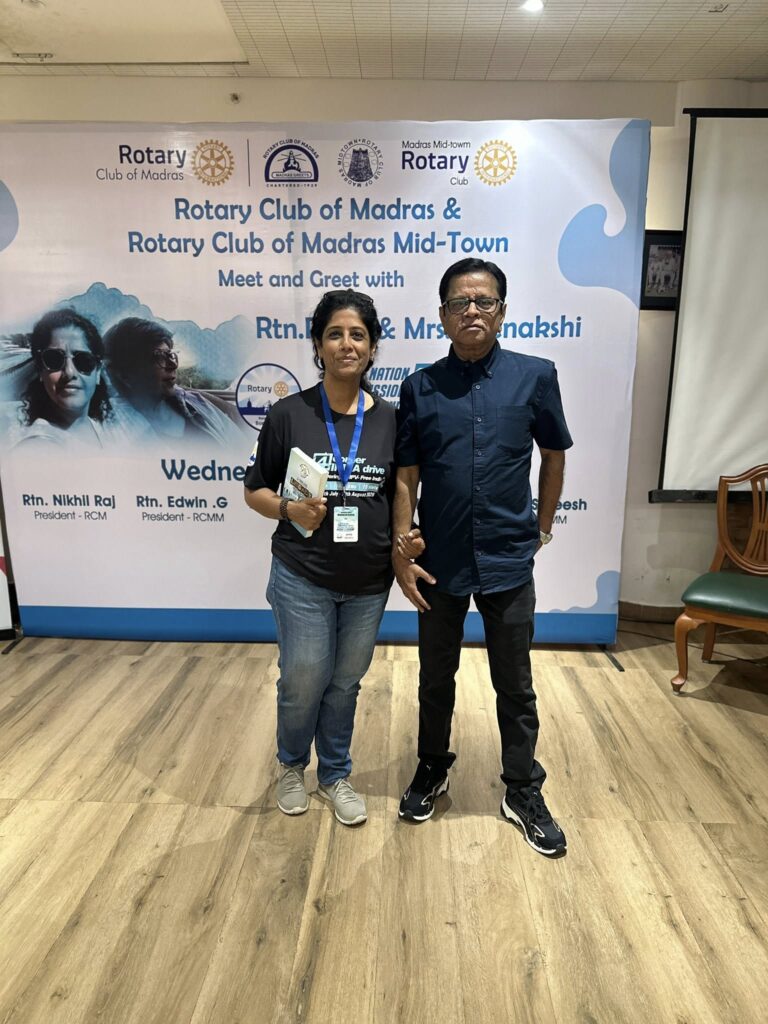
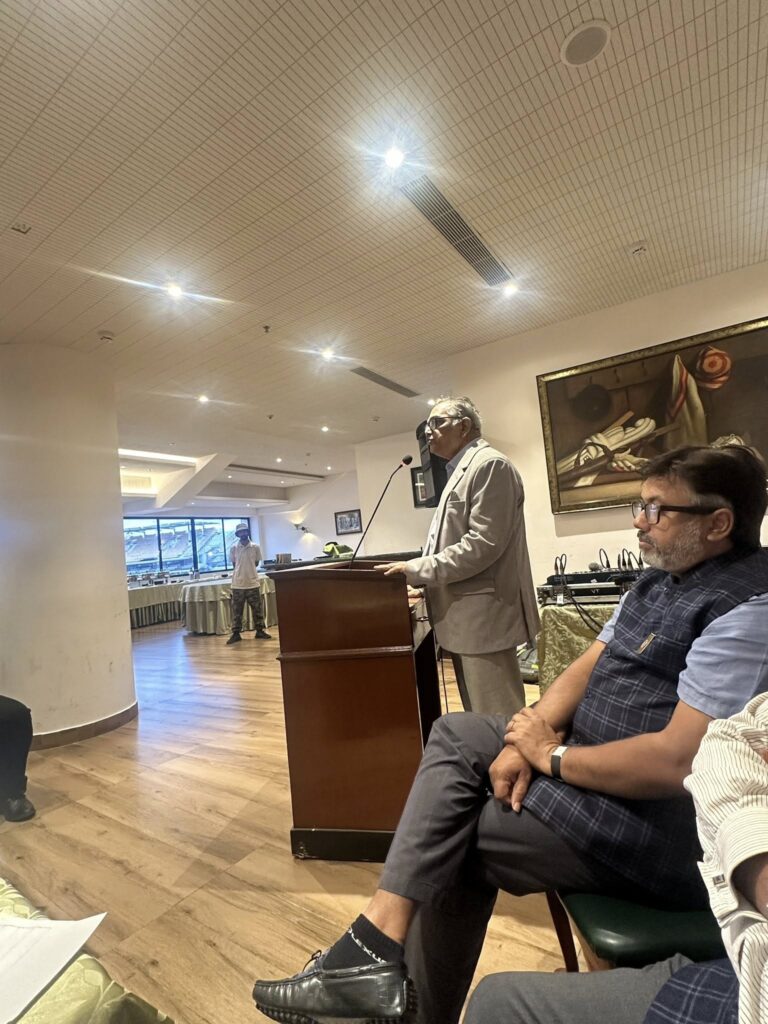
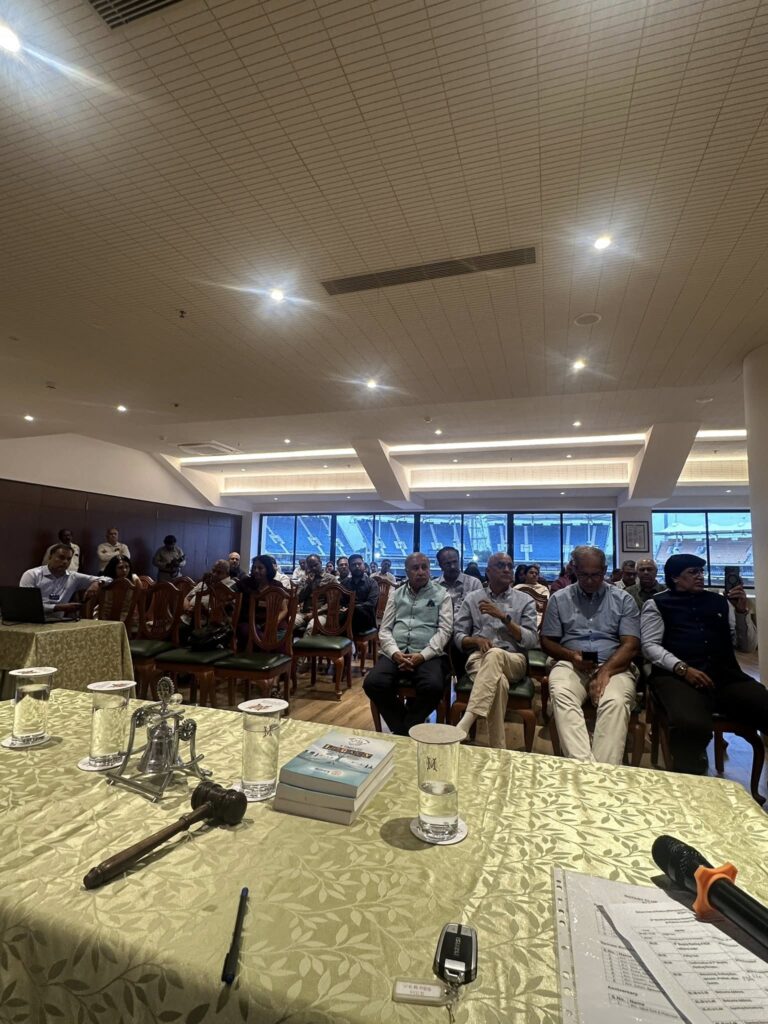
From there, we braved Chennai traffic to get to the Madras Cricket Club, where the Rotary Club of Madras—one of the oldest and most prestigious in the city—along with the Rotary Club of Midtown, had organised an evening event. We were three minutes late, but it was worth the rush.
The evening was warm and well put together—friendly faces, shared experiences, a powerful presentation on HPV by a doctor, and a lively Q&A that kept everyone engaged. A couple of other friends showed up too, and it’s incredibly heartening to see people meet me at different points of this journey, cheering me on.
I haven’t told many friends in Chennai that I’m here. With less than 15 hours in the city, there’s no point troubling people. But even so, it feels good to be back—to be in Tamil Nadu.
Just a few more days to go.
A bit bushed to write today.
Will do tomorrow.
First thing.
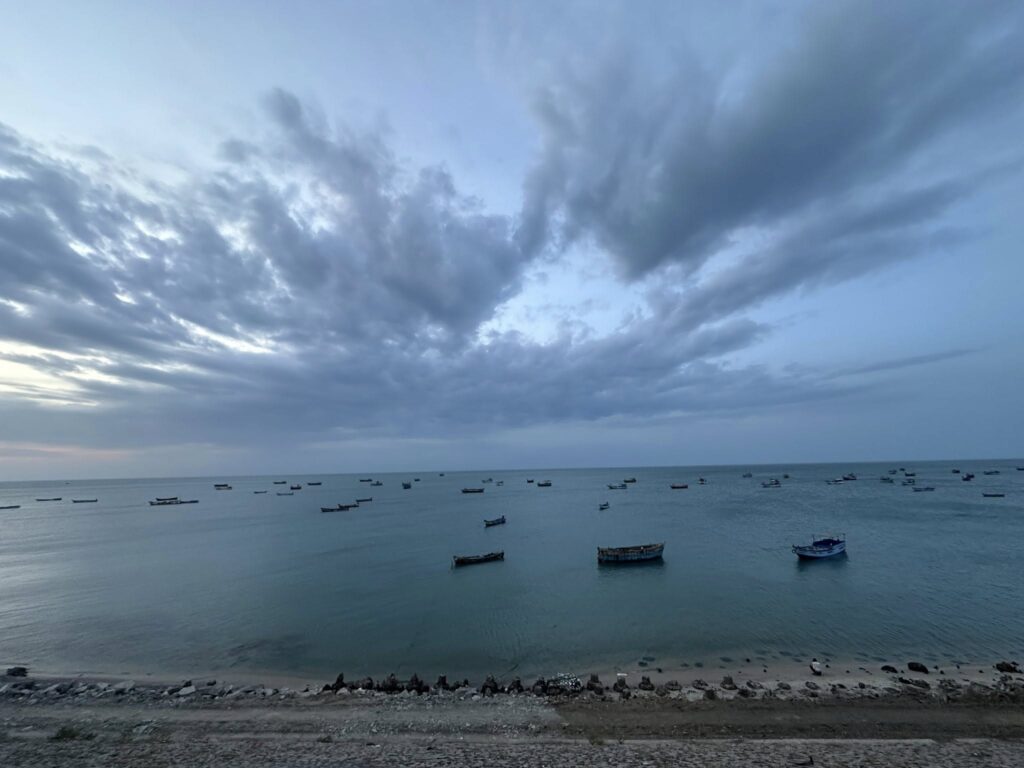
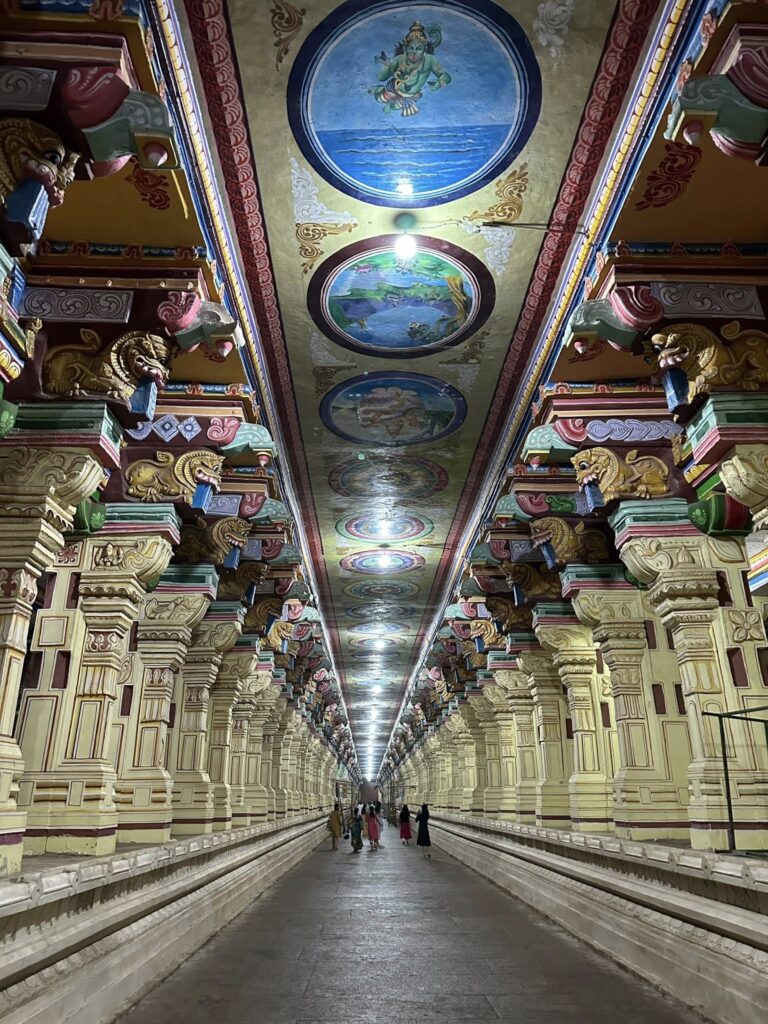
The Fourth Corner
Today marks something extraordinary.
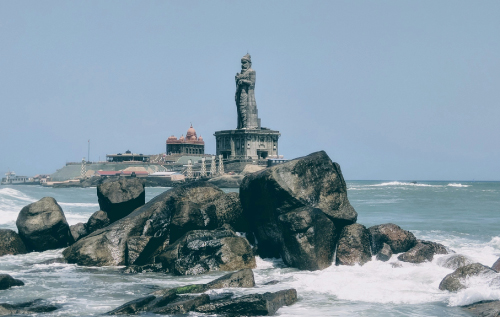
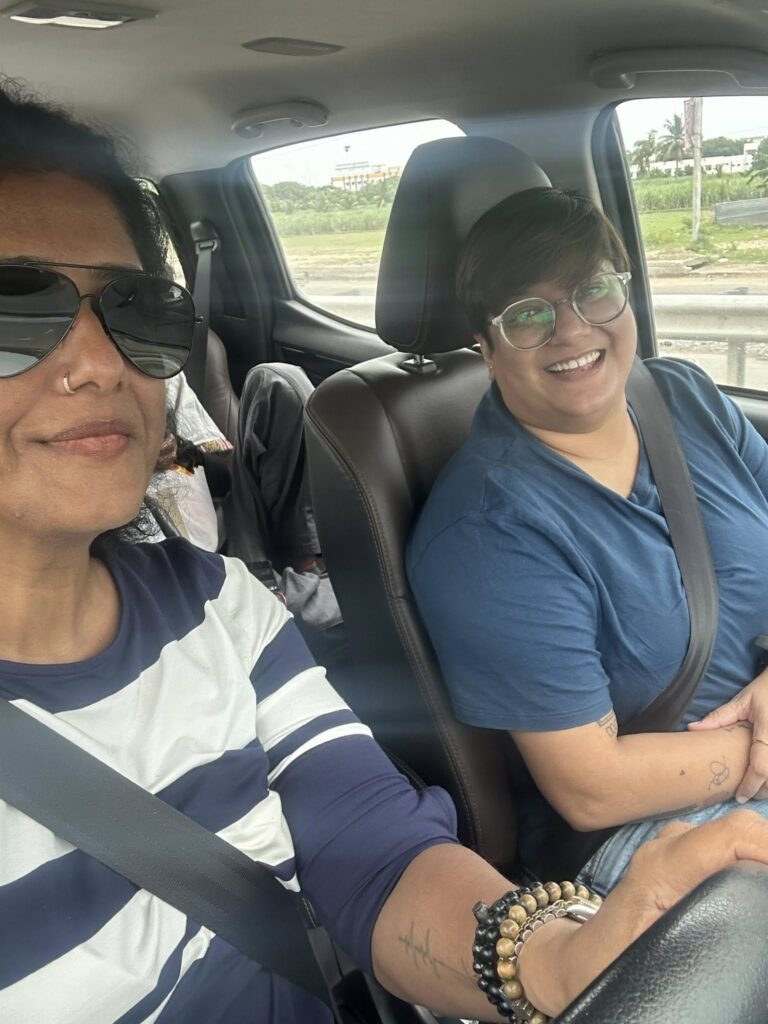
We have officially completed our Four-Corner India Drive.
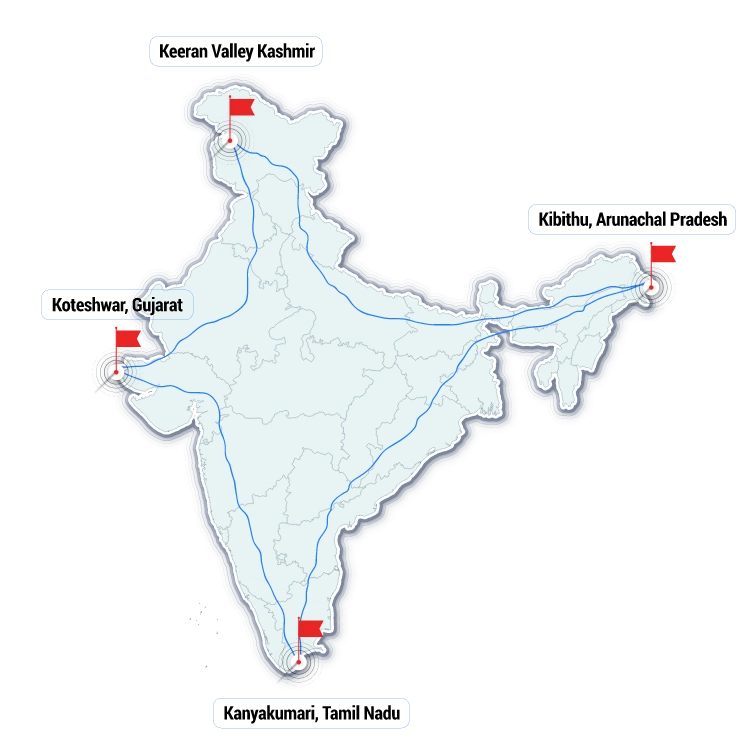
From the northern peaks to the southern seas, from eastern sunrises to western sunsets, we have traced the living outline of this nation— a land of a million colours, a thousand tongues, and one beating heart.
I feel richer for every mile driven, every face smiled at, every story shared on the road.
Rich—because this soil is mine to belong to.
This journey has been our tribute to India: a salute to her beauty, her strength, her resilience, her soul.
Proud, beyond words, to call myself Indian.
Jai Hind.
Kanyakumari → Guruvayur | 531 km
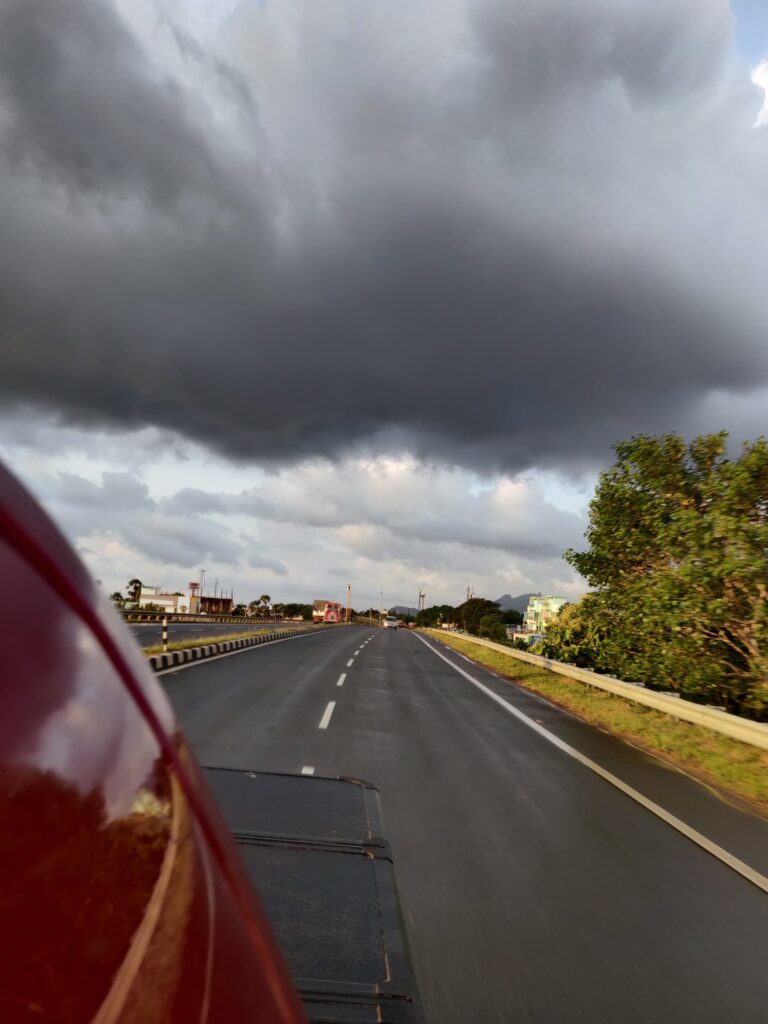
Today was all about choosing the road wisely. The irony? The shortest route would’ve taken the longest time, and the longest by distance turned out to be the quickest. I’d dreamed of driving the coastal stretch, but with a strict 4 PM darshan deadline at Guruvayur, I had no choice but to cut through Tamil Nadu. Not the original plan—but the only way to make it in time.
That road, though, is no stranger to me. It’s the one I always take to Tirunelveli for our family temple. I know it like the back of my hand, and that familiarity made the drive effortless. We left at 6:30 AM, stopped for breakfast, chai, fuel, lunch—and still, I pulled into the hotel at exactly 4:00 PM. On the dot. I even have a photo to prove it.
Crossing into Kerala, I instinctively slipped into “Kerala driving mode”—the only way to survive these roads. Traffic was light, I avoided the Kochi highway, and instead took an inner route lined with endless green fields. It was stunning. Being back in Kerala felt incredibly good.
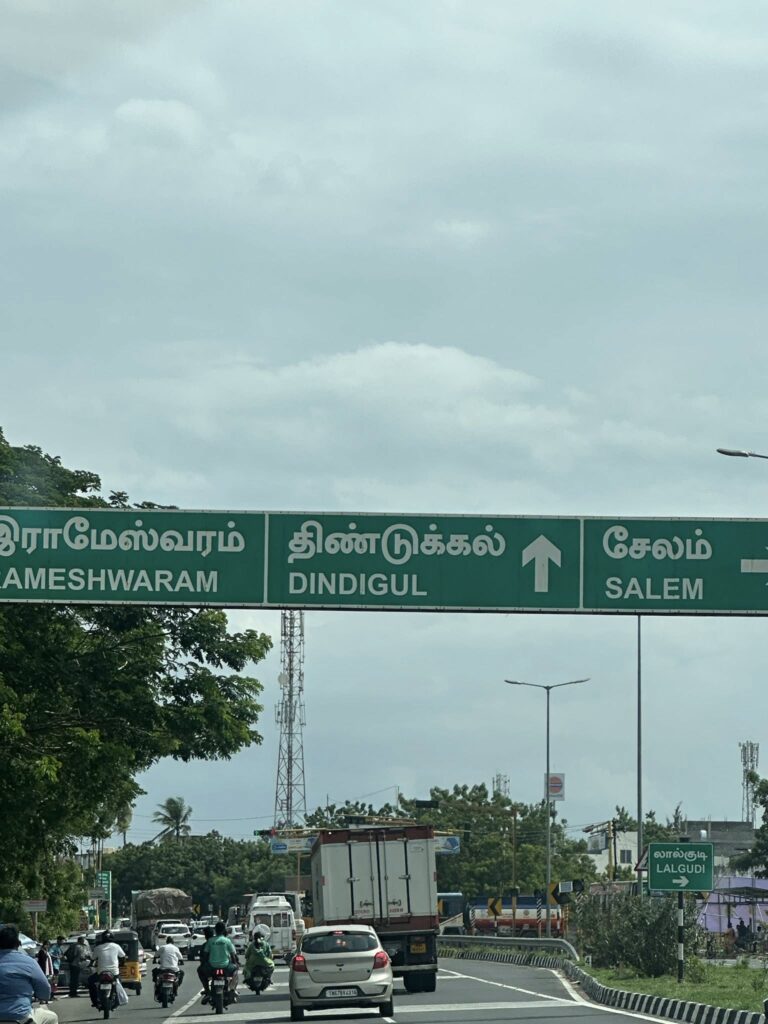
The one tug at my heart came as we passed Dindigul. I was barely 3 km from home. Three kilometres from my dogs. Vedhika isn’t home right now, but still—I wanted so badly to step in, even if just to say hi. The clock didn’t allow it. Five more days, I told myself. Home will wait.
And then came the real blessing. My brother had arranged darshan at Guruvayur. I honestly didn’t think it would happen—Janmashtami crowds are madness. But somehow, by His grace, it did. We did pradakshina, saw Lord Ayyappa, offered Thulabaram, and ended the day with dinner at a lovely local place.
531 km later, I can say this was one of my favourite drives of the entire journey. Smooth Tamil Nadu highways, zero traffic, just endless motion. A day filled with homesickness, yes—but above all, a day of grace.
On Janmashtami, to stand before Guruvayurappan felt unreal. Divine. Unforgettable.
Just three more days to go.
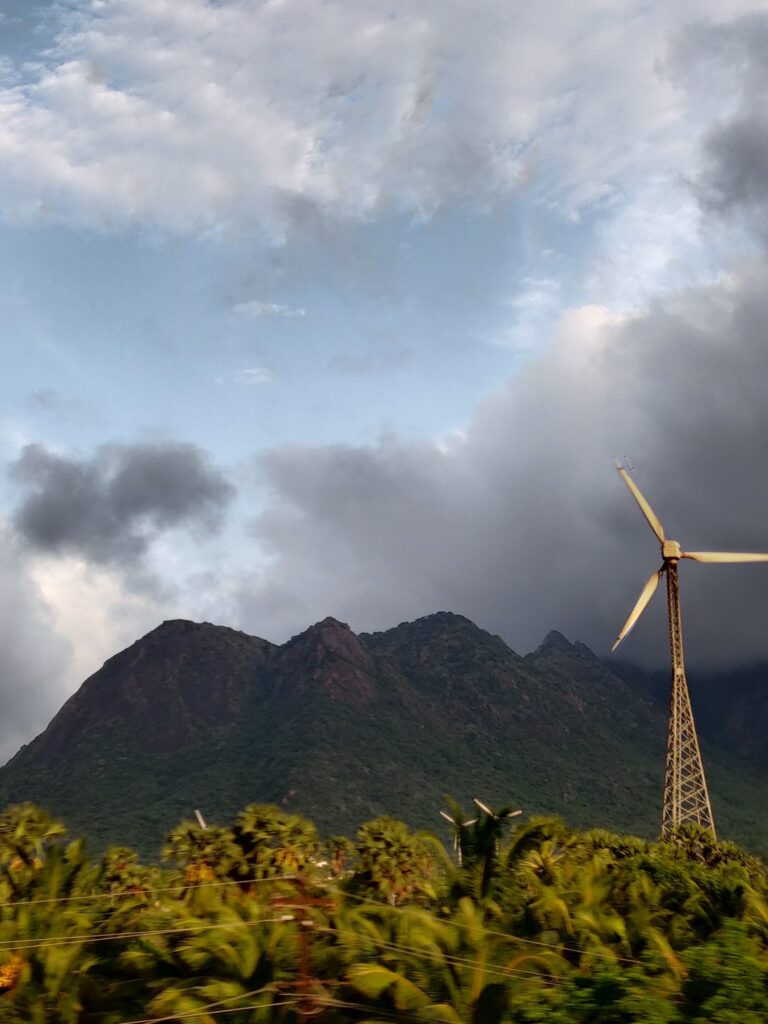
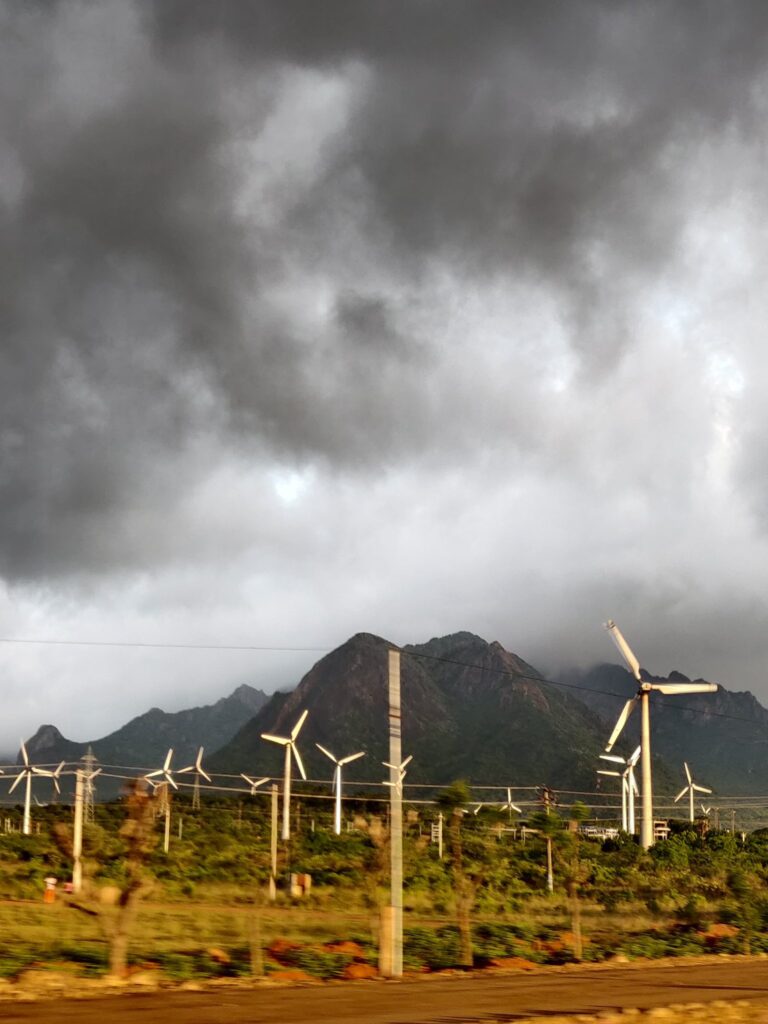
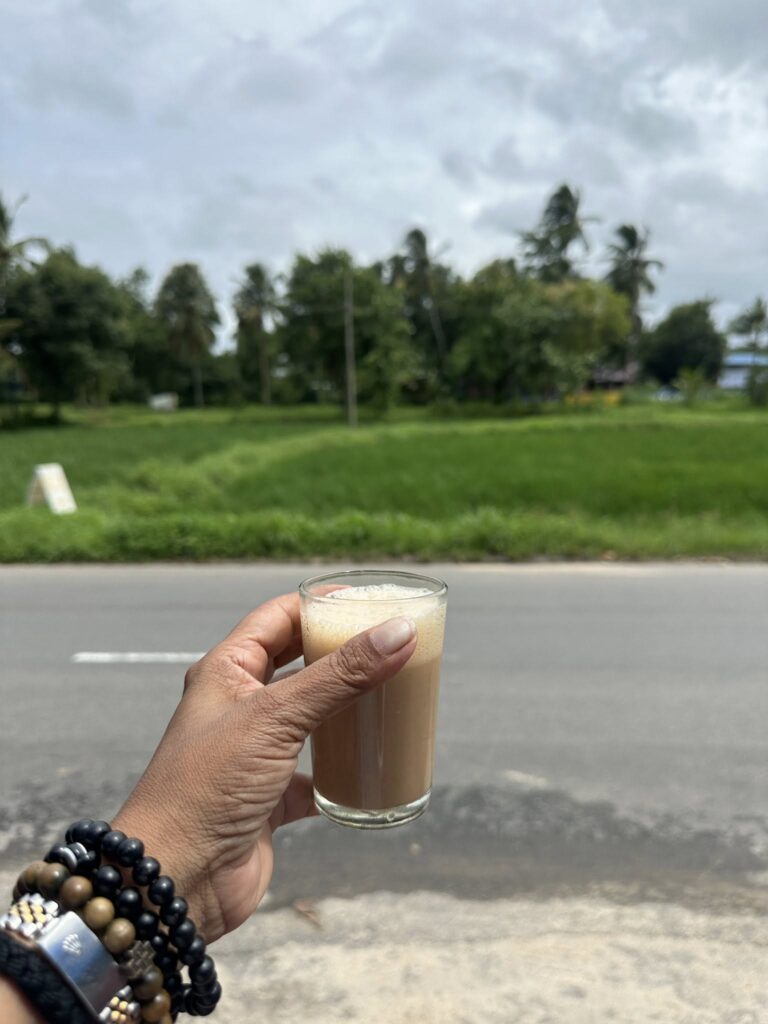
Guruvayur → Mangalore | 336 km
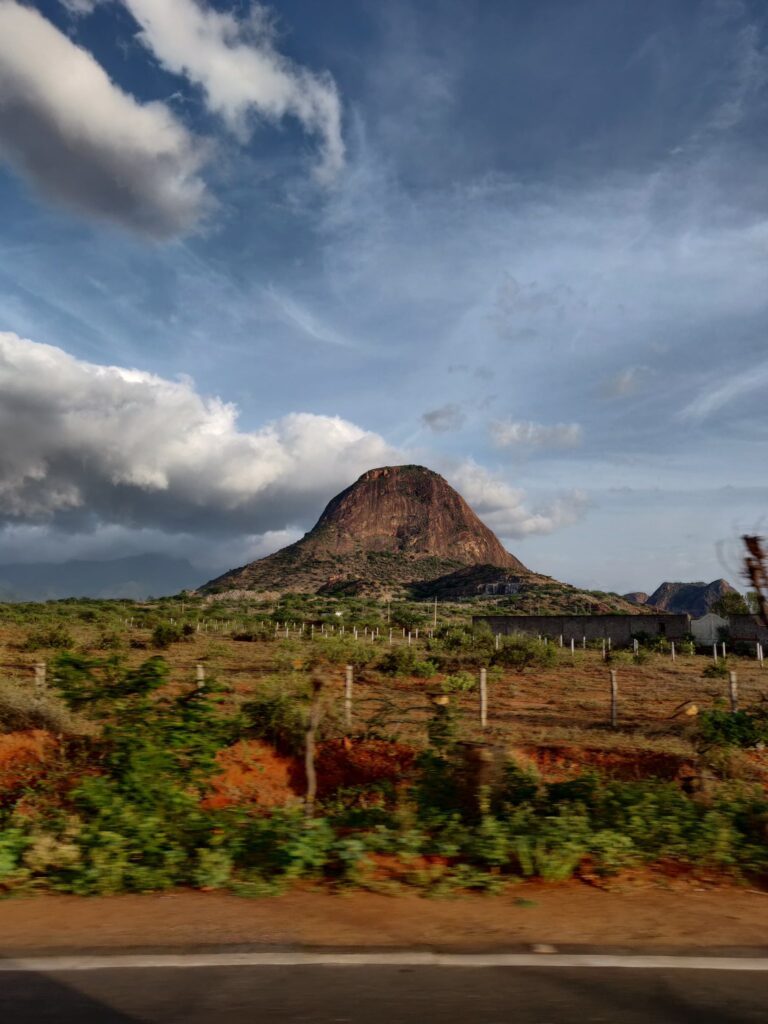
After yesterday’s divine interlude, today was a long, demanding haul from Guruvayur to Mangalore. We’d been warned the roads were bad, and with rain pouring relentlessly, we braced ourselves for a rough drive.
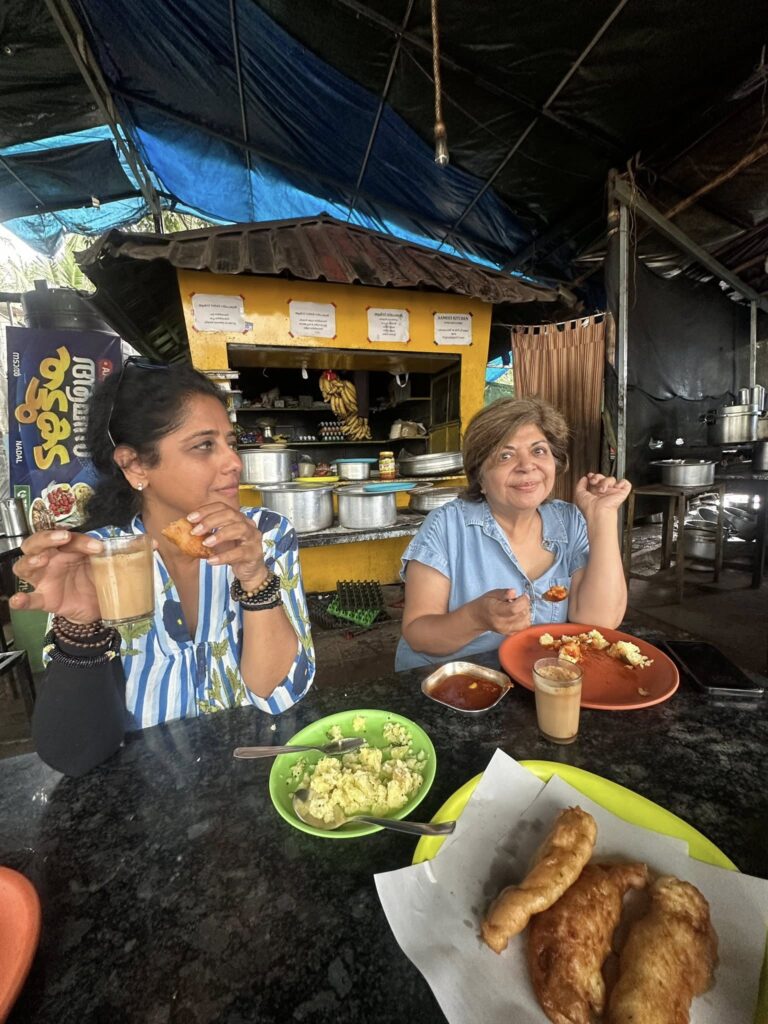
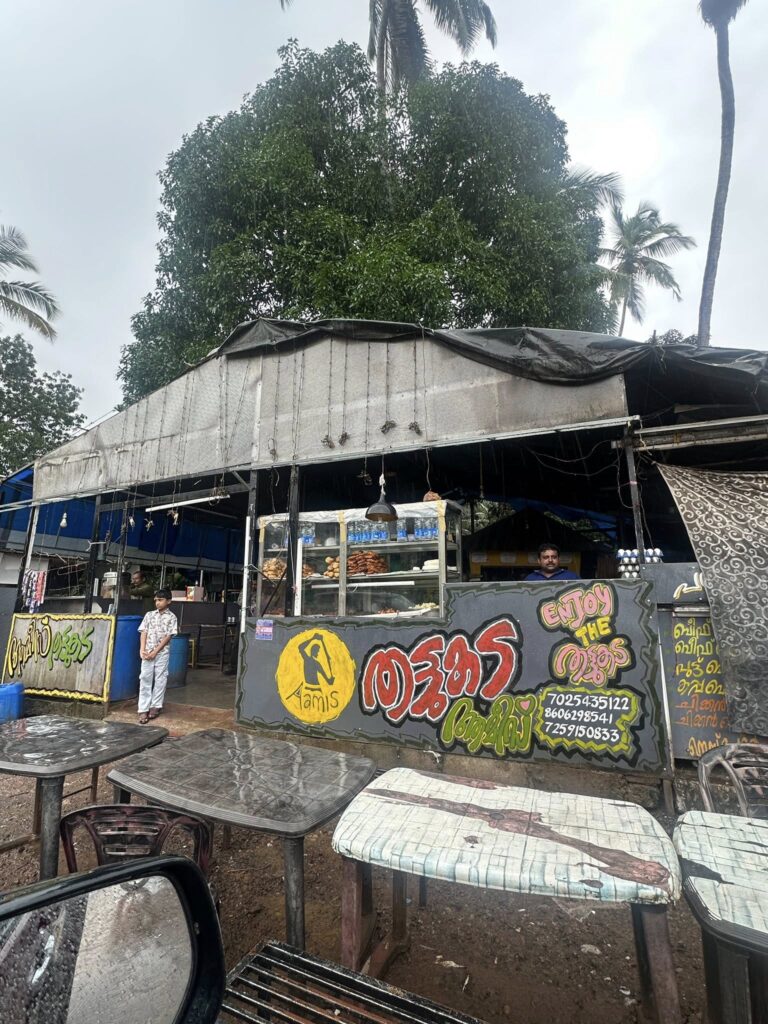
We left a little leisurely at 8 AM, stopping for breakfast at a very nondescript-looking hotel. I was sceptical the moment we pulled into the parking lot, but the food turned out surprisingly decent. A couple of chai breaks followed—because with Suraj around, food and chai stops are non-negotiable. He gets hangry, so we’ve learned to keep him fuelled.
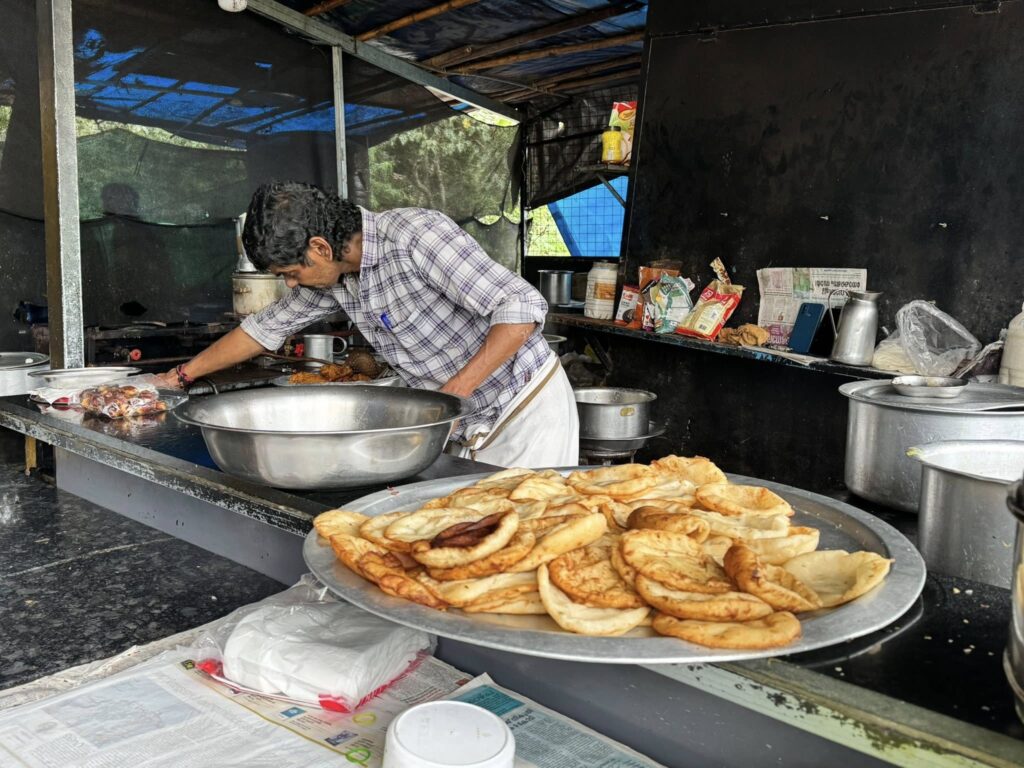
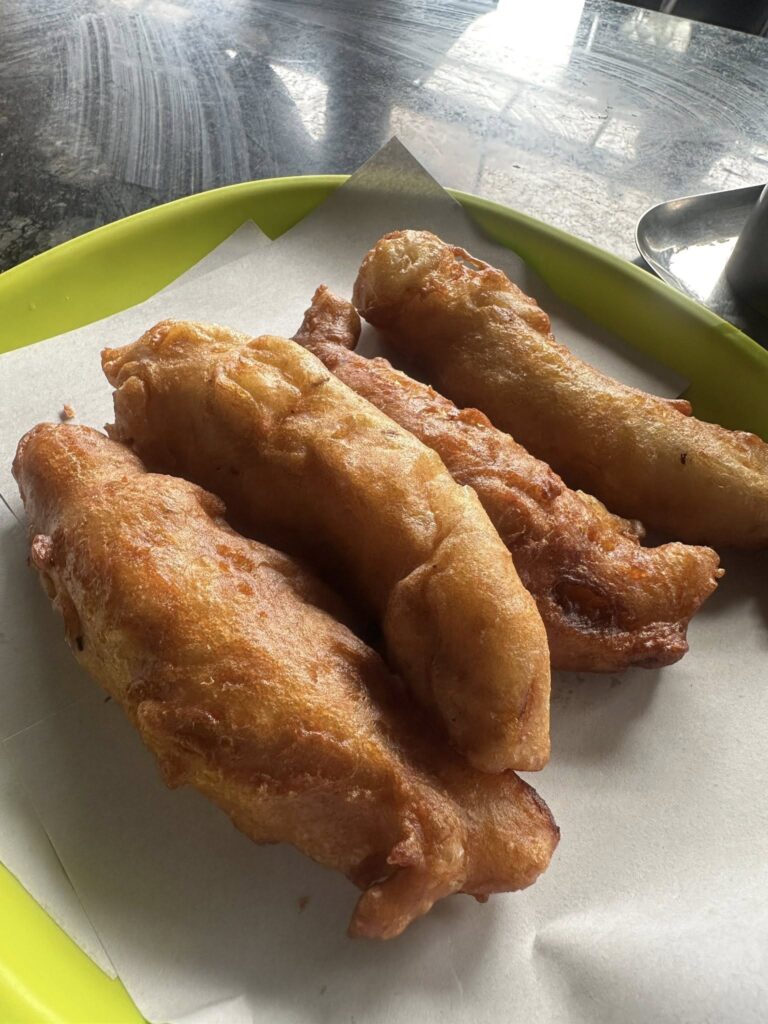
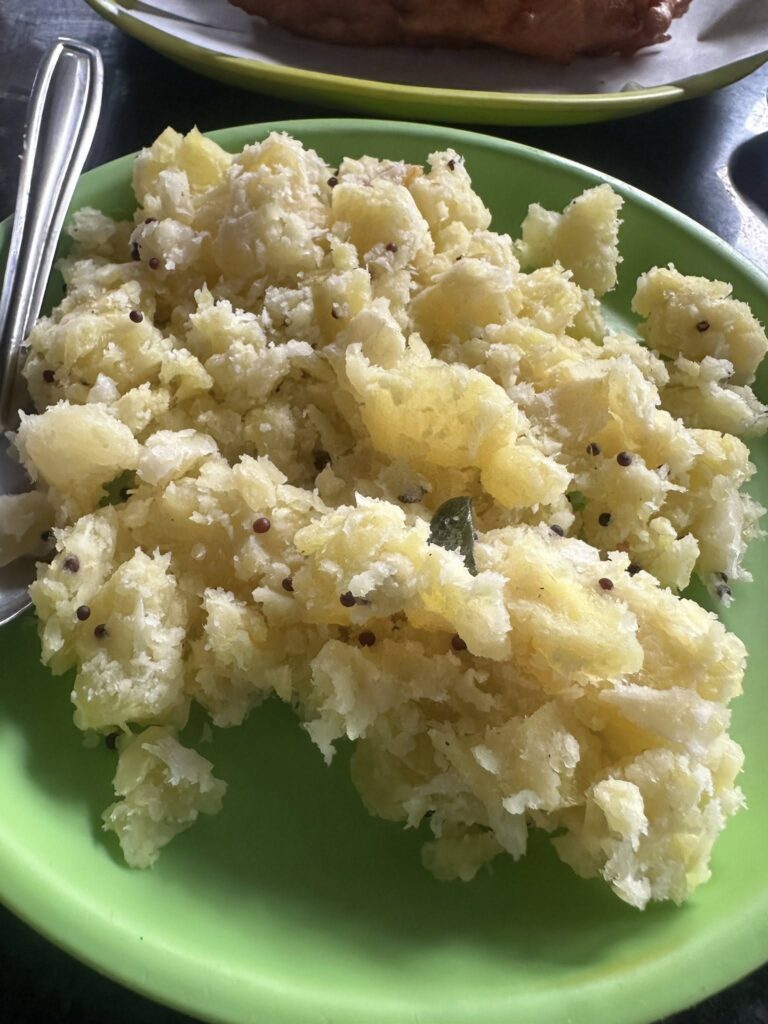
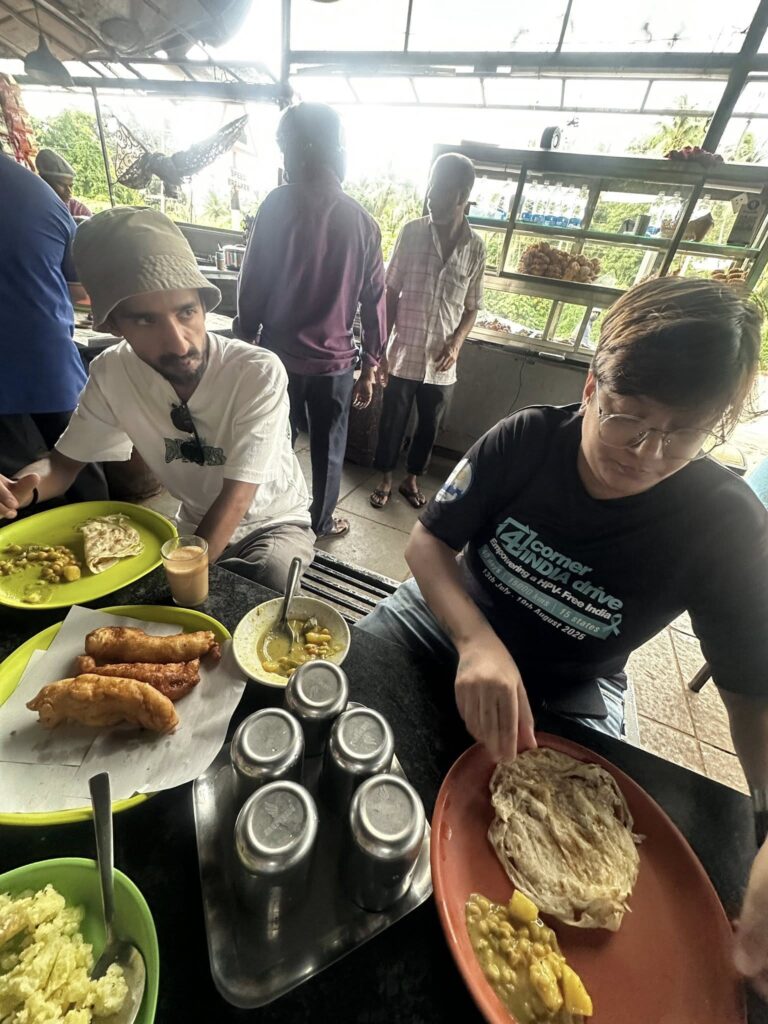
Lunch was at a small roadside eatery—palamburi, kappa, parotta, the works. It was pouring outside, and inside, three women in a sea of men drew curious stares. But the food was delicious, and we were soon back on the road.
The drive only got tougher from there. Long traffic jams, broken stretches, and exhausting standstills of 20 minutes at a time tested our patience. We stopped briefly to top up DEF fluid and fuel, then pressed on.
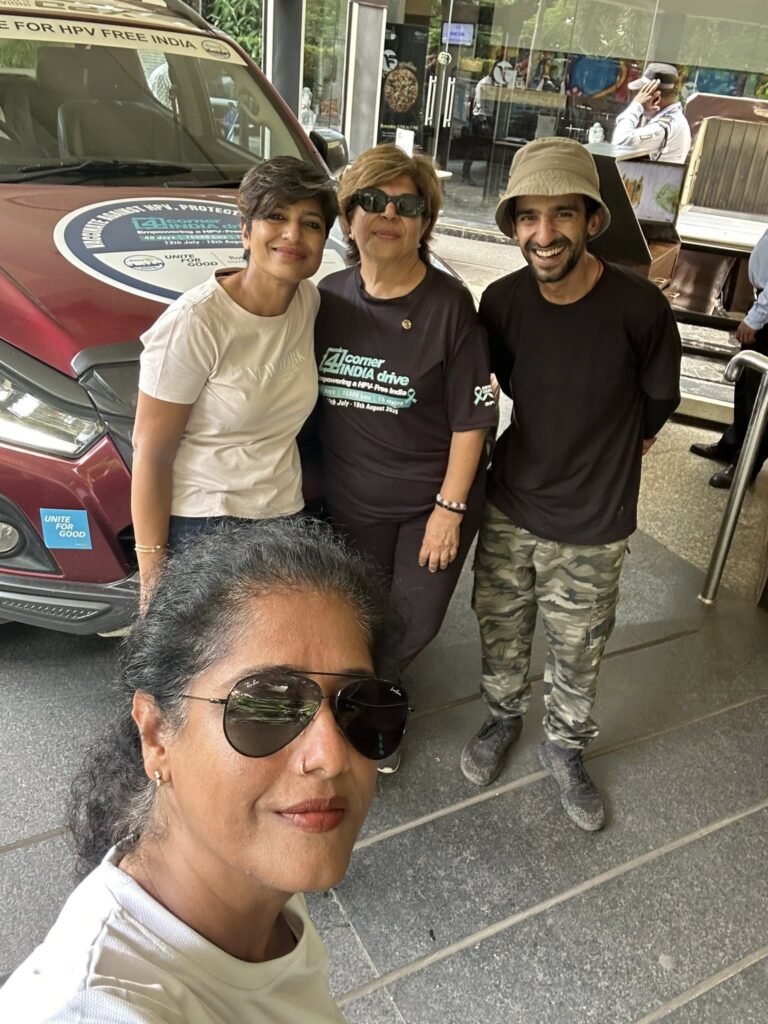
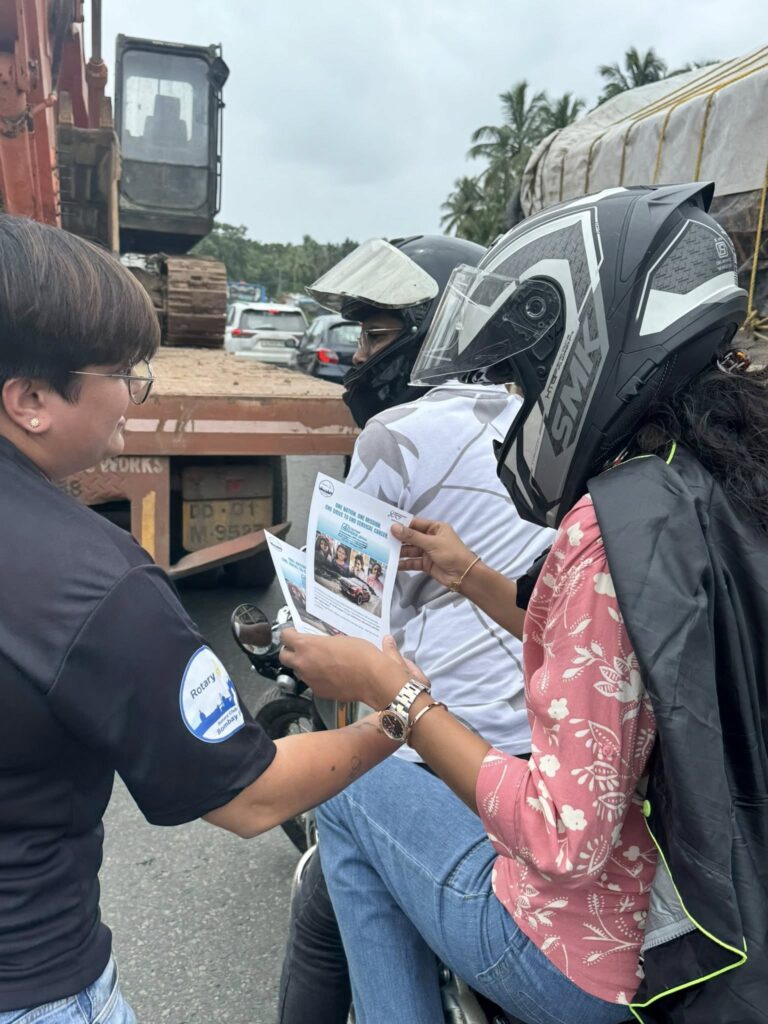
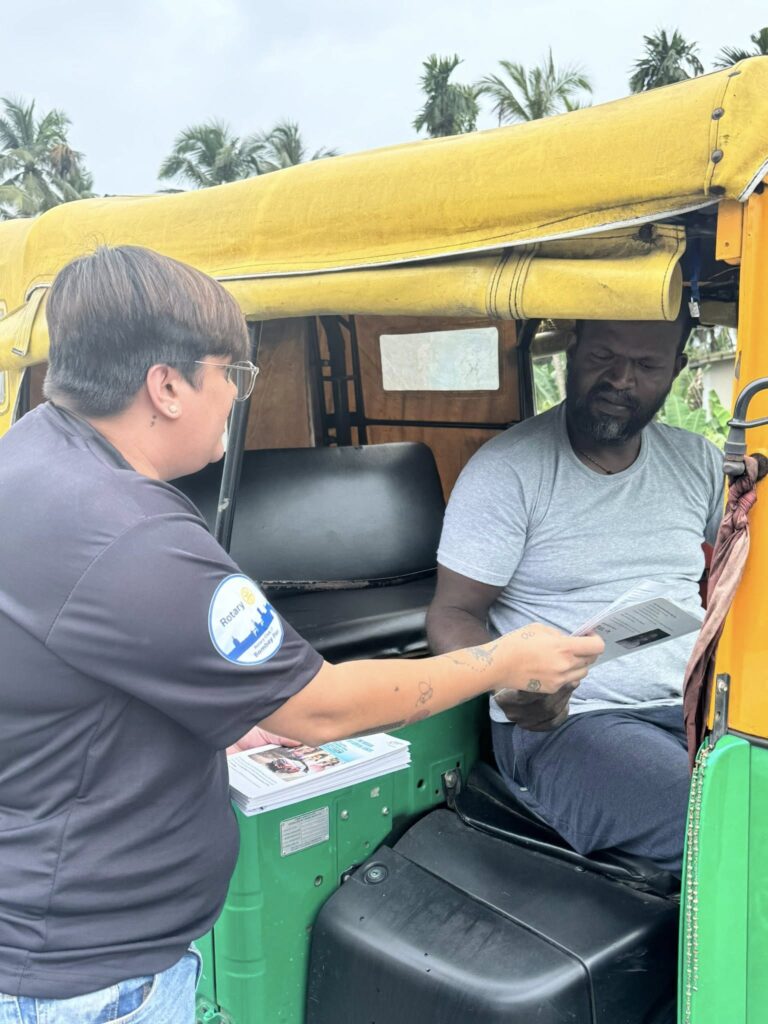
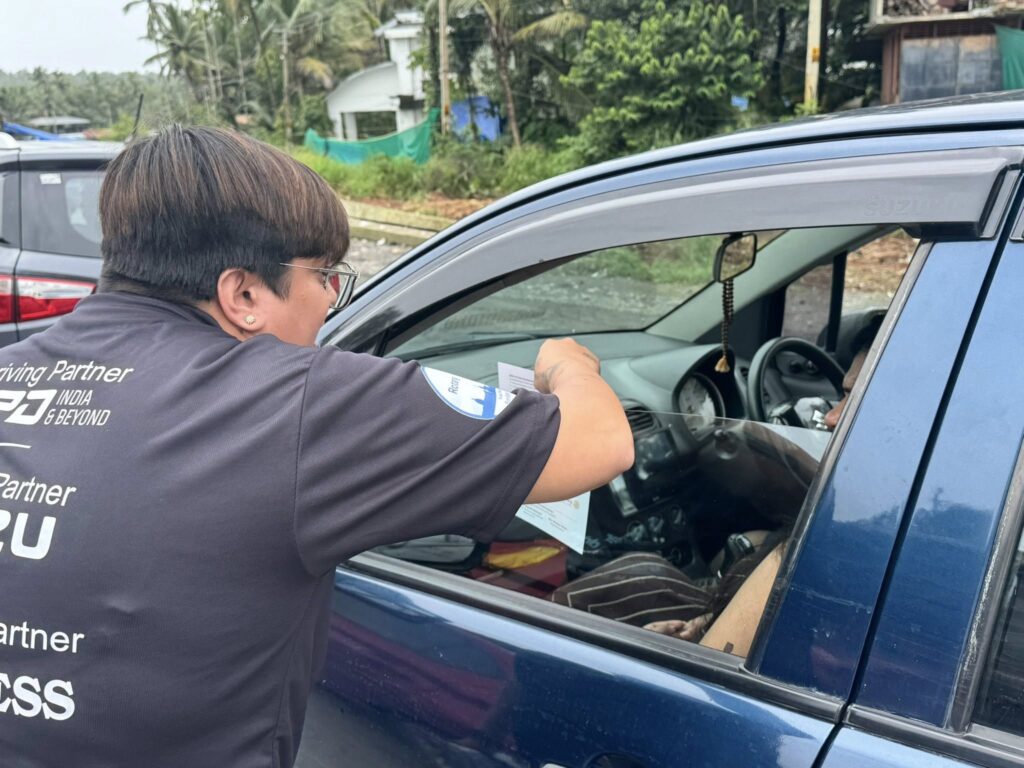
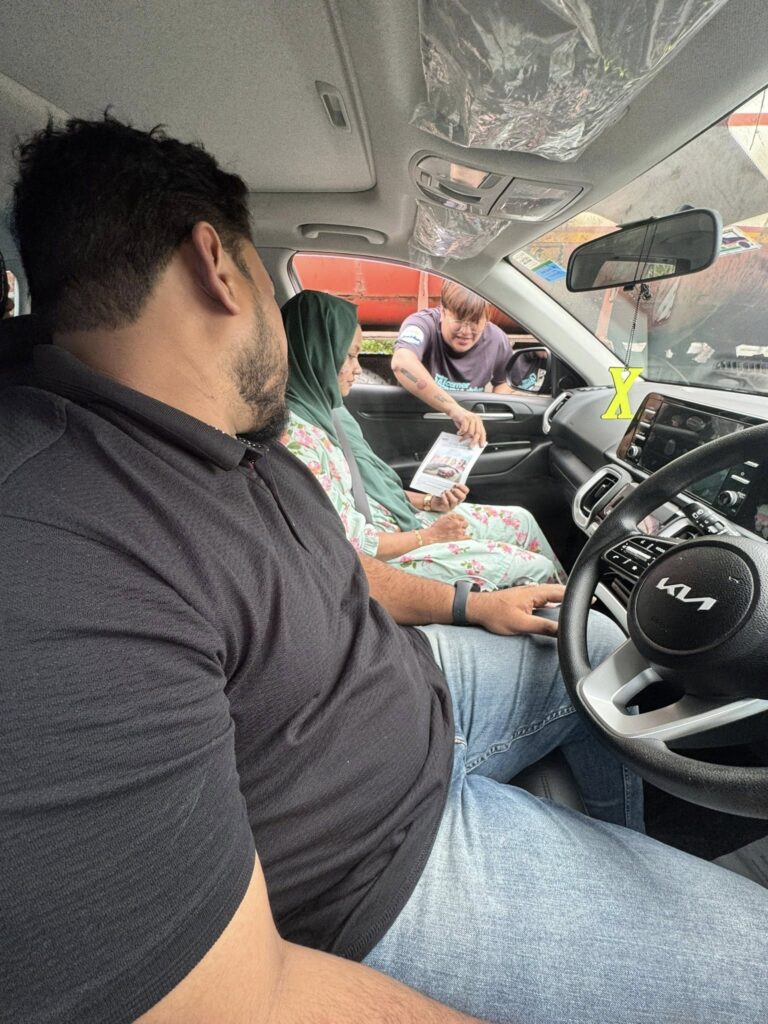
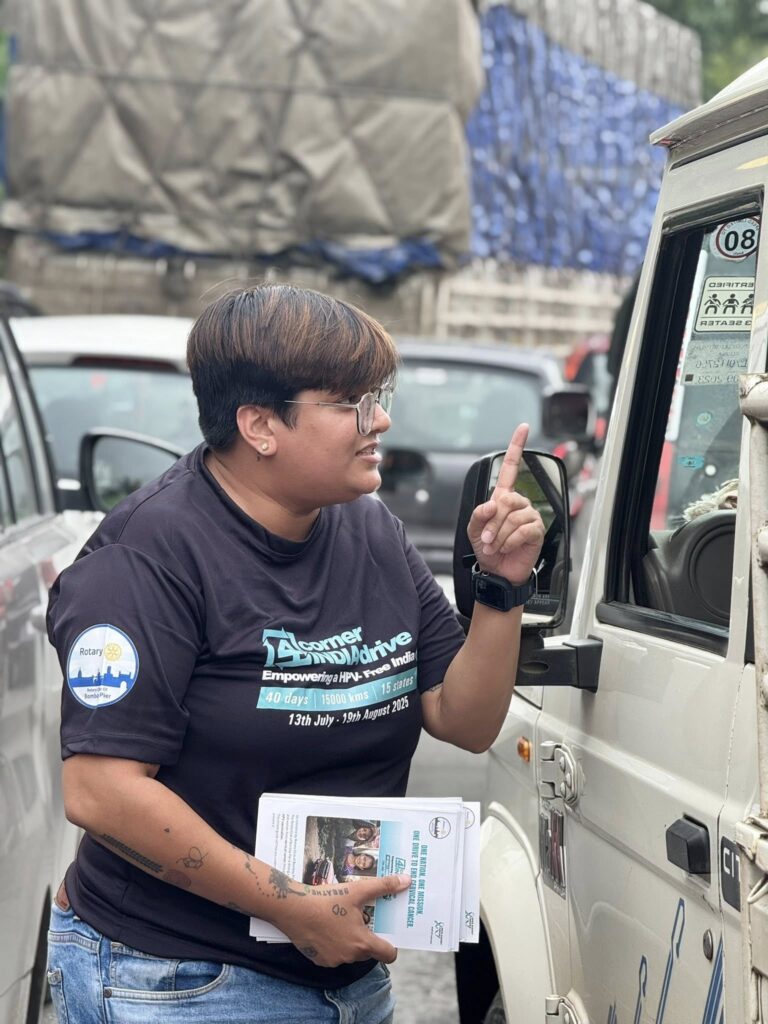
At every traffic jam—when we were stuck for 20–25 minutes—Romani Agarwal (now thoroughly “Mallufied” as Ramani) and Suraj jumped into action. I’d send my imps into work mode—brochures in hand, going car to car, talking to people about cervical cancer, HPV, and handing out information.
It was hilarious at times. Some people assumed they were asking for money and rolled their windows up instantly. Others rolled them down, took the brochure, read it carefully, and even asked questions. Awareness on the road—quite literally. We actually got a lot done that way today.
I had been really looking forward to driving on Muzhappilangad Drive-in Beach, Asia’s longest. I’ve done it before, and it’s always a thrill. But today, the sea was raging. The waves were monstrous, and the entire beach was cordoned off under an orange alert. It was shocking to see such a calm, gentle place transformed into something almost frightening. That detour cost us an extra hour and left me disappointed—but safety came first.
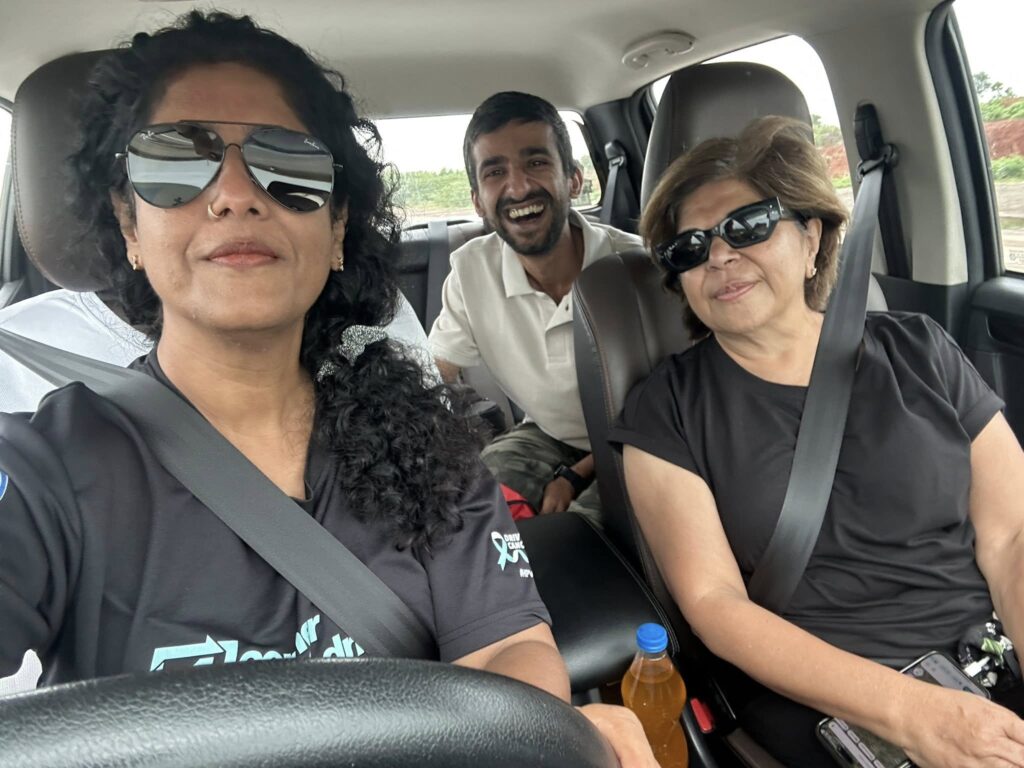
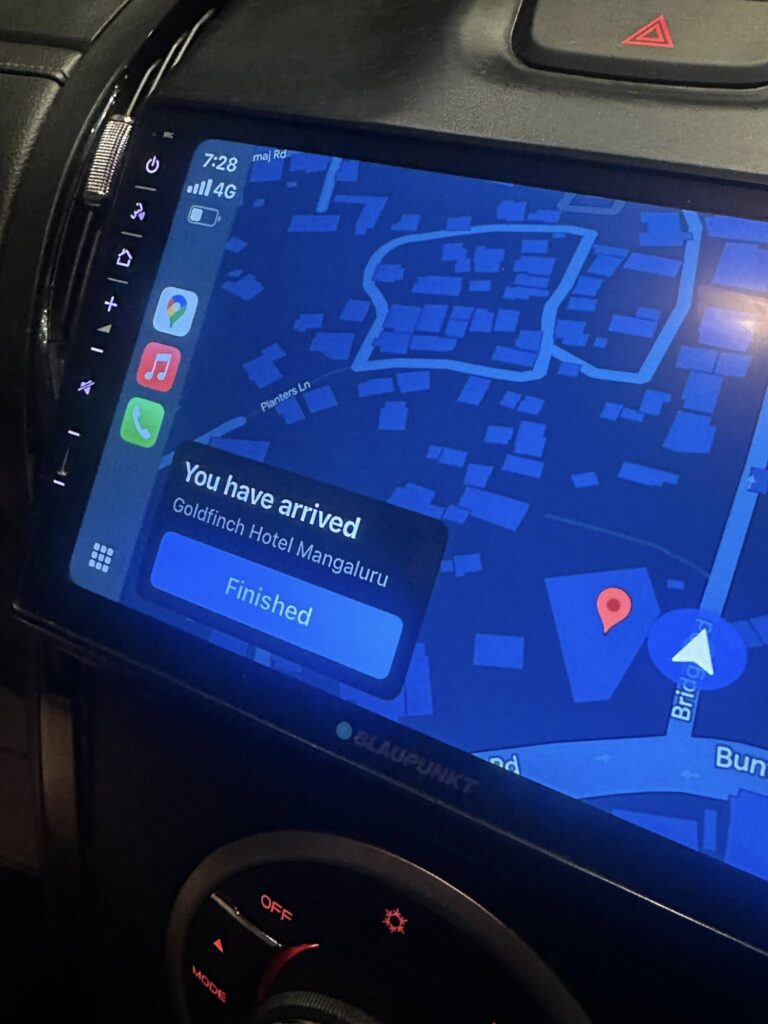
We finally rolled into Mangalore around 7:15 PM. Romani parted ways here—she’d driven with us all the way from Chennai, but headed to Udupi tonight to see a friend. Just like that, we were back to the three of us, the way this journey began. Bittersweet, really, as the end draws closer.
Only two more days to go. Tomorrow is Belagavi—our last event and vaccination drive—followed by the final stretch home to Mumbai. I’m happy to be heading back, but also a little sad to be leaving the road.
This journey has been long, hard, beautiful, and unforgettable. Another adventure awaits—but for tonight, we rest in Mangalore.
One more day to go.
Today we drove from Mangalore to Belagavi, and the rain never left our side—not for a minute, not even a second. It was relentless: heavy downpours, soft drizzles, and everything in between. I usually love the rain, but today it drained me completely—dreary, heavy, and exhausting all at once. It felt deeply melancholic.
The first 100 km were manageable, with smooth stretches of road. We stopped for breakfast at a highway hotel where the dosas were so good that I shamelessly stuffed myself with two.
Then the route pulled us off the highway and into thick, lush forest—absolutely stunning to look at, but the road itself was nothing more than potholes stitched together. It was taxing to drive, and only when we finally hit the Bangalore–Mumbai highway near Belagavi did things ease up again. Even so, with breakfast, lunch, and multiple chai breaks, we clocked nearly 10 hours on the road.
Straight from there, we headed to the Rotary event. Because schools along the coast were closed due to rain, only 30 girls could be vaccinated this morning, with another 20 planned for tomorrow. Despite the disruptions, the event was warm and welcoming. Around 50 people attended. We gave our talks, saw photos from the morning vaccinations, and posed for what felt like hundreds of pictures.
The terrain today was beautiful. Karnataka is a gem—much like Kerala—with its endless water bodies and vibrant landscapes. We even stopped at Maravanthe Beach, that picture-perfect stretch where the sea runs parallel to the backwaters, hoping to fly the drone. But the rain came down hard, and the police quickly shooed us away. A drone shot here would have been spectacular, but like yesterday, the beach plans were washed out.
And so here we are tonight—checked into the very last hotel of this journey. It’s sinking in now. Tomorrow, it all ends. A long, rainy drive back to Bombay. The finish line.
My heart feels heavy. Bittersweet.
Just one more day.
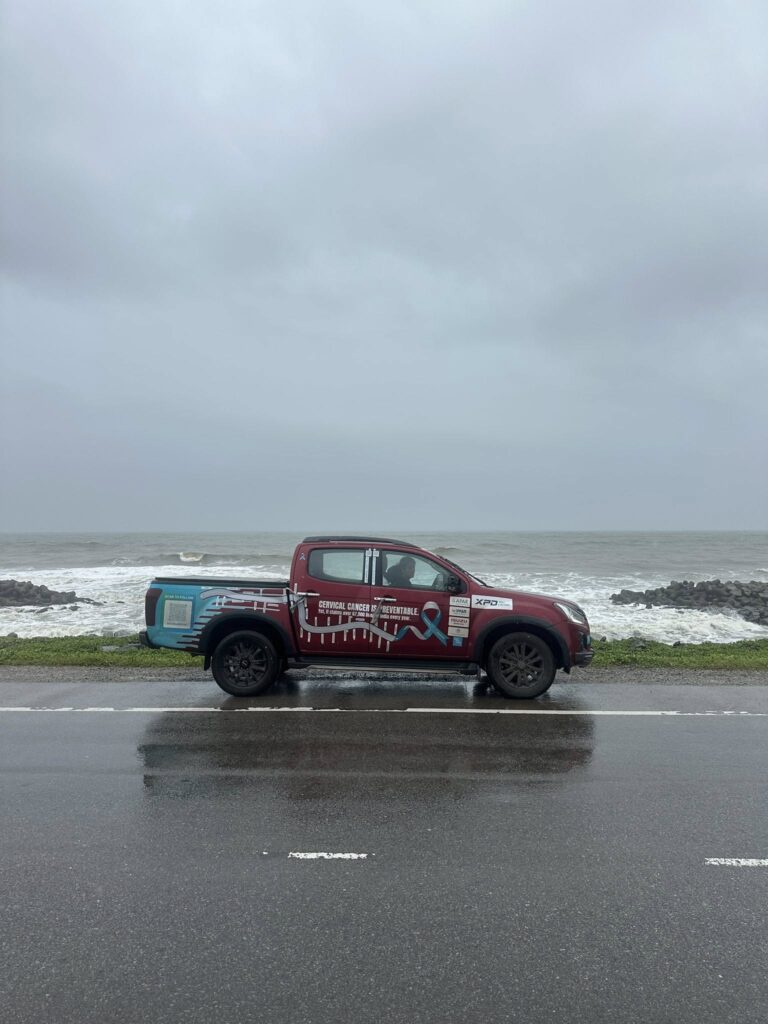
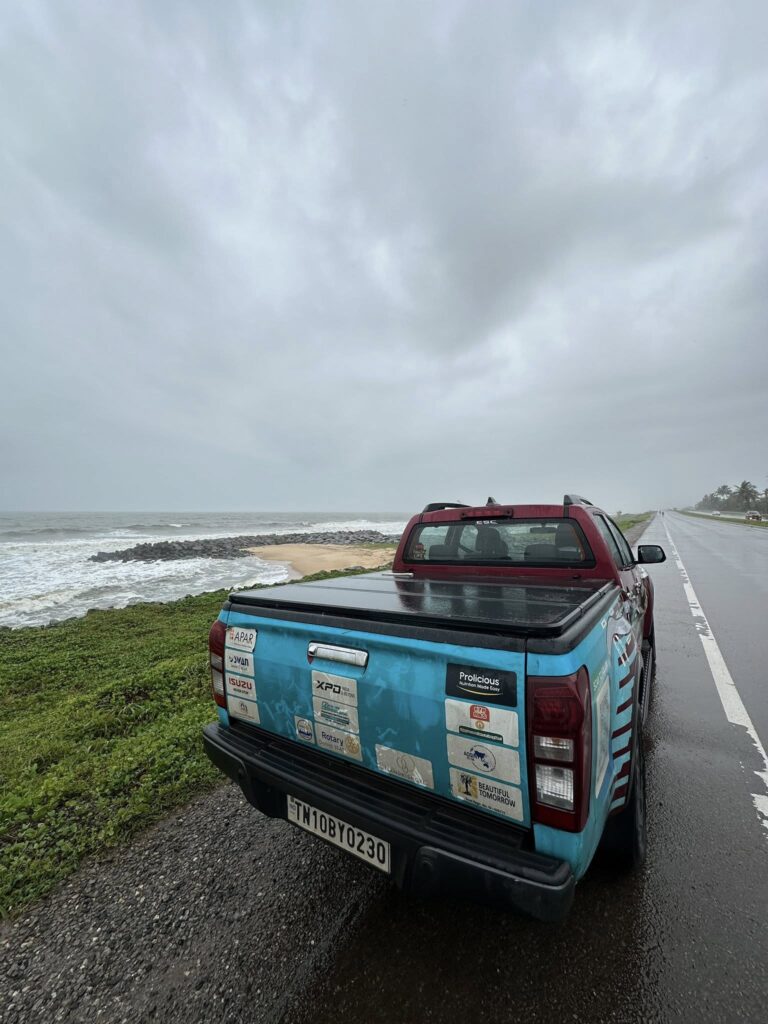
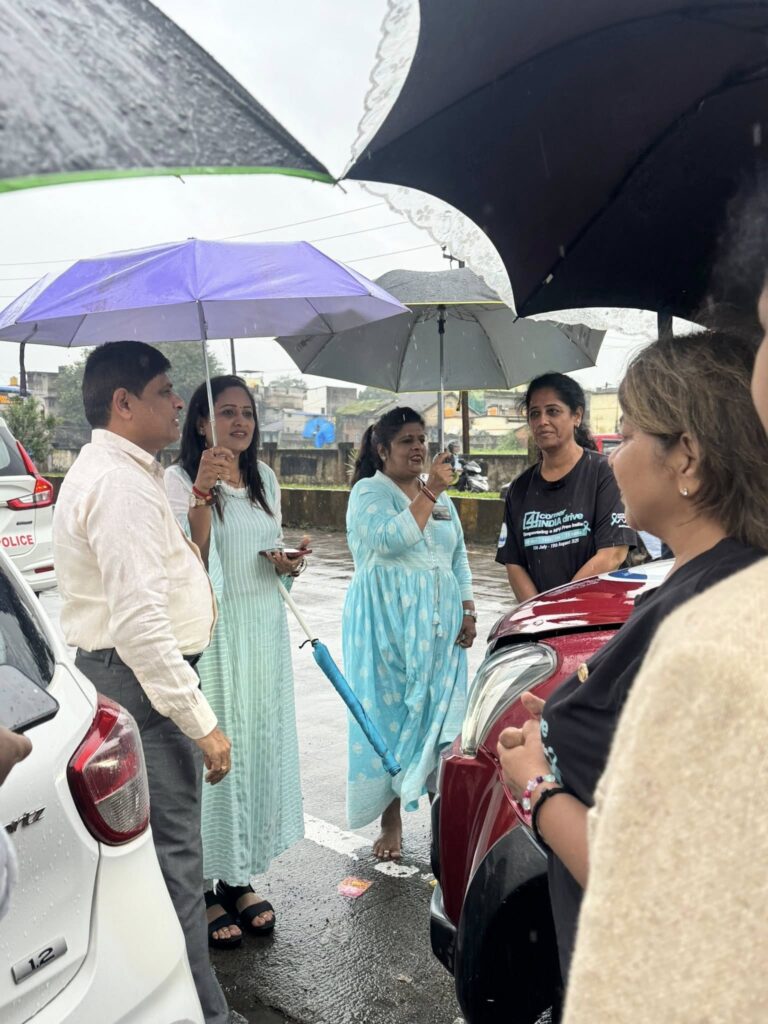
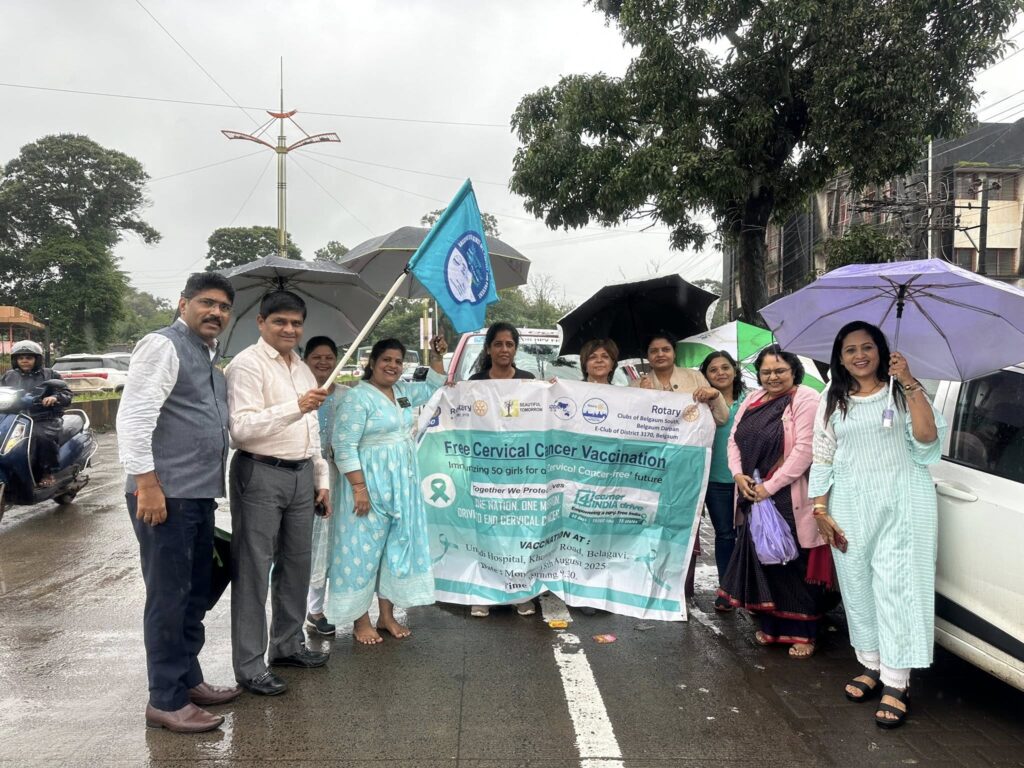
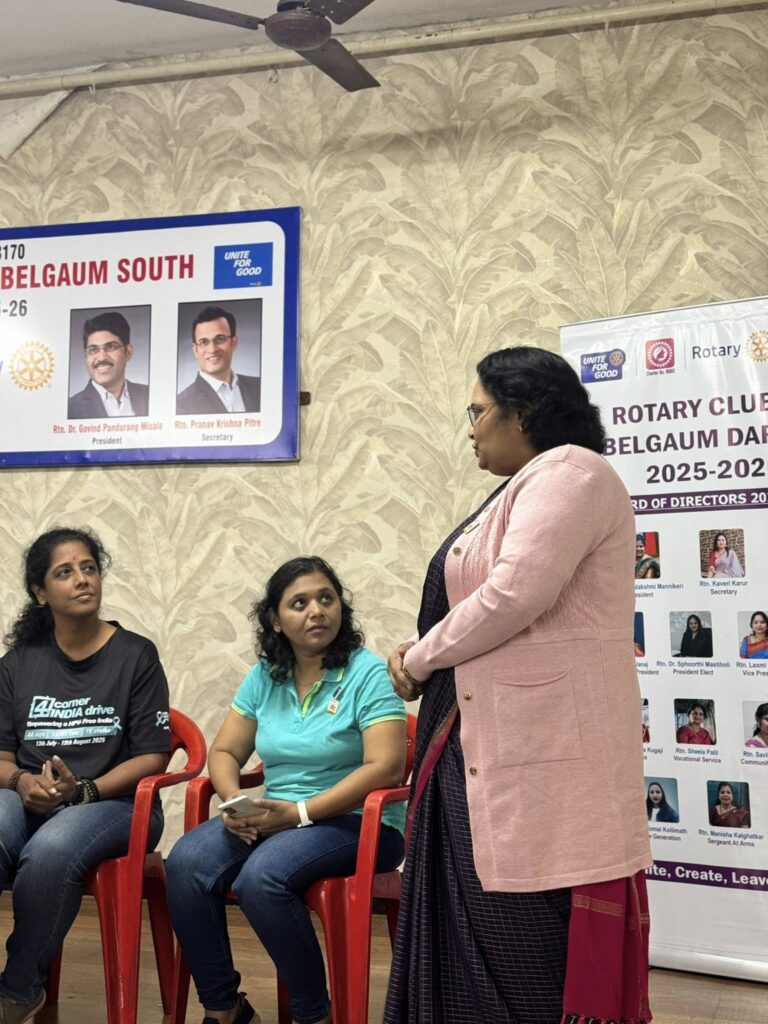
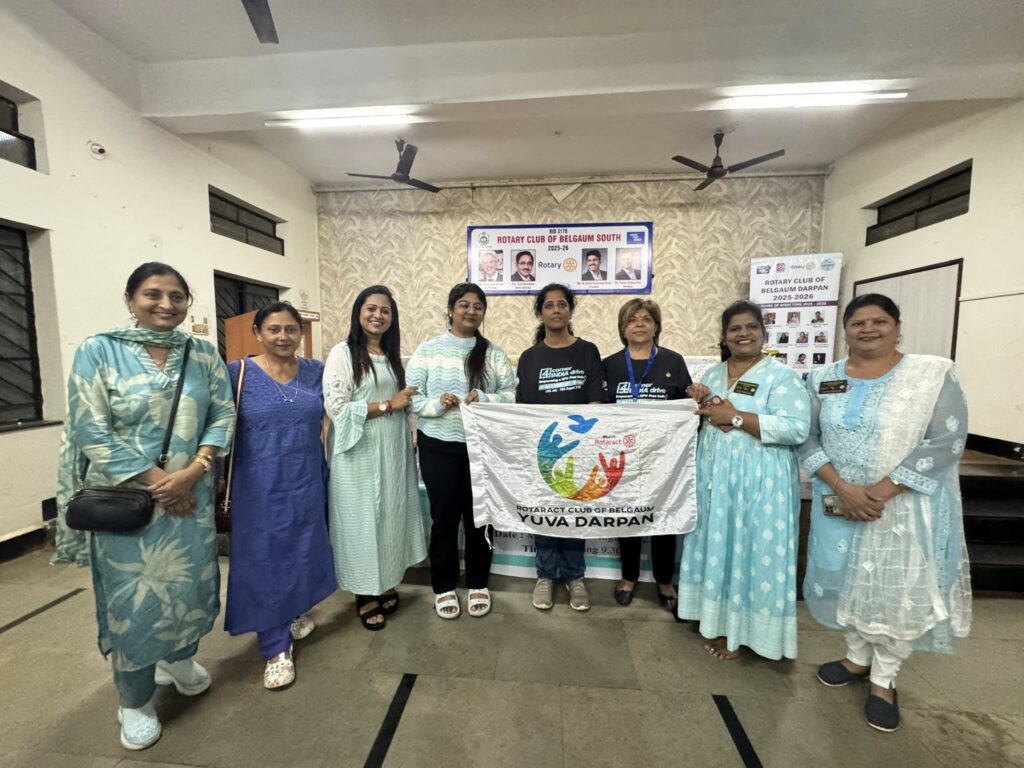
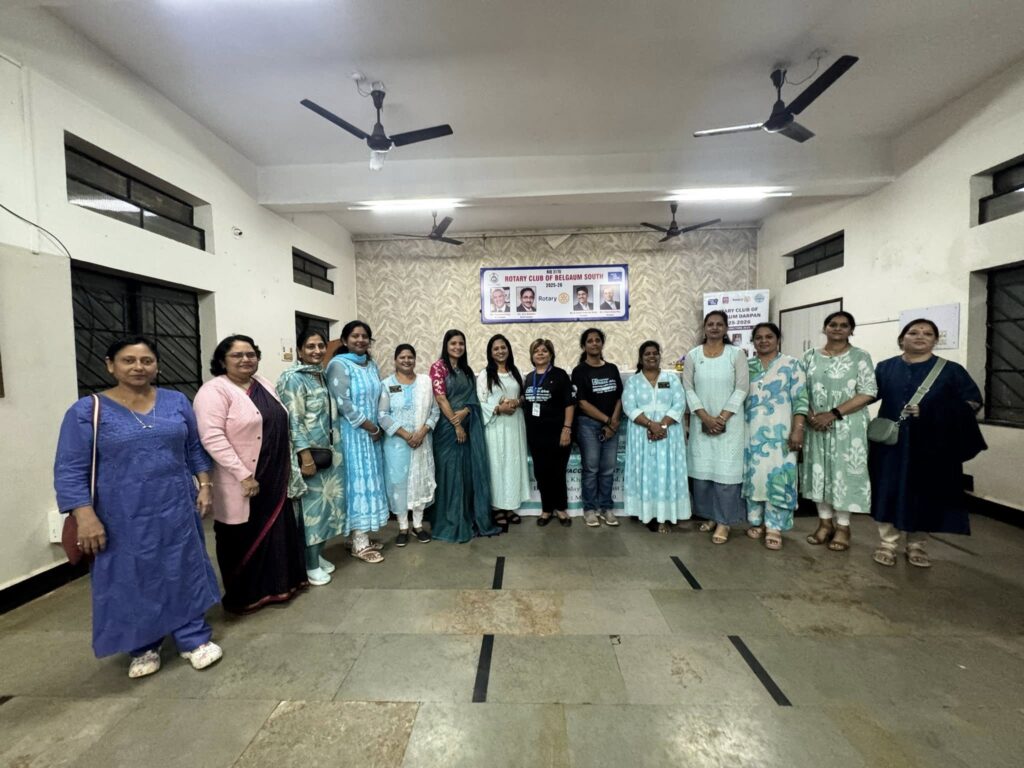
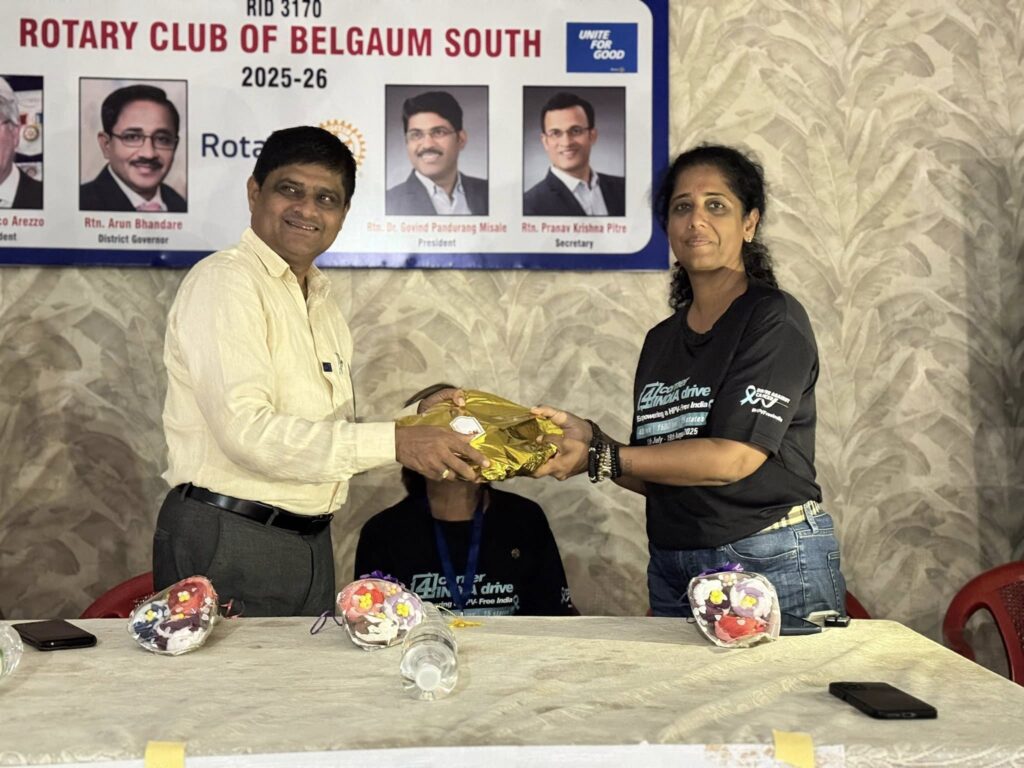
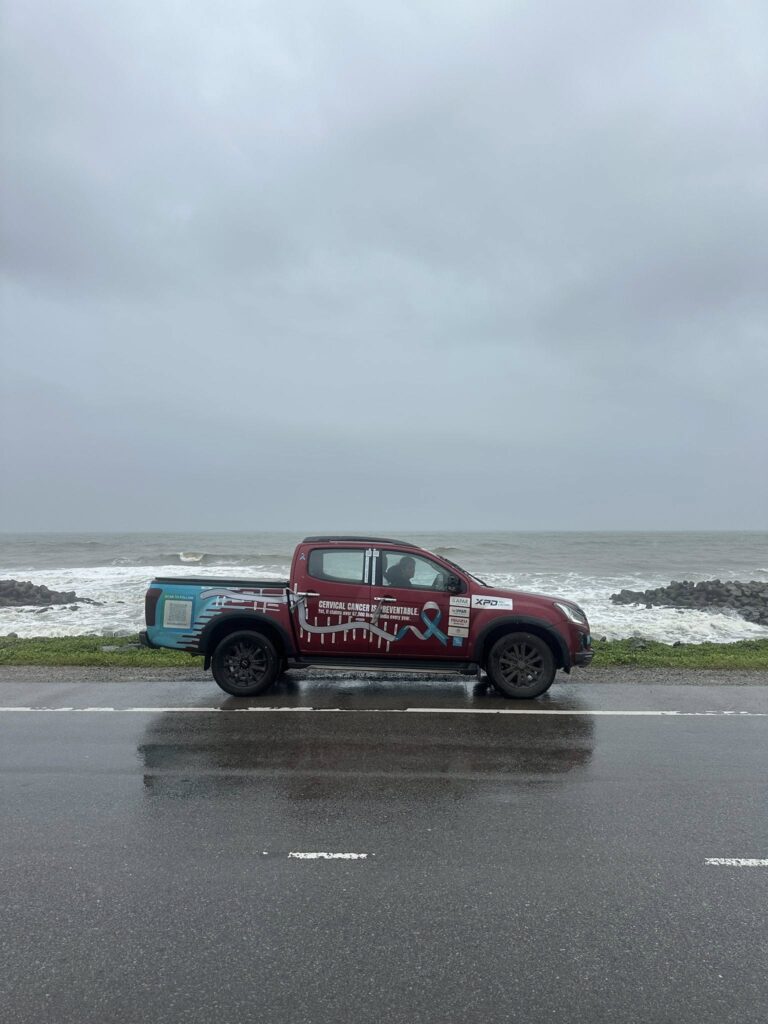
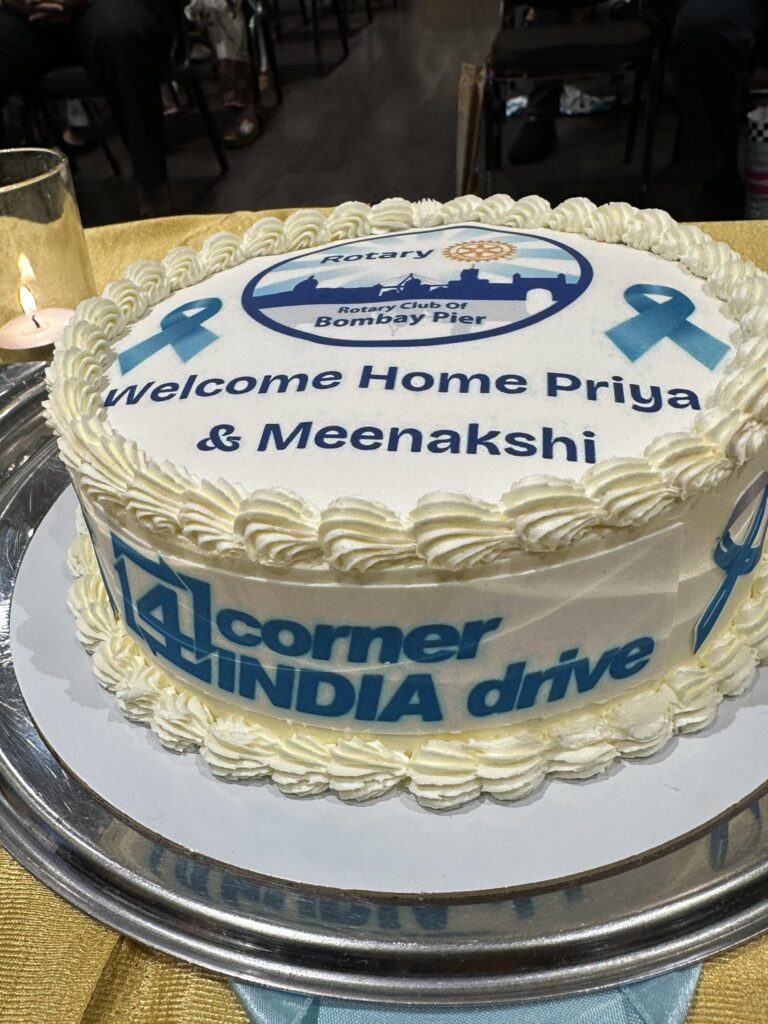
After 14,907 kilometers, we have finally reached Bombay. And with that, our Four Corners Drive has come to an end.
It’s been a long, fulfilling, heart-warming day. With Mumbai under a red alert and the rain showing no mercy, we honestly didn’t know if we’d make it. Calls and messages poured in from across the country—friends and well-wishers tracking us, sending updates, urging us to stay safe.
But God, as always, was on our side. We reached Mumbai well before time, by 5 PM.
After a couple of hours at the Bombay Gymkhana to rest and freshen up, we headed to the evening event hosted by the Bombay Pier Club. Despite the relentless rain, there was a good turnout—warm, supportive, and deeply encouraging.
I’ll keep today’s note short, as I have an early flight back home to Coimbatore tomorrow. A more detailed post with photographs will follow. But for now, this much I can say—it’s bittersweet.
Saying goodbye to Laal Pari brought a lump to my throat. I always get attached to the machine—it just happens. And handing her back to Isuzu Motors was far harder than I expected.
But we are safe. We have reached Mumbai. We have been flagged down.
The Four Corners Drive is complete.
Thank you—all of you—for being part of this journey.
With love.
It’s finito.
An Initiative by XPD INDIA & ROTARY CLUB OF BOMBAY PIER
TOWARDS AN HPV- FREE INDIA .
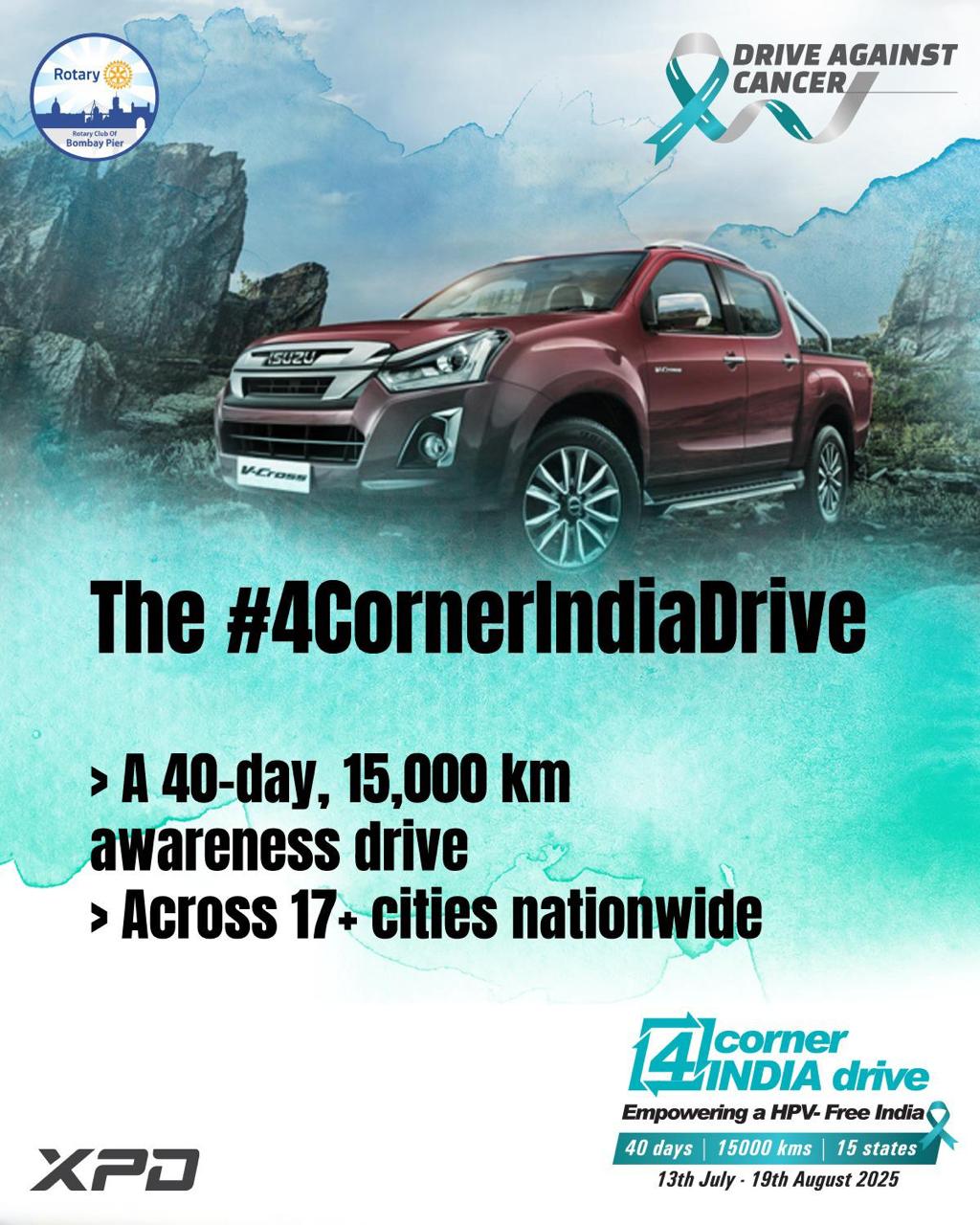
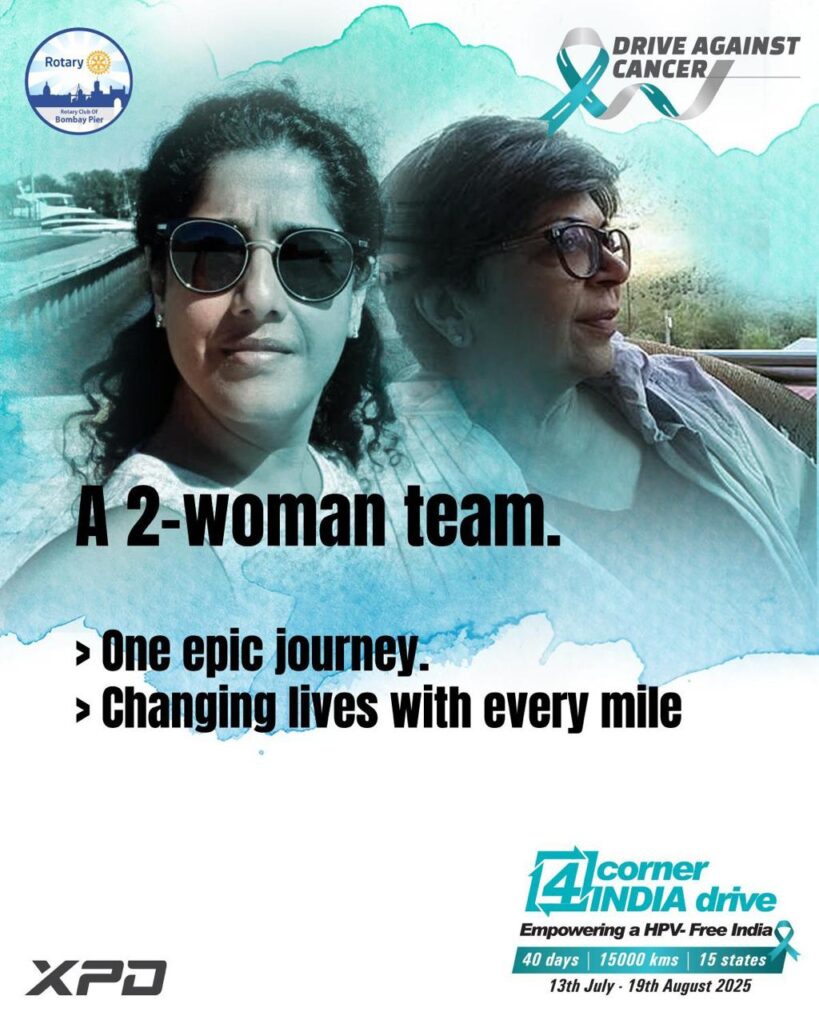
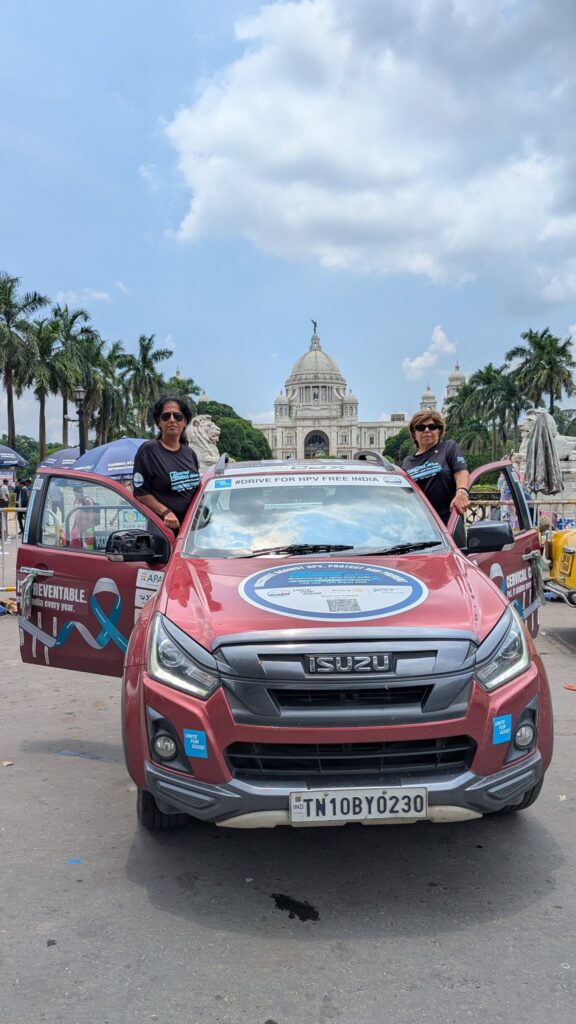
Two women. 15,000 km. 40 days. 15 states. 38 cities.
From Kanyakumari to Kashmir , Koteshwar to Kibithoo—
Ms. Meenakshi Arvind (Founder, XPD India & Beyond) and Ms. Priya Rajpal (Rotary Club of Bombay Pier)
are taking the road less travelled —
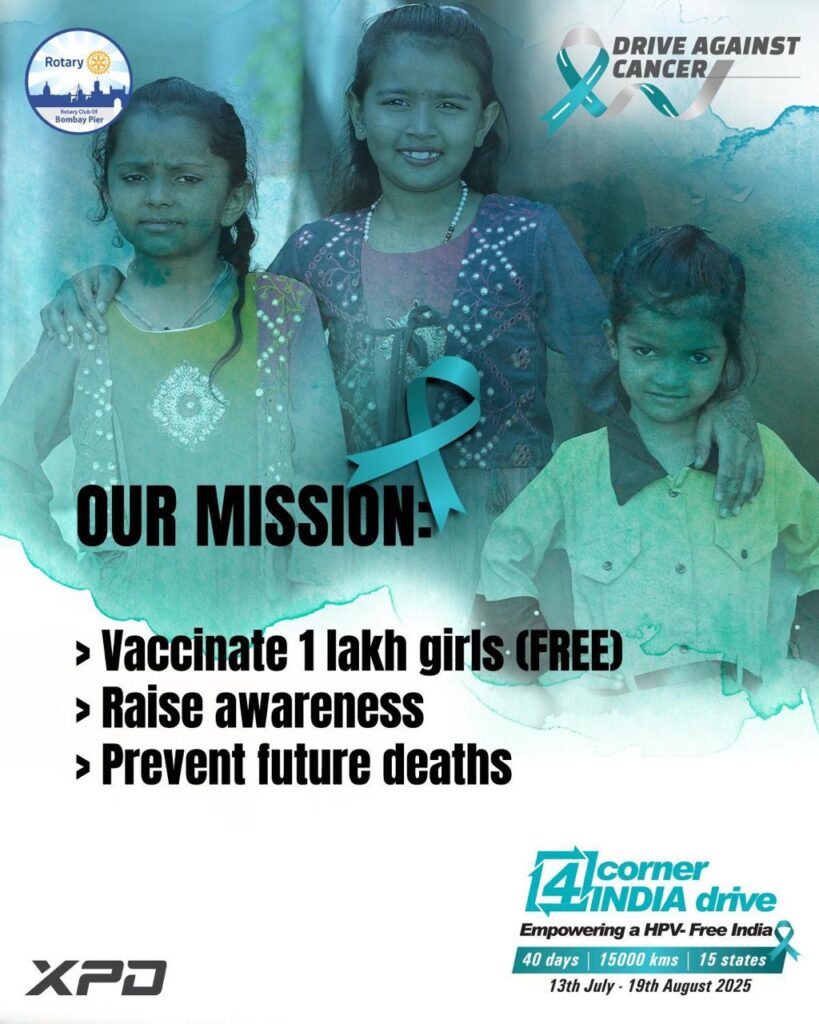
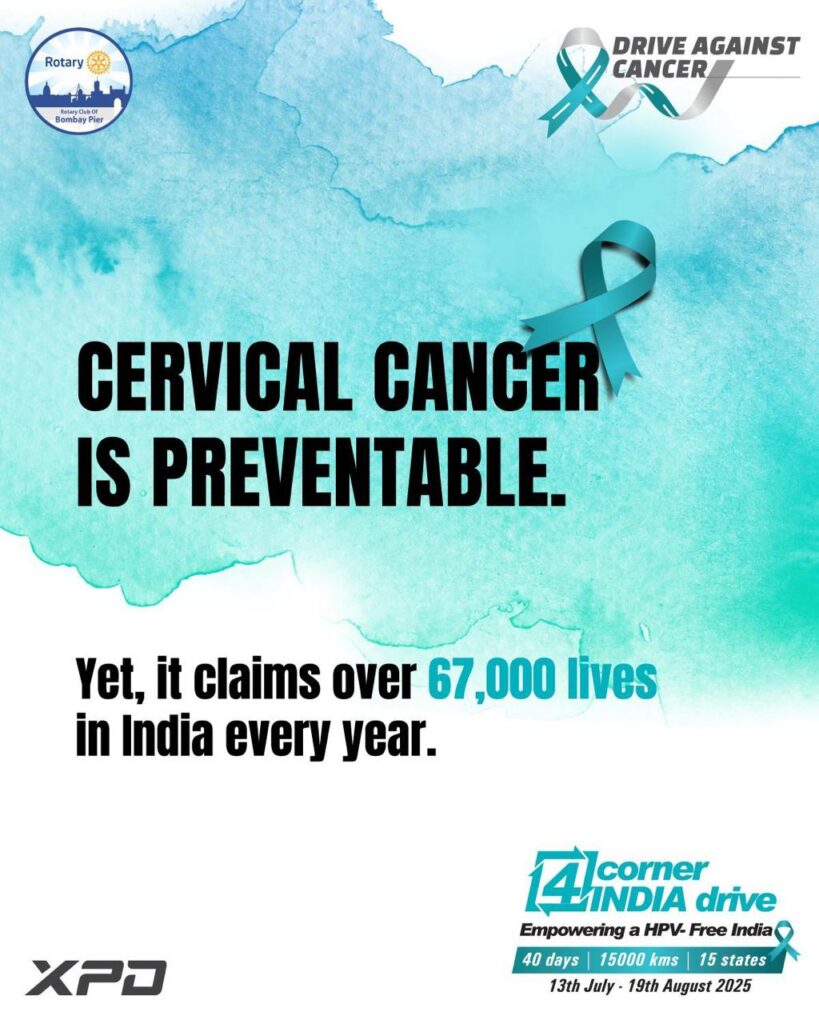
to spark a nationwide conversation around one of the world’s most silent killers: HPV-related cancers.
Because awareness shouldn’t be a privilege.
It should reach every girl, every parent, every corner.
This is not just a journey. It’s a movement —
Towards an HPV-Free India.
Flagging off from Mumbai on Sunday, July 13th, these two cancer crusaders hit the road with one mission:
To drive change, spark dialogue, and save lives.
As they cross the length and breadth of India, they’ll be
talking cervical cancer,
pushing for prevention,
championing vaccination,
and hosting awareness events in multiple cities they stop in.
Because every conversation could mean one less life lost.
Follow them. Join them. Support them.
Be part of the movement to make India HPV-Free.
- Meenakshi Arvind, Founder of XPD India & Beyond
- Rtn. Priya Rajpal
- Driving the iconic ISUZU V-Cross
Date: 13th July, 8:00 AM
Location: Nariman Point, Mumbai
Beautiful Tomorrow, AOGIN India
Isuzu India, XPD India & Beyond
Free Press Journal

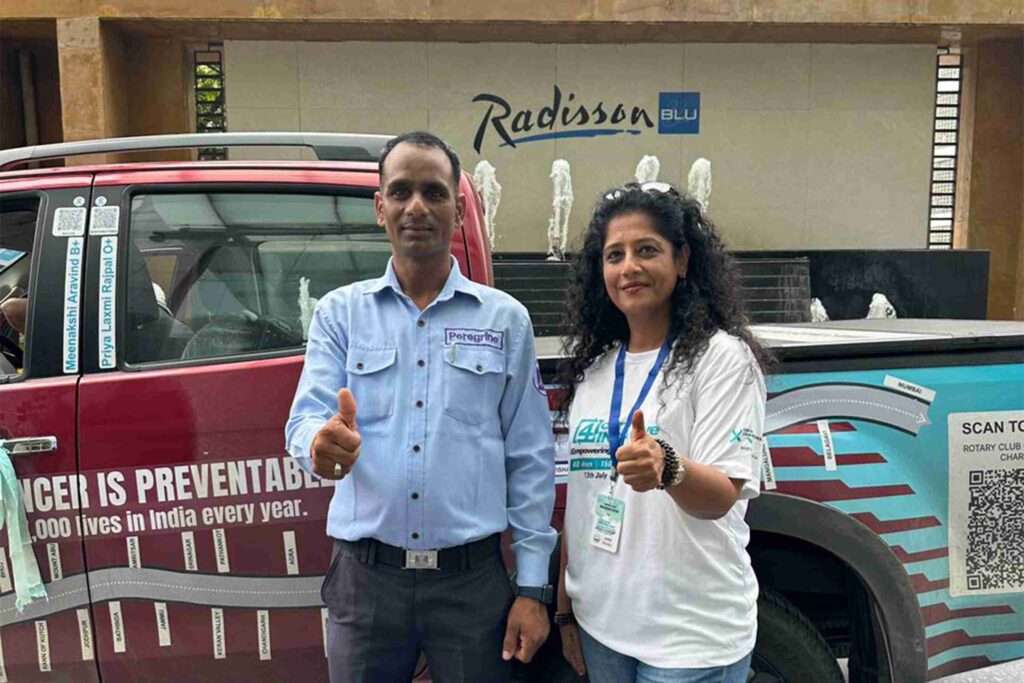
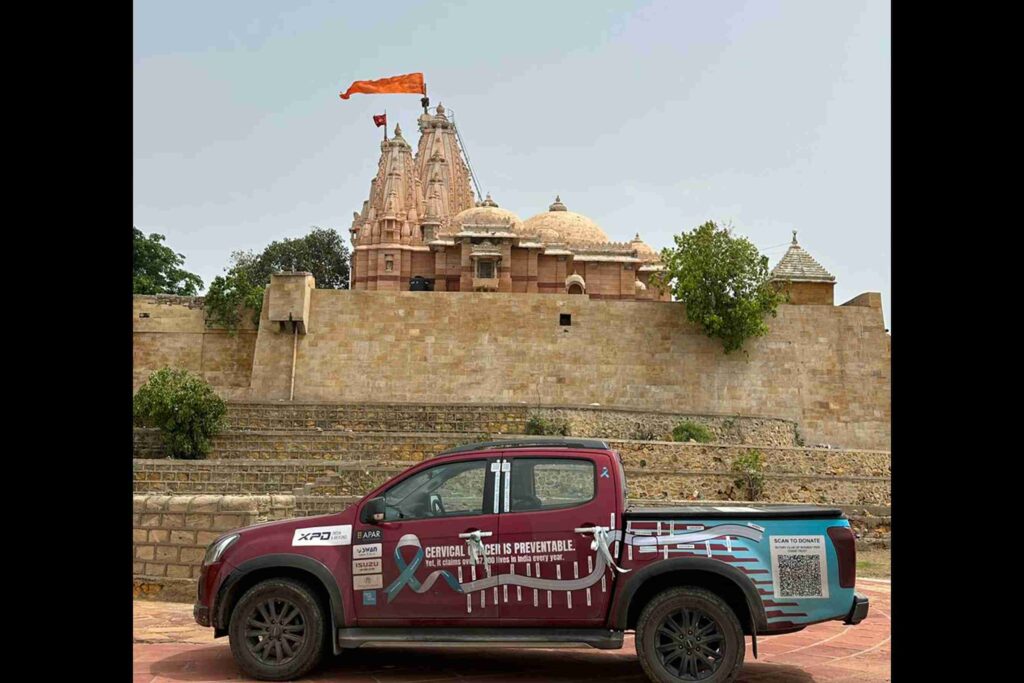
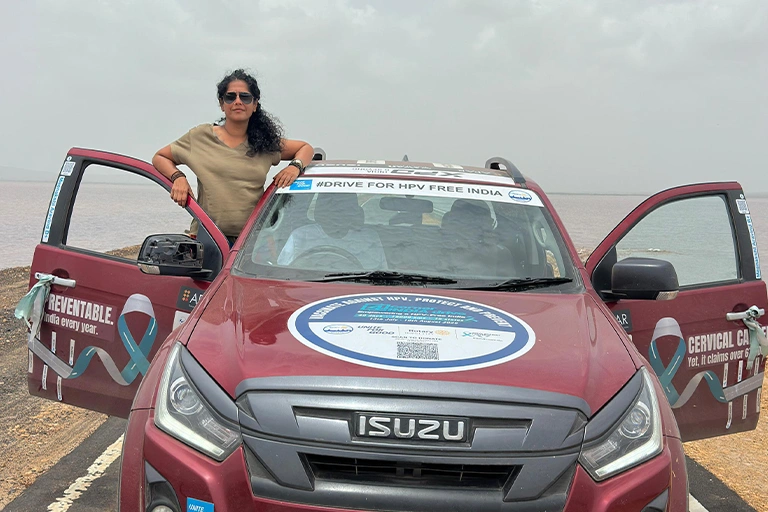
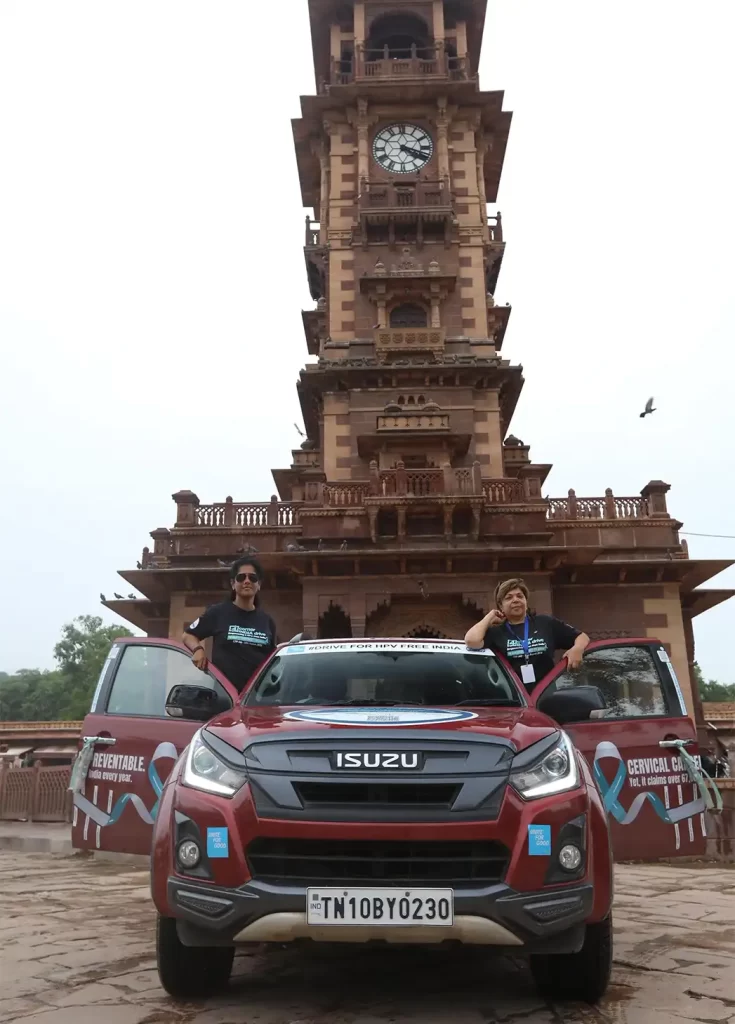
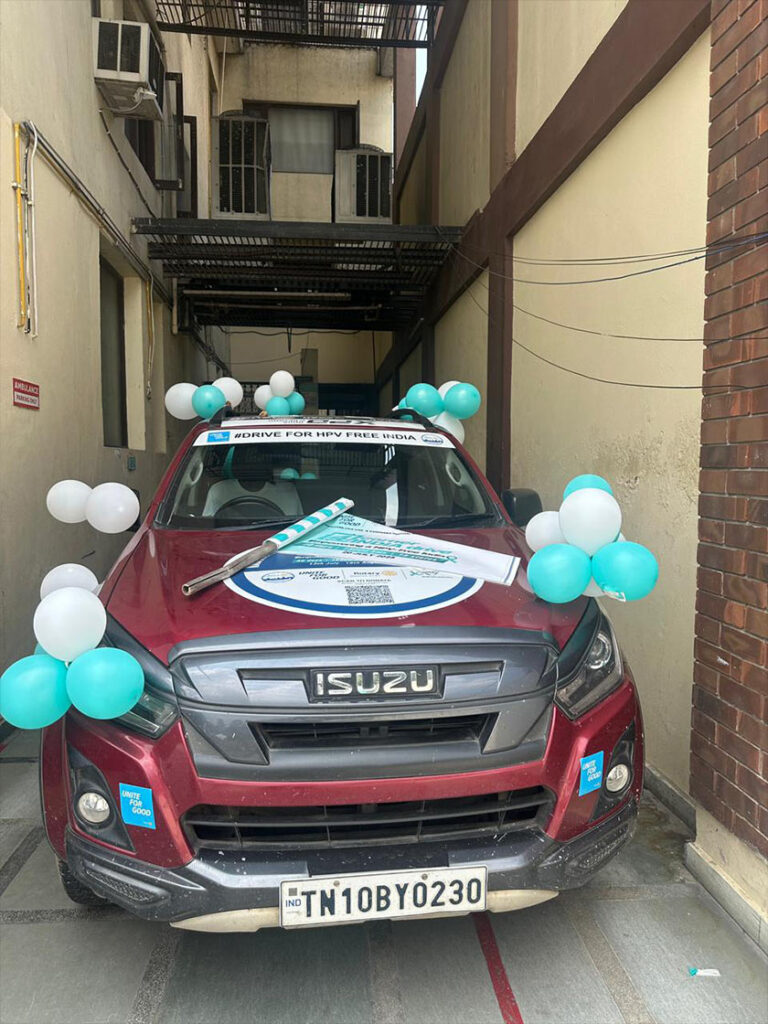
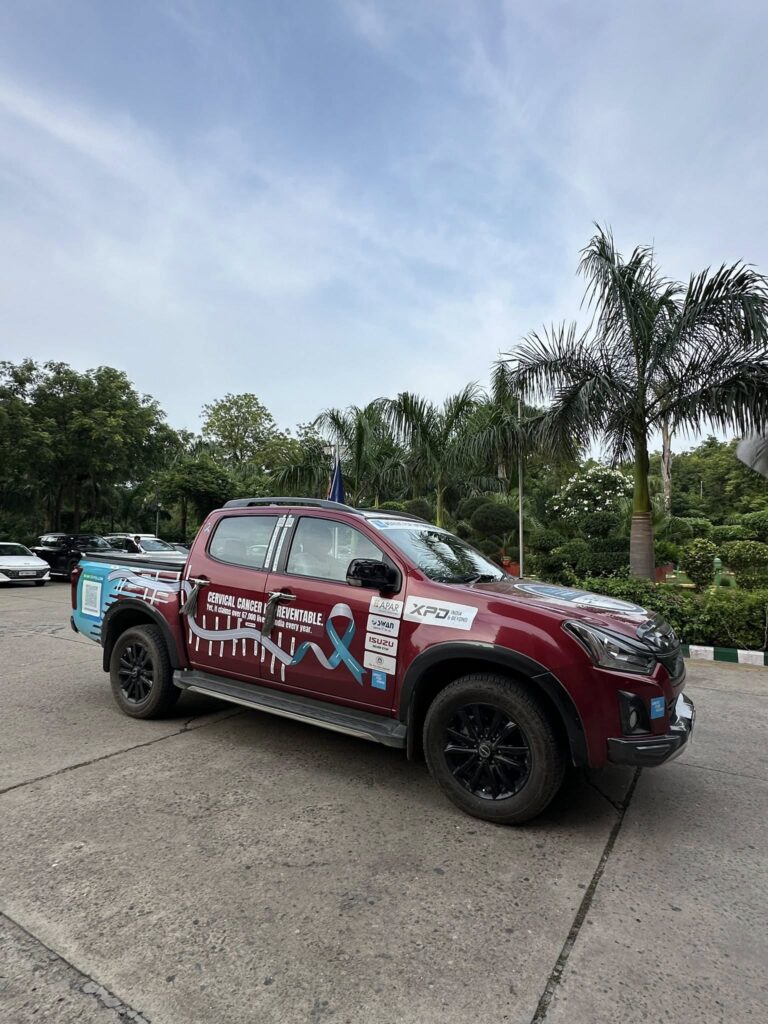
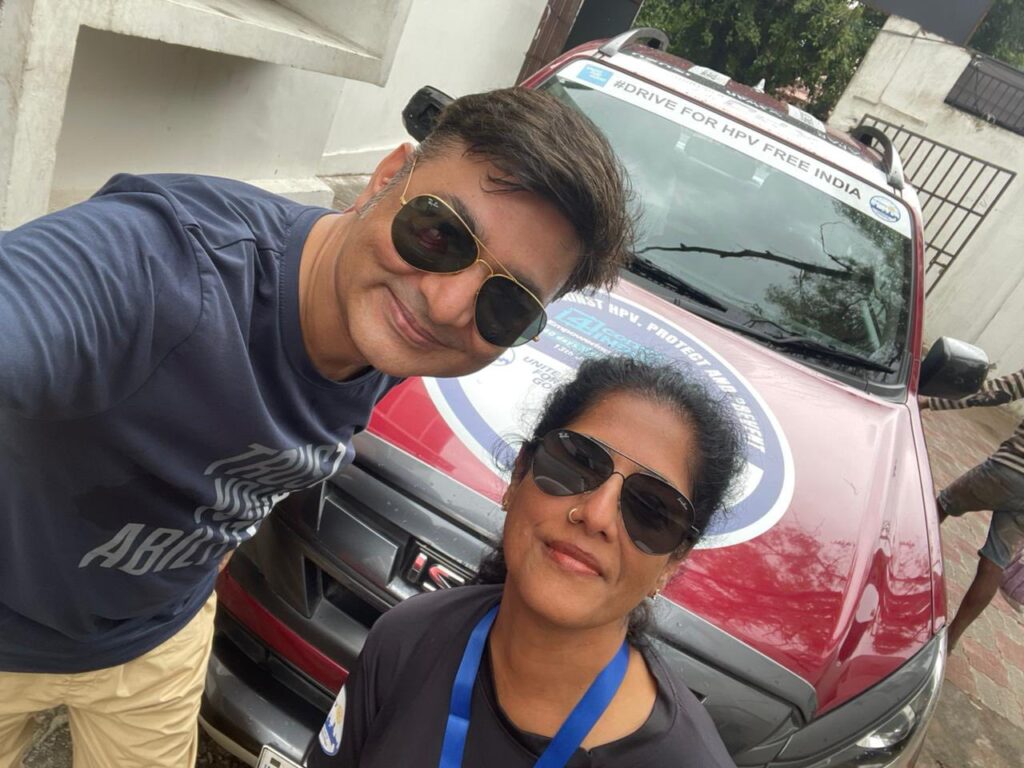
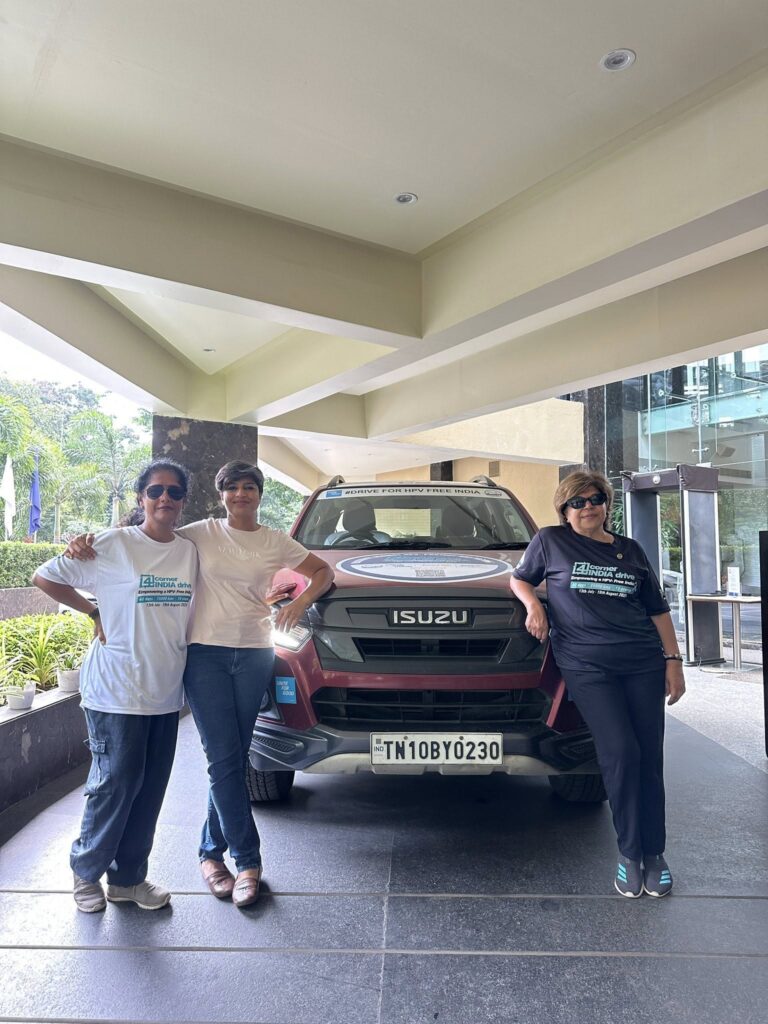
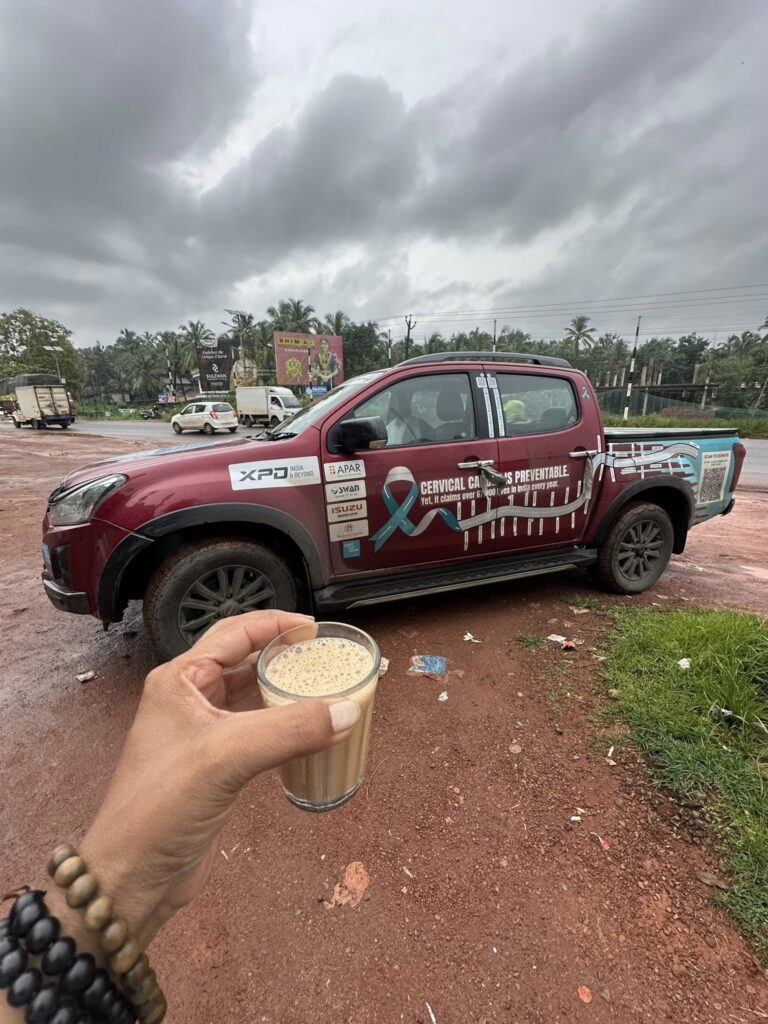
We call her Laal Pari – our red chariot with a purpose. For the next 40 days, she’ll carry more than just two women across 15,000 kilometers and 17 cities; she’ll carry a mission. Through winding highways, border towns, and bustling cities, Lal Pari will be a moving voice for the voiceless, spreading awareness, hope, and access to free HPV vaccinations. This isn’t just a road trip – it’s a crusade on wheels. A ride powered by purpose, driven by love, and guided by the belief that no girl should suffer from a preventable cancer.
Thank you to all our supporters: